Salmon Seasoning: the Sunday Best Rub for Crispy Skin Perfection
- The 'Sunday Best' Salmon Seasoning: Why Dry Rubs Reign Supreme
- The Science of the 'Sunday Best' Rub: Flavor Layering for Salmon
- Essential Ingredients for the Ultimate Salmon Seasoning Blend
- Step-by-Step: Crafting the Rub and Pan-Searing the Salmon
- Chef's Secrets for Achieving Crispy Salmon Skin
- What to Serve with Pan-Seared Salmon Fillets
- Recipe FAQs
- 📝 Recipe Card
The 'Sunday Best' Salmon Seasoning: Why Dry Rubs Reign Supreme
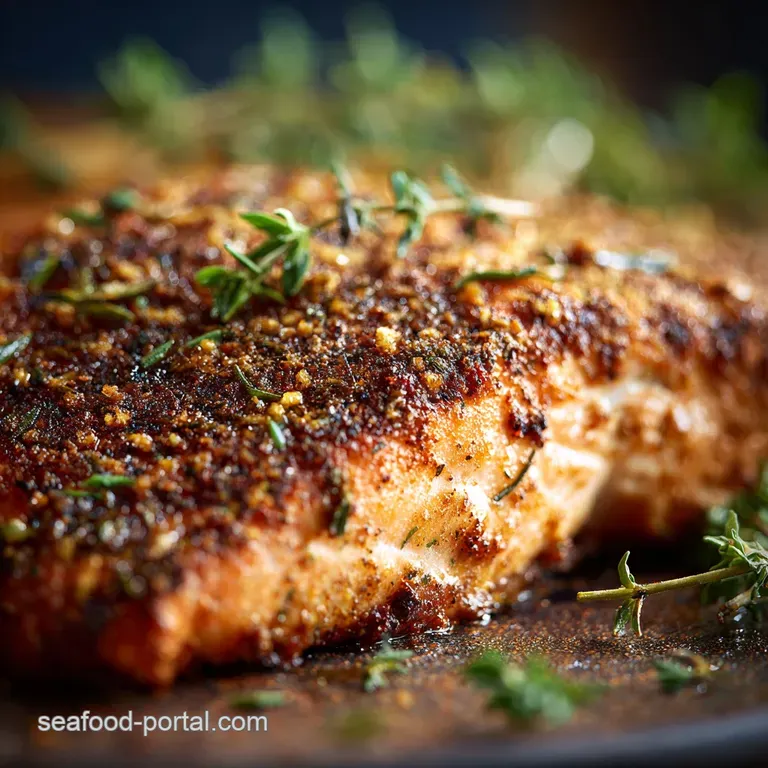
That incredible aroma the one where sweet brown sugar starts to sizzle and caramelize, mingling with savory garlic and bright dill is the unmistakable scent of success. You know exactly what I’m talking about if you've ever achieved that perfect, mahogany colored crust on a piece of salmon.
Forget boiling, steaming, or poaching for a minute; we're talking about pure, unadulterated texture.
I used to spend ages messing around with complicated, acidic marinades, convinced that was the secret to flavor, but honestly, they just make the fish wet and prevent proper searing. This dry rub is the exact opposite of fussy, yet it delivers maximum flavor every single time.
It’s a genuine lifesaver for those chaotic weeknights when you need dinner on the table in under 20 minutes, even if you’re using the Crispy pan-fried Salmon: Restaurant Quality Skin, Brown Butter Glaze method.
This ‘Sunday Best’ blend takes only two minutes to mix, and it transforms average salmon into restaurant quality flaky heaven with a seriously addictive crust. We are focusing on simple ingredients that work overtime to enhance the natural richness of the fish.
So let’s crack on and talk about the actual science behind seasoning salmon successfully.
The Science of the 'Sunday Best' Rub: Flavor Layering for Salmon
The Advantage of a Dry Rub vs. Marinade
Traditional marinades, especially those heavy on lemon or vinegar, often break down the delicate proteins in salmon too quickly, leading to mushy textures or, worse, soggy skin. A dry rub is smarter.
It uses salt and sugar to subtly draw out moisture from the surface layer of the fillet while simultaneously binding the other spices tightly to the flesh. This creates a highly concentrated flavour bomb right where it matters most, delivering a crisp exterior that a wet marinade could never achieve.
Flavor Profile: Sweet, Smoky, and Herbaceous
The magic of this particular salmon seasoning is in the essential contrast it provides. We rely on the brown sugar for sweetness and that quick-to-crust texture, while the smoked paprika provides a deep, savory backdrop.
The crucial element, however, is the dried dill; it cuts through the richness of the salmon and prevents the blend from tasting too heavy or barbecue like, keeping the flavor profile bright and absolutely perfect for fish.
The Appeal of Pan-Seared Crispy Skin
Honestly, if you’re not getting crispy skin, are you even living? The skin acts as a protective layer, insulating the delicate flesh above it, helping the fish stay juicy and preventing it from overcooking. Achieving that glorious crunch requires three things: dry skin, high heat, and patience. If you want to dive deeper into the technique, you can check out my full guide on Pan Seared Salmon: Ultra Crispy Skin Lemon Butter Sauce Recipe .
How Brown Sugar Creates a Crust and Glaze
This is where the 'Sunday Best' rub really shines, thanks to the brown sugar. When that sugar hits the scorching hot pan, it quickly dissolves, melts, and then caramelizes in what scientists call the Maillard reaction.
This process forms a beautiful, glossy, dark brown glaze, or crust, which locks in the moisture of the fish. It’s what makes the outside crisp and the inside incredibly flaky.
Balancing Smoke (Paprika) and Herb (Dill)
The ratio here is key. We use equal parts Smoked Paprika and Brown Sugar because they need to play nicely together without one overpowering the other. The paprika delivers that deep, slow cooked feel even in a fast sear scenario.
Dill, though, is essential to brighten the whole dish; it’s an iconic pairing with salmon for a reason, providing a sharp, herbaceous finish that balances the smoky depth and the sugar’s sweetness.
Maximizing Texture Through Pre-Salting
Many people rush the seasoning step, but giving the rub 10 to 15 minutes on the salmon before cooking is transformative. The flaky sea salt in the blend draws a tiny bit of surface moisture out of the fillet and then reabsorbs with the spices, creating a concentrated brine right on the surface.
This little move ensures the seasonings adhere perfectly and helps create a firmer, flakier final product.
Essential Ingredients for the Ultimate Salmon Seasoning Blend
Key Components of the 'Sunday Best' Mix
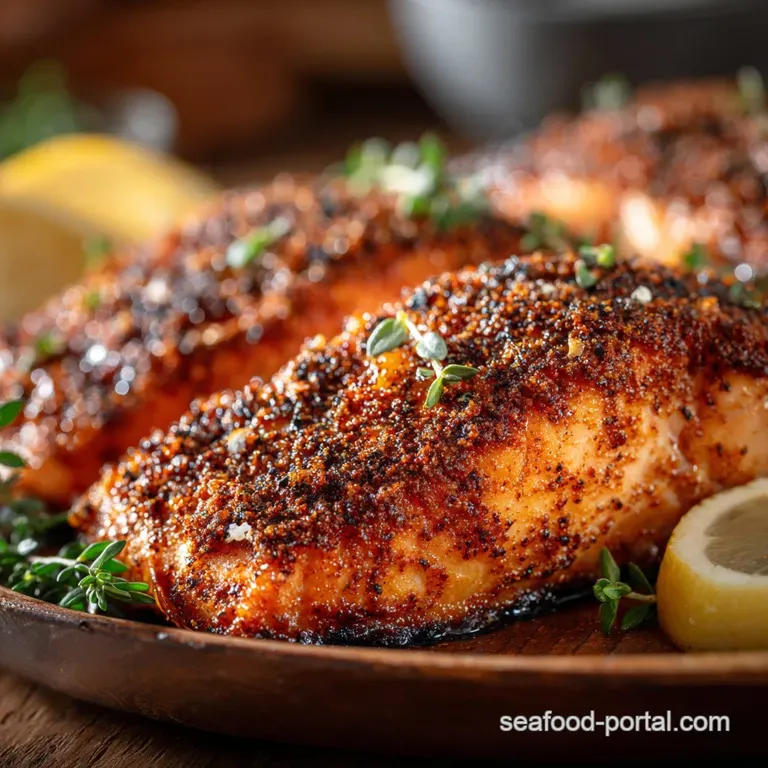
This rub is built on a simple foundation: salt for flavour and preservation, sugar for crust, and aromatics for depth. You should always measure your spices by volume, not weight, for dry rubs, as density varies wildly. We’re using a very simple ratio, emphasizing smokiness and brightness.
Detailed Notes on Smoked Paprika Selection
Don't just grab any paprika; the smoked variety is non-negotiable for this particular salmon seasoning recipe. You want Pimentón Ahumado from Spain. It comes in sweet ( dulce ), bittersweet ( agridulce ), and hot ( picante ).
I always recommend the sweet version here, as it provides all the glorious, woody smokiness without an aggressive level of heat.
Smart Substitutions for the Dill and Brown Sugar
Life happens, and sometimes the pantry is missing a key player. Don't panic; here are my easy swap outs that maintain the flavour profile without ruining the texture.
| Missing Ingredient | Recommended Substitute | Why it Works |
|---|---|---|
| Light Brown Sugar | Coconut Sugar or Turbinado Sugar | Maintains caramel notes and high melting point for the crust. |
| Dried Dill Weed | Dried Tarragon (half the amount) or Chives | Provides a similar bright, anise like lift that works well with seafood. |
| Smoked Paprika | Ancho Chili Powder + ⅛ tsp Liquid Smoke | Ancho provides deep earthy colour; liquid smoke brings the missing smokiness. |
| Garlic Powder | Granulated Garlic | They are interchangeable in dry rubs; do not use fresh garlic, which will burn. |
Preparing Your Salmon Fillets (Skin-on vs. Skin off)
Always, always choose skin-on fillets if you plan to pan-sear. The skin is your friend. If you only have skinless, it’s fine, but make sure the bottom of the fillet is fully oiled before seasoning and touching the pan.
My biggest mistake when I started was forgetting to check for pin bones. Run your finger along the centre line of the fillet; if you feel tiny bones, remove them with clean tweezers before seasoning.
step-by-step: Crafting the Rub and Pan-Searing the Salmon
Mixing the Dry Rub in Under Two Minutes
Grab a small jar or bowl and simply dump everything in! Whisk together the Smoked Paprika, Brown Sugar, Sea Salt, Garlic Powder, Onion Powder, Dried Dill, Black Pepper, and a touch of Cayenne. I love making a big batch of this "Salmon Seasoning" so I have it ready for grilling or air frying later.
Just seal it up tightly and store it in a cool, dark place.
Applying the Salmon Seasoning (The Oil Barrier Method)
First, pat the fillets aggressively dry with paper towels this is the most important step for the skin side. Now, flip the fillet over and rub the seasoning generously into the flesh side, ensuring it’s completely coated.
For the skin, simply brush it lightly with a neutral over high heat oil. We do not put salt directly on the skin before cooking, because salt draws out moisture, and moisture prevents crisping.
Searing Instructions: The 90% Rule for Skin Side Down
Heat your pan (cast iron is my favourite) over medium high heat with the remaining oil until it shimmers. Place the salmon fillets skin side down and immediately press gently on the fillet for about 15 seconds to ensure full contact with the pan.
Now, this is the 90% Rule: cook the fish skin side down for about 90% of the total cooking time, usually 4 to 5 minutes. You should see the colour change move up the side of the fillet, turning opaque about two-thirds of the way up.
Finishing the Cook (Basting and Resting)
Once the skin is dark, crispy, and the fish releases easily from the pan don't force it if it sticks flip it over. Add the butter and let it melt. Spoon that lovely, browned butter over the flesh for 1 to 2 minutes, finishing the cook.
Use an instant read thermometer if you have one; pull the fish at 130°F (54°C). Immediately transfer the salmon to a wire rack. Resting is non-negotiable; it allows the internal juices to redistribute, leading to maximum juiciness.
Chef's Secrets for Achieving Crispy Salmon Skin
Chef’s Note: Never move the salmon once it’s in the pan until the skin tells you it’s ready. If the skin is fully crisped, the collagen has broken down, creating a non-stick layer, and the fillet will lift with zero resistance.
If you try to lift it and it fights you, leave it alone for another minute.
- Dryness is Godliness: Seriously, spend a full minute per fillet patting that skin dry. Any surface moisture will instantly turn to steam, and you’ll end up with rubbery skin instead of a crunch.
- Use the Right Tool: A thin, flexible fish spatula is necessary. It prevents you from ripping the delicate flesh when flipping. This is not the time for your bulky wooden spoon.
- The Power of the Rest: Resting on a wire rack is the difference between good skin and perfect skin. If you rest it on a flat plate, the steam from the residual heat will pool underneath and soften that beautiful crust you just worked hard to create.
What to Serve with Pan-Seared Salmon Fillets
This smoky, sweet 'Sunday Best' seasoning is robust enough to stand up to starchy sides but delicate enough to pair with vibrant greens. If I’m feeling particularly efficient, I'll cook the side dish while the salmon rests.
Preparation and Storage FAQs for Your Salmon Seasoning
The Critical Temperature of Your Cooking Oil
You need your oil to be screaming hot before the salmon touches it, but not so hot that it’s smoking aggressively. If the pan isn't hot enough, the salmon will take too long to develop a crust, giving the surface time to cool and potentially stick.
The oil should shimmer and look thin, almost like water, before you add the fish.
How to Prevent Fish from Sticking to the Pan
Sticking is almost always a temperature issue or a moisture issue. Ensure the pan is properly heated (see above), use a high smoke point oil, and, most importantly, do not try to move the fish too soon. If the skin is fully rendered and crispy, it will naturally release from the pan.
Forcing it guarantees shreds and disaster.
Troubleshooting Common Pan-Searing Mistakes
The most common failure point is cooking too quickly over high heat, resulting in burnt skin and raw centres. You need high heat to start the sear, but then you must immediately drop the heat to medium low to allow the middle of the fillet to cook gently and evenly.
If you find your fish cooking unevenly, try moving it to a cooler part of the pan or reduce the heat even further.
Classic Side Dishes for the 'Sunday Best' Flavor
- Garlicky Green Beans: Simple blanched green beans tossed with toasted almonds and lemon zest.
- Crispy Roasted Potatoes: Tossed in rosemary and sea salt, their starchiness complements the rich salmon beautifully.
- Couscous with Herbs: A light, fluffy grain base mixed with fresh parsley and mint, offering brightness and texture.
Recommended Wine and Drink Pairings
Because this rub is sweet and smoky, you want a wine that can handle both the depth and the richness of the salmon. Skip the heavy reds. A crisp, unoaked Chardonnay or a dry Rosé is fantastic. If you prefer something lighter, a New Zealand Sauvignon Blanc works beautifully to cut through the fat.
For non-alcoholic options, try an iced tea with lemon and honey.
Quick Sauces to Complement the Seasoning
You really don't need a sauce with this much flavour, but sometimes I just want that creamy element.
- Dill Crème Fraîche: Whisk crème fraîche with finely chopped fresh dill, lemon zest, and a pinch of salt.
- Simple Lemon Butter: Melt butter, stir in lemon juice, and drizzle heavily over the rested fish. This also works wonderfully if you choose to make Honey Salmon: The 20 Minute Sticky Honey Glazed Salmon Recipe another day.
Recipe FAQs
Why is my salmon skin not getting crispy during pan-searing?
The number one enemy of crispy skin is moisture; ensure you thoroughly pat the skin side of the fillet dry with paper towels before applying the rub. Additionally, make sure your pan is very hot before adding the fish, and press the fillet down for the first 30 seconds to maintain maximum contact with the cooking surface.
The brown sugar in the 'Sunday Best' rub keeps burning. How can I prevent this?
Sugar caramelizes quickly, which is why we recommend using medium high heat rather than the maximum setting. Always begin cooking the salmon skin side down first, as this shields the sugar heavy rub from direct, intense heat for most of the cooking process.
Can I use this seasoning blend for other fish or proteins?
Absolutely, this sweet and smoky rub works exceptionally well on robust white fish like cod or halibut, or even thick pork chops. For poultry, use the rub generously on chicken breasts or thighs and allow it to sit for about 30 minutes before baking or grilling.
I don't have dried dill. What is a suitable substitution for the seasoning rub?
Dried dill provides a necessary light, grassy freshness to balance the smokiness; a good substitute is dried tarragon, which offers a slightly more complex anise note that complements salmon nicely.
If you only have common herbs, use dried parsley combined with a tiny pinch of fresh lemon zest added right before serving.
What is the best way to store the pre-made seasoning rub?
Store the dry 'Sunday Best' blend in an airtight glass jar or container away from direct heat and sunlight. When stored properly, the rub will maintain its full flavour potency for up to six months. If the brown sugar compacts over time, simply shake the jar vigorously or break up the lumps with a small spoon.
How do I know when the salmon is perfectly cooked and safe to eat?
Salmon is considered fully cooked when it reaches an internal temperature of 145°F (63°C) measured at the thickest part of the fillet. Visually, the fish should flake easily with a fork and the centre should have transformed from a deep, translucent orange to an opaque pink colour.
Can I bake or grill the salmon using this seasoning instead of pan-searing?
Yes, the seasoning works beautifully in the oven; bake at 400°F (200°C) for 12 15 minutes, depending on the thickness. When grilling, keep the heat moderate, as the sugar content increases the risk of charring the surface before the fish is cooked through.
Sunday Best Salmon Seasoning Rub
Ingredients:
Instructions:
Nutrition Facts:
| Calories | 370 kcal |
|---|---|
| Protein | 38.8 g |
| Fat | 19.9 g |
| Carbs | 11.1 g |
