Stuffed Flounder with Crabmeat
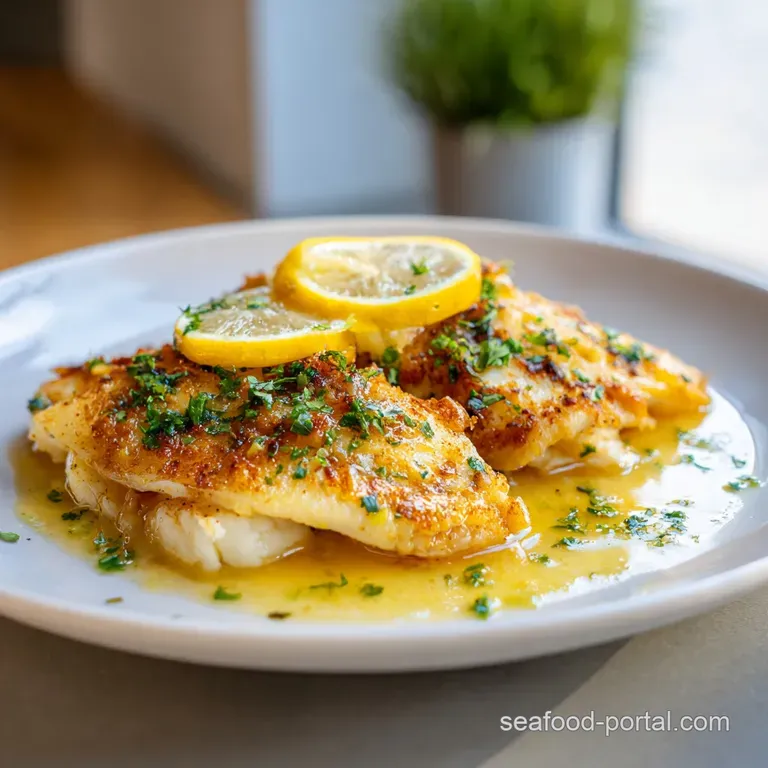
- Time: Active 15 minutes, Passive 20 minutes, Total 35 minutes
- Flavor/Texture Hook: Flaky white fish with a buttery, golden panko crust
- Perfect for: Weekend dinner parties or a romantic date night
- The Science of Stuffed Flounder with Crabmeat
- Exact Specifications for a Flawless Outcome
- Sourcing Ingredients for Maximum Flavor Depth
- Essential Kitchen Tools for Seamless Prep
- Step by Step Coastal Cooking Mastery
- Fixing Common Stuffed Seafood Challenges
- Creative Variations for Different Occasions
- Proper Storage and Sustainable Kitchen Practices
- Vibrant Sides for a Balanced Plate
- High in Sodium
- Recipe FAQs
- 📝 Recipe Card
The Science of Stuffed Flounder with Crabmeat
The magic of this dish lies in the thermal relationship between the lean fish and the fat rich stuffing. Flounder is a thin, delicate flatfish that usually overcooks in a heartbeat, but when we wrap it around a core of crabmeat, the stuffing acts as a heat sink.
It absorbs the energy of the oven, protecting the inner layers of the fish while the outer edges develop that desirable golden brown color.
I remember the first time I tried this for my parents' anniversary. I was so worried the fish would turn into rubber while I waited for the stuffing to get hot. I eventually realized that the secret wasn't more time, but better binders.
Using Greek yogurt instead of a heavy mayo base provides a clean acidity that cuts through the richness of the butter without weighing down the delicate crab.
The Physics of the Golden Crust
Maillard Reaction: The Panko breadcrumbs combined with melted unsalted butter create a surface environment where proteins and sugars brown rapidly at high heat. This results in a texture that will shatter under your fork, providing a stark contrast to the velvety, tender fish hidden underneath.
| Method | Time | Texture | Best For |
|---|---|---|---|
| Convection Oven | 18 minutes | Ultra crispy, even browning | Large batches and hands off ease |
| Stovetop Skillet | 12 minutes | Deeply seared, caramelized edges | Achieving a quicker, darker crust |
| Standard Bake | 20 minutes | Tender, gently steamed interior | Beginners who want consistent results |
Choosing your cooking method depends on your kitchen setup, but the oven is my go to for keeping the rolls intact. If you try to flip these in a pan without serious experience, you might end up with a deconstructed seafood scramble.
Trust me, the oven is your best friend here for maintaining that professional presentation.
Exact Specifications for a Flawless Outcome
Getting the internal temperature right is the difference between a gourmet meal and a disappointing one. You are aiming for a precise internal temperature of 145°F (63°C).
Because the fish is thin, the carryover cooking is minimal, but you still want to pull it from the heat just as it hits that mark. This ensures the crab stays juicy and the flounder remains flaky rather than dry.
| Component | Science Role | Pro Secret |
|---|---|---|
| Jumbo Lump Crab | Structural Core | Keep the lumps large for a meaty, luxurious mouthfeel |
| Egg Yolk | Emulsifying Binder | Provides rich fat without the watery mess of a whole egg |
| White Wine | Steam Generator | Deglazes the pan and keeps the fish moist during baking |
The white wine in the bottom of the pan isn't just for flavor. As it heats up, it creates a small amount of aromatic steam that circulates around the fish rolls. This prevents the bottom of the flounder from sticking to the pan and ensures the underside stays as tender as the top. For another quick dinner idea, you might also like this Flounder Fish Recipe which uses a similar over high heat approach.
Sourcing Ingredients for Maximum Flavor Depth
When you head to the seafood counter, ask for the freshest 4 large skinless flounder fillets, about 7 oz each. If they look translucent and smell like the ocean, you're in business. Avoid any fillets that have a yellowish tint or a strong "fishy" odor. The quality of your crabmeat is equally vital.
We are using 1 lb jumbo lump crabmeat because those big chunks look stunning when the fish is sliced open.
- Flounder Fillets (4 count, 7 oz each): The mild, sweet base for our rolls. Why this? Its thin profile makes it ideal for rolling around stuffing.
- Substitute: Sole or Tilapia (Note: Tilapia is slightly firmer and less sweet).
- Jumbo Lump Crabmeat (1 lb): The star of the filling. Why this? Offers the best texture and visual appeal for an upscale dish.
- Substitute: Backfin crabmeat (Note: Smaller pieces, less visual impact).
- Light Greek Yogurt (3 tbsp): Our secret low-fat binder. Why this? Adds tanginess and moisture without the heavy grease of mayonnaise.
- Substitute: Sour cream or Mayonnaise (Note: Adds more calories and a richer flavor).
- Panko Breadcrumbs (0.5 cup): For that signature crunch. Why this? Larger flakes create a more dramatic texture than fine crumbs.
- Substitute: Crushed saltine crackers (Note: Saltier and denser texture).
- Dry White Wine (2 tbsp): To create an aromatic poaching liquid. Why this? Acidity balances the butter and garlic sauce.
- Substitute: Chicken broth or clam juice (Note: Lacks the bright acidity of wine).
- Unsalted Butter (3 tbsp): For the decadent finishing sauce. Why this? Allows you to control the salt level of the final dish.
- Substitute: Ghee or high-quality Olive Oil (Note: Changes the flavor profile slightly).
You also need 1 tbsp olive oil, 0.5 tsp sea salt, 0.25 tsp white pepper, 1 large egg yolk, 1 tsp Dijon mustard, 1 tsp Old Bay seasoning, 2 tbsp fresh parsley, 1.5 tbsp fresh lemon juice, and 1 clove of minced garlic.
Using white pepper instead of black pepper is a classic chef move here it keeps the stuffing looking pristine without black specks, and it has a subtle earthy heat that pairs beautifully with shellfish.
Essential Kitchen Tools for Seamless Prep
You don't need a professional kitchen to pull this off, but a few specific tools will make your life much easier. A large, shallow baking dish (9x13 inch) is the gold standard here. It allows enough space for the fish rolls to sit without touching, which is crucial for even heat circulation.
If they are crowded, they will steam rather than bake, and you'll miss out on that crispy top.
A set of sturdy kitchen twine or plain toothpicks is also a must. I prefer toothpicks because they are easier to remove before serving. You’ll also want a flexible fish spatula. These are thinner than regular spatulas, allowing you to slide under the delicate flounder without tearing the skin.
Finally, a small whisk will help you emulsify the lemon butter sauce so it stays velvety and doesn't separate on the plate.
step-by-step Coastal Cooking Mastery
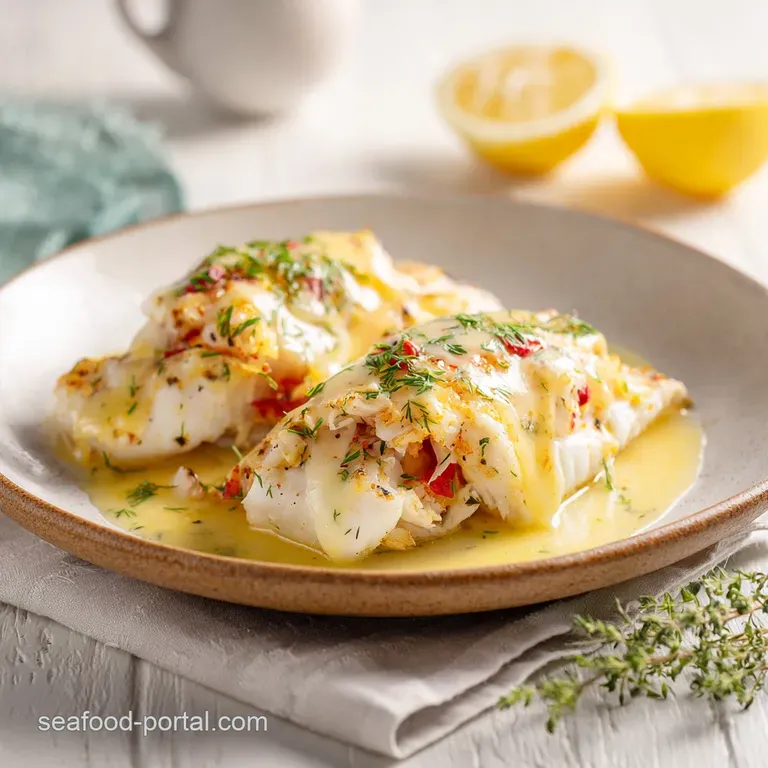
1. Prepare the Foundation
Lay the 4 flounder fillets out on a clean work surface. Pat them completely dry with paper towels on both sides. This is a non negotiable step. If the fish is wet, the stuffing will slide right out, and the fish won't brown. Season the fillets lightly with the 0.5 tsp sea salt and 0.25 tsp white pepper.
2. Fold the Imperial Stuffing
In a medium bowl, whisk together the 3 tbsp Greek yogurt, 1 large egg yolk, 1 tsp Dijon mustard, 1 tsp Old Bay, 2 tbsp parsley, and 0.5 tbsp of the lemon juice. Gently fold in the 1 lb jumbo lump crabmeat. Be careful not to break those big lumps!
Finally, stir in 0.25 cup of the Panko breadcrumbs to help bind everything together.
3. The "Roll and Tuck" Assembly
Divide the crab stuffing into four equal portions. Place one portion at the wider end of each fillet. Carefully roll the fish over the stuffing, moving toward the narrower tail end. Secure the seam with a toothpick. Place the rolls seam side down in a lightly oiled baking dish.
4. Prepare the Topping
Melt 1 tbsp of the butter and mix it with the remaining 0.25 cup of Panko breadcrumbs. Sprinkle this mixture generously over the top of each fish roll. This creates a protective "crust" that will sizzle and brown in the oven.
5. Create the Pan Sauce
In the bottom of the baking dish, pour the 2 tbsp dry white wine and the remaining 1 tbsp lemon juice. Add the 1 clove of minced garlic to the liquid. This creates a flavorful poaching environment that prevents the fish from drying out.
6. The over High heat Bake
Slide the dish into an oven preheated to 400°F (200°C). Bake 20 mins until the fish is opaque and the crumbs are golden and crackling. You will see the wine bubbling slightly at the base of the dish, which is exactly what you want.
7. The Finishing Touch
While the fish rests for 2 minutes, melt the remaining 2 tbsp of butter. Spoon the pan juices over the fish, then drizzle with the extra melted butter. Sprinkle with a little extra fresh parsley for a pop of color.
8. Final Inspection
Use an instant read thermometer to check that the center of the stuffing has reached 145°F. Remove the toothpicks carefully by twisting them slightly before pulling them out. Serve immediately while the crust is still shattering.
Fixing Common Stuffed Seafood Challenges
One of the biggest issues people face is the stuffing falling out during the cooking process. This usually happens because the binder wasn't strong enough or the fish wasn't rolled tightly. If your stuffing seems too loose before you roll it, add another tablespoon of panko.
It acts like a sponge, soaking up excess moisture and keeping the crab together.
Another common headache is the "soggy bottom" syndrome. If you find your fish is sitting in too much liquid, it might be because you didn't pat the fillets dry or the crabmeat wasn't drained properly. Always squeeze your crabmeat over a sieve before mixing it. If you're looking for a simpler version of this dish with fewer moving parts, check out my Stuffed Flounder Recipe.
Solving Texture and Moisture Problems
| Problem | Root Cause | Solution |
|---|---|---|
| Fish is rubbery | Overcooked beyond 150°F | Reduce cook time by 3 minutes next time; use a thermometer |
| Stuffing is dry | Not enough binder or fat | Add an extra teaspoon of Greek yogurt or a drizzle of butter |
| Crust won't brown | Oven temperature too low | Finish under the broiler for 60 seconds at the end |
Common Mistakes Checklist
- ✓ Squeeze all excess liquid from the crabmeat before mixing (prevents a watery filling)
- ✓ Pat the flounder fillets bone dry with paper towels (ensures the stuffing stays put)
- ✓ Don't over mix the stuffing; keep those jumbo crab lumps intact for texture
- ✓ Preheat your oven fully to 400°F before the fish goes in
- ✓ Remove toothpicks before serving to avoid a dinner table surprise
- ✓ Let the fish rest for 2-3 minutes after baking to allow the juices to redistribute
Creative Variations for Different Occasions
If you want to scale this down for a solo dinner or a quiet night for two, it's incredibly easy. Just halve all the ingredients. However, I still recommend using a small baking dish so the wine and lemon juice don't evaporate too quickly.
For larger parties, you can double the recipe, but work in two separate baking dishes. Crowding 8 fillets into one pan will lower the oven temperature and lead to steaming rather than roasting.
Adjusting for Dietary Needs
For a low carb version, swap the panko breadcrumbs for crushed pork rinds or almond flour. Almond flour provides a moisture rich but denser crumb than AP flour or breadcrumbs, but it still gets beautifully golden.
If you want to lean into the "Imperial" style often found in upscale steakhouses, add a dash of Worcestershire sauce and a pinch of cayenne pepper to the crab mixture.
If you are short on time, you can skip the rolling process entirely. Simply lay the fillets flat in the pan, pile the crab stuffing on top, and bake. You lose the "elegant roll" look, but the flavor remains identical, and you save about 10 minutes of fussy prep work.
This is a great "cheat code" for a busy Tuesday night when you still want a gourmet feel.
Proper Storage and Sustainable Kitchen Practices
Leftover stuffed flounder is a rare treat, but it needs to be handled carefully. Store any leftovers in an airtight glass container in the fridge for up to 2 days. To reheat, don't use the microwave it will turn the fish into a rubber tire.
Instead, place it in a 350°F (180°C) oven with a splash of water and cover it with foil until warmed through.
Sustainable Seafood Habits
Don't toss those parsley stems or the lemon rinds! I keep a "stock bag" in my freezer for seafood scraps. The lemon shells and parsley stems can be simmered with water and a few peppercorns to make a quick fish fumet for your next risotto.
If you have extra crab stuffing that didn't fit in the fish, form it into small patties and sear them the next morning for the best crab cake eggs benedict you've ever had.
Regarding the myths of frozen seafood: many people believe fresh is always better. In reality, "fresh" fish at the counter has often been sitting for days. high-quality flash frozen flounder is often "fresher" because it was processed within hours of being caught.
Don't be afraid of the freezer aisle; just make sure to thaw it slowly in the fridge overnight.
Vibrant Sides for a Balanced Plate
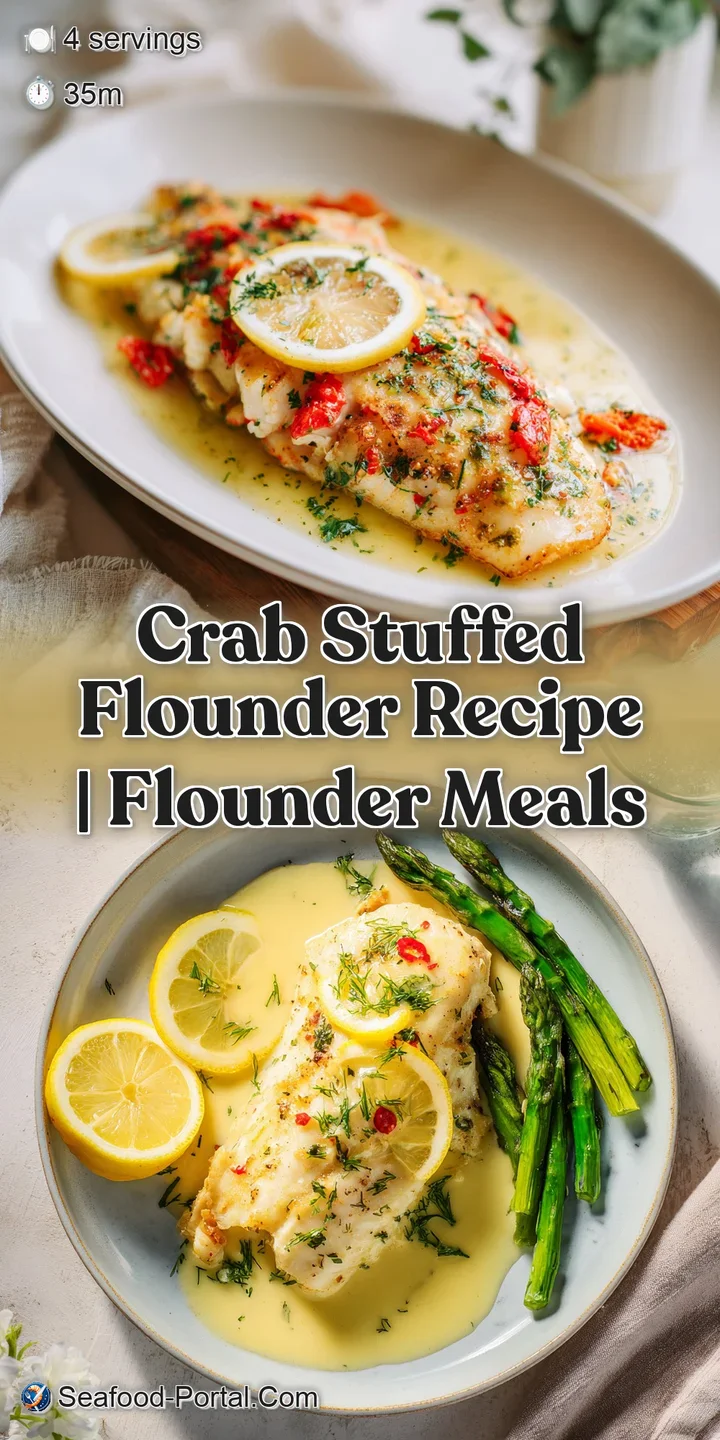
For a classic elegant dinner, I always serve this with a side of roasted asparagus or long stemmed broccolini. The snap of the green vegetables provides a great textural contrast to the soft fish. If you want something heartier, a light lemon herb risotto or even a simple Flounder Stuffed with recipe that includes breadcrumb heavy sides can work well.
Another fantastic pairing is a crisp arugula salad with a very light vinaigrette. The peppery bite of the arugula cuts through the buttery crab stuffing, refreshing your palate between bites.
Avoid heavy, creamy side dishes like mashed potatoes with lots of gravy; the flounder is already rich and buttery, so you want your sides to provide acidity and crunch to keep the meal feeling balanced.
High in Sodium
985 mg mg of sodium per serving (43% % of daily value)
The American Heart Association recommends limiting sodium intake to about 2,300mg per day for overall health.
Tips to Reduce Sodium in Your Flounder with Crab Recipe
-
Reduce Added Salt-25%
Eliminate or drastically reduce the 0.5 tsp of sea salt. Taste the dish after cooking, and add a pinch of salt only if needed. This can significantly lower the overall sodium content by approximately 25%.
-
Skip the Old Bay Seasoning-20%
Omit the Old Bay seasoning. While flavorful, it contains a significant amount of sodium. Consider using other spice blends instead, or making your own sodium free blend with paprika, celery seed, and pepper to save approximately 20%.
-
Check Crabmeat Sodium-15%
Look for fresh, never frozen crabmeat that is labeled 'low sodium' or 'no salt added.' This one ingredient can make a substantial difference. Rinse the crabmeat thoroughly before using it to help remove even more sodium. This can potentially reduce up to 15%
-
Enhance with Herbs & Spices
Instead of relying on salt, boost the flavor with fresh herbs like dill, chives, or tarragon. You can also experiment with garlic powder, onion powder, or a pinch of red pepper flakes for a more complex flavor profile.
Recipe FAQs
What sides go with crab stuffed flounder?
Asparagus or broccolini. Serving crisp, lightly dressed green vegetables or a peppery arugula salad balances the richness of the crab stuffing. Avoid heavy starches to keep the plate light and elegant.
What temperature do I bake stuffed flounder at?
Bake at 400°F (200°C). This medium high temperature ensures the Panko crust browns quickly while the internal temperature reaches the safe 145°F mark without drying out the delicate flounder.
What wine pairs with crab stuffed flounder?
Sauvignon Blanc or dry Pinot Grigio. The bright acidity and mineral notes in these white wines cut through the richness of the crab and butter sauce beautifully. A light, unoaked Chardonnay also works well as a complementary pairing.
What should I season flounder with?
Light salt, white pepper, and Old Bay seasoning in the filling. Season the fish exterior lightly before stuffing, but reserve most of the flavor for the crab mixture where Old Bay shines. White pepper is preferred to avoid black flecks in the light colored stuffing.
Why did my stuffed flounder turn out dry or rubbery?
It was overcooked, usually exceeding 150°F internally. Flounder cooks very quickly, so precision is key; use an instant read thermometer to pull it exactly at 145°F. If you enjoyed mastering the thermal control here, apply the same principle to prevent drying out poultry in our How to Bake recipe for perfectly cooked meats.
Can I use a different type of fish if flounder is unavailable?
Yes, sole or tilapia are suitable substitutes. Choose thin, mild, white fish fillets that can easily roll around the stuffing without tearing. Tilapia is firmer, so it might require a minute or two less cooking time than flounder.
What is the best type of crabmeat for the stuffing?
Jumbo Lump crabmeat is the best choice. Its large, intact chunks provide the best texture and a luxurious visual presentation when the fillet is sliced open. Ensure you squeeze out all excess moisture before mixing it into the binder.
Stuffed Flounder With Crabmeat
Ingredients:
Instructions:
Nutrition Facts:
| Calories | 437 calories |
|---|---|
| Protein | 60.5g |
| Fat | 16.7g |
| Carbs | 7.2g |
| Fiber | 0.6g |
| Sugar | 1.4g |
| Sodium | 985mg |
