Teriyaki Salmon: the Ultimate 20-Minute Sticky Glaze Recipe

- Sticky Teriyaki Salmon: The Ultimate 20 Minute Flavour Bomb
- The Science Behind This Perfect Teriyaki Salmon Glaze
- Essential Ingredients for Your Signature Teriyaki Sauce
- Mise en Place: Preparing Your Salmon and Sauce Components
- Step-by-Step: Crafting the Perfect Teriyaki Salmon Fillets
- Troubleshooting and Chef’s Secrets for Teriyaki Success
- Storing Leftover Teriyaki Salmon Safely
- What to Serve with Teriyaki Salmon: Essential Pairings
- Recipe FAQs
- 📝 Recipe Card
Sticky Teriyaki Salmon: The Ultimate 20 Minute Flavour Bomb
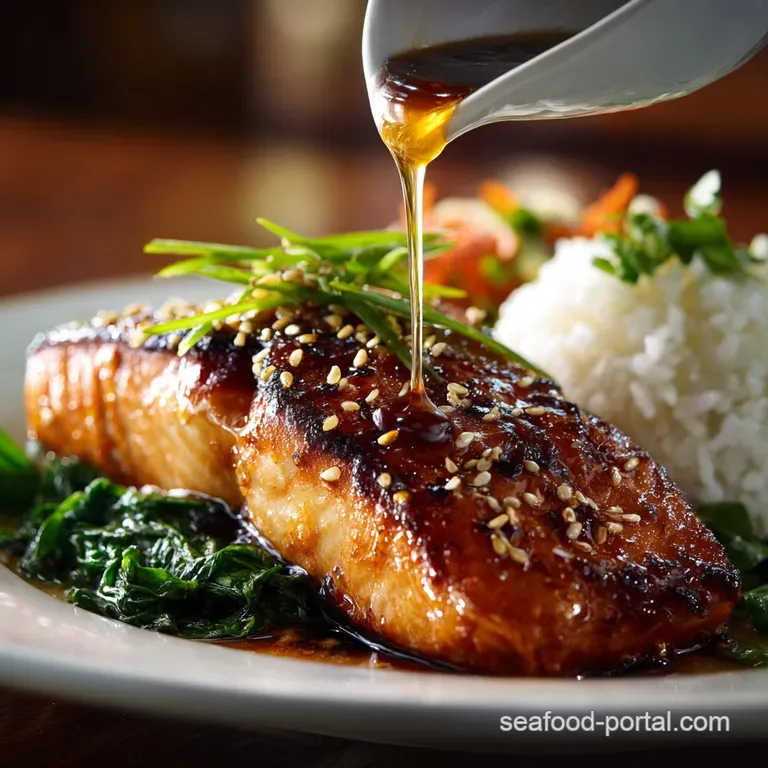
That smell when soy sauce, sugar, and fresh ginger hit a screaming hot pan? Seriously, it's the smell of weeknight victory. The thick, dark mahogany glaze sizzles against the crispy, golden salmon skin, creating a sweet savoury aroma that fills the whole kitchen.
It instantly signals that something spectacular, and unbelievably easy, is about to happen.
We all desperately need a hero recipe for those Tuesday nights when you get home and realize you have twenty minutes until complete starvation hits. This easy teriyaki salmon recipe is exactly that: fast, healthy, and tasting like something far more complicated than it is.
Forget those sad, watery takeout containers; we're making restaurant quality food right here, right now.
I wasted years messing around with thin, bottled sauces that just slid right off the fish and pooled sadly on the plate. Trust me, we’ve nailed the secret to the ultimate, thick, luscious glaze that absolutely clings to the salmon. Ready to skip the mistakes and learn the real world tricks that guarantee success?
The Science Behind This Perfect Teriyaki Salmon Glaze
The Secret to a True Sticky Glaze (No Thin Sauce Allowed)
The main differentiator in this recipe is the cornstarch slurry. Without this simple addition, you are just simmering sweetened soy sauce, which is tasty but disappointingly thin. We whisk cold water into the cornstarch first, then introduce it slowly to the simmering sauce base.
This rapid thickening creates that signature, syrupy viscosity that doesn't run off the fish; it grips it fiercely, just like glue.
Mastering the Japanese ‘Glaze Grill’ Technique at Home
Teriyaki literally translates to teri (luster or glaze) and yaki (grill or broil). While we might not be using a traditional Japanese grill, pan-searing the salmon and then quickly brushing it with the reduced glaze achieves the same effect beautifully.
We sear the salmon first to get that great skin texture, and only then do we apply the concentrated glaze to caramelize without burning the delicate sugar.
Why Salmon is the Perfect Teriyaki Canvas
Salmon is a wonderfully rich, fatty fish, which is a massive advantage when cooking at high heat. Its natural oils mean it can withstand the searing temperature needed to crisp the skin and caramelize the glaze without drying out instantly.
This inherent richness perfectly balances the aggressive, salty sweetness of the teriyaki glaze.
Achieving the Ideal Mahogany Colour (The Maillard Reaction)
That deep, appealing mahogany colour isn't solely thanks to the dark soy sauce; it's a result of the Maillard reaction. This chemical change occurs when the natural sugars (from the brown sugar and mirin) combine with the heat and the protein in the fish.
This is why the final quick brush and over low heat setting is absolutely non-negotiable. It seals in the flavour and creates that perfect, deep, sticky finish.
Balancing Sweetness (Mirin vs. Sugar)
Mirin, which is a sweet rice wine, adds a complex, slightly savoury sweetness that plain white sugar can never replicate. We use brown sugar for depth and honey for extra shine and stickiness, but the mirin keeps it squarely in the savory dinner category. If you want a brighter version, sometimes I play around with adding a little lime juice, especially when trying variations like my Salmon Bowls: Miso Ginger Glazed Recipe for Quick Healthy Dinner — it’s amazing.
The Quick Sear: Locking in Juices and Flavour
Searing the salmon skin side down first creates a protective crust that shields the delicate flesh from the pan's harsh heat. This technique locks in the majority of the juices, ensuring the fillet is unbelievably flaky inside while the exterior remains perfectly crisp.
Remember, if your fillet is too thick, you might need to finish it briefly in a warm oven.
Essential Ingredients for Your Signature Teriyaki Sauce
This sauce is beautifully simple, but achieving that depth of flavour means not skimping on quality or ingredients like fresh ginger. If you think you can skip the mirin, please reconsider it is the ingredient that truly makes this dish pop.
Mise en Place: Preparing Your Salmon and Sauce Components
Choosing the Right Cut of Salmon (Skin-On vs. Skinless)
Always go for skin-on fillets if you can find them, seriously. The skin protects the flesh, prevents overcooking, and gives you that glorious crispy texture that contrasts beautifully with the sticky sauce. If you must use skinless fillets, just reduce your searing time by about 60 seconds and be mindful of the heat.
Decoding Soy Sauce: Light, Dark, and Tamari Swaps
I always grab the low-sodium soy sauce because the glaze reduces so dramatically, concentrating the salt incredibly fast. If you need a strict gluten-free option, Tamari is the perfect 1:1 replacement; it’s slightly richer and works beautifully in this recipe.
The Role of Sake and Mirin in Authenticity
Sake, the dry cooking wine, adds a necessary savoury sharpness and complexity that is classic teriyaki. Mirin is sweet rice wine and is fundamental for that traditional flavour profile, providing both the required sweetness and that beautiful, desirable luster ( teri !).
Detailed Measurement Chart (Metric & Imperial)
(See recipe card for measurements.)
Quick Fixes: Ingredient Substitutions for Missing Items
Don’t panic if you’re missing a specialty item; we are home cooks, not laboratory chemists! Here are my trusted swaps, learned from years of last minute kitchen raids.
| Missing Ingredient | Use This Instead | Why? |
|---|---|---|
| Mirin | Dry sherry or white wine (add a pinch more sugar) | Provides similar fermented, acidic depth. |
| Sake | Omit entirely, or use dry white wine | It adds nuance, but skipping it won't ruin the core teriyaki flavour. |
| Brown Sugar | Granulated white sugar + 1/2 tsp molasses | This mimics the complex, caramel flavour of brown sugar. |
| Fresh Ginger | 1/4 tsp ground ginger powder | Use much less powdered spice, as it is highly concentrated. |
step-by-step: Crafting the Perfect Teriyaki Salmon Fillets
Step 1: Reducing the Glaze to Syrup Consistency
Combine all glaze ingredients (minus the cornstarch slurry) in a small saucepan and bring the mixture to a low simmer. Let this gently reduce for about three minutes, stirring until the sugar is completely dissolved.
Once simmering, whisk your cornstarch slurry until it’s smooth and quickly stream it into the hot sauce, whisking constantly. Continue simmering for about 60 seconds until the sauce noticeably thickens and coats the back of a spoon; it should look like thin syrup.
Step 2: Pan-Searing the Salmon to Crispy Perfection
This step is critical: get your heavy bottomed skillet screaming hot with the over high heat oil. Pat your salmon fillets bone dry I mean, use three paper towels if you have to.
Place them carefully in the hot pan, skin side down, pressing down gently with a spatula for the first few seconds to ensure maximum contact with the pan. Don't touch them again for 4 to 5 minutes, waiting until the skin is deeply golden and crispy, and the colour of the flesh is opaque about halfway up the fillet.
Chef's Note: If you want truly incredible, next level crispy skin, try the technique from my Sockeye Salmon Recipe: Crispy Skin Pan-Seared with Brown Butter — it involves temperature control, and it's life changing.
Step 3: The Glazing Process (Brushing vs. Dousing)
Flip the salmon fillets and cook the flesh side for just 1 to 2 minutes to finish cooking through. Now, here’s the trick: turn off the heat entirely or remove the pan from the burner.
Generously spoon or brush the thick teriyaki glaze over the top and sides of the fillets; you want full, glossy coverage. Applying the glaze off the direct heat prevents the high sugar content from scorching instantly, which is the most common teriyaki mistake I used to make!
Step 4: Resting the Fish for Optimal Flaky Texture
Transfer the glazed fish to serving plates immediately. Let it rest for two minutes. Resting allows the internal heat to redistribute, keeping the muscle fibres moist and guaranteeing that beautiful, flaky texture when you finally dig in.
Drizzle any remaining glaze from the skillet over the top, and finish with a sprinkle of toasted sesame seeds and fresh green onions.
Troubleshooting and Chef’s Secrets for Teriyaki Success
Common Mistake: Why Your Sauce Isn't Sticking
If your teriyaki sauce is runny, it means you either didn't cook it long enough after adding the slurry, or you added the cornstarch directly to the hot liquid (hello, lumps!). The fix is simple: return the sauce to the saucepan, bring it back to a gentle simmer, and whisk in a tiny extra slurry (1/2 tsp cornstarch + 1/2 tsp cold water).
Whisk it quickly until that lovely, sticky consistency returns.
Ensuring the Salmon is Cooked Through (The Flake Test)
The absolute easiest way to avoid dry salmon is using an instant read thermometer; aim for 145°F (63°C) internal temperature. If you don't have one, press lightly on the thickest part of the fillet with a fork or your finger. It should separate easily into large, moist flakes without feeling rubbery or mushy.
Quick Fix: Rescuing an Over Reduced Glaze
Did you get distracted and now your beautiful glaze is sticky cement? Don't toss it. Pour 1 to 2 tablespoons of hot water or, even better, a splash of sake, into the saucepan. Whisk vigorously over low heat until the liquid dissolves the hardened sugars and it returns perfectly to a thick, syrupy consistency.
Storing Leftover Teriyaki Salmon Safely
Refrigeration Guidelines and Shelf Life
Cooked teriyaki salmon must be stored in an airtight container and refrigerated within two hours of cooking. It keeps perfectly well for 3 to 4 days, though I find it's best eaten within two. When reheating, avoid the microwave at all costs it dries the fish out instantly.
Instead, warm it gently in a pan over low heat or in a 300°F (150°C) oven until warmed through.
Can You Freeze Cooked Teriyaki Salmon?
But does it freeze well? You bet, though be warned the texture changes slightly when thawed. Wrap individual fillets tightly in plastic wrap, then place them in a heavy duty freezer bag. It is best used within 2 3 months. Thaw overnight in the fridge and reheat low and slow. If you have extra leftover pieces, turning them into my Salmon Cakes Recipe Easy: Ultra Crispy Pan-Seared Lemon Dill is always a smart and delicious move.
What to Serve with Teriyaki Salmon: Essential Pairings
Complementary Side Dishes (Rice, Noodles, Greens)
This sticky, sweet savoury flavour pairs perfectly with simple, clean starches and refreshing greens. I almost always serve it atop a generous mound of perfectly fluffy rice because it soaks up every drop of that beautiful glaze left on the plate.
Steamed edamame, blanched asparagus, or a simple Asian inspired slaw are also excellent choices. You need something crisp and cool to cut the richness of the fish and the intense sweetness of the glaze.

Recipe FAQs
Why is my Teriyaki Salmon dry and tough?
Dryness is almost always caused by overcooking the fillet. Ensure the internal temperature reaches exactly 145°F (63°C) using a meat thermometer inserted into the thickest part of the fish.
Remove the salmon from the heat slightly before hitting 145°F, as carry over heat will complete the cooking process while it rests.
How do I ensure my teriyaki glaze is thick and sticky, not watery?
The key to a truly sticky glaze is reduction and thickening agents. Allow the sauce mixture to simmer vigorously until it visibly coats the back of a spoon before using it on the fish.
If it still seems thin, stir in a cornstarch slurry (1 teaspoon cornstarch mixed with 2 teaspoons cold water) during the last minute of simmering.
I don't have mirin. What is a good substitute for the teriyaki sauce?
Mirin provides crucial sweetness and depth to the classic teriyaki flavor profile. You can substitute it with dry sherry or dry white wine combined with a small amount of sugar. Alternatively, use rice vinegar mixed with a touch of honey or maple syrup for sweetness.
Can I bake or grill the salmon instead of searing it in a pan?
Yes, both methods work wonderfully. For baking, preheat your oven to 400°F (200°C) and bake for 12 15 minutes, brushing the glaze onto the fish only during the last 5 minutes of cooking. When grilling, apply the glaze generously after the first flip to prevent burning the sugars.
How should I store leftover Teriyaki Salmon and can I freeze it?
Leftover salmon should be stored tightly sealed in the refrigerator and consumed within 3 to 4 days. While technically safe, freezing cooked fish often results in a significantly compromised texture upon thawing.
When reheating, use a low oven setting (around 275°F / 135°C) covered with foil to keep the moisture sealed in.
Should I remove the skin before cooking? How do I get crispy skin?
Keep the skin on; it helps the fillet hold its shape and protects the delicate flesh from the pan's direct heat. To achieve crispy skin, sear the salmon skin side down in hot oil for 70-80% of the total cooking time, only applying the glaze right before serving to avoid softening the crisp texture.
Can I use this specific teriyaki glaze recipe for other proteins, like chicken or tofu?
Absolutely, this is a versatile glaze that works beautifully with chicken, pork, or tofu. When using chicken thighs, marinate them for at least 30 minutes before cooking for maximum flavor penetration. For tofu, pan-fry the cubes until golden brown, then toss them in the thickened sauce just before serving.
Sticky Teriyaki Salmon Recipe
Ingredients:
Instructions:
Nutrition Facts:
| Calories | 276 kcal |
|---|---|
| Protein | 29.0 g |
| Fat | 10.0 g |
| Carbs | 13.0 g |
