Miso Salmon: Sticky Ginger Glaze for Easy Dinners

- Welcome to Your New Favorite 30 Minute Dinner: Sticky Miso Salmon
- The Science of Umami: How Miso and Ginger Create the Ultimate Glaze
- Building the Marinade: Essential Ingredients for the Best Miso Salmon
- Preparing and Cooking Your Glazed Salmon Fillets (The Main Method)
- Mastering the Cook: Expert Tips for Perfect Miso Glazed Salmon
- Storage Solutions: Keeping Your Cooked Salmon Fresh
- Complete the Meal: Ideal Sides and Pairings
- Recipe FAQs
- 📝 Recipe Card
Welcome to Your New Favorite 30 Minute Dinner: Sticky Miso Salmon
Stop what you are doing and take a virtual sniff. Can you smell that? It's the intensely savory, slightly sweet, caramelizing aroma of baked salmon, slicked with a sticky, complex glaze. This is the Miso Salmon experience, and it's absolutely divine.
I get it: weeknights are chaotic. You need something fast, healthy, and cheap that doesn't taste like regret. This dish is my ultimate culinary lifeline; it delivers a flavor profile usually reserved for fancy Japanese restaurants, but requires minimal effort, zero complicated techniques, and just a few pantry staples.
Trust me, this isn't just another fish recipe. This is the ultimate guide to making truly spectacular, fool proof Miso Salmon at home the kind that makes you wonder why you ever bothered ordering takeout. Let's crack on!
The Science of Umami: How Miso and Ginger Create the Ultimate Glaze
This isn't just about flavour; it's about chemistry. When you cook this particular glaze, something magical happens. The high protein content in the miso paste, combined with the sugars from the honey or maple syrup, reacts instantly with the heat.
This process, known as the Maillard reaction, creates the glorious, deeply savory, golden brown crust we are chasing.
The Saikyo Yaki Secret: Why Miso Glaze is Superior
Traditional Saikyo Yaki involves marinating fish in white miso for days sometimes up to a week to let the flavor permeate deeply. We don't have time for that, right?
Instead, we harness the power of fresh ginger and acidic liquids like sake and mirin, which act as flavor accelerators, penetrating the flesh of the salmon much faster. This Quick Glaze Miso Salmon delivers 90% of the traditional flavour in less than an hour, making it the perfect Easy Miso Salmon Dinner.
What Makes This Recipe So Quick?
We are using a moderately high oven temperature (400°F/200°C) coupled with a quick blast under the broiler (grill). This technique cooks the thick fillets quickly while forcing the glaze to caramelize, ensuring the fish stays succulent and moist inside.
The speed of this Miso Salmon Recipe is genuinely shocking compared to its flavour payoff.
Equipment Check: What You Need Before You Start
You don't need specialized gear here. A simple mixing bowl is required for the marinade. Make sure you have a sturdy sheet pan (a baking tray) and, critically, line it with parchment paper or foil. Seriously, do not skip lining the pan.
Miso is sticky when cooked and clean-up will be a nightmare otherwise!
Achieving the Perfect Sticky, Caramelized Crust
The secret to that intensely sticky crust on our Miso Salmon lies in the timing. The last few minutes under the broiler transform the sugary marinade from a glaze into pure caramel.
You must watch it like a hawk during those final 60 seconds; moving it up close to the heat source is essential for maximizing that intense flavour concentration.
Balancing the Three Flavors: Sweet, Salty, and Acidic
Miso is incredibly salty and savory (umami). We use honey or maple syrup to provide the sweetness necessary for caramelization. Then, the sake and mirin introduce a slight acidity and depth, cutting through the richness of the salmon fat.
This meticulous balance is why this specific Miso Salmon Marinade doesn't just taste good , it tastes complex.
Nutrient Breakdown: The Health Benefits of Salmon Fillets
Let’s not forget why we chose salmon. It’s a powerhouse of Omega-3 fatty acids, which are fantastic for your brain and heart. Making Healthy Miso Salmon at home means you control the ingredients, ensuring a massive dose of healthy fats alongside that incredible umami flavour. Win-win, if you ask me.
Building the Marinade: Essential Ingredients for the Best Miso Salmon
The marinade is the heart and soul of this Japanese Salmon Dish. Everything hinges on getting these proportions right. Don't be afraid to taste and adjust before you add the fish!
| Ingredient | Role | Smart Swap/Alternative |
|---|---|---|
| White Miso Paste | Umami base, texture | Yellow miso (use less soy sauce) |
| Honey | Sweetener, caramelization | Maple syrup or agave nectar |
| Sake | Depth, tenderizer | Dry sherry or white wine |
| Mirin | Sweet rice wine, glaze | Rice vinegar + sugar (3:1 ratio) |
| Fresh Ginger | Sharpness, aroma | 1 tsp quality ginger paste |
Decoding Miso Paste: White vs. Red Options
When making Baked Salmon Recipes like this, always reach for White Miso (Shiro Miso) if you can. It’s lighter, sweeter, and less intensely salty than its darker counterparts (like Red or Barley Miso). Using a delicate miso allows the ginger and the sweet glaze to shine through.
If you only have Red Miso, be sure to reduce the amount of soy sauce in the recipe to avoid an overwhelming salty hit.
Ingredient Spotlight: Fresh Ginger vs. Ginger Paste
You need real, fresh ginger here. Peel it, grate it finely, and you'll get that bright, pungent, essential aromatic lift. I once tried using dried ginger powder in a Sticky Ginger Miso Salmon recipe because I was lazy. Massive mistake. It tasted dusty and flat.
The oil and moisture from fresh ginger are non-negotiable for achieving that vibrant flavour profile.
Smart Swaps: Alternatives for Sweeteners and Liquids (Sake/Mirin)
I know not everyone keeps sake and mirin in the pantry. That’s totally fine! For the liquids, you want to mimic the sweet, slightly alcoholic depth. If you are missing both, use 3 tablespoons of rice vinegar and stir in 1 tablespoon of sugar until dissolved.
For the sweetener, maple syrup works just as well as honey; it's a great choice if you need a vegan Miso Salmon Glaze.
Preparing and Cooking Your Glazed Salmon Fillets (The Main Method)
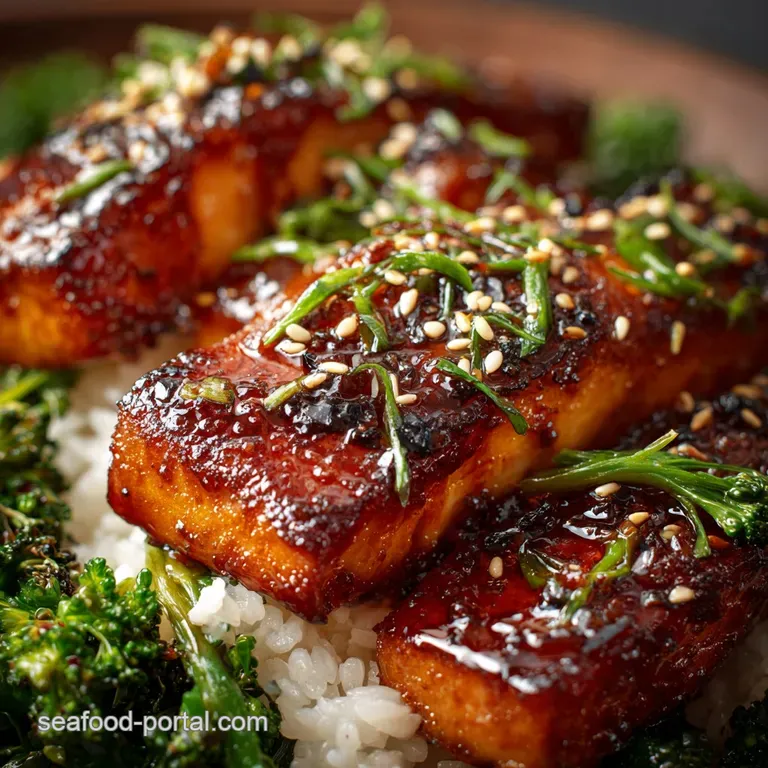
This method focuses on the oven for maximum caramelization and easy clean-up.
Preparing the Fillets: Skin-On vs. Skin Off Prep
I prefer skin-on fillets for my Miso Salmon. Why? The skin acts as a built-in protective layer, insulating the delicate fish flesh and keeping it moist. However, if you prefer skinless, the cooking time remains essentially the same.
Crucially, whether skin-on or skin off, you must pat the fillets dry before they even see the marinade. Dry fish absorbs flavor better and glazes beautifully.
Mixing the Marinade and Ideal Marination Time
Whisk all the marinade ingredients together until the miso is fully incorporated no lumps allowed! Submerge the fillets. Unlike red meat, fish is delicate, so we want short marination times. Thirty minutes is ideal for this Miso Salmon Marinade to sink in and enhance the flavor.
You can push it to four hours if you are prepping ahead, but don't go longer than that, or the delicate proteins start to break down (a process called denaturation, which makes the fish mushy).
Glazing and Cooking: Stove, Oven, or Air Fryer Method
While the oven (followed by the broiler) gives the best, most even caramelization, I know some folks prefer alternative methods.
- Air Fryer Method (Miso Salmon Air Fryer): Set the air fryer to 380°F (195°C). Cook for 8- 10 minutes, depending on thickness. You’ll get a great crust, though maybe not as deep a caramelization as the broiler provides.
- Stovetop: You can achieve a fantastic result in a pan. If you love a crisp skin, check out my full guide on Crispy pan-fried Salmon: Restaurant Quality Skin, Brown Butter Glaze . Sear skin side down first, then finish with a lid to steam the top.
Reducing the Remaining Glaze for Maximum Stickiness
If you are obsessed with stickiness (like me), you can quickly reduce the used marinade— BUT ONLY IF YOU BOIL IT VIGOROUSLY. If you boil the reserved marinade for 3- 5 minutes, it becomes a safe, thick, syrupy sauce to drizzle over rice.
Discard it if you are squeamish about potential cross contamination.
Chef's Note: If you want a quick, flavor packed side dish, use the sticky reduction to coat blanched broccoli or green beans right before serving this amazing Miso Salmon.
Mastering the Cook: Expert Tips for Perfect Miso Glazed Salmon
Getting the timing right is the difference between dry, chalky fish and moist, perfect fillets.
Avoiding the #1 Mistake: Preventing Miso from Burning
This is the most common failure point for home cooks making Miso Salmon . Miso contains sugar and will scorch rapidly under high heat. Before baking, you must scrape off all thick, excess marinade until the fillet is covered only in a thin, shiny layer.
This thin layer is enough to caramelize beautifully without turning bitter.
Checking for Doneness: The Flake Test
Salmon is done when it flakes easily in the thickest part of the fillet. It should be opaque pink throughout, with perhaps a very small, translucent strip in the absolute middle. Use a meat thermometer if you want total certainty; 145°F (63°C) is the target internal temperature.
I find that 12 minutes in the oven, plus 2 minutes under the broiler, is usually perfect for a standard one-inch fillet.
The Best Way to Handle Leftover Marinade
As mentioned, boiling the glaze is technically safe, but I prefer not to risk it if I’m having guests. Instead, if I want extra miso flavor, I make a fresh, small batch of glaze (miso, water, and honey) and reduce that separately to use as a clean finishing sauce.
Never reuse uncooked marinade that has touched raw fish.
Storage Solutions: Keeping Your Cooked Salmon Fresh
Safely Storing Leftovers in the Fridge
Cooked Miso Salmon stores quite well. Place the cooled fillets in an airtight container immediately and refrigerate them. They are best consumed within 3 days. Beyond that, the fish tends to dry out and the flavor degrades.
Reheating Miso Salmon Without Drying It Out
Reheating fish is always a gamble, isn't it? My preferred method for leftover Miso Salmon is the oven or air fryer. Wrap the fillet tightly in foil with a tiny splash (about a teaspoon) of water or sake added to the package.
Reheat at a low temperature, around 275°F (135°C), for 10- 12 minutes until warmed through. The moisture prevents that sad, dry outcome.
Can You Freeze the Cooked Dish?
Yes, you can freeze cooked Miso Salmon, but I generally advise against it if perfection is the goal. Freezing and thawing changes the texture of the fish, making it softer and slightly mushy. If you must freeze it, wrap it very tightly in plastic wrap, then foil, and thaw overnight in the fridge. Use it primarily for flaked salmon applications, like turning it into a fantastic Salmon Poke Bowl Recipe: Easy, Fresh Taste of Aloha .
Complete the Meal: Ideal Sides and Pairings
This Sticky Ginger Miso Salmon is rich and savory, so it pairs perfectly with crisp, light, or slightly acidic sides.
- Simple Steamed Rice: The classic accompaniment.
- Japanese Cucumber Salad: Thinly sliced cucumbers mixed with a dressing of rice vinegar, sesame oil, and a touch of sugar.
- Green Beans or Asparagus: Steamed or quickly sautéed with a squeeze of lemon.
- Ramen Twist: If you have some broth on hand, you could even slice this Miso Salmon and place it on top of a quick homemade ramen it works brilliantly with a ginger broth like the one I use in my Quick Homemade Ramen: 20 Minute Miso Ginger Broth .
Honestly, once you taste this incredible Miso Salmon , you’ll never look at your weeknight dinner routine the same way again. It’s flavor, speed, and elegance, all wrapped into one ridiculously easy package. Go make it!
Recipe FAQs
What kind of miso paste should I use for this recipe?
We recommend using Shiro (white) miso paste. It is the mildest and sweetest variety, which allows the subtle ginger and sweetness of the glaze to shine without overpowering the salmon's delicate flavor profile. Avoid using dark red (Aka) miso as it tends to be too salty and potent for fish.
How do I prevent my miso salmon from drying out while cooking?
The key to moist salmon is monitoring the internal temperature; it should reach 145°F (63°C) and no higher. Because this glaze contains sugar, we suggest tenting the fish loosely with foil during the majority of the baking time, removing it only for the final 3-5 minutes to achieve that sticky caramelization.
Do I need to marinate the salmon overnight for maximum flavor?
While traditional recipes sometimes call for overnight marination, this quick glaze version only requires 30 minutes to 4 hours for excellent flavor penetration. Marinating for much longer than 6 hours can risk “curing” the fish due to the salt content in the miso, leading to a tougher texture when cooked.
Can I use a different fish instead of salmon?
Yes, this powerful miso and ginger marinade works wonderfully with other firm, fatty fish varieties. Excellent substitutes include black cod (sablefish), thick cut halibut, or sea bass, though you may need to adjust the cooking time slightly for thicker fillets.
My glaze burned before the fish was cooked through, what went wrong?
Burning usually indicates the glaze was exposed to direct high heat for too long, especially if you used the broiler setting early on. To fix this, reduce the oven temperature by 25°F or ensure the rack is positioned further from the heating element, and always monitor closely during the final glazing steps.
How should I store leftover Sticky Miso Salmon?
Store any cooked and cooled leftovers in an airtight container in the refrigerator for up to 3 days. For reheating, gently warm the salmon in a 300°F oven for about 10 minutes or use an air fryer, as microwaving tends to dry the delicate fish out quickly.
Can I prepare the glaze ahead of time?
Absolutely, the miso glaze mixture can be prepared and stored in an airtight container in the refrigerator for up to a week. This makes weeknight cooking even faster, as you can simply apply the glaze right before you are ready to bake the salmon.
Sticky Ginger Miso Salmon Recipe
Ingredients:
Instructions:
Nutrition Facts:
| Calories | 524 kcal |
|---|---|
| Protein | 43.3 g |
| Fat | 26.0 g |
| Carbs | 26.0 g |
