The Ultimate Sticky Brown Sugar Soy Glazed Salmon
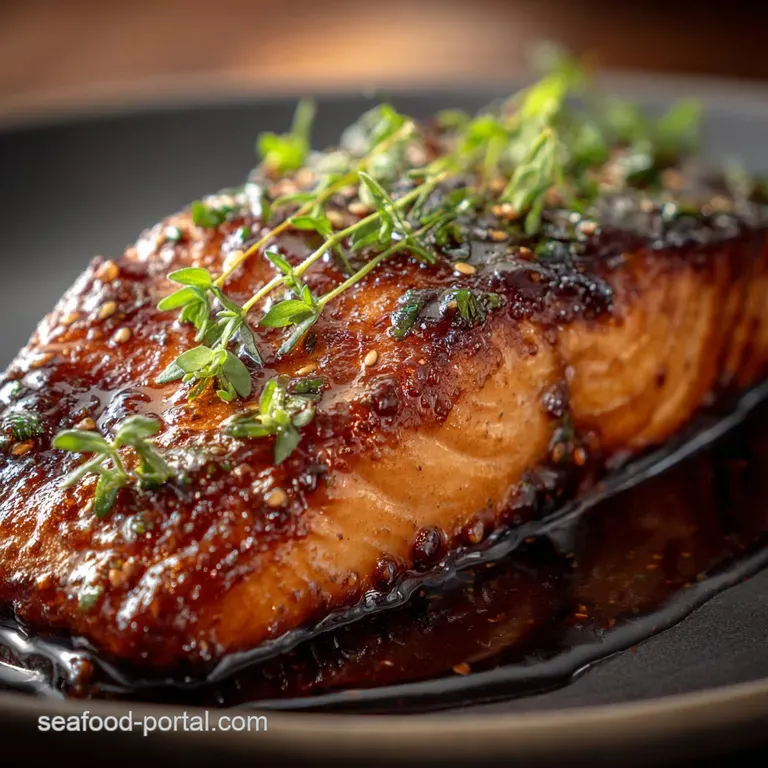
- Why This Brown Sugar Glazed Salmon Recipe Is a Weeknight Winner
- The Secret to a Deeply Caramelized, Sticky Glaze
- Essential Components for the Signature Sticky Glaze
- Selecting the Perfect Salmon Fillets and Equipment
- Mastering the Cook: Step-by-Step for Flaky Fish
- Prepping the Fish and Mixing the Ultimate Brown Sugar Glaze
- Serving Suggestions and Complementary Side Dishes
- Troubleshooting and Storing Leftover Brown Sugar Glazed Salmon
- Recipe FAQs
- 📝 Recipe Card
Why This Brown Sugar Glazed Salmon Recipe Is a Weeknight Winner
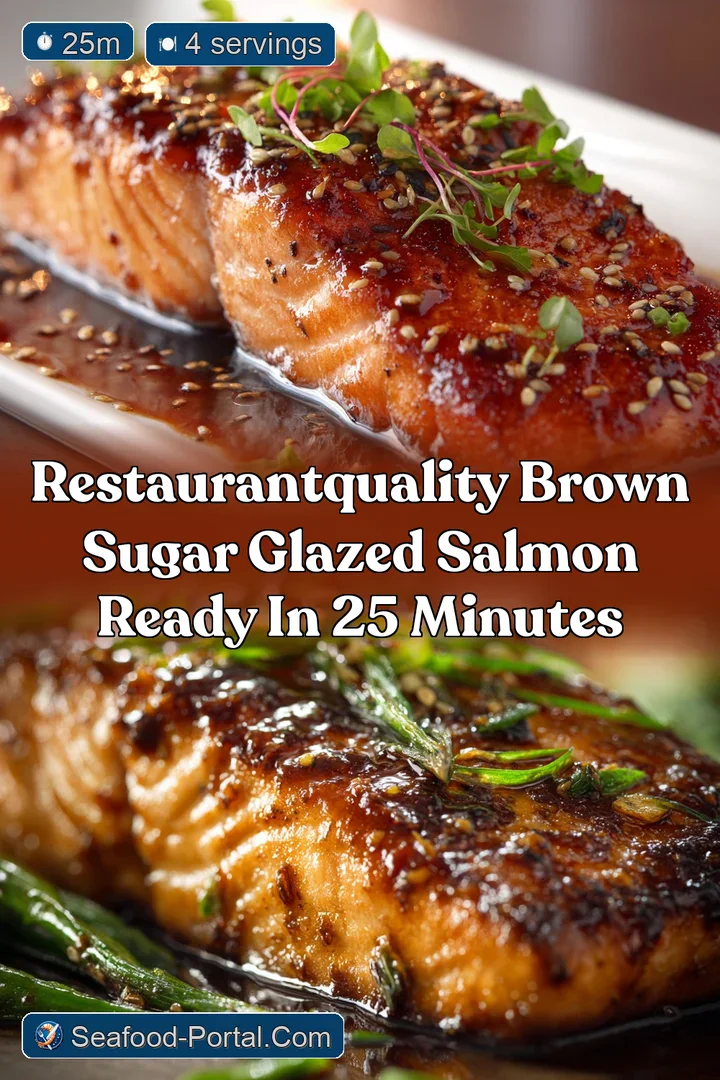
This Brown Sugar Glazed Salmon is more than just a quick meal; it's a guaranteed showstopper that proves elegance doesn't require hours in the kitchen. In an era where flavor often means lengthy preparation, this dish cuts straight to the chase, delivering a deeply complex, restaurant quality main course in under 25 minutes.
It perfectly embodies the characteristics of great Quick Salmon Recipes . The entire process, from mixing the glaze to serving the flaky fillets, is simple and straightforward, making it the quintessential Simple Baked Salmon preparation.
This particular brown sugar glazed salmon recipe strikes the ideal balance: the rich omega-3 fats of the fish provide a substantial foundation for the sweet, tangy, and slightly spicy caramel crust.
For busy cooks seeking a nutritious and satisfying meal, this is the definitive Healthy Salmon Dinner .
The Secret to a Deeply Caramelized, Sticky Glaze
Achieving that irresistible, sticky, candy like crust is the defining feature of great Salmon Recipes With Brown Sugar . The secret lies not just in the sugar content, but in using a complex blend of pantry staples that balance the sweetness with crucial acidity and savory depth.
We rely on the natural properties of dark brown sugar to caramelize beautifully under high heat, forming a glossy shell that locks in the moisture of the fish.
Speed vs. Flavor: How We Achieve Both
Maximum flavor extraction in minimal time is accomplished by pre-cooking the glaze. Instead of brushing a raw marinade onto the fish, we create an immediate flavor concentration. We take just 10 minutes to combine the glaze components in a small saucepan, melting the half cup of dark brown sugar with the liquid elements over medium heat.
This rapid simmer ensures all the flavors sweet, acidic, and savory are fully dissolved and integrated before they even touch the salmon, allowing the cooking time (just 12 to 15 minutes in total) to focus purely on baking the fish to flaky perfection.
Defining the Perfect Glaze Texture
The consistency of the glaze is vital for proper adherence and caramelization. We aim for a mixture that is slightly reduced and viscous enough to coat the back of a spoon, preventing it from immediately running off the fillets during the initial bake.
After combining the ingredients, allowing the mixture to lightly simmer for 3– 5 minutes achieves this essential slight thickening. This viscosity ensures that when the glaze is applied, it creates a thick shell that turns into that signature glossy, sticky crust during the final broil.
Elevating Simple Pantry Staples
The depth of flavor in this Brown Sugar Soy Sauce Salmon goes far beyond mere sweetness. The complexity is amplified by adding 1 tablespoon of Apple Cider Vinegar (ACV), which cuts through the richness of the dark brown sugar and the oiliness of the salmon, preventing the glaze from tasting flat or overwhelmingly sweet.
Further dimension is added by the inclusion of 1 teaspoon of smooth Dijon mustard and a pinch of cayenne pepper, which introduce savory warmth and a necessary subtle kick of heat that contrasts exquisitely with the brown sugar’s molasses notes.
Essential Components for the Signature Sticky Glaze
The foundation of this exceptional glaze relies on four key components: sweet, salty, acidic, and aromatic. For sweetness, we use a generous half cup of packed dark brown sugar for its deep molasses flavor, which caramelizes better than lighter varieties.
The saltiness and umami come from a quarter cup of low-sodium soy sauce. To balance these strong notes, 1 tablespoon of Apple Cider Vinegar provides the essential tang. Finally, the aromatic layer is built using one finely minced fresh garlic clove and half a teaspoon of ground ginger, coupled with a quarter teaspoon of freshly ground black pepper to tie the flavors together.
A mere two tablespoons of water are added initially to aid in the dissolving process, helping us achieve the perfect initial consistency before the reduction phase.
Selecting the Perfect Salmon Fillets and Equipment
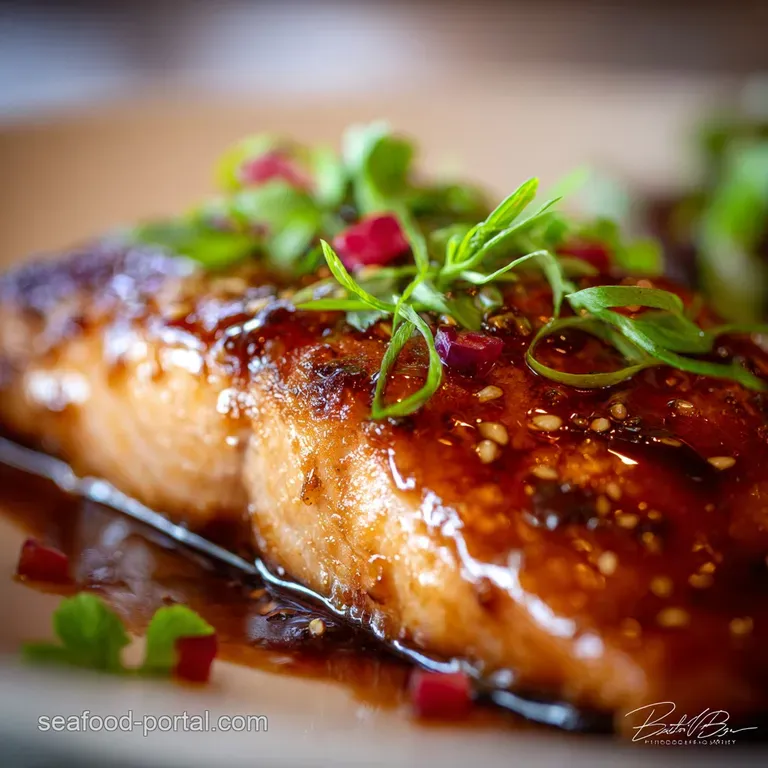
Choosing the right cut and using the proper tools are critical to ensuring the cooking process is seamless and the cleanup manageable, especially when dealing with a notoriously sticky glaze.
Which Cut of Salmon Works Best?
We recommend four individual salmon fillets, each approximately 6 ounces (170g). While skin-on or skin off both work, skin-on fillets are often preferred as the skin acts as a barrier, helping to keep the fish moist and preventing the flesh from sticking to the parchment paper, regardless of how sticky the brown sugar glazed salmon baked preparation becomes.
Crucially, regardless of the cut chosen, the fillets must be patted completely dry with paper towels before seasoning, ensuring optimal adherence of the glaze and promoting crisp edges.
The Role of Soy Sauce and Its Substitutions
Low-sodium soy sauce is central to the savory profile of this dish, providing the necessary depth and salt. It works in tandem with the dark brown sugar to create the classic Brown Sugar Soy Sauce Salmon flavor profile.
For those requiring a gluten-free option, Tamari is a perfect direct substitution. Alternatively, coconut aminos can be used for a slightly less intense flavor, slightly modifying the nutritional content toward a leaner sodium profile.
Must Have Kitchen Tools for Glazing Success
Two pieces of equipment are absolutely mandatory for stress free preparation: a small saucepan for preparing the glaze and a baking sheet meticulously lined with parchment paper or a silicone mat. The intense stickiness inherent to working with sugar means that skipping the lining step guarantees a difficult cleanup.
Plus,, a quality pastry brush is essential for uniformly coating the fillets with the thick, sticky glaze before and during the baking process. An instant read thermometer is also highly recommended to confirm the fish reaches its safe internal temperature of 145° F ( 63° C) without overcooking.
Quick Guide to Ingredient Preparation (Mise en Place)
Efficiency is key to maintaining the 25-minute total time. Your mise en place should take just 10 minutes. Begin by mincing the garlic clove and measuring all the dry ingredients (brown sugar, ginger, peppers) and liquids (soy sauce, ACV, water).
Once the glaze ingredients are combined in the saucepan, focus on prepping the fish: pat the four fillets dry, and season them lightly with sea salt and black pepper before brushing them with 1 tablespoon of olive or vegetable oil.
Related Recipes Worth Trying
- Elegant Creamy Garlic Salmon and Shrimp Quick Dinner — This easy Salmon and Shrimp recipe features panseared crispy skin salmon smothered in a rich garlicky dill cream sauce A stunning quick dinner idea ready in...
- MapleKissed Cedar Plank Salmon Recipe Smoky Grill Perfection — Get that irresistible smoky flavour This foolproof cedar plank salmon recipe uses a MapleDijon glaze and indirect heat for juicy results Perfect for the grill
- 15Minute Garlic Butter Salmon Steak Crispy Skin PanSeared Recipe — This panseared Garlic Butter Salmon Steak is an absolute corker of a weeknight meal Get incredibly moist flaky fish and goldencrisp skin in under 15 minutes...
Mastering the Cook: step-by-step for Flaky Fish
The method we employ baking followed by a final, intense broil is designed to deliver salmon that is flawlessly tender inside while boasting a deeply caramelized crust outside.
Prepping the Fish and Mixing the Ultimate Brown Sugar Glaze
The success of the final dish hinges on the precise preparation of both the glaze and the salmon fillets.
Phase 1: Achieving the Perfect Glaze Consistency
Start by making the glaze. Combine the dark brown sugar, soy sauce, water, ACV, Dijon mustard, garlic, ginger, pepper, and cayenne in a small saucepan. Heat over medium until the sugar dissolves completely, then simmer gently for 3– 5 minutes until it thickens slightly.
Once removed from the heat, immediately reserve two tablespoons of this mixture. This reserved glaze is crucial; it will be used uncooked at the very end to provide a fresh, glossy finish and a burst of vibrant flavor.
Phase 2: Cooking Methods for Crispy Edges (Grill vs. Oven)
Preheat your oven to 400° F ( 200° C). Place the seasoned fillets on the lined baking sheet. Brush a generous initial layer of the main glaze mixture over the top and sides of each fillet. Bake for 8 minutes.
After the initial bake, remove the tray, brush on a second, more liberal coat of the glaze, and return the tray to the oven for another 2– 4 minutes. This double basting ensures deep flavor penetration and a thicker, more robust crust.
While the classic brown sugar glazed salmon baked method is superior for the crust, busy cooks can achieve a similar result using the brown sugar glazed salmon air fryer method, adjusting the temperature and monitoring closely for burning.
How to Tell When Your Brown Sugar Glazed Salmon is Perfectly Cooked
The final step is where the magic happens and requires your full attention. Switch your oven to the high grill setting (broiler). Position the tray approximately six inches (15 cm) from the heating element. Broil for just 1– 2 minutes maximum.
The goal is to see the glaze bubble fiercely and develop a deep, mahogany caramel crust without burning. The salmon is perfectly cooked when it easily flakes with a fork, or when an instant read thermometer registers 145° F ( 63° C).
Phase 3: Rest, Serve, and Garnish Suggestions
Once removed from the oven, allow the salmon to rest on the tray for a crucial two minutes. Immediately brush the warm fillets with the two tablespoons of reserved, uncooked glaze. This final step adds a stunning, high gloss sheen and a fresh layer of flavor.
For garnish, a sprinkle of fresh chopped chives, spring onions, or sesame seeds adds color and texture. If you’re preparing finger food, cutting the cooked fillets into cubes yields fantastic brown sugar glazed salmon bites .
Serving Suggestions and Complementary Side Dishes
The intensely sweet and sticky nature of the Brown Sugar Glazed Salmon calls for side dishes that provide lightness, acid, and texture contrast. Avoid heavy, creamy sauces.
A perfect accompaniment is a fluffy Lemon and Herb Rice Pilaf or simple couscous, which is ideal for soaking up any residual sticky glaze remaining on the plate. For vegetables, aim for brightness: perfectly roasted asparagus, steamed green beans, or a crisp, lightly dressed salad of mixed greens tossed with a simple vinaigrette provides the necessary foil to the richness of the fish and the glaze.
Troubleshooting and Storing Leftover Brown Sugar Glazed Salmon
This easy recipe is highly adaptable, but even the best chefs encounter minor hurdles. Here is guidance on modifications and storage.
Fun Flavor Swaps: Spice Up Your Glaze
If you are looking to modify the classic taste, consider swapping the ground ginger for 1 teaspoon of smoked paprika to deepen the flavor profile, giving your brown sugar glazed salmon recipe a smoky, almost barbecue like edge.
For a more exotic twist, incorporate 1 teaspoon of fish sauce into the glaze, reducing the soy sauce slightly, to achieve a quick Thai profile. Alternatively, swapping the brown sugar for maple syrup creates a distinct "Maple Pecan Crunch" variation, especially when topped with toasted nuts before the final broil.
Optimizing Nutrition: Glaze Modifications
To ensure this remains a truly Healthy Salmon Dinner while managing specific dietary needs, several modifications can be made to the glaze. To significantly reduce sodium, ensure you use low-sodium soy sauce or strictly substitute with Tamari or Coconut Aminos.
While the brown sugar provides the key caramelization, using natural alternatives like honey or maple syrup is possible; just note that these natural sugars are often runnier and you may need to reduce the added water in the glaze or simmer slightly longer.
Reheating Salmon Without Drying It Out
Reheating salmon often results in dry, lackluster fish. To restore the moisture and texture of leftover Brown Sugar Glazed Salmon , the best method is low and slow in the oven.
Place the salmon in an oven safe dish, cover tightly with foil, and warm at a low temperature, around 275° F ( 135° C), for about 10– 15 minutes until just warmed through. This gentle heat keeps the fish moist.
Avoid high heat or microwave reheating without covering the fish with a damp paper towel.
Scaling the Recipe for Large Dinner Parties
This recipe scales beautifully. For larger gatherings, simply increase the ingredient quantities linearly (e.g., double the glaze ingredients for eight servings). When baking, the only constraint is oven space; ensure you use multiple baking sheets lined with parchment paper to prevent overcrowding.
Overcrowding lowers the ambient temperature and traps steam, inhibiting the necessary caramelization of the brown sugar glazed salmon recipe that gives it its signature sticky finish.
Recipe FAQs
How do I stop my sticky Brown Sugar Glazed Salmon from burning under the grill (broiler)?
Ah, the crucial finishing touch! The biggest mistake is walking away from the oven during the broiling phase it goes from perfectly caramelised to burnt toast in seconds. Make sure your oven rack is set about six inches away from the heating element, and keep the oven door ajar so you can watch constantly.
Broil for only 60 to 90 seconds until the glaze is bubbling fiercely and looks beautifully sticky, and then whip it out immediately. Job done!
That’s a lot of brown sugar! How do I stop the glaze tasting sickly sweet?
Good heavens, we don’t want anything sickly sweet! The secret to this recipe is the acidic balance provided by the Apple Cider Vinegar (ACV) and the savoury depth from the soy sauce and Dijon mustard. These ingredients cut through the sugar, ensuring the glaze is rich and sticky, not cloying.
If you wanted to reduce the sugar slightly, you could swap a tablespoon of brown sugar for an extra teaspoon of ACV it'll be just as delicious, promise.
Is this Brown Sugar Glazed Salmon recipe naturally gluten-free, or do I need substitutions?
The core recipe is nearly gluten-free, but you must check the soy sauce, as traditional varieties contain wheat. If you require a gluten-free dish, simply swap the standard soy sauce for Tamari or Coconut Aminos.
Both offer the necessary depth of flavour and salty element required to balance the sweetness of the glaze, and Bob's your uncle!
Can I make the glaze ahead of time, and how long do leftovers keep?
Absolutely, preparing the glaze ahead of time is a proper cracker of a tip for speedy weeknights! The finished, simmered glaze can be stored in an airtight container in the fridge for up to five days.
When reheating, leftovers of the cooked salmon are best consumed within 3 4 days; however, be aware that the glaze might lose some of its sticky crunch once chilled.
Should I cook the salmon skin-on or skin off, and how do I know it's perfectly flaky?
We highly recommend keeping the skin on, as it acts like a natural baking barrier, protecting the delicate flesh from drying out and making it easier to handle. To check for doneness without any faff, press the thickest part of the fillet gently with a fork; it should flake easily and look opaque pink all the way through.
If you have a thermometer, aim for an internal temperature of 63°C (145°F).
Sticky Brown Sugar Glazed Salmon
Ingredients:
Instructions:
Nutrition Facts:
| Calories | 2151 kcal |
|---|---|
| Protein | 19.2 g |
| Fat | 44.9 g |
| Carbs | 117.1 g |
| Fiber | 26.8 g |
| Sodium | 1552 mg |
