Spring Fish Recipes: Elegant Halibut with Pea Purée Brown Butter Vinaigrette
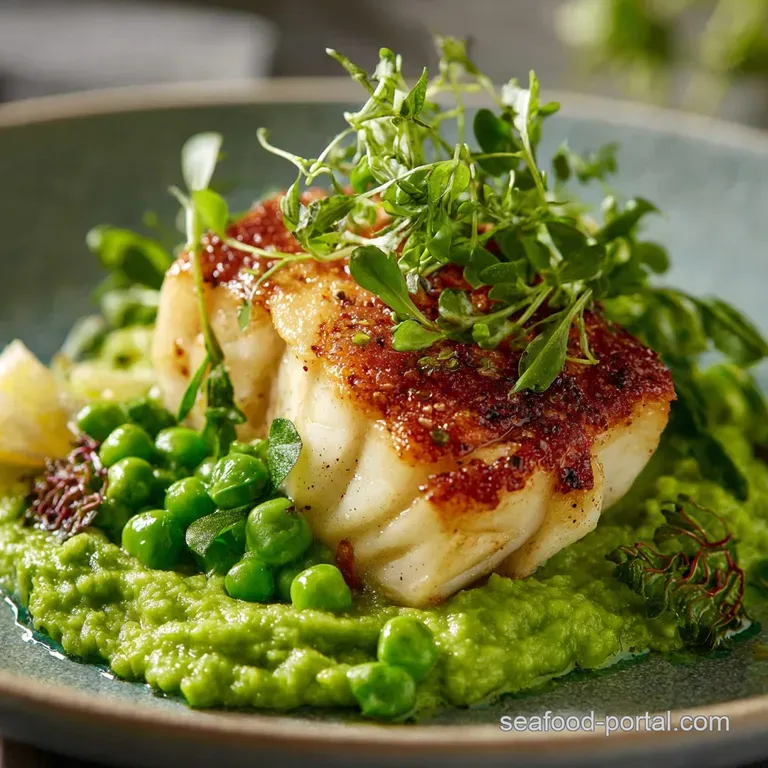
- Introducing the Perfect Spring Fish Recipes: Halibut with Pea Purée
- The Science of Spring Flavor: Why This Halibut Dish Works
- Essential Ingredients for This Spring Fish Recipe and Smart Substitutions
- Mastering the Technique: Step-by-Step Halibut Preparation Guide
- Troubleshooting and Expert Chef's Tips for Perfect Results
- Making Ahead and Storage Solutions for Your Components
- Wine Pairings and Complementary Sides for This Springtime Halibut Dish
- Recipe FAQs
- 📝 Recipe Card
Introducing the Perfect Spring Fish Recipes: Halibut with Pea Purée
When the cold finally breaks, I immediately start craving food that looks as bright as it tastes. This Halibut with Vibrant Pea Purée is basically sunshine on a plate, truly a total game changer.
Imagine slicing into a perfectly pan-seared piece of white fish crispy on the outside, flaky and moist within sitting on a velvety bed of vivid green. The aroma of lemon and nutty brown butter hits you before you even take that first bite.
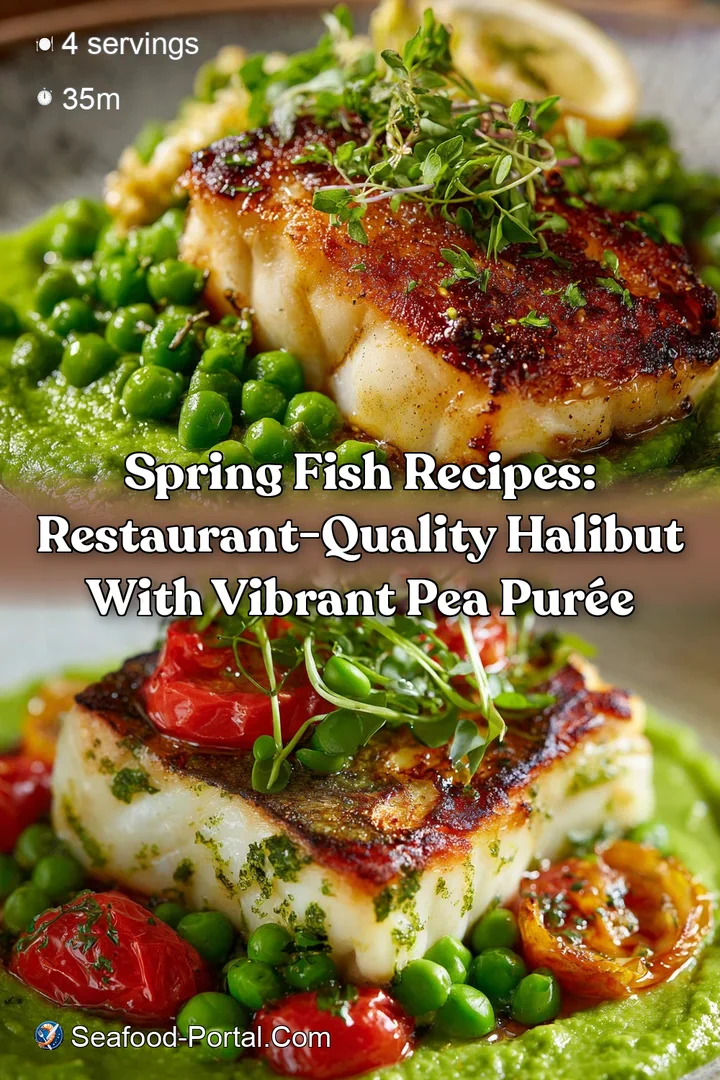
I’m telling you, this is one of those [Spring Fish Recipes] that saves weeknights. It looks incredibly sophisticated, like you slaved away for hours, but the whole thing comes together in about 35 minutes.
It uses seasonal ingredients that are naturally light and delicious, making it the ideal elegant centerpiece for a fast, but impressive, seafood dinner.
Ready to trade those heavy winter stews for something light, fresh, and truly spectacular? We are using the delicate flavor of halibut, paired with the sweetness of spring peas, and finishing it all off with my current obsession: a toasted hazelnut and brown butter vinaigrette.
Let's crack on and master this genuinely delicious seafood recipe.
The Science of Spring Flavor: Why This Halibut Dish Works
The Essence of Seasonal Cooking: Why Halibut Shines in Spring
Halibut is a lean, mild white fish with firm flesh that holds its shape beautifully under heat. It’s readily available and at its peak flavor right when spring produce hits the markets, making it one of the [best spring fish recipes] you can make.
It acts as the perfect canvas, allowing the brighter, sweeter flavors of peas and mint to really sing without being overpowered.
A Study in Contrasts: Crispy Sear Meets Velvety Purée
Every great dish needs texture. We are aiming for a silky smooth purée seriously, no grittiness allowed which provides a wonderful cushion for the fish. The crisp crust we build on the halibut fillet, combined with the crunch of the toasted hazelnuts, creates that essential textural variety.
This isn't just dinner; it’s an experience.
Elevating Weeknights with Restaurant Quality Flavor
People think making fish like this is hard, but it’s really just a few simple components executed well. You get the deep, savory umami from the browned butter, the sharp brightness from the lemon juice, and the freshness from the mint and chives.
It’s a sophisticated flavor profile that takes this from a simple fish dish to a high ranking spring seafood recipe.
Achieving the Golden Sear: Mastering the Maillard Reaction on Halibut
The key to fantastic [spring white fish recipes] is the sear. Patting the fish dry and using very hot oil ensures you activate the Maillard reaction properly. This complex chemical process gives the halibut its irresistible golden brown crust and locks in moisture. I learned this trick the hard way after many soggy attempts you need high heat and dry fish. If you love a great crust on fish, you should definitely check out my deep dive into Crispy Fish Fry Batter: The Pub Secret to an Extra Crispy Crunch for other applications.
The Role of Brown Butter: Nutty Depth vs. Bright Pea Sweetness
Brown butter (or beurre noisette ) is liquid gold, bringing a rich, nutty depth that complements almost any delicate protein. When mixed with fresh lemon, it transforms into a vinaigrette that cuts through the richness of the butter itself, balancing the inherent sweetness of the pea purée. This technique is similar to how I approach my Almondine Fish: Flaky Fillets Drizzled in Nutty Brown Butter Sauce .
Texture Harmony: Flaky Fish, Smooth Purée, and Crunchy Hazelnuts
We are building layers of satisfaction here. You have the flaky, tender fish, the unbelievably smooth and slightly sweet purée, and then that crowning glory of crunch from the toasted hazelnuts. This triple threat makes every bite complex and utterly addictive.
Essential Ingredients for This Spring Fish Recipe and Smart Substitutions
This recipe relies on fresh, quality ingredients, but don’t panic if you can’t find exactly what I used. I always have a backup plan.
Selecting the Best Halibut Fillets: Thickness and Freshness
Look for firm, white fillets about 1.5 2 cm (3/4 inch) thick; this ensures they cook evenly. Since halibut can be pricey, make sure you are buying the absolute freshest you can find. A great alternative for [spring white fish recipes] is thick cod or even Chilean sea bass.
Building the Pea Purée Base: Fresh vs. Frozen Pea Selection
I always use frozen petit pois (the small, sweet kind) because they are flash frozen at peak ripeness, making them often sweeter than out-of-season fresh peas. They’re super convenient and maintain that gorgeous green color better than older, fresh peas.
Crafting the Hazelnut Brown Butter Vinaigrette Components
The key here is high-quality unsalted butter (for better browning control), fresh lemon juice, and good hazelnuts. If you’re allergic or just don’t have hazelnuts, simple pumpkin seeds (pepitas) are a fantastic, crunchy substitute.
Necessary Kitchen Tools: From Blender to Cast Iron Pan
You absolutely need a high speed blender or food processor to get that purée velvety smooth; a potato masher just won't cut it. For the sear, a heavy bottomed pan, like cast iron or a thick stainless steel skillet, is crucial for holding consistent, high heat.
| Ingredient | My Recommendation | Smart Substitution |
|---|---|---|
| Halibut Fillets | 1.5 2 cm thickness | Cod, Sea Bass, or Thick Salmon |
| Peas | Frozen Petit Pois | Fresh or Frozen Asparagus |
| Hazelnuts | Raw, Toasted | Toasted Pepitas (Pumpkin Seeds) |
| Heavy Cream | High fat content | Crème Fraîche or Coconut Cream (for dairy-free) |
Mastering the Technique: step-by-step Halibut Preparation Guide
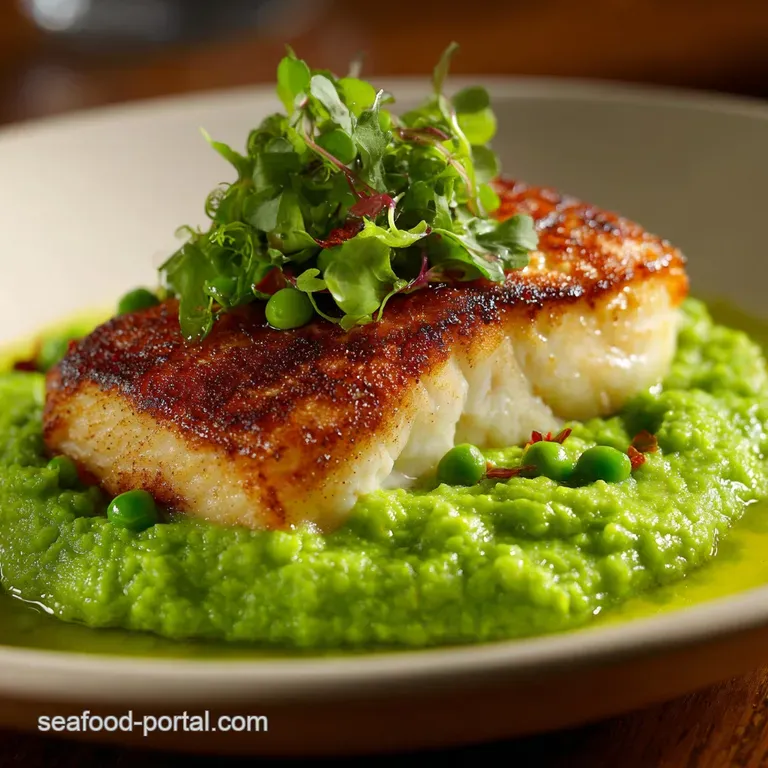
Phase I: Preparing the Pea Purée and Blanching Technique
This step is the difference between a dull green, mushy purée and one that pops on the plate. Bring your water to a hard boil and season it like the sea. Drop the frozen peas in for just two minutes , no more. Immediately dunk them in an ice bath to lock in that vibrant color.
This temperature shock is non-negotiable for spring color.
Chef’s Note: Use hot stock when blending. The heat helps the peas break down completely and also ensures the purée stays warm when you stir in that last bit of chilled butter for richness.
Phase II: Developing the Brown Butter and Toasting the Hazelnuts
In a small, light colored saucepan, melt the butter over medium heat. It will foam aggressively, then subside. Look for the tiny milk solids starting to settle on the bottom they turn golden, then amber. Once you smell that gorgeous, nutty aroma, pull the pan off the heat instantly.
Stir in the toasted hazelnuts, lemon juice, and snipped chives. Be ready for a slight sputter when the lemon hits the hot butter!
Phase III: The Perfect Pan-Sear on Halibut (High Heat Strategy)
First, blot those fillets until they are bone dry; I mean aggressively dry. Season heavily. Get your heavy skillet screaming hot with high smoke point oil. Place the fillets in the pan, presentation side down, and do not touch them for 3– 4 minutes.
This forms the perfect crust. Flip and reduce the heat to medium low to finish cooking through slowly.
Final Plating and Vinaigrette Drizzle Assembly
Plating should be fast and deliberate. Spoon a nice circle of the smooth purée in the center of the plate. Place your rested, perfectly seared halibut right on top. Then, use a small spoon to drizzle the warm hazelnut brown butter vinaigrette over the fish and around the plate, ensuring everyone gets a scattering of those crunchy nuts and bright green chives.
Troubleshooting and Expert Chef's Tips for Perfect Results
Avoiding the Cardinal Sin: How to Tell When Halibut is Fully Cooked
The worst thing you can do to a beautiful piece of halibut is overcook it. It becomes dry, tough, and tragic. Use the poke test: gently press a fork or your finger against the thickest part of the fish. If it flakes easily but still offers a slight resistance, it’s done.
The internal temperature should hit 145°F (63°C), but pull it off the heat around 140°F (60° C) and let residual heat do the rest.
Preventing a Granular Purée: The Secret to Silky Smooth Texture
If your pea purée is grainy, your blender isn't powerful enough or you didn't blend long enough. Keep blending, adding the hot stock one tablespoon at a time, until it flows like thick velvet. Trust me, spending an extra 60 seconds blending here makes all the difference.
Why Your Brown Butter Vinaigrette Might Split (And How to Fix It)
If you add the lemon juice too quickly or if the brown butter is too hot, the vinaigrette might seize or split, looking greasy. To save it, simply whisk in a tiny teaspoon of hot water or stock aggressively off the heat. This often re-emulsifies the sauce perfectly.
Making Ahead and Storage Solutions for Your Components
Refrigerating Cooked Halibut: Best Practices for Reheating
Cooked halibut is best eaten immediately, honestly, but you can store leftovers in an airtight container for up to 2 days. To reheat, wrap the fish loosely in foil and warm it gently in a 300°F (150°C) oven until just heated through. Using the oven prevents it from drying out like a microwave would.
Storing the Pea Purée for Optimal Color Retention
The purée can be made 1 day ahead. Store it in an airtight container in the refrigerator with a piece of plastic wrap pressed directly against the surface to prevent oxidation (browning). To reheat, gently warm it over low heat or in a microwave, stirring frequently.
Freezing Guidelines for Cooked Fish and Vinaigrette Longevity
You can freeze cooked halibut, but the texture will be slightly diminished upon thawing, usually becoming a bit drier. It's safe for up to a month. Do not freeze the pea purée it loses its beautiful color and the texture separates badly.
The brown butter vinaigrette, however, can be stored in the fridge for up to a week, or you could freeze the brown butter base alone if you wish.
Wine Pairings and Complementary Sides for This Springtime Halibut Dish
This dish requires a wine with high acidity to cut through the richness of the butter and complement the subtle sweetness of the peas. A crisp, dry Sauvignon Blanc or a sharp Pinot Grigio is perfect.
For sides, keep it light and seasonal to maintain the spirit of these [Delicious Seafood Recipes]. I love serving this with simple roasted asparagus or a refreshing side of potatoes tossed with lemon and parsley. For a heartier but still bright pairing, you might want to try something comforting like Bahamian Boiled Fish with Lime and Potatoes: Bright, Tangy Comfort on a colder night.
Recipe FAQs
Can I use a different type of fish instead of halibut?
Yes, this recipe works very well with other sturdy, flaky white fish options like cod, sea bass, or thick cut snapper fillets. Be sure to adjust your cooking time slightly, as thinner cuts will require less time in the pan to reach the ideal internal temperature.
Ensure the fish is patted extremely dry before searing to achieve that desired crispy crust.
My pan-seared halibut stuck to the pan and turned dry. What did I do wrong?
Sticking usually occurs if the pan or oil was not hot enough when the fish was added, or if you tried to move the fish too early before a proper crust formed. Dryness is the result of overcooking; aim for an internal temperature of 140 145°F (60 63°C) and immediately remove it from heat to rest.
Always ensure the fish is very dry before seasoning and searing, as moisture prevents a crisp crust from forming.
How do I keep the pea purée a vibrant, brilliant green color?
To preserve the vibrant chlorophyll in the peas, you must blanch them quickly in salted boiling water for just 60 to 90 seconds. Immediately plunge the cooked peas into an ice bath to rapidly cool them down, which halts the cooking process entirely.
This technique locks in the bright green color, preventing the peas from turning a dull olive tone.
Can I prepare the pea purée or the brown butter vinaigrette ahead of time?
The pea purée can be made up to two days ahead and stored tightly covered in the refrigerator; reheat gently in a saucepan with a tablespoon of water or stock to restore its smooth consistency.
The brown butter vinaigrette is also great made ahead, though you will need to gently warm and re-whisk the mixture right before serving to re-emulsify the solidified butter and oil.
What is the easiest way to prevent burning the brown butter?
Use a light colored pan so you can clearly monitor the color change of the milk solids as they cook. Whisk constantly over medium heat, and once you detect a nutty aroma and the solids turn an amber brown, remove the pan immediately.
Transfer the hot butter to a separate, cool bowl to stop the residual heat from continuing the cooking process and burning the solids.
I have a nut allergy. What is a suitable substitution for the toasted hazelnuts?
For a textural substitute that maintains the crunch, replace the hazelnuts with toasted panko breadcrumbs or toasted sunflower seeds, which are nut-free. Alternatively, you can omit the nuts entirely and increase the amount of fresh chives or finely chopped parsley in the vinaigrette for enhanced herbaceous brightness.
The dish relies heavily on texture, so a crispy component is highly recommended.
What is the best way to store leftovers, and can I freeze this dish?
Store any leftover fish and pea purée separately in airtight containers in the refrigerator for up to two days; reheat the fish gently in a low oven to prevent drying. Freezing is not recommended for the pan-seared halibut as the texture will become tough and dry upon thawing.
The purée and vinaigrette may be frozen, but their texture will degrade and require extensive whisking upon thawing.
Spring Fish Recipes Halibut Pea Puree Dinner
Ingredients:
Instructions:
Nutrition Facts:
| Calories | 384 kcal |
|---|---|
| Protein | 39.3 g |
| Fat | 15.3 g |
| Carbs | 22.5 g |
