Shrimp Fra Diavolo: the Fiery Classic Spicy Seafood Pasta
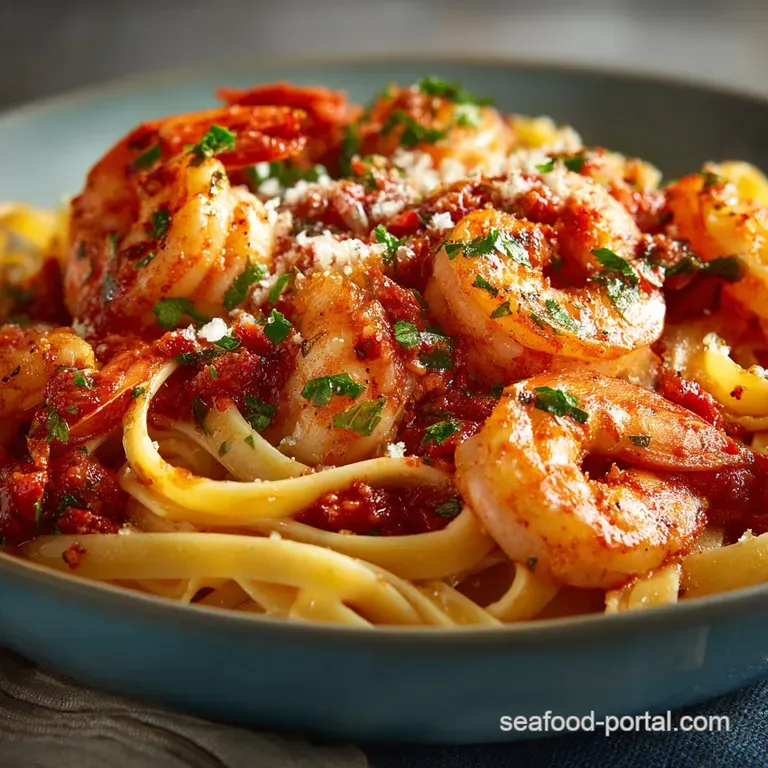
- The Fiery Classic: Spicy Shrimp Fra Diavolo with Linguine
- Decoding the Heat: The History of Shrimp Fra Diavolo
- Essential Provisions: Ingredients and Smart Substitutions
- From Prep to Plate: Step-by-Step Shrimp Fra Diavolo Mastery
- Mastering the Heat: Chef's Tips and Troubleshooting
- Making It Ahead: Storage and Reheating Guidelines for Shrimp Fra Diavolo
- Completing the Feast: What to Serve with Fra Diavolo
- Recipe FAQs
- 📝 Recipe Card
The Fiery Classic: Spicy Shrimp Fra Diavolo with Linguine
Do you ever just need dinner to hit you in the face with flavour? I mean, really hit you. The moment those chili flakes and garlic sizzle in the olive oil, the aroma that fills your kitchen is absolutely intoxicating; it promises heat, depth, and sweet, glorious tomatoes.
That vibrant red sauce, clinging desperately to al dente linguine, is pure comfort food magic.
This isn't some fussy, multi hour Italian Sunday gravy, thank goodness. Fra Diavolo is your weeknight lifesaver: incredibly fast, surprisingly cheap, and yet it tastes like something you paid way too much for at a checkered tablecloth joint.
You can have this entire dish, from chopping garlic to tossing the pasta, on the table in under an hour. It is the definition of high reward, low-effort cooking.
I’ve been making variations of this spicy shrimp pasta for years, figuring out exactly how to avoid rubbery shrimp and watery sauce (trust me, I made those mistakes plenty). We’re going to nail the balance of heat and sweetness, ensuring you get that restaurant quality cling.
So, grab your best crushed tomatoes and let’s crack on.
Decoding the Heat: The History of Shrimp Fra Diavolo
This dish sounds intimidating, right? Fra Diavolo literally means "Brother Devil" in Italian, a nod to its fierce, fiery heat. It’s definitely not subtle.
The 'Brother Devil' Translation
While it sounds profoundly Italian, Shrimp Fra Diavolo is actually a classic Italian American creation, likely born in the bustling kitchens of New York or New Jersey. The heat signature that generous wallop of red pepper flakes appealed instantly to the immigrant communities looking for dishes that were both hearty and punchy.
A Brief History of Italian American Heat
Unlike many traditional regional Italian dishes, which often use spice sparingly, the Italian American culinary tradition embraced bolder, faster flavors. This recipe is a perfect example of that powerful evolution.
It’s deeply rooted in Mediterranean ingredients shrimp, tomato, olive oil but amplified for the American palate.
Why Linguine is the Ideal Vehicle for Spicy Sauce
We choose linguine for a reason; it’s not just random. Its slightly flat, slender shape provides maximum surface area for the sauce to grip. Think of those ribbons of pasta acting like tiny, perfect conduits for transporting that spicy, garlicky tomato goodness straight to your mouth.
Building the Flavor Base: The Importance of Garlic and Oil Infusion
The secret to this intense flavor starts right at the beginning: infusing the oil. We gently cook the garlic, shallots, and, crucially, the chili flakes in warm olive oil before anything else happens. This step is non-negotiable, as it releases all the oil-soluble flavour compounds from the spices.
Deglazing with Wine for Deep Umami
After toasting the spices, we hit the pan with a splash of dry white wine. This rapid introduction of liquid immediately lifts any delicious, sticky brown bits (the fond ) off the bottom of the pan. That process, called deglazing, adds layers of complex, savoury umami that you absolutely cannot skip.
The Perfect Cook Time for Tender Shrimp (No Rubber)
This is the most critical technical point. Shrimp are delicate and require only minutes of cooking time in a hot sauce. We add them last , ensuring they turn opaque and form a gentle ‘C’ shape, signaling they are perfectly tender and juicy.
Essential Provisions: Ingredients and Smart Substitutions
Good ingredients make all the difference, especially in a simple, sauce focused dish like Shrimp Fra Diavolo.
Choosing the Right Cut of Crushed Tomatoes
If you can find high-quality Italian San Marzano tomatoes, crushed, grab them. They are naturally sweeter and less acidic than regular tomatoes, giving the sauce a superior depth. If they are only available whole, simply hand crush them before adding them to the pot.
Fresh vs. Frozen Shrimp: A Quality Deep Dive
I use frozen, peeled, and deveined shrimp about 90% of the time. Why? Because the moment shrimp are frozen, their quality stops degrading, meaning they are often fresher than "fresh" shrimp sitting on a counter. Just make sure you thaw them slowly in the fridge or quickly under cold running water. For a spectacular dinner, you could also try this method when making a rich, layered dish like Shrimp and Mussels: Elegant Saffron and Chorizo Coastal Pot .
Adjusting the Dial: Finding Your Ideal Chili Flake Ratio
My recipe calls for 1 teaspoon of chili flakes, which I consider medium hot. If you love serious fire, definitely bump it up to 1.5 or even 2 teaspoons. Pro Tip: Always taste your chili flakes before adding them; their potency varies wildly!
Using Pasta Water to Achieve Restaurant Quality Sauce Consistency
This is the true secret ingredient. The starchy water reserved from boiling the linguine acts as a binding agent. When added to the sauce with a knob of cold butter, it creates a luscious, glossy, emulsified texture that perfectly coats the pasta.
| If you don't have... | You can use... |
|---|---|
| Dry White Wine | Chicken stock or vegetable broth (Add 1 tsp lemon juice for necessary acidity). |
| Shallots | 1/4 of a small yellow onion, very finely diced. |
| Crushed Tomatoes | Whole peeled tomatoes, crushed by hand in the can or jar before adding. |
| Linguine | Spaghetti or Bucatini. |
From Prep to Plate: step-by-step Shrimp Fra Diavolo Mastery
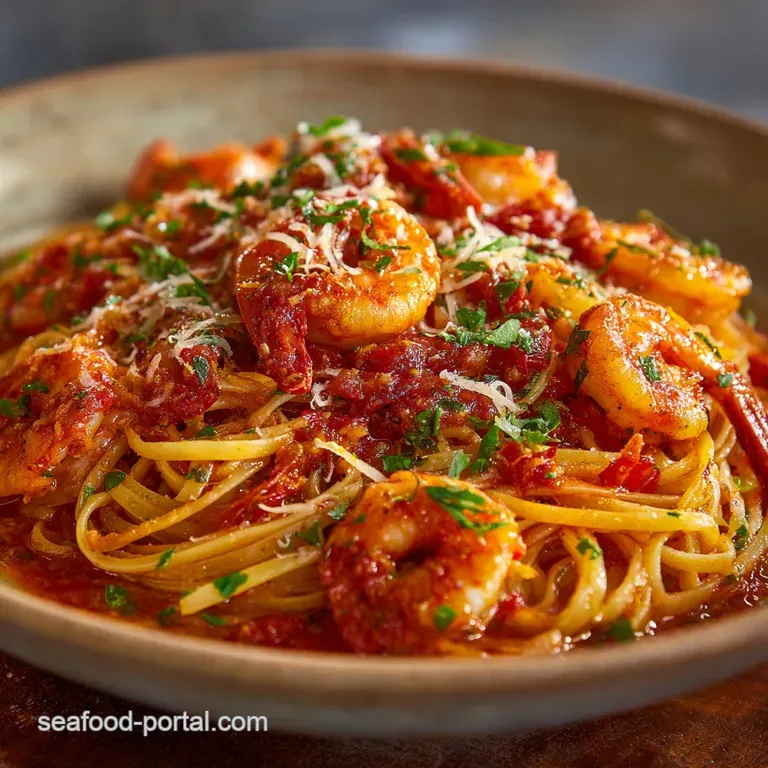
Preparing the Pasta and the Spice Misen Place
First, get your water boiling and season it heavily it should taste salty like the sea. Cook the linguine until it's just shy of al dente; we'll finish cooking it in the sauce. While the pasta cooks, peel and devein your shrimp, then mince the garlic and dice the shallot.
Achieving the 'Broth of the Gods' Sauce Base
Heat the olive oil in a large skillet over medium heat, then add the shallots until they soften. Now, toss in the garlic, oregano, and those fiery red pepper flakes. Cook for just 45 to 60 seconds until the garlic is fragrant and you smell the toasty chili, but pull it off the heat immediately if the garlic starts to brown.
Deglaze the pan with the white wine, scrape the bottom, and reduce the liquid by half before adding the crushed tomatoes. Simmer this beautiful base for 15 minutes to deepen the flavors.
The Final Integration: When to Add the Shrimp
Increase the heat slightly, and then add your peeled shrimp directly to the simmering sauce. Stir them around gently to coat. They will take only 3 to 5 minutes to cook, depending on their size. As soon as they turn pink and opaque, looking like a proper 'C' shape, turn off the heat.
Finishing Touches and Plating the Dish
Take the sauce off the heat completely, then add half a cup of the reserved, starchy pasta water and the cold tablespoon of butter. Stir vigorously; this creates that beautiful, restaurant worthy sheen.
Dump the drained linguine right into the skillet and toss everything together until every strand is coated in the fiery sauce. Garnish liberally with fresh parsley and serve immediately.
Mastering the Heat: Chef's Tips and Troubleshooting
Even simple recipes have pitfalls; I’ve stepped in them so you don't have to!
Preventing Grainy Sauce: Why Temperature Matters
Sometimes tomato sauces can look slightly separated or grainy, especially when mixing liquids and fats. To prevent this, ensure your sauce is actively simmering when you add the tomatoes, and always stir in the cold butter and starchy pasta water off the heat right at the end to create a successful, stable emulsion.
Don't Crowd the Pan: Ensuring Even Shrimp Searing
If you double the batch, you absolutely must use two pans. If you pile too many shrimp into one skillet, the temperature drops dramatically. They will end up steaming instead of simmering, which leads to mushy, poorly textured seafood. You want direct, even contact with the sauce.
Recovering from Too Much Heat (The Acid Fix)
Did you go a bit too wild with the chili flakes? It happens! Heat is oil-soluble, so adding more fat or dairy won't help much here. What does work is acid and balance. Stir in 1 2 tablespoons of tomato paste or a small splash of heavy cream, or better yet, a squeeze of lemon juice, as I do when making Shrimp Francese Recipe: Quick, Zesty Lemon Butter Sauce . The acid will cut through the oppressive heat and restore balance.
CRUCIAL CHEF’S NOTE: Never rinse your pasta after draining it! You wash away the starch, and without that sticky starch, your gorgeous sauce won't cling properly.
Making It Ahead: Storage and Reheating Guidelines for Shrimp Fra Diavolo
But does it keep well? Yes, but you need to follow a specific strategy, particularly regarding the shrimp and pasta.
Separating Pasta and Sauce for Optimal Storage
If you anticipate leftovers, store the sauce and the pasta separately. Mixed pasta and sauce will absorb all the liquid and become dry and bloated overnight. Store the Fra Diavolo sauce and shrimp in an airtight container in the fridge for up to 3 days .
The Best Method for Reheating Shrimp Without Drying It Out
Never microwave leftover seafood. The best way to reheat is gently on the stovetop. Add the sauce (and shrimp) to a skillet with a splash of water or chicken stock and warm it slowly over low heat. Once hot, toss in the pre-cooked, chilled pasta for 60 seconds to warm through.
This keeps the shrimp from turning into chewy eraser nubs.
Completing the Feast: What to Serve with Fra Diavolo
Because the main dish is so robust and spicy, keep the side dishes simple and fresh to provide a necessary textural and flavour contrast.
- Crusty Italian Bread: This is mandatory. You need something sturdy for fare la scarpetta (making the little shoe) a tradition of mopping up every last drop of that incredible sauce.
- A Simple, Crisp Salad: Skip heavy dressings. A light bed of mixed greens or arugula (rocket) tossed simply with good olive oil, a squeeze of lemon, and maybe some shaved parmesan is perfect.
- Appetizer Contrast: If you want a nice starter, consider something completely different in flavor profile, perhaps a super crispy appetizer like Shrimp Parmesan: Ultra Crispy Panko Bake Ready in 40 Minutes served with a fresh lemon wedge.
Classic Wine Pairings (Crisp Whites)
You need a wine that can stand up to the acidity of the tomatoes and the heat of the chili, but one that is also refreshing. A crisp, dry white wine like Pinot Grigio, Vermentino, or an unoaked Sauvignon Blanc works beautifully.
The cooling acidity of the wine washes your palate clean, making you ready for the next spicy, flavour packed bite.
Recipe FAQs
Why did my shrimp turn out tough or rubbery?
Toughness is almost always a sign of overcooking. Shrimp cooks very quickly, usually requiring only 2 to 3 minutes total in the simmering sauce. Ensure you add the shrimp only during the final stage of cooking and remove the pan from the heat as soon as they turn pink and opaque.
How can I adjust the heat level of the Fra Diavolo sauce?
To reduce the heat, start by halving the crushed red pepper flakes or omit them entirely. For extra intensity, you can add a pinch of cayenne pepper or finely chopped Calabrian chili peppers when sautéing the garlic and oil.
Can I use other types of seafood besides shrimp?
Yes, Fra Diavolo sauce pairs wonderfully with various seafood. Scallops, calamari, or mussels are excellent additions or replacements, transforming the dish into a mixed seafood fra diavolo. If adding mussels, ensure they are added early so they have time to steam open.
What is a good substitute for white wine in this recipe?
If you prefer not to use alcohol, substitute the white wine with an equal amount of high-quality seafood or chicken stock. A splash of fresh lemon juice added at the end of cooking can also help mimic the bright acidity that the wine provides.
Are whole crushed tomatoes better than diced tomatoes for this recipe?
Whole peeled tomatoes generally have a superior flavor and yield a richer, smoother sauce texture compared to diced varieties. If using whole tomatoes, crush them by hand or gently with a potato masher before adding them to the pot for the best results.
Can I make the Fra Diavolo sauce ahead of time, and how should I store it?
The tomato sauce component can be prepared up to three days in advance and stored securely in an airtight container in the refrigerator. Wait to add the fresh shrimp until you are ready to serve, quickly cooking them directly in the reheated sauce.
I don't have linguine. What other pasta works well with this dish?
This rich sauce pairs beautifully with any sturdy, long pasta that can hold the mixture, such as spaghetti, fettuccine, or bucatini. For a shorter option, penne or ziti also work excellently by catching the chunky elements of the sauce.
Spicy Shrimp Fra Diavolo Pasta
Ingredients:
Instructions:
Nutrition Facts:
| Calories | 691 kcal |
|---|---|
| Protein | 35.0 g |
| Fat | 23.7 g |
| Carbs | 76.9 g |
