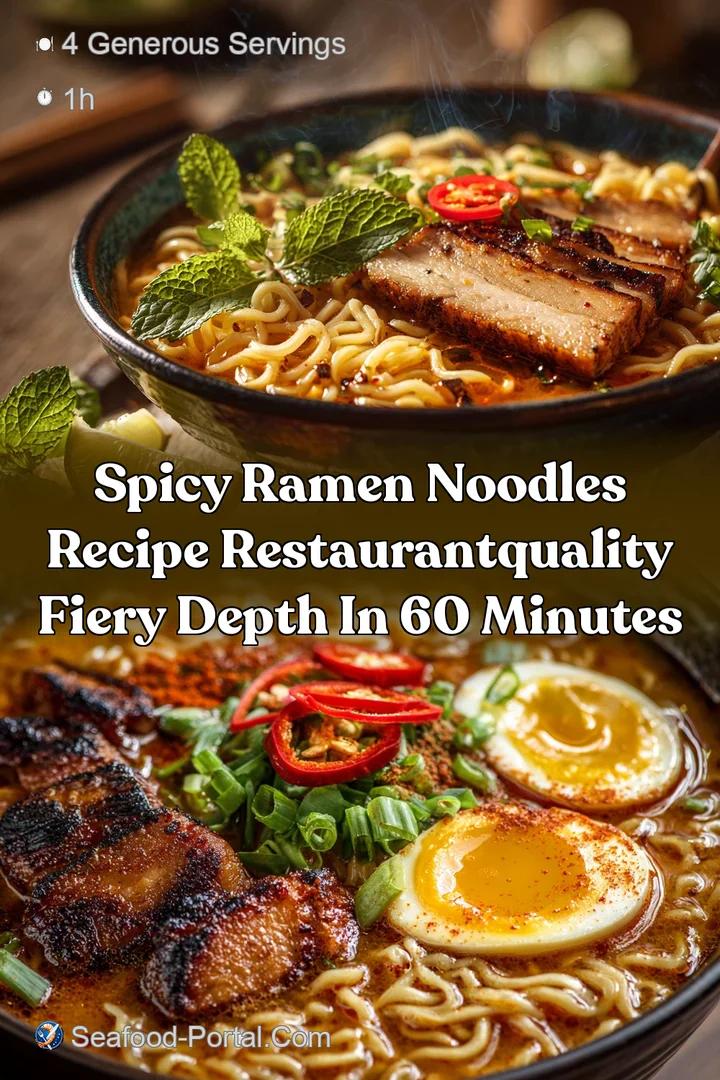
Spicy Ramen Noodles Inferno Pork Ramen with Homemade Tare
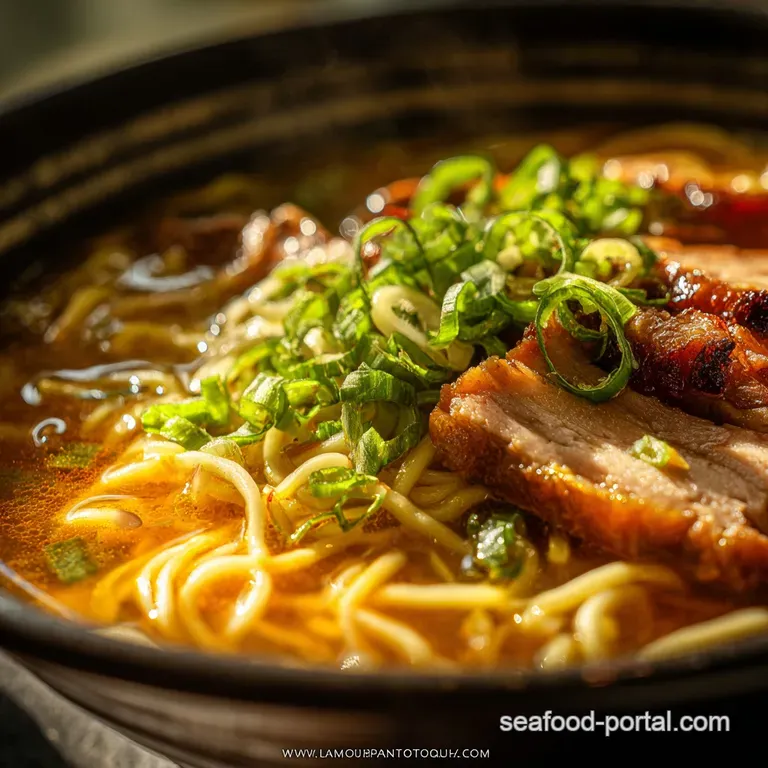
- The Philosophy of Fire: Why Flavour Layers Matter in This Ramen
- Crafting the Ultimate Kick: What Makes This Spicy Ramen Noodles Recipe Unique
- Arming Your Pantry: Essential Supplies for Authentic Spicy Ramen Noodles
- Prepping Your Station: Tools and Mise En Place Checklist
- The Assembly Line: Step and by-Step Mastery of Deep Flavor
- Pro Tips from the Chef: Troubleshooting and Enhancing Your Bowl
- Customizing Your Inferno: Dietary Swaps and Variations
- Recipe FAQs
- 📝 Recipe Card
The Philosophy of Fire: Why Flavour Layers Matter in This Ramen
Okay, let’s talk ramen. Specifically, spicy ramen.
If your idea of spicy ramen is cracking open that cheap instant packet, tossing in the flavor dust, and feeling mildly disappointed, we need to have a serious conversation. I get it; sometimes that’s all you have time for.
But trust me, achieving proper, soul and warming spicy ramen noodles is about building flavor, not just dumping chili flakes on top.
This isn’t just heat for heat’s sake. We’re building layers. Think of it like building a fire. You start with the little bits (your aromatics), then the medium stuff (your powerful paste, the tare ), and only then do you add the big logs (the broth and the gorgeous toppings).
Skip the tiny steps, and you just get smoke. Do it right, and you get a satisfying, complex burn that keeps you coming back for more spoonfuls. It’s brilliant.
Crafting the Ultimate Kick: What Makes This Spicy Ramen Noodles Recipe Unique
The biggest secret to chef and inspired ramen (even when you’re making it at home in your pajamas) is understanding that the broth isn’t the only star. The magic, the real flavour punch, comes from the Tare.
Most recipes just have you dump chili oil into the broth. That’s fine, but it’s flat. We are cooking down aromatics and powerful pastes to create an emulsion that coats the noodles and the pork topping perfectly.
This is how we get authentic spicy ramen noodles that taste like they came from a dedicated shop.
Escaping the Instant Packet Trap
Instant ramen is designed for convenience, not complexity. They use tons of salt and MSG, but they lack the rich mouthfeel and caramelised savoury notes that come from roasting ginger, toasting garlic, and searing meat.
My spicy ramen recipe forces you to spend an extra 15 minutes layering those flavours, and honestly, that’s where the joy of cooking lives, right? Stop eating sad, weak noodles. You deserve better.
The Essential Components of a Proper Inferno Bowl
When I approach any spicy noodle recipes, I break it down into three distinct systems that must work together:
- The Broth: The liquid vehicle. It needs body and warmth.
- The Tare (Flavour Paste): The concentrated seasoning and oil base. This is where the overwhelming spice and umami lives.
- The Toppings: The texture and protein. Our caramelised spicy pork delivers massive payoff here.
Deconstructing the Spicy Tare: Gochujang and Umami Secrets
Our Tare is built on Gochujang (Korean chili paste). Why not Sriracha? Because Gochujang is fermented. It offers a deeper, slightly sweet, smoky umami that Sriracha, which is just fresh chili and vinegar, simply cannot match.
We combine that complex paste with Rayu (Japanese chili oil that has sediment) and a hit of roasted sesame oil.
Crucial Tare Note: The secret weapon here is the dark soy sauce. A little bit doesn't just add salt; it adds a deep, almost malty colour and richness that makes the entire bowl feel substantial and luxurious. Don't skip it, but don't overdo it either.
Quick Stock Hacks vs. Deep Broth Foundations
Look, if you’re making this on a Tuesday after work, I am not going to demand you spend six hours making proper tonkotsu. That’s just not realistic. For a quick, quality foundation, a good quality, low and sodium chicken or pork stock from a carton works great.
The Hack: To make that carton stock feel like a deep broth foundation, we rely on white miso paste. Miso dissolves easily, adds instant body, and provides the necessary fermented depth that helps the broth stand up to the powerful spicy tare.
It’s an essential cheat for achieving that ‘chef inspired ramen’ vibe quickly.
Arming Your Pantry: Essential Supplies for Authentic Spicy Ramen Noodles
The wonderful thing about Asian ramen noodle recipes is that once you buy the initial pastes (Gochujang, Miso), they last forever in the fridge, making subsequent cooks much faster. Focus on quality here. You’re only using a few central ingredients, so make them count.
- Pork: Don't go ultra and lean. That bit of fat (80/20) renders beautifully and carries the chili flavour better than dry ground meat.
- Aromatics: Fresh ginger, always. If you try to use dried powder here, you will be sad.
- The Chili Oil: If you can’t find Rayu, look for any quality Chinese crispy chili oil with lots of crunchy bits in the bottom. Those bits are flavor carriers!
Related Recipes Worth Trying
- Cajun Cornish Hens UltraCrispy Skin Spicy Soul Dry Brine — This Cajun Cornish Hens recipe uses a dry brine for impossibly crisp skin Learn to make savory spicy cajun roasted cornish hens using a flavorful cajun...
- Garlic Shrimp Noodles The Ultimate 25Minute Weeknight Hero — Garlic Shrimp Noodles are the quick weeknight hero you need This easy shrimp noodle recipe uses caramelized garlic and butter for an intense savory flavor...
- Cajun Baked Catfish Healthy Spicy and Ready in Under 35 Minutes — Master the best Cajun Baked Catfish recipe achieving a smoky blackened crust without the mess This Healthy Baked Catfish Fillets dinner is easy and ready in...
Prepping Your Station: Tools and Mise En Place Checklist
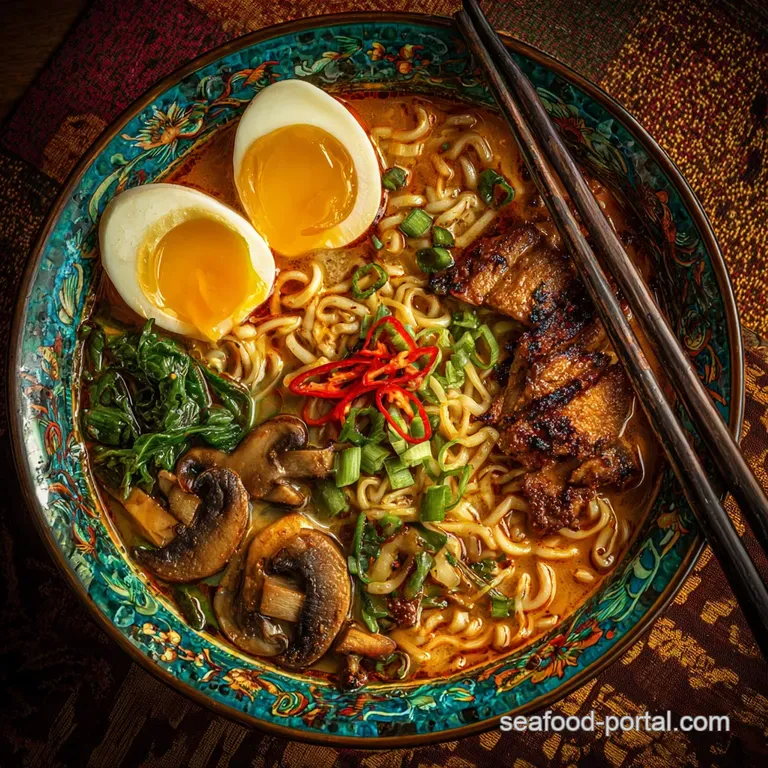
Ramen cooking is a relay race, not a sprint. If you haven’t prepped everything before the first garlic clove hits the pan, you will inevitably burn something or end up with cold broth.
Building Blocks: The Broth Base and Noodle Selection
Have your stock measured out and simmering gently in the big pot. This should be the first thing you start, then forget about it until you need it. For the noodles, have them ready to go, right next to the boiling water pot. We’re aiming for lightning speed here.
The Tare Brigade: Spices and Pastes for Max Heat
Get all your minced ginger and garlic into one little bowl. Get your Gochujang, soy sauce, and sesame oil measured and ready in another. When you sauté the aromatics for the Tare, that process moves incredibly fast, so having the pastes ready to dump in immediately after the heat is off prevents burning the garlic (a mistake I made approximately five thousand times before learning this lesson).
Perfecting the Toppings: Marinated Pork and Soft Eggs
The pork is easy just chop the scallions and have the ground meat waiting. The eggs? Start them while the stock is heating. If you want a jammy yolk, 6. 5 minutes in boiling water, then straight into an ice bath. No messing about.
How to Select the Best Fresh Ramen Noodles
If you can find good quality fresh ramen noodles, use them! They have a great chew that dried noodles just can't replicate. If you're using dried, look for noodles labeled as "straight" rather than "wavy" for a more traditional texture. The absolute crucial step?
That quick cold rinse immediately after cooking to stop starch carryover (sogginess), followed by a 15 second hot dunk to warm them up again. It’s a two and step move that guarantees perfect texture.
Batch Prepping Aromatics for Efficiency
If you’re making the spicy tare (or any flavorful Asian dish) often, keep a small container of minced ginger and garlic mixed with neutral oil in the fridge. This saves you five minutes of chopping every single time.
It sounds small, but five minutes is the difference between a nice meal and a takeaway order when you’re tired.
The Assembly Line: Step and by-Step Mastery of Deep Flavor
This is where the layers come together. We are assembling the bowl from the bottom up. Flavor first, liquid second, solids last.
Phase 1: Creating the Signature Spicy Tare Paste
Remember, heat the oil, add the aromatics, and cook just until fragrant about 60 seconds. Then, immediately pull the pan off the heat before stirring in the Gochujang and the other pastes. The residual heat is plenty to wake up those flavors without scorching the chili, which turns bitter fast.
Phase 2: Caramelising the Ground Pork Topping
The goal here isn't just cooked pork; it’s caramelised pork. Use medium and high heat. Let the pork sit in the pan for a minute or two without stirring once you’ve broken it up. You want those dark, delicious brown bits to form before you add the soy sauce and pepper.
That richness is the payoff for using authentic spicy ramen noodles techniques.
Phase 3: The Broth Infusion and Tempering Process
The broth must be piping hot, but not violently boiling. It’s what tempers the powerful Tare. You pour a ladle into the bowl first, whisking until the Tare paste fully emulsifies into the liquid. It should be creamy, rich, and uniform.
If you just dump the broth in without whisking, you end up with oily paste stuck to the bottom of the bowl.
The Exact Timing for Al Dente Noodles
Set a timer. Don't eyeball it. If the package says 4 minutes, cook for 4 minutes. Ramen noodles are not like pasta; they don't have a generous margin for error.
As soon as the timer goes off, drain, rinse quickly, and plunge them back into the simmering water (or a separate pot of hot water) for that quick reheat.
The Final Plating: Layering for Maximum Impact
This matters more than you think. Place the noodles neatly in the bowl. Pour the broth gently around them. Arrange the pork topping in the center, and lean the eggs, nori, and scallions artfully against the meat. Visual appeal is part of the experience. It makes this easy spicy ramen recipe feel totally elevated.
Pro Tips from the Chef: Troubleshooting and Enhancing Your Bowl
- Hot Bowls: I can’t stress this enough. Before starting assembly, fill your ramen bowls with boiling water and let them sit for two minutes. Dump the water out right before you put the tare in. This keeps the final product hot for much longer.
- The Pork Fat: When you drain the fat from the ground pork, don't throw it all away! Keep about a teaspoon and mix it into the broth pot. It adds a lovely richness (a little aroma oil ) to the final soup base.
- Don't Boil the Miso: Miso is a fermented product and high heat kills the delicate flavors and good bacteria. Dissolve it in a tiny bit of hot water first, then stir it into the simmering broth just before assembly, but never let the broth reach a rolling boil once the miso is added.
Customizing Your Inferno: Dietary Swaps and Variations
This base recipe is endlessly customizable. I often mix up the toppings just based on what I have kicking around.
Adjusting the Heat Level: From Tingle to True Inferno
The Gochujang in the Tare is the main spice component.
| Heat Level | Adjustment |
|---|---|
| Mild Tingle | Use only 1 Tbsp Gochujang; replace Rayu with regular sesame oil. |
| Standard Kick | Use recipe amounts (2 Tbsp Gochujang, 1 Tbsp Rayu). |
| True Inferno | Add 1/2 tsp of a strong chili flake (like Bird’s Eye) to the Tare while sautéing the ginger, or stir in a dash of pure Capsaicin oil at the end. |
Meal Prepping: Storing Spicy Ramen Noodles Components
Ramen is difficult to meal prep entirely because of the noodles (they get sad and bloated). However, you can prep almost everything else days in advance:
- Make the Spicy Tare completely and store it in an airtight container in the fridge (it keeps well for a week).
- Cook the seasoned ground pork (Soboro) and keep it separate.
- Make the broth and store it.
- The eggs can be cooked and peeled ahead of time, too.
When you’re ready to eat, simply heat the broth, cook the noodles fresh, and assemble.
Vegetarian and Vegan Substitutions for the Tare
The biggest flavor component in the pork version is the fat and the umami hit. For a vegetarian version:
- Use a high and quality shiitake mushroom broth (or make a quick dashi).
- Substitute the ground pork with firm tofu that you press, dice, and fry until very crisp, then season with soy sauce.
- If you can find it, use mushroom soy sauce in the Tare instead of dark soy sauce. It provides a phenomenal depth of earthy umami that mimics the richness of meat.
Pairing Suggestions: What to Drink with a Fiery Ramen
You need something clean and cold to cut through the richness of the pork fat and the intense heat of the Gochujang. A bitter, very cold Japanese lager or a crisp pilsner is perfect. If you’re not drinking alcohol, reach for high and quality sparkling water with a heavy slice of lemon.
It helps reset your palate between glorious, spicy slurps. Whatever you do, don't pick anything sweet, or it will just amplify the fire. Keep it simple.
Recipe FAQs
This recipe looks brilliant, but can I prep components ahead of time to speed up the final assembly?
Absolutely. You can prepare the Spicy Tare (flavour paste) and cook the Soboro (pork topping) up to two days in advance; just store them separately in the fridge and reheat the pork gently before assembly.
My Aunt Mildred can’t handle much spice. How can I still enjoy these Spicy Ramen Noodles without blowing my head off?
The bulk of the heat is held within the Gochujang and Rayu in the Tare; for a milder bowl, reduce the amount of both by half, or eliminate the Rayu entirely for a less fiery but still deeply flavourful dish.
I don't have Rayu or Gochujang to hand. What's a good stand-in if I can’t get to the shops?
If you lack Gochujang, use a mix of Sriracha and a pinch of smoked paprika for a similar heat and depth; if you need to substitute Rayu, use any good quality crispy chilli oil or just a dash more roasted sesame oil for flavour.
I've made too much! What's the best way to store leftover ramen?
Crucially, never store the noodles in the broth, as they will turn mushy; keep the broth, Tare, and toppings in airtight containers, and only cook fresh noodles when you plan to reheat and serve the rest.
This dish is quite rich. Is there anything I can do to reduce the rather high sodium content?
Definitely; always use low-sodium stock in the broth component, and if you’re concerned, try reducing the amount of additional Shoyu added to the broth, as the Tare provides substantial seasoning.
Spicy Ramen Noodles With Pork
Ingredients:
Instructions:
Nutrition Facts:
| Calories | 698 kcal |
|---|---|
| Protein | 49.0 g |
| Fat | 33.0 g |
| Carbs | 54.0 g |
