Spicy Miso Ramen: the Umami Kick for Restaurant-Quality Homemade Ramen
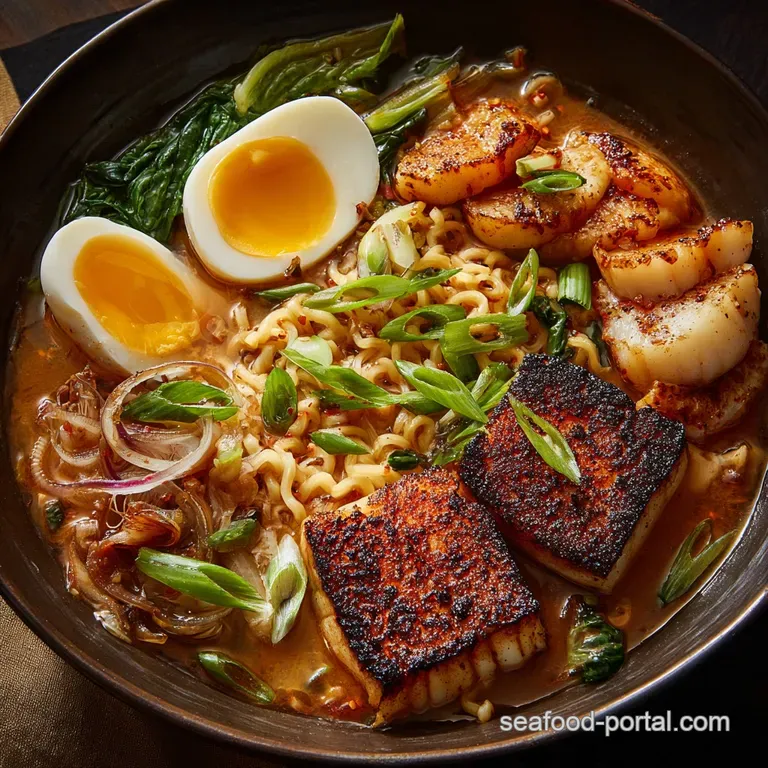
- Capturing the Soul of Spicy Miso Ramen in Under 90 Minutes
- Ramen Science: The Flavor Architecture That Makes This Broth Sing
- Essential Building Blocks for the Perfect Spicy Miso Ramen Bowl
- Step-by-Step Guide: Mastering the Spicy Miso Ramen Technique
- Elevated Techniques and Troubleshooting Your Ramen Broth
- Practical Prep: Storage, Freezing, and Pairing Your Spicy Miso Ramen
- Recipe FAQs
- 📝 Recipe Card
Capturing the Soul of Spicy Miso Ramen in Under 90 Minutes
That first slurp of perfect ramen is a deeply spiritual experience. I’m talking about the kind of broth that hits you with intense savory umami before a lovely heat creeps up on the back of your throat.
This isn't just hot soup; it’s a fiery, complex, and velvety coating of flavor that clings to every single strand of noodle.
You might think proper ramen requires three days of simmering bones and stalking specialty grocers, but I’m here to tell you that’s just not true. This recipe is a lifesaver for weeknights when you want restaurant level complexity in under 90 minutes.
It relies on smart shortcuts, like a high-quality stock base, but absolutely no compromise on flavor depth. It’s significantly cheaper than takeout and infinitely more satisfying.
We are building a flavor architecture here, layering spice and richness to achieve the ultimate balanced bowl. So grab your ladle and let’s dive into the delicious world of homemade Spicy Miso Ramen. This is the stuff that converts non-believers.
Ramen Science: The Flavor Architecture That Makes This Broth Sing
The Secret Behind the Umami Kick: Creating a Signature Tare Paste
The tare (pronounced tah-reh) is the single most important component of any great ramen. It is the concentrated seasoning paste that goes into the bottom of the bowl first, and it's what differentiates miso ramen from shio (salt) or shoyu (soy sauce) ramen.
We build flavor not by simply stirring miso into the stock, but by sautéing it first. This process "toasts" the miso, turning its already potent umami into something deeply caramelized and nutty. Never skip the toasting phase of the tare.
Why This Spicy Miso Ramen is the Ultimate Comfort Food
This recipe works because we treat the broth and the seasoning as two separate entities until the last possible second. Dumping everything into a big pot and boiling it for 20 minutes just doesn't cut it.
We are utilizing the richness of red miso combined with the fermented complexity of Tōban jan (chilli bean paste) to create massive flavor fast. It’s rich, salty, fiery, and deeply comforting, providing that perfect hug you need on a cold evening.
Effortless Sophistication: A Medium Difficulty Deep Dive
I once thought only professional chefs could make proper ramen, but that was a mistake I quickly corrected. While the steps themselves are easy sautéing, simmering, whisking it’s the timing that makes this a medium difficulty dish.
You need to manage the broth infusion, the tare creation, and the rapid cooking of the noodles simultaneously. Don't worry, the end result is worth the slight multitasking required.
Achieving Instant Depth: The Role of Miso and Doubanjiang (Chili Bean Paste)
Red Miso (Akamiso) provides a deeply fermented, almost earthy backbone to the broth, far more intense than lighter white miso. When combined with Doubanjiang (or Tōban jan), which is fermented broad beans and chili, we hit a complexity ceiling fast.
The Doubanjiang adds not just heat, but also a savory, slightly funky dimension that regular chili paste lacks. This combination is what guarantees your Spicy Miso Ramen Bowl tastes authentic and layered.
Broth vs. Tare: Understanding the Foundation of Flavor Layering
Think of the broth as the canvas hot, clean, and aromatic thanks to our quick kombu and shiitake infusion. The tare is the paint the concentrated, salty, savory essence. They must be layered in the bowl, not premixed in the stockpot.
This technique ensures that the intense flavors don't break down or become diluted during the simmering process, giving you the best possible final product.
The Critical Importance of Emulsifying the Fat Layer
When you make the tare, you are cooking the aromatics in oil and miso. When you add a small amount of hot broth to the tare in the saucepan, you are beginning the emulsification process. This creates a silky, reddish orange layer of fat that sits beautifully on top of the finished broth.
This fat is pure flavor, carrying the aromas of garlic, ginger, and sesame, and giving the broth that signature rich mouthfeel.
Essential Building Blocks for the Perfect Spicy Miso Ramen Bowl
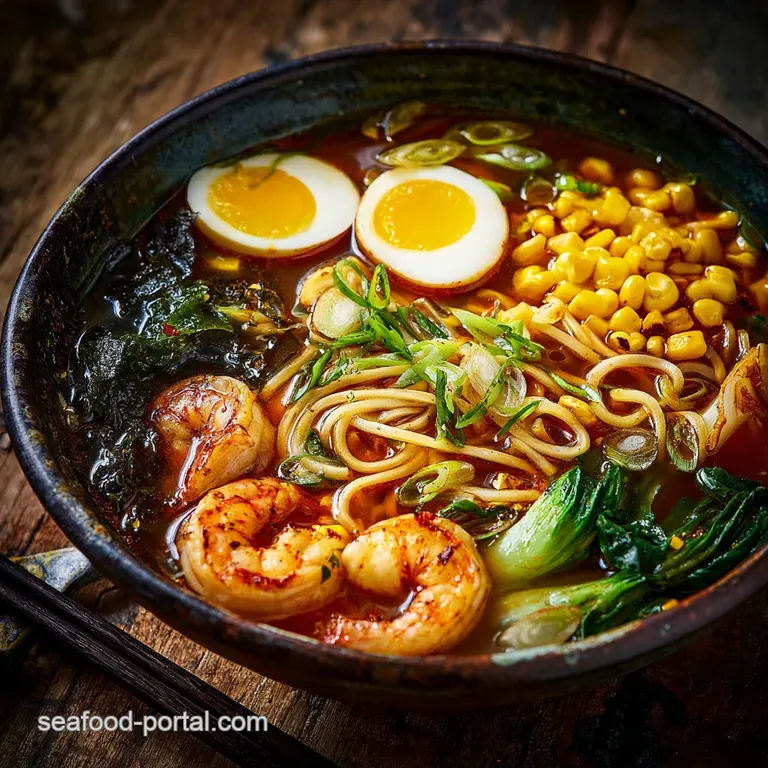
Choosing Your Noodle: Fresh vs. Dried and Optimal Texture
Listen, you can use those square packets of dried instant noodles, but if you want real ramen, you need proper noodles. Fresh ramen noodles, usually found in the refrigerated section of your supermarket, have the right chew and bounce ( koshi ).
They usually cook in 90 seconds to 3 minutes. If you’re pressed for time but need a delicious, quick noodle fix, you might also like my recipe for [Sesame Garlic Ramen Noodles: The 15 Minute Easy Weekweeknight Fix].
Deciphering the Miso Varieties: Red, White, or Awase?
Miso choice is crucial for Spicy Miso Ramen. Red Miso (Akamiso) is fermented for longer, giving it a much saltier, deeper, and more pungent taste perfect for standing up to chili heat.
White Miso (Shiromiso) is sweeter and milder; save that for delicate dishes like my [MisoMarinated Black Cod: Restaurant Quality Silken Umami Recipe]. Awase Miso is a mixture of the two and works as a good compromise if you can't find red.
| Miso Variety | Fermentation Time | Flavor Profile | Best Use for Ramen |
|---|---|---|---|
| Red (Akamiso) | Longest (1 3 years) | Earthy, intense, salty | Spicy/Heavy Broths |
| White (Shiromiso) | Shortest (under 1 year) | Sweet, mild, subtle | Light/Clear Broths |
| Awase (Mixed) | Medium | Balanced, versatile | General Purpose |
Must Have Aromatics for the Quick Broth Base
Because we aren't spending 12 hours making pork stock, we rely on immediate aromatic boosters. Ginger and garlic in the tare are non-negotiable. For the broth base, using dried shiitake mushrooms and kombu is absolutely key.
These two ingredients flood your chicken stock with deep umami within 30 minutes. Just remember to remove the kombu as soon as the water simmers, or it gets slimy!
Garnishes That Elevate: Scallions, Corn, and Chili Oil
The simplest garnishes make the biggest impact here. Thinly sliced scallions add a necessary fresh bite. A little bit of sweet corn balances the intense spice and salty miso beautifully. If you love texture contrast, consider adding a scoop of crunchy menma (bamboo shoots).
If you happen to have any leftover toppings, they would make a great addition to this [Ramen Noodle Salad Recipe: The Ultimate Crunchy Asian Slaw].
step-by-step Guide: Mastering the Spicy Miso Ramen Technique
Chef's Note: Mise en place is critical here. Have all your toppings sliced, eggs peeled, and broth base simmering before you start the tare.
Phase 1: Preparing and Developing the Fiery Miso Tare
Start by heating neutral oil in a small pan, medium low heat is best. Add the minced garlic and grated fresh ginger. You want them fragrant, filling your kitchen with that amazing smell, but do not let them brown or burn. That taste is bitter and will ruin your broth.
After a minute, stir in the red miso, Tōban jan, soy sauce, and sake. Cook this mixture gently for 3– 4 minutes until it looks darker and smells toasted. This is where the magic happens!
Finally, ladle 1 cup of your hot broth into the mixture and whisk it aggressively until perfectly smooth. Remove from heat and keep it warm.
Phase 2: Simmering the Quick Aromatic Broth Base
In your main pot, combine the chicken stock, water, kombu, and dried shiitake mushrooms. Bring this up to a very gentle simmer; we are just infusing the flavor, not having a rolling boil. As soon as you see small bubbles, pull the kombu out immediately.
Let the broth continue to simmer gently for at least 30 minutes to extract all that earthy shiitake goodness. Before assembling, use a strainer to remove the shiitake and any cloudiness.
Phase 3: The Assembly Line: Noodle Prep and Final Bowl Construction
You need a separate pot of boiling water for the noodles. Cook them just until al dente they will finish cooking in the hot broth. While they cook, place a quarter cup of your warm miso tare into the bottom of each serving bowl. Add a teaspoon of toasted sesame oil to the tare now too.
Ladle the hot, strained broth over the tare and whisk it immediately with the ladle until the tare is completely dissolved into the broth. Drain and add the noodles, topping with your sliced protein and garnishes. Serve it right now!
Elevated Techniques and Troubleshooting Your Ramen Broth
Achieving the Ideal Ramen Egg (Ajitama) Consistency
The perfect Ajitama (marinated soft boiled egg) is 6.5 or 7 minutes, max. Bring water to a hard boil, gently lower cold eggs in, and set a timer. Immediately transfer the eggs to an ice bath when the timer rings.
This rapid cooling stops the cooking process, guaranteeing that gooey, jammy yolk everyone loves.
Avoiding the "Chalky" Broth: How to Properly Dissolve Miso
A major mistake is dumping cold miso paste directly into the hot, final broth. Miso is like flour; if you add it cold and chunky, it will clump and give your broth a grainy, chalky texture.
By creating the tare first (mixing the miso with fat and then a small amount of liquid), you effectively create a slurry or emulsion, ensuring it dissolves completely when combined with the larger volume of broth.
Adjusting Heat Levels: Customizing the Spice Without Losing Depth
If you are serving people with differing spice tolerances, handle the Tōban jan (chilli bean paste) carefully. Reduce the amount used in the main tare recipe, and instead, offer a separate dish of chili oil or the remaining Tōban jan on the table.
Always adjust the spice in the tare base, not the broth itself. This keeps the fundamental umami flavor intact for everyone.
Practical Prep: Storage, Freezing, and Pairing Your Spicy Miso Ramen
The Rules of Storage: Separating Broth from Noodles for Optimal Quality
Ramen noodles are like sponges. If you leave them sitting in the broth, they swell up, absorb all the liquid, and become mushy. You must store the remaining broth and noodles separately! The broth keeps beautifully in an airtight container in the fridge for up to 4 days.
The noodles should be stored drained and covered, lasting maybe 2 days tops before they start to degrade.
Can You Freeze Ramen Broth? Best Practices for Longevity
Yes, absolutely! Ramen broth freezes wonderfully. Pour the completely cooled broth into freezer safe containers, leaving about an inch of headspace because liquid expands. It will last 3 4 months. When thawing, just move it to the fridge overnight.
You might notice a bit of separation, but a good whisk when heating will bring it right back together.
Quick Reheating: How to Bring Your Spicy Miso Back to Life
To reheat the broth, simply simmer it gently on the stovetop until piping hot. Do not let it boil aggressively for long. To reheat leftover noodles, the best trick is to dunk them in a wire mesh strainer into boiling water for 30 seconds.
This flash reheat restores some of their springiness and removes any sticky residue. Assemble your fresh bowl using the hot broth and reheated noodles.
What to Drink with Intense Umami: Suggested Pairings
Because this dish is spicy, rich, and intensely savory, you need something crisp and clean to balance it out. Skip anything heavy or overly sweet. A crisp, dry Japanese rice wine (sake) or a light, bright lager is a classic choice.
If you prefer non-alcoholic, chilled sparkling water with a slice of lime cuts through the fat and heat perfectly.
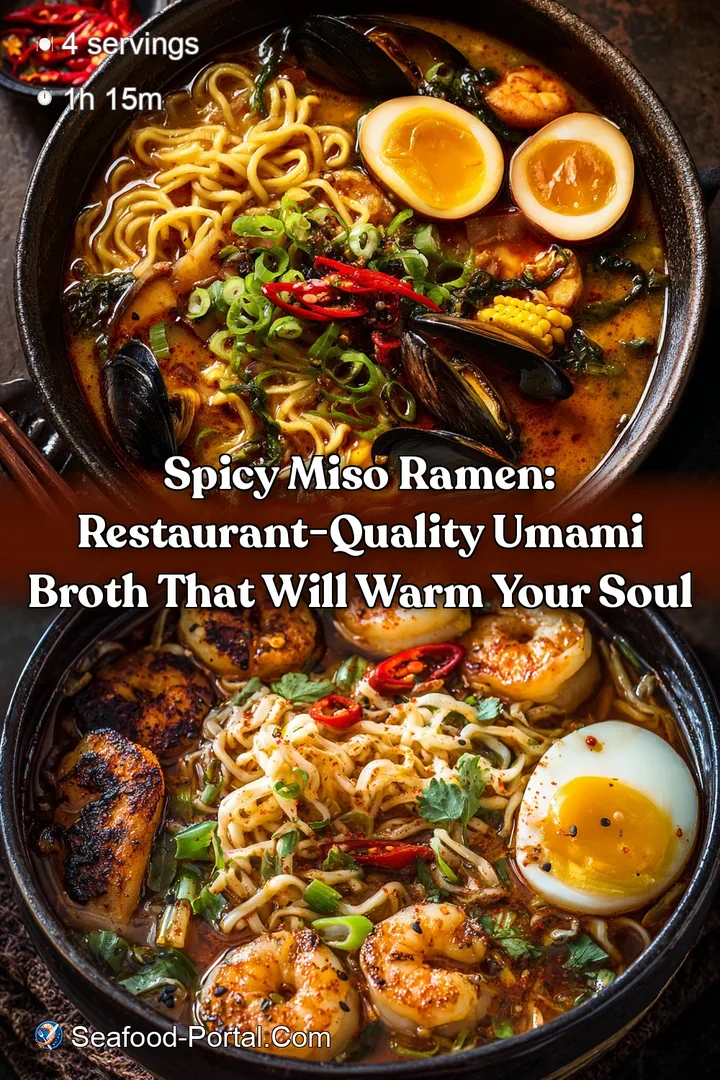
Recipe FAQs
How can I achieve deep broth flavor without simmering stock for hours?
Focus heavily on the tare (flavor base) and using high-quality ingredients like mushroom powder or dried kombu to boost umami rapidly. Sautéing your aromatics (ginger, garlic) until they are deeply caramelized before adding the liquid is crucial for developing robust flavor quickly.
I don't have doubanjiang (chili bean paste). What's a good substitution for the heat and fermentation?
A combination of gochujang (Korean chili paste) and a small amount of fermented black bean paste provides the necessary heat, depth, and fermentation tang. Alternatively, a high-quality Chinese chili oil with sediment (like Lao Gan Ma) can work, though the final flavor profile will be slightly oilier.
My noodles always come out mushy. How do I prevent this?
Always cook your ramen noodles separately in boiling water for exactly the time stated on the package (usually 60-90 seconds) and drain immediately. Never cook the noodles directly in the ramen broth, as the starch will dilute the soup and the residual heat will continue to overcook the noodles.
Can I make this Spicy Miso Ramen completely vegan?
Absolutely. Replace the chicken or pork stock with a rich mushroom and kombu dashi, ensuring you simmer the dried ingredients for maximum extraction. Substitute any meat toppings with crispy pan-fried tofu or marinated king oyster mushrooms for texture, and confirm your miso paste is free of bonito flakes.
My broth tastes too salty after adding the miso paste. What should I do?
Saltiness often occurs if the miso is added too early or cooked too vigorously, which concentrates the flavor; always stir it in right at the end. You can balance the flavor by adding a touch of neutral liquid (like unseasoned hot water or sake) and offsetting the salt with a dash of rice vinegar or mirin for sweetness.
How should I store leftover ramen, and can I freeze the broth?
Store the broth, cooked noodles, and prepared toppings separately in airtight containers in the refrigerator for up to three days for the best quality. The prepared miso broth freezes exceptionally well (without any fresh scallions or dairy additions) for up to two months, thawing slowly before reheating gently on the stovetop.
What is the secret to getting perfect soft boiled ramen eggs (Ajitama)?
Boil large eggs for exactly 6 minutes and 30 seconds for a beautifully jammy yolk, and immediately transfer them to an ice bath to halt cooking and ensure easy peeling. Once peeled, marinate the eggs for at least 6 hours, or preferably overnight, in a mixture of soy sauce, mirin, and water.
Spicy Miso Ramen In 90 Minutes
Ingredients:
Instructions:
Nutrition Facts:
| Calories | 512 kcal |
|---|---|
| Protein | 21.1 g |
| Fat | 25.6 g |
| Carbs | 37.2 g |
