Prawn Stars Spicy Garlic Butter Headon Shrimp with Smoked Paprika
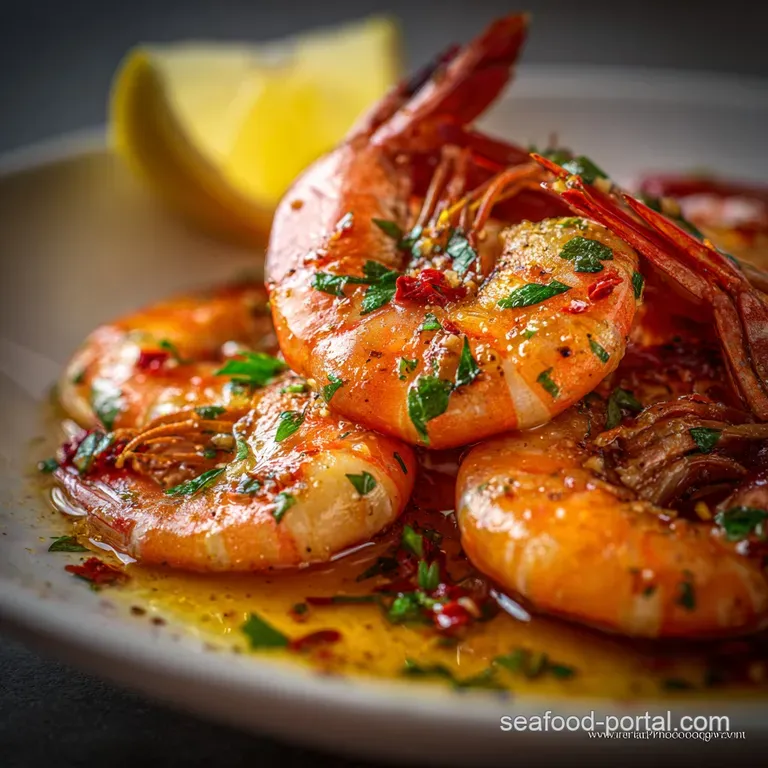
- Harnessing the 'Liquid Gold': Why Head-on Shrimp Elevate the Dish
- From Gambas to Glory: The Spicy Smoked Paprika Spin
- Assembling Your Culinary Cast: Essential Head-on Shrimp Ingredients
- Step-by-Step Mastery: Cooking Your Head on Shrimp to Perfection
- Maximizing Your Meal: Serving Suggestions and Troubleshooting
- Beyond the Platter: Variations and Storage Wisdom
- Recipe FAQs
- 📝 Recipe Card
Harnessing the 'Liquid Gold': Why Head-on Shrimp Elevate the Dish
For the seasoned cook and the curious foodie alike, choosing whole, shell-on crustaceans fundamentally changes the outcome of any dish. When preparing seafood, the shell acts as nature’s insulator, protecting the delicate meat inside from drying out under high heat.
But the real secret weapon, especially in our Head on Shrimp preparation, lies in the head itself. These portions are packed with natural juices and fats that, when introduced to hot butter and aromatics, create a sauce foundation far richer and more complex than anything achievable with peeled shrimp.
This is the essence of why this style of preparation is so beloved in coastal cuisines worldwide; it transforms simple shellfish into luxurious fare. Utilizing these whole ingredients is the first step toward creating truly memorable Whole Shrimp Recipes .
From Gambas to Glory: The Spicy Smoked Paprika Spin
Our specific interpretation of this classic preparation draws inspiration heavily from the traditional Spanish tapas dish, Gambas al Ajillo . We take that foundational concept shrimp rapidly sautéed in copious amounts of garlic infused oil and introduce a bold, smoky profile via paprika and a controlled burst of heat.
The result is a vibrant, fiery dish we call Spicy Garlic Butter Shrimp , where the intense flavour extraction from the heads melds beautifully with the aromatics.
This fusion approach gives the Gambas al Ajillo Recipe a distinct American South and Southwestern flair, proving that sometimes the best recipes are those that borrow the best techniques from around the globe.
What is Tomalley and Why You Need It
The crucial component that elevates this simple dish to "liquid gold" status is the tomalley. Often misinterpreted or overlooked, tomalley refers to the soft, orange green digestive juices found within the head of the shrimp and other crustaceans.
As the shrimp sear in the hot skillet, the tomalley releases naturally into the surrounding fat in this case, our melting butter and olive oil. This natural paste acts as an incredible flavour booster, intensifying the seafood essence, while also working as an emulsifier, lending the final sauce a glossy, rich thickness that simply cannot be achieved using just butter.
When you see the sauce turn a deep, beautiful reddish orange hue, you know the tomalley has done its job.
The Simple Art of Sautéing vs. Stir Frying
To achieve the ideal texture for Head on Shrimp , we must employ a high heat, fast acting sauté technique. Unlike stir frying, which often involves high volume and movement, sautéing requires the ingredients to be placed in a single, uncrowded layer on a hot cooking surface.
This ensures maximum contact with the heat, resulting in a true sear rather than steaming. The total cooking time for the shrimp should be kept extremely short just about 1.5 to 2 minutes per side.
This aggressive, quick cooking prevents the shrimp meat from becoming tough or rubbery, making this a true 10-minute cook time recipe that hinges entirely on precision and heat management.
The Essential Tools for a 15-Minute Feast
Speed and heat retention are paramount here, demanding specific equipment. The single most important tool is a 12 inch cast iron skillet or a heavy stainless steel pan .
Cast iron is preferred because its ability to hold and distribute heat evenly ensures that when the shrimp hit the surface, the temperature doesn't drop drastically, guaranteeing a proper sear. Plus,, you will require long tongs for turning the shrimp quickly and a microplane for zesting the lemon right before serving.
Assembling Your Culinary Cast: Essential Head-on Shrimp Ingredients
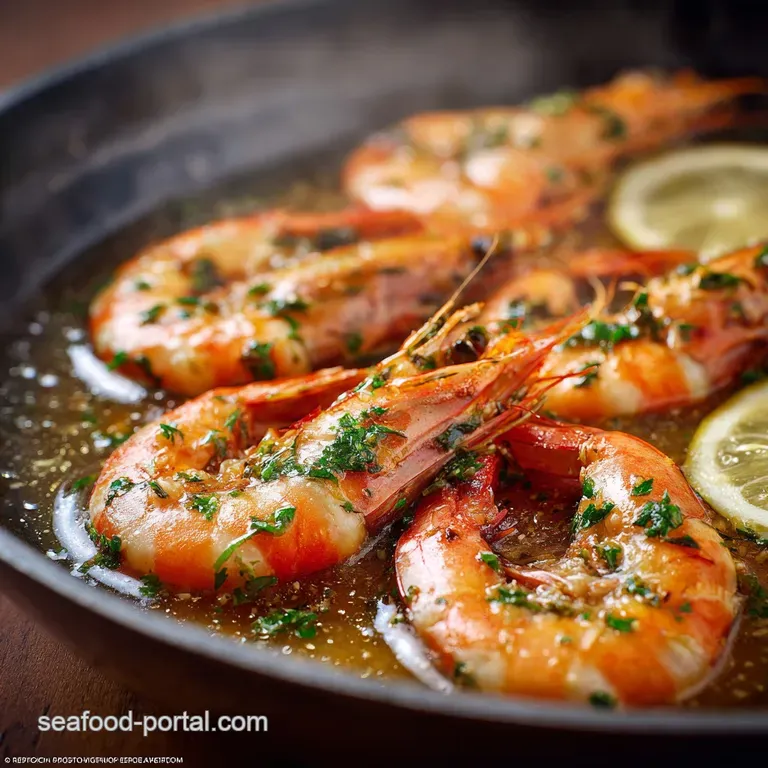
Creating a powerhouse sauce requires top-tier ingredients. This recipe is fundamentally simple, relying on the quality of the shellfish and the perfect balance of aromatics.
Selecting the Freshest Shellfish for Optimal Flavor
We call for 1.25 pounds of large Head-on Shrimp (typically U/10 or U/15 size), ensuring they are as fresh as possible. Once rinsed, the critical preparation step is patting them bone dry. Any residual moisture will impede searing and result in a pale, steamed product.
While we leave the heads and shells intact for flavor, we recommend carefully de-veining the shrimp through the back to ensure the best eating experience. The dry shrimp are tossed with 2 tablespoons of high smoke point Extra Virgin Olive Oil, 1 teaspoon of smoked paprika, 1/4 teaspoon of cayenne pepper (adjust heat level accordingly), salt, and pepper.
The Allium Arsenal: Garlic and Shallot Preparation
The aromatic foundation is built almost entirely upon six large cloves of garlic, which must be thinly sliced rather than minced. Slicing provides maximum surface area for flavor infusion while preventing the tiny pieces from burning in the hot fat, a common pitfall in high heat recipes.
Six tablespoons of cold, unsalted butter are also essential; keeping the butter cold and cubed ensures it properly emulsifies into the sauce at the end, rather than separating into oily liquid.
Smoky Secrets: Choosing the Right Paprika and Seasonings
The distinct depth of this dish comes from the paprika. We specify sweet or mild smoked paprika , providing that deep, woodsy note without excessive heat. The required heat comes from the cayenne.
For deglazing the pan after the initial sauté of the aromatics, 2 tablespoons of dry sherry (Fino or Amontillado) or a dry white wine provides the perfect acid lift, cutting through the richness and lifting any caramelized bits from the pan (known as fond).
Must Have Equipment Checklist
Beyond the cast iron pan, ensure you have a large mixing bowl for seasoning the shrimp, a sharp knife and cutting board for precise slicing of the garlic, and a microplane ready for the final lemon zest application.
Related Recipes Worth Trying
- Foolproof Steamed Shrimp with Old Bay and LemonChive Butter — The quickest way to gorgeous seafood Learn how to cook Steamed Shrimp perfectly in just 7 minutes Tender sweet and spiced A foolproof quick shrimp recipe
- Zesty Lime Shrimp Nachos with Silky Homemade Queso — Elevate your pub grub These quick Spicy Seafood Nachos feature zesty chipotle shrimp and foolproof silky homemade queso A proper flavour fiesta ready in 35 mins
- 30Minute Cajun Shrimp Scampi Creamy Pasta Meets the Bayou — Forget faffing about This 30minute Cajun Shrimp Scampi recipe delivers maximum flavour We blend buttery scampi richness with the spicy Creole Trinity for a...
step-by-step Mastery: Cooking Your Head on Shrimp to Perfection
This Head on Shrimp Recipe requires swift, focused execution. Total active cooking time is designed to be around ten minutes, delivering maximum flavor with minimum fuss.
The Foundation: Blooming the Aromatics and Spices
Begin by melting the first 2 tablespoons of cubed butter in your cast iron skillet over medium high heat. Once foamy, reduce the heat slightly to medium and add the sliced garlic and 4 sprigs of fresh thyme. Sauté gently for 60 to 90 seconds.
The goal is to make the garlic fragrant and just starting to pale gold, signaling that the essential oils have bloomed, but critically, stopping short of browning or burning, which would ruin the final flavour.
Searing the Shellfish: Timing is Everything for Head-On Shrimp
After the aromatics are fragrant, pour in the dry sherry or wine and allow it to bubble vigorously for about 30 seconds, scraping the bottom of the pan to capture the flavor essence. Next, increase the heat back to medium high.
Add the seasoned shrimp, ensuring they are placed in a single layer to guarantee even searing you may need to work in two quick batches, which is far superior to overcrowding. Sear the shrimp for 1.5 to 2 minutes per side.
When preparing Shrimp With Head Recipes , it is crucial to observe the shells turning bright pink orange, indicating they are just done.
Building the Sauce: Extracting the Richness from the Heads
Immediately after searing, reduce the heat to low. Add the remaining 4 tablespoons of cold butter, one cube at a time, swirling the pan continuously. This technique, known as mounting the sauce with butter ( monter au beurre ), ensures the cold fat emulsifies the pan juices.
Simultaneously, the heat from the already cooked shellfish encourages the flavourful tomalley within the heads to leak into the butter sauce, transforming it into the velvety, deep orange consistency we desire.
Final Flourish: Deglazing and Finishing Touches
Once the sauce is thick and glossy, stir in the lemon zest. Taste and adjust the final seasoning of salt and pepper. Remove the pan from the heat immediately, preventing any further cooking.
Finish the Head on Shrimp Simple preparation by squeezing the fresh lemon juice over the top and scattering a generous 1/4 cup of chopped fresh parsley. Serve directly from the skillet to maintain warmth and maximize the rustic presentation.
Maximizing Your Meal: Serving Suggestions and Troubleshooting
The intensity of this rich, spicy, garlicky dish means the best accompaniment is something that can soak up every last drop of the liquid gold sauce. If your sauce breaks (separates into oil and liquid), it usually means the heat was too high when the final butter was added, or the butter was too warm.
If this happens, remove the pan from heat and whisk vigorously while adding a tiny splash of cold water or stock to bring the sauce back together. Serve this immediately to enjoy the shrimp at their perfectly cooked peak.
Beyond the Platter: Variations and Storage Wisdom
The Ideal Accompaniment: What to Serve Alongside this Prawn Star Dish
The key element for serving is a vessel for the sauce. A sliced, crusty sourdough loaf or a fresh French baguette is absolutely essential for dipping. To balance the richness of the butter, a simple, crisp green salad dressed with a light lemon vinaigrette provides necessary acidity and freshness.
For beverage pairings, a cold glass of Spanish Albariño or a dry Cava works beautifully to cut through the fat and complement the seafood's flavor profile.
Pro Tip: Shell Removal After Cooking (The Best Way to Eat Head on Shrimp)
While some diners are hesitant about eating the heads, the flavor is incomparable. The traditional method for eating this dish involves first grasping the head and gently sucking the concentrated juices the savory, smoky butter, garlic, and tomalley directly from the shell.
The body can then be peeled easily and eaten whole, allowing the shell to enhance the flavor while protecting the meat.
Quick Recipe Hacks: Spicy Level Adjustments and Herb Swaps
If you are looking to simplify or vary this recipe, there are many avenues. For a less intense heat, simply omit the cayenne pepper and rely solely on the smoked paprika. If thyme is unavailable, fresh rosemary or finely chopped oregano can be swapped in, although this will change the Mediterranean profile.
For a completely different but equally delicious outcome, the seafood can be seasoned and quickly cooked over high heat, creating amazing Head on Shrimp Grilled skewers, with the garlic butter sauce served on the side as a dipping option.
Handling Leftovers: Safe Storage and Reheating Methods
Cooked shrimp should be stored in an airtight container in the refrigerator and consumed within 2 to 3 days. Reheating must be handled carefully to avoid turning the already cooked meat tough. The best method is to employ the gentle heat of the oven or a low-temperature sauté.
To reheat Head on Shrimp in Oven , spread them on a foil lined baking sheet and warm them at a low temperature (around 250° F or 120° C) for 5 to 7 minutes until just warmed through, potentially adding a splash of stock or a small pat of fresh butter to refresh the sauce.
Avoid microwave reheating entirely, as it guarantees a rubbery result.
Recipe FAQs
Right, I’m keen to try these head on shrimp, but what about the gross bits? Do I need to clean the heads or devein them?
Absolutely not on the heads! That delicious orange green paste, known as tomalley, is the secret weapon for flavour in this dish it mixes into the butter sauce, turning it into "liquid gold." However, for hygiene, we do recommend deveining the shrimp by making a small cut down the back and carefully pulling the vein out, ensuring the head and shell stay intact.
It's a bit fiddly, but worth the elbow grease for peace of mind.
Help! Every time I cook shrimp, they turn out rubbery. What's the secret to keeping this Head on Shrimp tender and juicy?
The key is a hot pan and very brief cooking time this dish is a sprint, not a marathon! Aim for 1.5 to 2 minutes per side; the total time in the pan should not exceed four minutes.
The shell on the shrimp acts like a little jacket, helping to protect the meat, but the moment they curl into a gentle 'C' shape, they are done. Don't linger, or you'll have the texture of an old car tyre.
The sauce looks divine how do I stop the butter splitting and make sure I get that rich, glossy emulsion?
The secret weapon is using cold butter cubes right at the end, added off the heat or on the lowest possible setting. Swirl the pan continuously as the cold butter melts; this creates a stable emulsion (a proper classic maître d' hotel move) where the fat and liquid integrate beautifully.
This trick prevents the dreaded split sauce, ensuring that glossy, creamy finish that begs for crusty bread.
What should I serve with this? And can I use this recipe if I can only find regular peeled prawns?
A crusty baguette or proper sourdough is absolutely non-negotiable for soaking up every last drop of the spicy garlic butter. A simple side salad with a sharp vinaigrette offers a fresh contrast to the rich butter.
If you absolutely cannot find large Head on Shrimp, use the largest shell-on variety available; the shell still provides excellent flavour and protection, but you will miss the intense flavour contribution of the head juices.
This recipe looks like a proper treat, but what’s the crack with leftovers and reheating seafood?
Honestly, this dish is best scoffed immediately, straight from the hot pan! However, if you have leftovers, cool them rapidly and store them in an airtight container in the fridge for up to two days.
When reheating, do it very gently on low heat or in a low oven (around 150°C/300°F) with a splash of stock or water to prevent the delicate shrimp meat from drying out.
Spicy Garlic Headon Shrimp
Ingredients:
Instructions:
Nutrition Facts:
| Calories | 1248 kcal |
|---|---|
| Protein | 16.6 g |
| Fat | 24.2 g |
| Carbs | 62.6 g |
| Fiber | 22.5 g |
| Sodium | 498 mg |
