Spicy Southern Fried Catfish with Mustard Sauce: the Firecracker Fish Recipe
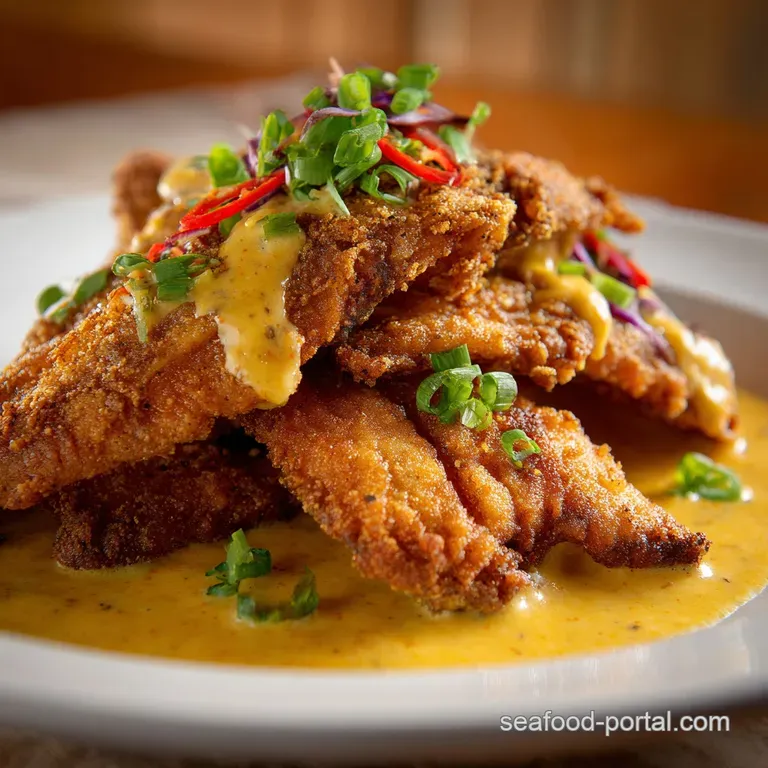
- The Firecracker Fish: Mastering Spicy Southern Fried Catfish With Mustard Sauce
- The Science of Southern Flavor: Why This Recipe Triumphs
- Essential Components and Smart Substitutions
- Step-by-Step Guide: Crafting the Firecracker Fish
- Expert Techniques and Avoiding Common Fried Fish Fails
- Preserving Freshness: Storage and Reheating Guidelines
- Pairing Perfection: What to Serve Alongside Spicy Southern Fried Catfish With Mustard Sauce
- Recipe FAQs
- 📝 Recipe Card
The Firecracker Fish: Mastering Spicy Southern Fried Catfish With Mustard Sauce
That sound, though. That perfect crunch as you bite into the fiery crust of real Southern Fried Catfish is just magic. The aroma of smoked paprika and cornmeal sizzling in hot oil immediately teleports me straight to a backyard fish fry, and the heat builds on the back of your tongue just perfectly.
You know the smell; it’s utterly addictive.
Honestly, fried fish can seem intimidating, but this recipe is surprisingly weeknight friendly and inexpensive, instantly reviving a dull Tuesday. I spent years messing up the crust, getting it greasy, bland, or having the coating slide right off the fillet in the oil, but those dark times are finally over.
This method gives you perfect results every single time.
We are ditching the guesswork and focusing on the three crucial things that make this Spicy Southern Fried Catfish With Mustard Sauce a truly perfect plate of food. Forget those sad, soggy attempts of the past; grab your apron, and let's make some Crispy Catfish.
The Science of Southern Flavor: Why This Recipe Triumphs
Why Buttermilk is the Secret to Tender Catfish
Buttermilk is not just for flavor; it’s an essential textural component. The slight acidity in buttermilk starts to gently denature the proteins in the catfish fillets, resulting in fish that remains moist and incredibly tender after a over high heat fry.
It acts as the ultimate tenderizer and flavor delivery vehicle.
The Art of the Ultra Crispy Cornmeal Crust
We are not making a bland flour dredge here, friend. Mixing the all-purpose flour with coarse yellow cornmeal is what delivers that iconic, unapologetic rustic crunch that defines true Southern Fried Catfish. The cornmeal texture locks in the spices, ensuring every bite is explosive.
Balancing the Heat: From Marinade to Finish
The heat in this recipe comes in two waves. First, a Louisiana style hot sauce is mixed into the marinade, giving the fish a foundational heat that permeates the meat. Second, cayenne pepper and paprika in the dredge build the exterior fire, which is then brilliantly balanced by the cool, tangy Piquant Honey Mustard Sauce.
The Buttermilk Soak: Denaturing Proteins for Tenderness
This soak phase is mandatory, not optional. Letting the catfish fillets sit in the buttermilk mixture for at least 30 minutes, sometimes longer, is key to maximum moisture retention.
Don't worry about the coating sticking; the thick, clingly quality of the buttermilk acts as the perfect adhesive for the dry dredge.
Achieving the Perfect Golden Brown Maillard Reaction
The goal is that deep golden brown crust, and the only way to get there without overcooking the fish is through proper temperature control and patience. Too cool, and the fish gets greasy; too hot, and it burns before the inside cooks. Trust the thermometer.
Flavor Contrast: Cool, Piquant Sauce vs. Fiery Crust
The magic of this dish truly lies in the contrast. That thick, tangy, cool Mustard Sauce for Catfish cuts through the richness of the fried oil and balances the fiery crust beautifully. It is a necessary pairing; don't skip the sauce!
Essential Components and Smart Substitutions
The Must Haves for the Fiery Catfish Breading
You absolutely need quality cornmeal here; avoid the finely ground "instant" stuff, as it doesn't give you the necessary texture. The blend of smoked paprika and cayenne is what makes this a true "Spicy Southern Fried Catfish" recipe.
Assembling the Piquant Honey Mustard Sauce Base
This quick sauce is mostly pantry staples. We use both Dijon and standard yellow mustard to achieve maximum flavor depth and tang, which is mellowed out beautifully by honey and rich mayonnaise. You can make this sauce up to three days in advance, and it tastes even better when the flavors marry overnight.
Selecting the Best Catfish Fillets (Fresh vs. Frozen)
Look for farm raised fillets, which tend to have a milder flavor profile than wild caught options. If using frozen catfish, make sure they are completely thawed and, most importantly, thoroughly patted dry before they hit the marinade. Excess water equals a weaker crust.
Oil Selection: Choosing the Right Medium for Deep Frying
You need an oil with a high smoke point for frying. Peanut, vegetable, or canola oil are your best bets, as they won't break down or impart weird flavors at 350°F (175°C). Avoid olive oil or butter for frying, obviously.
| Ingredient | Substitute (If You Must) | Why It Works |
|---|---|---|
| Catfish Fillets | Tilapia or firm Cod | Similar flaky texture, mild flavor profile |
| Buttermilk | Whole Milk + 1 tbsp vinegar/lemon juice | Creates necessary acid to tenderize and adhere |
| Yellow Cornmeal | Fine Semolina or Breadcrumbs | Provides rough texture for crunch |
| Honey (in sauce) | Maple Syrup or Agave Nectar | Maintains necessary sweetness and viscosity |
step-by-step Guide: Crafting the Firecracker Fish
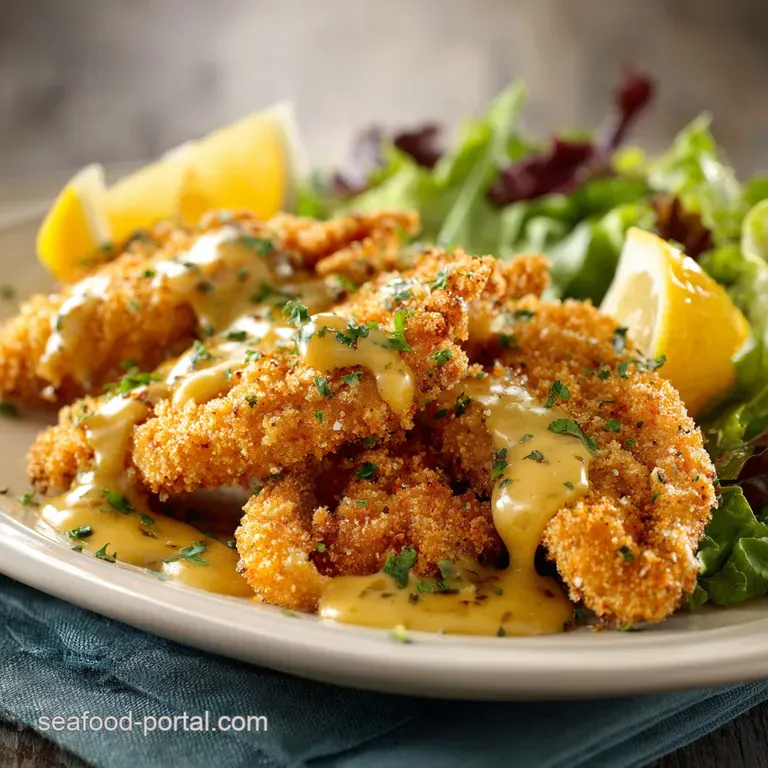
Phase I: Marinating the Catfish for Maximum Spice Penetration
- Prep the Fish: Pat all four catfish fillets aggressively dry with paper towels. Get rid of that surface moisture!
- Combine Marinade: In a wide bowl, whisk together the buttermilk and two tablespoons of your favorite hot sauce.
- Soak: Submerge the fillets, ensuring they are fully covered. Cover the dish and refrigerate for a minimum of 30 minutes.
Phase II: Preparing the Dry Breading and Dredging Technique
- Mix the Dredge: In a separate shallow dish, thoroughly whisk together the flour, cornmeal, paprika, cayenne, garlic powder, onion powder, thyme, salt, and pepper. You want this seasoning spread evenly.
- Dredge Aggressively: Remove the fish from the marinade, letting the excess liquid drip off for a second (but don't shake it completely dry). Press the fillet FIRMLY into the dry dredge mixture on all sides.
- Resting Rule: Place the fully coated fish on a clean plate or small wire rack and let it sit at room temperature for 10 minutes. This resting time helps the crust adhere and prevents it from falling off in the hot oil.
Phase III: Perfecting the Piquant Honey Mustard Dipping Sauce
- Whisk the Sauce: In a small bowl, combine the mayonnaise, both mustards, honey, vinegar, and Worcestershire sauce.
- Seasoning Check: Taste it and adjust the honey for sweetness or the vinegar for tang. Add a pinch of salt and pepper; this should be noticeably piquant to offset the heat of the fish.
- Chill: Cover the sauce and stick it straight into the fridge while you fry the fish. The cooling makes the contrast even better.
Phase IV: Achieving the Optimal Frying Temperature
- Heat the Oil: Pour your high smoke point oil into a heavy bottomed skillet (cast iron is best) until it’s about 3/4 inch deep. Heat over medium high heat.
- Monitor Temp: Attach your deep fry thermometer and wait patiently until the temperature hits 350°F (175° C) .
- Fry in Batches: Carefully lower two fillets into the hot oil using tongs. Fry for 3– 4 minutes per side, turning gently when the edges look dark gold.
- Drain and Season: Remove the Crispy Catfish and immediately place it onto a wire rack set over a sheet pan. Give it a final pinch of salt right away. Continue frying the remaining fillets, ensuring the oil temperature stays stable between batches.
Crucial Chef’s Note: Do NOT overcrowd the pan. Frying more than two fillets at once drops the oil temperature immediately, resulting in greasy, soggy fish. We are making restaurant quality food here, so take your time and do it right.
Expert Techniques and Avoiding Common Fried Fish Fails
How to Prevent a Soggy Catfish Crust (The Double Dip Method)
While this recipe uses a single, wet-to-dry dredge, the key to preventing sogginess is resting the breaded fish before frying, as described above. Plus,, never drain the fried fish on paper towels. Paper towels trap steam, which instantly compromises the crunch.
Use a wire rack every single time!
Temperature Control: Ensuring the Fish is Cooked, Not Burned
If your oil temperature drifts above 375°F (190°C), the cornmeal will burn before the interior of the fish is cooked through. If it drops below 340°F (170°C), the fish will absorb excess oil.
You must use a thermometer and constantly adjust your heat source to keep that sweet spot of 350-365°F.
Salt Timing: Seasoning the Fish vs. Seasoning the Coating
You season the marinade, which penetrates the fish, and you season the dredge, which provides the exterior flavor. But the most important seasoning moment is immediately after the fish comes out of the hot oil.
The oil is still bubbling, and the hot surface grabs that final sprinkle of Kosher salt perfectly.
Preserving Freshness: Storage and Reheating Guidelines
Best Practices for Storing Leftover Fried Catfish
Let the fried catfish cool completely to room temperature before storing it. If you stack hot fish, the crust will steam itself soft. Once cool, store the fillets in an airtight container in the refrigerator for up to 3 days. Keep the [Piquant Honey Mustard Sauce] separate.
Reheating Catfish Without Losing the Crunch
Please, for the love of all that is crispy, do not microwave fried fish. The best way to revive that Spicy Southern Fried Catfish is in an oven or air fryer.
- Oven: Preheat to 350°F (175°C). Place the fish on a wire rack set over a baking sheet and bake for 10– 12 minutes until heated through and the crust is crisp again.
- Air Fryer: Heat the fryer to 375°F (190°C) and cook for about 5– 7 minutes.
Can You Freeze Uncooked, Breaded Catfish?
You bet, and it saves so much time! After dredging the fillets, place them on a parchment lined sheet pan (don't let them touch). Freeze for 1- 2 hours until solid. Then transfer them to a freezer bag or container. They last about 2 months.
To cook, fry them directly from frozen (increase the frying time by 2- 3 minutes per side).
Pairing Perfection: What to Serve Alongside Spicy Southern Fried Catfish With Mustard Sauce
This Easy Catfish Dinner needs sides that offer textural and temperature contrast. You’ve got the heat, the crunch, and the richness; now you need cool, creamy, and acidic sides.
- The Ultimate Classic: A sharp, vinegary coleslaw provides a cool, crunchy contrast to the hot, spicy fish.
- A Southern Staple: Warm, creamy stone ground grits are traditional, soaking up any stray sauce beautifully.
- Something Fresh: I love serving this alongside a scoop of my tangy SouthernStyle Tuna Macaroni Salad: Creamy, Tangy Picnic Classic — it’s cool, creamy, and surprisingly complex.
- For the Seafood Purist: If you want another speedy seafood option on the table that isn't fried, try my quick Bay Scallops with Lemon Butter: Speedy Restaurant Quality Sear for a fantastic light contrast.
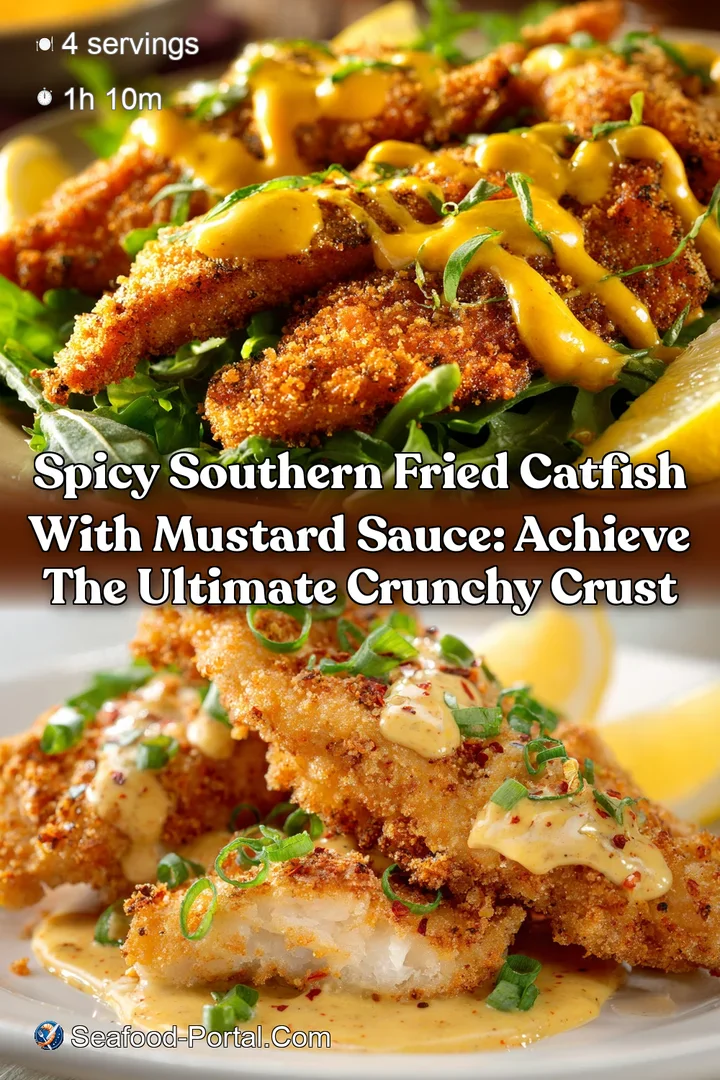
Recipe FAQs
Why is my spicy crust falling off the catfish fillets?
The crust often falls off if it hasn't properly adhered before frying. Ensure the fillets are pressed firmly into the cornmeal/flour mixture, especially after the buttermilk soak. Allowing the dredged fish to rest for 5 10 minutes before frying helps the coating hydrate and stick securely.
What is the ideal temperature for frying, and how long does the catfish need to cook?
The optimal oil temperature for deep frying is 350°F (175°C); use a thermometer to maintain this heat. Catfish fillets typically require 5 to 7 minutes of frying time, depending on thickness, until they float and the internal temperature reaches 145°F (63°C).
Can I use a different type of fish if I don't have catfish?
Absolutely. Any firm, white fleshed fish works well as a substitute, such as tilapia, cod, or basa. Just ensure the fillets are cut to a similar thickness so the cooking time remains consistent with the recipe.
How can I make the "Firecracker Fish" less spicy?
To reduce the heat, completely omit the cayenne pepper from the dry dredging mixture and significantly reduce the amount of hot sauce added to the buttermilk marinade. You can substitute the missing liquid with a little extra plain buttermilk.
How should I store and properly reheat leftover fried catfish?
Store leftovers in an airtight container in the refrigerator for up to 3 days. To restore the crispy texture, reheat the catfish in an oven or air fryer at 350°F (175°C) for 8-10 minutes; avoid using a microwave, which will make the crust soggy.
My Piquant Honey Mustard Sauce is too thin; how can I thicken it?
If the sauce is too runny, whisk in another tablespoon of mayonnaise, or add a pinch of cornstarch mixed with a tiny amount of water (a slurry) to the sauce base. If you prefer, simply let the finished sauce chill in the refrigerator for at least 30 minutes, which naturally helps it firm up.
Can I bake or air fry the catfish instead of deep frying for a lighter preparation?
Yes, you can achieve a great texture using alternative methods. For air frying, cook at 400°F (200°C) for 12 15 minutes, flipping halfway through. If baking, place the fillets on a wire rack and bake at 425°F (220°C) for about 20 minutes, ensuring you spray them lightly with cooking oil beforehand.
Spicy Fried Catfish With Mustard Sauce
Ingredients:
Instructions:
Nutrition Facts:
| Calories | 754 kcal |
|---|---|
| Protein | 30.0 g |
| Fat | 56.0 g |
| Carbs | 30.0 g |
