Quick Homemade Ramen: 20-Minute Miso Ginger Broth
- The 20 Minute Philosophy: Achieving Depth Without the Day-Long Broth Boil
- The Science of Umami: Building Rich Flavor in Record Time
- Essential Components: Gathering Your Miso and Broth Building Blocks
- Master the Process: How to Assemble Your Homemade Ramen Bowl in 7 Steps
- Expert Techniques: Troubleshooting Your Quick Ramen Broth
- Meal Prep Potential: Storage and Reheating Your Speedy Ramen
- Beyond the Bowl: Perfect Pairings for Your Quick Homemade Ramen
- Recipe FAQs
- 📝 Recipe Card
The 20 Minute Philosophy: Achieving Depth Without the Day-Long Broth Boil
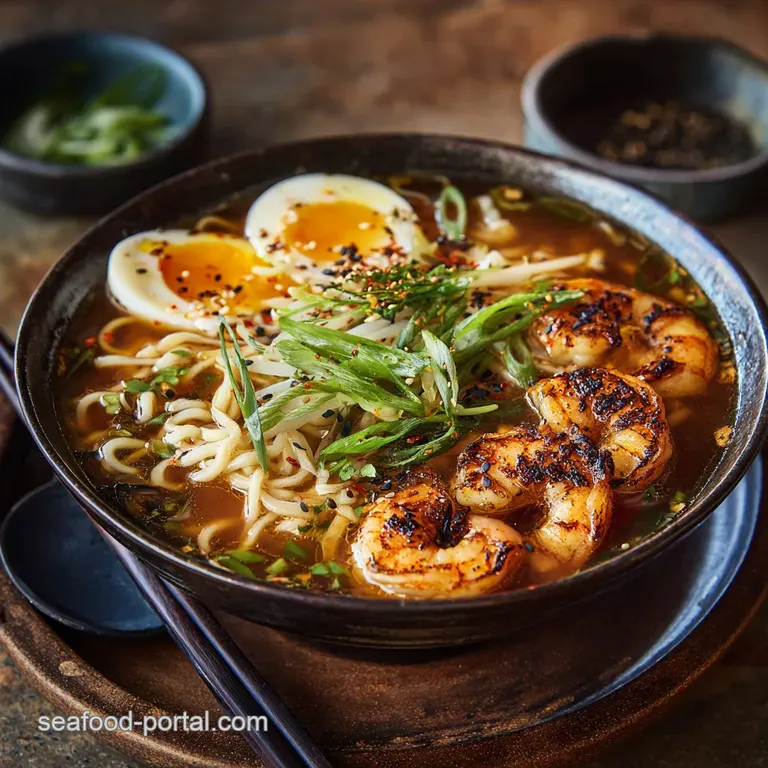
There is truly nothing better than leaning over a steaming bowl of Quick Homemade Ramen , inhaling that fragrant cloud of ginger, garlic, and rich soy sauce. The texture of the slippery, fresh noodles mixed with a perfectly jammy egg yolk just makes me happy dance in the kitchen.
Seriously, it is pure, soul warming comfort food distilled into one deep bowl.
Traditional ramen takes days, and honestly, who has time to babysit pork bones for 16 hours on a Tuesday night? We certainly don't! This Speedy Ramen Recipe is designed for those evenings when you are absolutely starving but still crave something deeply nourishing, meaning it’s perfect for Easy College Meals Ramen or just a desperate weekday supper.
We are dropping the rulebook entirely, my friends. We are going to cheat our way to an incredibly flavourful, umami packed broth that feels like it took forever but is actually ready in under 20 minutes. Let’s crack on and discover the magic of the miso tare .
Why Traditional Ramen Takes Too Long (And How We Cheat)
Authentic ramen requires hours upon hours to break down the collagen in bones, creating that creamy, lip-smacking thickness that coats the noodles. That’s why it’s so luxurious!
Our homemade version skips this step by starting with a high-quality chicken stock foundation and then hyper concentrating the seasonings using aromatics and miso paste.
We are essentially using professional techniques to build the depth layer by layer, rather than waiting for the flavour to extract slowly. The toasted sesame oil and the flash sautéed ginger are absolutely vital in mimicking that deep, slow cooked complexity.
This is how we get a restaurant quality finish without the all-day commitment.
Deconstructing the Perfect Ramen Bowl Components
Even a Quick Homemade Ramen needs structure to be truly satisfying. Every great bowl is built on four crucial components: the Broth (the main liquid), the Tare (the hyper concentrated seasoning base), the Noodles, and the Toppings. Neglect any one, and the whole bowl falls flat.
In this speedy version, the tare is our hero. It’s a paste of miso, soy, and vinegar mixed separately that acts as a flavor anchor at the bottom of the bowl. This method ensures maximum flavor impact when the hot broth hits it.
What Makes This Speedy Supper Ramen Recipe Unique
The core uniqueness of this Easy Ramen Recipe is the combination of immediate aromatic sautéing and the strategic use of white miso paste. We briefly toast the ginger and garlic in neutral oil, which releases their volatile compounds right away, giving the perception of slow cooked depth.
Then, we ensure the miso paste never boils.
Using pre-cooked protein like thinly sliced deli pork or shredded rotisserie chicken also shaves off crucial minutes. We just toss it in the simmering broth for two minutes to heat it up. Instant flavor, instant satisfaction.
The Science of Umami: Building Rich Flavor in Record Time
Umami is that savory, mouth filling sensation, and it is the key to any successful ramen broth. Since we aren’t boiling bones for glutamates, we turn to the most powerful cheat known to cooks: fermentation!
high-quality miso paste is absolutely packed with amino acids that deliver that essential richness immediately.
When you sauté the ginger and garlic, you are creating a fatty, flavor infused oil base before adding the stock. This blooming process dramatically increases the aromatic intensity of the finished broth.
Seriously, just smelling that mixture cook for 60 seconds is enough to tell you that this Quick Ramen Broth is going to be amazing.
Essential Components: Gathering Your Miso and Broth Building Blocks
Getting the right ingredients is 80% of the battle when speed is the objective. Don't skimp on quality here; we rely heavily on these specific elements to carry the weight of the broth. You need a good, low-sodium chicken stock the better the stock, the better the soup.
Harnessing the Power of Miso Tare (The Flavor Bomb Base)
The tare is non-negotiable for authentic tasting ramen. It’s what gives the broth definition and salinity. We use white miso for its balanced flavor, combining it with soy sauce and a touch of rice vinegar for brightness.
If you love a little kick, this is the perfect place to add some chili oil or even a tiny amount of peanut butter for creaminess! If you happen to be building a more intense broth later, like the kind used in Spicy Miso Ramen: Intense Homemade Ramen Broth in Under 90 Minutes , you’ll realize how fundamental this flavor base truly is.
The Role of Aromatic Ginger in Instant Depth
Ginger isn't just for medicinal tea; it provides a necessary, earthy heat that cuts through the richness of the miso and soy. Grating it finely allows it to release its essential oils quickly when it hits the hot pan. We want it fragrant, not browned or burnt!
I once rushed this step and ended up with crunchy, raw chunks of garlic in my broth. Trust me, spending the extra 60 seconds to sauté them properly makes a world of difference.
Noodles Defined: Choosing Fresh vs. Dried Ramen Packs
For the best texture in your Homemade Ramen Bowls , fresh ramen noodles are always the winner. They cook incredibly fast, usually in just 2 or 3 minutes, and they have that signature springy, chewy bite.
Look for them in the refrigerated section of your Asian market or larger grocery store.
If you can’t find fresh, dried ramen noodles are totally fine, but please discard the flavour packets we are making real soup here. Alternatively, if you prefer the crunchier side of things, those dry ramen blocks can also be used for a great slaw base, as shown in my Ramen Noodle Salad Recipe: The Ultimate Crunchy Asian Slaw .
Selecting the Right Type of Miso Paste
We are using white (Shiro) or yellow (Shinshu) miso in this recipe. They offer a milder, slightly sweeter flavor profile that complements the ginger perfectly without overwhelming the broth.
| Miso Type | Flavor Profile | When to Use |
|---|---|---|
| White (Shiro) | Light, mildly sweet, easy to dissolve | Quick Ramen Broth, dressings |
| Yellow (Shinshu) | Earthier than white, versatile, medium salinity | Soups, sauces, marinades |
| Red (Aka) | Very salty, strong, deeply fermented | Use sparingly, or for very strong broths |
Master the Process: How to Assemble Your Homemade Ramen Bowl in 7 Steps

This is a true parallel cooking sprint. We are aiming to have the eggs boiling, the aromatics sautéing, and the noodles ready all at the same time. Keep your eye on the clock and stay focused!
Expert Techniques: Troubleshooting Your Quick Ramen Broth
Step 1: Preparing the Soft Boiled Nitamago Style Eggs
The beautiful jammy egg is essential. You need a small saucepan of water at a rolling boil. Drop the eggs in gently and set the timer for exactly 6 minutes and 30 seconds .
When the timer goes off, yank them out immediately and plunge them into ice water to halt the cooking process. This thermal shock is what creates that perfect molten center, ready for your Homemade Ramen Bowls .
Step 2: Whisking the Ginger Miso Tare Paste
In a small, separate bowl, you will mix the miso, soy sauce, and rice vinegar. Whisk it well until it forms a uniform, thick paste. This concentrated seasoning paste is the key to your delicious, Easy Ramen Recipe . Keep it handy next to your serving bowls!
Step 3: Simmering the Quick Broth Base
Heat your neutral oil, add the garlic and ginger, and sauté until you smell that heavenly, nutty aroma (about 1 minute). Pour in your chicken stock and bring it just to a gentle simmer. Add your toasted sesame oil at this stage and let your pre-cooked protein heat through.
Step 4: Cooking and Draining the Noodles (The Rinse Debate)
Boil your noodles in a separate pot of water. Do not, under any circumstances, boil the noodles in the ramen broth. Starch from the noodles will thicken and cloud your beautiful soup, which we want to avoid for the best Quick Homemade Ramen .
Cook them, drain them sharply, and immediately place them into your pre-warmed serving bowls.
Preventing Cloudy Broth: The Crucial Temperature Check
Miso is delicate, and boiling it intensely can flatten its unique flavor profile. To prevent this, ensure your broth is only gently simmering, not aggressively boiling, before you begin assembly. Even better, turn the heat off completely before using the broth.
The Secret to Mixing the Tare Base Seamlessly
This is my biggest tip for getting incredible depth of flavor every time. People fail when they add the miso paste straight into the stockpot, where it can clump and boil.
Chef's Note: Always place the measured miso/soy tare at the bottom of the individual serving bowl, directly over the cooked noodles. When you ladle the hot broth over it, the tare dissolves instantly, seasoning that specific serving perfectly. This guarantees a rich, flavor packed soup without lumps.
Meal Prep Potential: Storage and Reheating Your Speedy Ramen
Ramen is surprisingly fantastic for meal prepping, but you absolutely must keep the components separate. This ensures that every element remains in its optimal state for reheating.
Safely Storing Broth, Toppings, and Noodles Separately
The Broth (now seasoned with aromatics) can be stored in an airtight container in the fridge for up to 4 days. Cooked noodles are the enemy of good leftovers; they absorb all the liquid and turn to mush. Store cooked noodles in a separate container for 1 day maximum.
Toppings like spring onions and nori should be kept in separate small containers, ready for the final assembly.
Freezing the Concentrated Miso Tare for Future Use
If you double or triple the tare paste ingredients (miso, soy, vinegar), you can store the concentrate in an ice cube tray in the freezer. Pop out a "flavor bomb" cube when you need it! These frozen cubes are excellent; just melt them quickly with a little hot water before adding the main broth.
Achieving Perfectly Jammy Ramen Eggs Every Time
If you want to keep those jammy eggs for a couple of days, peel them and store them submerged in a small amount of the cooled, leftover broth in the fridge. This keeps them moist and gently seasoned.
Layering Strategies: The Art of Assembling the Final Bowl
When reheating, bring the broth back to a piping hot simmer. Start by placing the noodles in the bowl, adding the tare on top, and pouring the hot broth over to dissolve the seasoning. Add your pre-cooked protein to the broth just before serving to ensure it’s hot.
Top with the egg and fresh garnishes last.
Beyond the Bowl: Perfect Pairings for Your Quick Homemade Ramen
Even a quick supper deserves good company! Since this Easy Ramen Recipe is salty, savory, and rich, you want bright, acidic sides to balance the meal.
A simple side of Gyoza dumplings, pan-fried until crispy, is always a welcome addition if you have an extra few minutes. If you want something even faster, a small salad of thinly sliced cucumbers tossed in rice vinegar, salt, and a pinch of sugar cuts through the richness beautifully.
A simple side, but absolutely vital for palate cleansing.
Recipe FAQs
Why doesn't my quick broth taste rich or deep enough?
Ensure you are sautéing the ginger and garlic properly before adding the liquid; this crucial step releases essential flavour oils. If it still lacks depth, add a teaspoon of shiitake mushroom powder or a splash of dark soy sauce (or tamari) to increase the overall umami dimension.
How do I prevent the ramen noodles from getting soggy?
Never cook the noodles directly in the serving broth, as they will immediately start absorbing the liquid and starch, leading to a mushy texture. Instead, cook them separately according to package directions, drain them well, and add them to the hot broth only right before serving.
Can I store leftover ramen, and how long does it last?
Yes, but you must store the broth, cooked noodles, and any major toppings separately in airtight containers. The broth lasts 3 4 days in the refrigerator, while the noodles should ideally be discarded after 2 days for optimal texture. Reheat the broth gently and combine the components just before eating.
How can I make this Speedy Supper Ramen completely vegan?
The miso and ginger broth base is naturally vegan if you ensure your base concentrate is vegetable or mushroom broth, not chicken stock. For the toppings, swap out the traditional boiled egg and meat for crispy marinated tofu, grilled oyster mushrooms, or sautéed bok choy.
My broth tastes too salty. How do I fix the seasoning?
Saltiness often results from an overconcentration of miso paste or soy sauce, especially when using pre-made broth. To balance this, stir in a neutral liquid, such as a quarter cup of hot water or unsalted broth, and add a small squeeze of lime or lemon juice; the acidity helps cut through and counteract the harsh salt flavour.
What type of miso paste should I use for the best results in a quick recipe?
For a quick, balanced flavour profile, use Yellow Miso (Shinsu or Awase), as it offers a mild, slightly sweet profile that blends easily. Avoid Dark Red Miso (Aka), as its intense, earthy flavour is better suited for long simmering stews and can easily overwhelm the delicate ginger notes in a 20-minute broth.
I don't have time to prepare a protein. What are the fastest protein swaps?
The fastest protein options are those that cook instantly or require minimal heating, such as shrimp (which poaches in 2-3 minutes), thinly sliced deli chicken, or hard boiled eggs. You can also mix canned tuna or salmon with a dash of chili oil and sesame seeds for a rich, instant topping.
Speedy Supper Ramen In 20 Minutes
Ingredients:
Instructions:
Nutrition Facts:
| Calories | 480 calories |
|---|---|
| Fat | 15 grams |
| Fiber | 4 grams |
