Bay Scallops with Lemon Butter: the Easiest Restaurant-Quality Sear
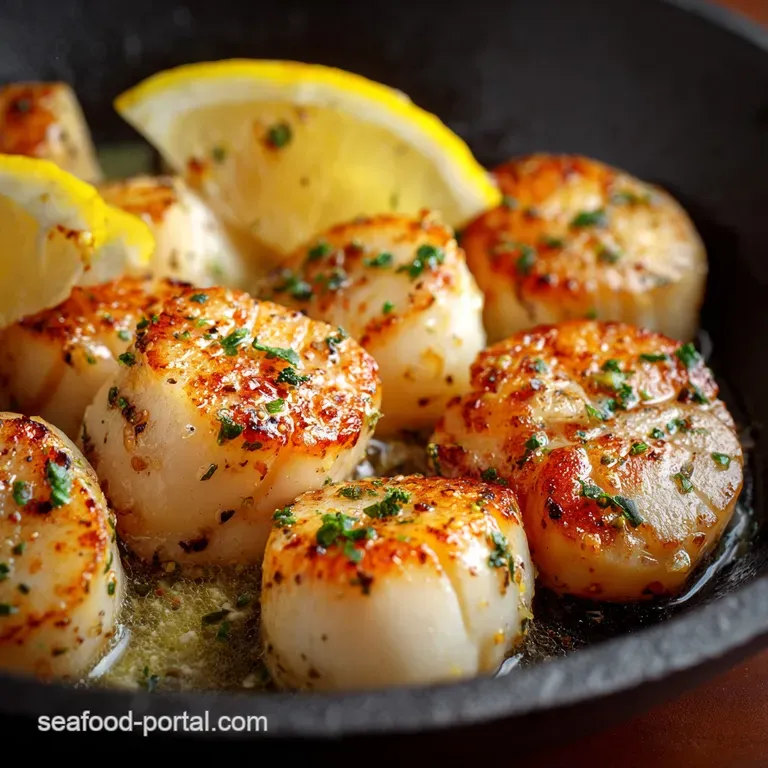
- Introducing Speedy Seared Bay Scallops with Lemon Butter: Ready in Under 10 Minutes
- The Science of the Sear: Why This Bay Scallop Recipe Delivers Perfect Texture
- Essential Ingredients for the Best Bay Scallops with Lemon Butter
- Precision Cooking: Step-by-Step Guide to Perfect Seared Scallops
- Troubleshooting the Perfect Sear: Chef’s Tips and Mistakes to Avoid
- Handling Leftovers: Storing and Reheating Bay Scallops
- Elegant Pairings for Bay Scallops with Lemon Butter
- Recipe FAQs
- 📝 Recipe Card
Introducing Speedy Seared Bay Scallops with Lemon Butter: Ready in Under 10 Minutes
The smell of nutty, browned butter and fresh lemon hitting a screaming hot pan? It’s pure magic. Seriously, that initial sizzle is enough to make me ditch the takeout menu forever, because nothing smells more like a fancy dinner out than perfectly seared seafood.
When those delicate bay scallops hit the heat, they develop the most brilliant golden crust, and the vibrant, fresh aroma alone guarantees smiles.
I know what you're thinking: scallops are expensive and intimidating, right? Wrong! Bay scallops are actually far cheaper and cook quicker than their giant sea scallop cousins, making this the ultimate weeknight seafood hero.
This recipe is designed to be on the table faster than you can boil pasta, proving that restaurant quality scallop dishes are totally achievable even when you’re utterly exhausted.
We aren't just dumping butter in a pan, though. We’re going to master the sear, create a gorgeous, thick lemon butter emulsion, and pull it all off in less than twenty minutes, start to finish.
This is the Bay Scallops with Lemon Butter Sauce recipe I wish I had when I first started, full of real world tips and zero fuss. Let's crack on!
Why Bay Scallops Are the Weeknight Seafood Hero
Bay scallops are the tiny, sweet powerhouses of the ocean. Their smaller size means two things for us home cooks: they are naturally more delicate, and they cook in about half the time of sea scallops. You get all the rich, sweet flavor without the commitment of waiting for a giant coin of seafood to cook through.
They are perfect for fast Sauteed Bay Scallops Lemon Butter Recipe preparations.
How Fast is 'Speedy'? (Prep and Cook Timeline)
You need about 10 minutes of prep time, primarily spent patting those scallops dry, which is non-negotiable (more on that later). The actual cook time is under eight minutes. Once the pan is hot, the process is lightning fast: sear the scallops, deglaze the pan, whisk in the butter, and toss.
Total time from fridge to fork is genuinely under 20 minutes.
The Essential Tools for a Professional Sear
You don’t need much fancy gear for this, but you absolutely need a pan that holds heat consistently. A heavy bottomed frying pan, like stainless steel or, ideally, cast iron, is your best friend here. Skip the nonstick pan; it won't give you the glorious, deep brown crust we are aiming for.
Make sure you have a good set of tongs for flipping, too.
The Science of the Sear: Why This Bay Scallop Recipe Delivers Perfect Texture
The secret to restaurant quality Bay Scallops with Lemon Butter isn't seasoning; it's texture. We want that crispy, nutty crust combined with an incredibly tender, moist interior. This dual texture is achieved only through precision heat management and zero moisture.
If you get moisture, you get rubber.
Achieving the Maillard Reaction: High Heat and Dry Scallops
The Maillard reaction is the chemical process that gives seared food its complex flavor and golden brown color. It requires two things: high heat and the absence of water. If your scallops are wet, that moisture has to evaporate before the actual searing can begin, which cools the pan and results in steaming.
This is why patting them aggressively dry is the single most important step in this Best Scallop Recipe .
Bay Scallops vs. Sea Scallops: Choosing the Right Size for Speed
While sea scallops offer a dramatic presentation, bay scallops are superior for quick weeknight cooking. Since they are smaller, the intense heat penetrates them instantly. This allows you to create a deep, beautiful sear on the exterior before the internal temperature rises enough to overcook the delicate meat. If you want a quick lemon garlic seafood dish, my Baked Tilapia: Flaky Lemon Garlic Fillets Ready in Under 30 Mins. is another excellent option.
Selecting and Prepping Your Premium Bay Scallops (Dry vs. Wet)
Always try to buy "dry packed" scallops if you can find them. These haven't been treated with preservatives, meaning they have less water content to start with. If you can only find "wet packed," make sure you place them in a colander and drain them well for about 20 minutes before the drying process.
Seriously, pat them dry until you’ve used half a roll of paper towels. You want them bone dry.
The Role of Acid and Aroma: White Wine, Fresh Lemon Juice, and Parsley
The lemon butter sauce balances the richness of the butter perfectly. Deglazing the pan with dry white wine or stock lifts up the concentrated flavor bits (the fond ), which gives your sauce depth.
Then, we use lemon juice and parsley to finish, providing a necessary tartness and fresh herbal note to cut through the fat. This layering of flavor makes the Restaurant Quality Scallop Dish feel complex even though it's incredibly simple.
Essential Ingredients for the Best Bay Scallops with Lemon Butter
This recipe relies on simple, high-quality ingredients. Since there are so few elements, their quality really shines through. Don't skimp on fresh lemon juice!
| Ingredient | Role | Substitution (If Needed) | Why it works |
|---|---|---|---|
| Bay Scallops | Main Protein | Medium Shrimp or Prawns | They sear quickly; cook time needs minor adjustment. |
| Unsalted Butter | Sear/Sauce Base | Ghee or high-quality Olive Oil (for searing only) | Butter is non-negotiable for the emulsified sauce texture. |
| Dry White Wine | Deglazing Liquid | Quality Chicken Stock + 1/2 tsp White Wine Vinegar | Stock adds flavor, vinegar keeps the required acidity. |
| Shallot | Aromatic Base | Finely Diced Yellow Onion (1 Tbsp) | Provides subtle sweetness and depth to the butter sauce. |
Precision Cooking: step-by-step Guide to Perfect Seared Scallops
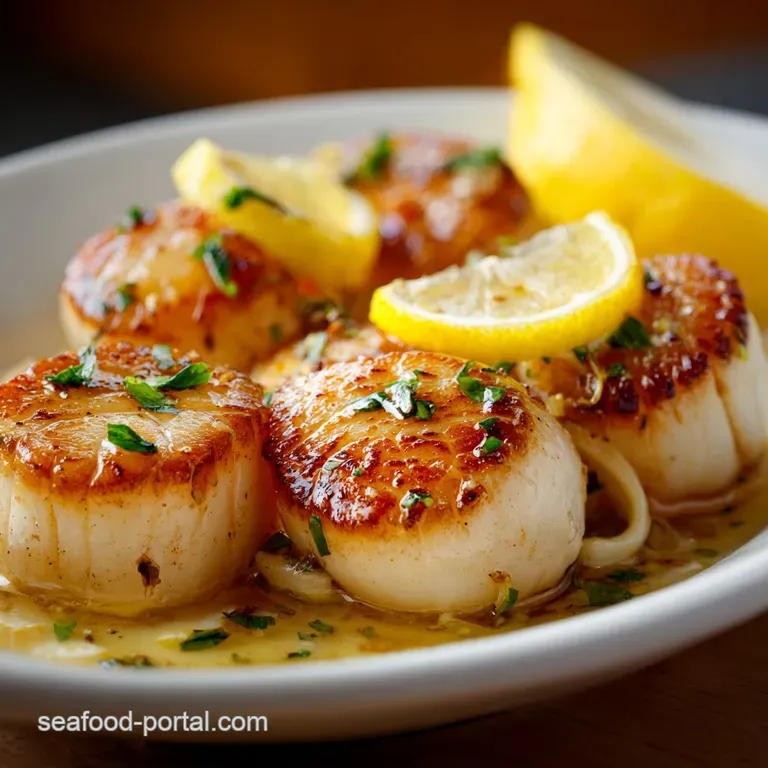
This is where the magic happens. Read these steps twice before you turn on the heat, because once the pan is screaming hot, you won't have time to second guess yourself. This is how we make Speedy Seared Bay Scallops .
Step 1: Achieving Bone Dry Scallops for Maximum Crust
Place your bay scallops on a triple layer of paper towels and cover them with more. Press down gently but firmly. Wait 5 minutes, press again, and remove any remaining surface moisture.
Season them lightly with salt and pepper just before they hit the pan , not minutes beforehand, because salt draws moisture out quickly.
Step 2: Calibrating the Heat and Choosing the Right Pan (Cast Iron vs. Stainless Steel)
Place your heavy pan over high heat. Add the over high heat oil (like grapeseed or canola). Wait until the oil is shimmering and starts to slightly smoke. Then, add the first 2 tablespoons of cold butter and swirl quickly.
You want the butter to foam and turn slightly brown that glorious nutty beurre noisette color before it burns.
Step 3: The Golden Rule of the Undisturbed Sear (Why You Wait 90 Seconds)
Carefully lay the scallops in a single layer, ensuring they don't touch each other. If they touch, you are steaming them. Work in batches if necessary; it’s better to have two perfect batches than one sad, rubbery mess.
Chef's Note: Do NOT touch them, flip them, or shake the pan for the first 60 90 seconds. This time is critical for developing that deep, crispy, golden crust on the bottom. Once you see the golden edge forming, flip them quickly with tongs and cook for only 30 60 seconds on the second side. They should be opaque but still bouncy. Immediately remove them to a clean plate.
Step 4: Building the Quick Pan Sauce While the Scallops Rest
Reduce the heat to medium. Add your minced shallots to the residual pan fat and sauté for a minute until translucent. Add the garlic and cook for 30 seconds until fragrant. Pour in the wine or stock, scraping up every single browned bit of fond from the bottom of the pan that is pure flavor.
Once the liquid has reduced by half, take the pan completely off the heat. Whisk in your remaining cold butter, one small cube at a time. This off-heat, slow addition is the trick to a perfect, shiny, emulsified Cooking Bay Scallops in Butter sauce.
Finish with lemon juice and parsley, then toss the scallops back in for a 10 second coating and serve immediately.
Troubleshooting the Perfect Sear: Chef’s Tips and Mistakes to Avoid
I spent years making sad, rubbery scallops, so learn from my misery. These tips will ensure your Bay Scallop Recipes Lemon Butter dish is flawless.
Mistake A: Overcrowding the Pan (The Enemy of the Crust)
This is the most common mistake. When you stuff too many scallops in, the temperature of the pan drops dramatically. The moisture that inevitably releases from the scallops then turns to steam, not a beautiful Maillard crust. Always sear in batches if you have more than 12 scallops for a 12 inch pan.
It only takes an extra 3 minutes, and the result is worth the patience.
Tip for the Sauce: Swirling Techniques for a Stable Lemon Butter Emulsion
We rely on the residual heat of the pan, not direct heat, to melt the finishing butter. By adding the butter cold, off the heat, and whisking aggressively, you are creating an emulsion where the fat, acid, and wine reduce beautifully into a glossy, thick sauce that doesn't split.
If the sauce looks oily or split, put the pan back on very low heat and add a tiny splash of cold water, whisking vigorously. It usually snaps right back together.
How to Tell When Bay Scallops Are Perfectly Done (The Visual Test)
Bay scallops cook incredibly fast. They should be opaque all the way through, but still look moist. The absolute best test is the "bounce back" if you gently press a scallop, it should feel firm but still spring back slightly. If they feel hard and rubbery, they are overcooked.
Handling Leftovers: Storing and Reheating Bay Scallops
Nobody wants to waste perfectly good seafood, but scallops are tricky. You should really try to eat them all immediately.
Best Practices for Refrigerating Cooked Scallops
If you do have leftovers, place the cooked scallops in an airtight container immediately after dinner and refrigerate. They are best eaten within 2 days, maximum. Because they are so delicate, the quality diminishes quickly.
Gentle Reheating Methods to Preserve Tenderness
The microwave is strictly forbidden; it will turn your delicate scallops into bouncy balls. The best way to reheat them is gently in a small skillet over very low heat, covered. You can also quickly flash them in a toaster oven or air fryer at 300°F (150°C) for just a minute or two until warmed through.
Elegant Pairings for Bay Scallops with Lemon Butter
This rich and bright seafood demands simple pairings. You don't want anything that will fight the flavor of the Tuna Tartare Recipe: Simple Ahi with Zesty Ginger Soy Dressing or your seared scallops.
Perfect Starch Accompaniments (Creamy Risotto or Angel Hair Pasta)
A classic pairing is a light, creamy risotto the rice soaks up the extra lemon butter sauce beautifully. Otherwise, serve them over a simple angel hair pasta tossed with olive oil and a pinch of chili flake.
If you are aiming for low-carb, my favorite is serving this dish over simple sautéed asparagus or green beans.
Serving Suggestions
- Quick & Fresh: Arugula (Rocket) salad with shaved Parmesan and a simple vinaigrette.
- Hearty Meal: Creamy polenta or mashed potatoes to catch that decadent sauce.
- Appetizer Trio: Serve this alongside a chilled seafood starter, like my recipe for Salmon Cakes Recipe Easy: Ultra Crispy Pan-Seared Lemon Dill for a wonderful seafood medley!

Recipe FAQs
Why did my scallops turn out rubbery or tough?
Toughness is almost always a sign of overcooking. Bay scallops are very delicate and require only 2 to 3 minutes total cooking time to become opaque white throughout. Also, ensure your pan is extremely hot before the scallops go in, as insufficient heat will steam them rather than sear them quickly.
Can I use large sea scallops instead of bay scallops?
Yes, you can substitute, but the cooking time will need to be adjusted significantly. Sea scallops are much thicker and require about 4 to 5 minutes per side, depending on their size. It is critical to ensure they are patted completely dry to achieve that desirable crust.
My pan sauce broke/separated. How can I fix the emulsion?
Sauces often break when the pan is too hot after adding the lemon juice and wine, or if the butter has fully clarified. Remove the pan from the heat immediately, add half a teaspoon of very cold water, and whisk the sauce vigorously until it comes back together.
A small extra cube of cold butter whisked in can also stabilize it.
Do I need to rinse the bay scallops before patting them dry?
Generally, you should avoid rinsing them unless they feel slimy, as they absorb water very quickly which prevents a proper sear. The most crucial step is patting them absolutely dry using paper towels immediately before you season and cook them. Moisture is the enemy of a golden crust.
What is a good non-alcoholic substitution for the dry white wine?
You can substitute the dry white wine with an equal amount of chicken or vegetable stock. To replace the necessary acidity that the wine provides, add an extra squeeze of fresh lemon juice or about 1/2 teaspoon of white wine vinegar to the pan sauce.
How should I store and reheat leftover scallops?
Store cooked scallops in an airtight container in the refrigerator for up to two days, though they are best eaten immediately. Reheating seafood often compromises texture, but the best method is a very quick 30-second flash in a lightly oiled, hot pan to warm them through without overcooking.
Speedy Bay Scallops Lemon Butter
Ingredients:
Instructions:
Nutrition Facts:
| Calories | 127 kcal |
|---|---|
| Protein | 17.4 g |
| Fat | 4.4 g |
| Carbs | 4.6 g |
