The Golden Catch Perfect Southern Fried Fish Buttermilk Cornmeal Crisp
- Setting the Stage for the Signature Snap
- Why This Method Delivers Flake, Not Grease
- Sourcing the Perfect Catch and Pantry Essentials
- Step-by-Step: Frying Perfection, Southern Style
- The Workflow for Maximum Crispness
- Elevating Your Plate: Expert Tips and Serving Suggestions
- Beyond the Fryer: Storage and Breading Variations
- Recipe FAQs
- 📝 Recipe Card
Setting the Stage for the Signature Snap
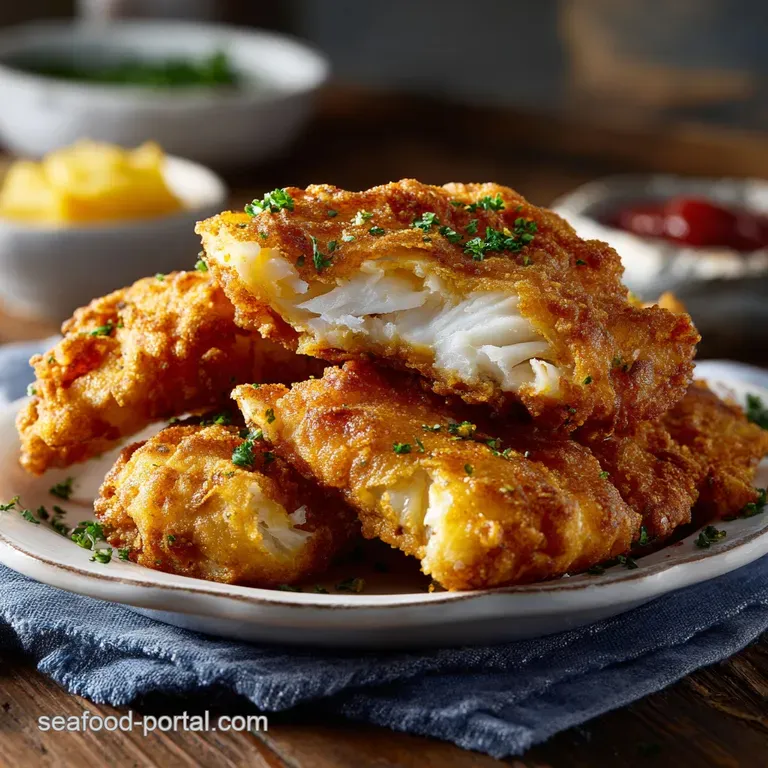
When we talk about true comfort food, the classic Southern Fried Fish stands alone. It’s a dish defined by its contrasting textures: the tender, flaky protein hidden beneath a thick, complex crust that shatters with an audible crunch.
This isn't merely breaded fish; this is a meticulous process perfected over generations. Our blueprint for success ensures that every fillet is deeply flavorful, thanks to a potent marinade, and achieves that essential crispness through precise temperature control and the perfect blend of dry ingredients.
We are aiming for golden perfection and zero grease, transforming humble fish fillets into a culinary masterpiece ready for a hearty family dinner.
Why This Method Delivers Flake, Not Grease
Achieving the perfect southern fried fish recipe requires understanding three core elements: acid, starch, and heat. Many home cooks struggle with a soggy, bland crust that peels away; we are eliminating those issues right from the start by treating the fish before it ever meets the batter.
Mastering the Buttermilk Soak (Tenderizing the Flake)
The crucial first step is the buttermilk soak. We utilize approximately 350 ml (1½ cups) of buttermilk fortified with 1 Tbsp of Louisiana style hot sauce, plus seasoning. Buttermilk’s mild acidity subtly denatures the proteins in the fish, yielding an incredibly tender fillet that practically melts once cooked.
On top of that,, the thickness of the buttermilk creates a tacky surface, which acts like culinary glue, ensuring the subsequent dry coating adheres flawlessly and doesn't slough off in the hot oil. A minimum 30-minute rest in this marinade is non-negotiable for flavor infusion and maximum coating adhesion.
The Science Behind the Shattering Cornmeal Crust
The secret to the distinctive texture of classic Southern frying lies in the careful balance of starches. Our signature dry mix relies on more than just flour; we use a blend of 120 g (1 cup) all-purpose flour and 120 g (1 cup) fine yellow cornmeal , supplemented by 60 g (½ cup) of fine corn flour or rice flour.
It is the granular structure of the cornmeal, combined with the extreme crisping properties of the corn or rice flour, that creates that spectacular, jagged crust texture. This specific southern fried fish batter recipe is what guarantees the glorious golden brown color and rigid structure, preventing the crust from absorbing too much oil.
Forget Takeout: Achieving That Essential 'Snap'
The "snap" is achieved through one often overlooked step: resting the coated fish. After pressing the fillets firmly into the dry mix (a technique often called the "double dredge"), they must be placed on a wire rack to rest for 10 minutes at room temperature.
This brief hydration period allows the moisture from the buttermilk to be absorbed by the starches. The coating "sets" and bonds tightly to the fish, significantly reducing the chances of the crust separating or becoming weak and soggy during the high heat cooking process.
Why Oil Temperature is Non-Negotiable
Frying is an exercise in heat management. To successfully Fry Catfish or any white fish without it becoming greasy, the oil must be consistently held at 175° C ( 350° F).
If the oil drops below 160° C ( 325° F), the coating will take too long to crisp, allowing the oil to seep into the fish and result in a heavy, saturated product.
Conversely, if the temperature exceeds 190° C ( 375° F), the outside will burn long before the thick fillet reaches its internal doneness of 63° C ( 145° F).
Using a reliable deep fry thermometer is the only way to guarantee perfection.
Sourcing the Perfect Catch and Pantry Essentials
Before we mix the dry ingredients, we must ensure we have the highest quality components for this authentic experience. The quality of your fish and your seasoning blend directly impact the final flavor profile.
Selecting Your Fillets: Catfish vs. Cod (The Best Fish for Frying)
Traditionally, Louisiana Catfish Recipes utilize farmed channel catfish because its firm flesh holds up beautifully to deep frying and offers a mild, slightly sweet flavor. However, high-quality substitutes like Whiting or Tilapia also perform excellently.
Aim for fillets roughly 10 12 cm (4 5 inches) long and about 2 cm thick. Regardless of your choice, the key is to ensure the 900 g (2 lbs) of fillets are patted completely dry before they even touch the buttermilk; excess surface moisture is the enemy of crispness.
The Essential Southern Seasoning Blend (Creole Influence)
The power of this dish rests in a robust southern fried fish seasoning recipe . We combine 2 Tbsp of a potent Creole or Old Bay blend with 1 Tbsp each of garlic powder and onion powder, and a touch of smoked paprika.
This creates a deep, savoury foundation that penetrates the coating and flavours the entire fillet. This dry blend is mixed thoroughly with the starches, ensuring even flavour distribution throughout the crust, not just on the surface.
Crucial Equipment for Frying Success (Thermometer & Dutch Oven)
To safely and effectively deep fry, two pieces of equipment are non-negotiable: a heavy bottomed pot, such as a cast iron Dutch oven, and a deep fry or candy thermometer. The Dutch oven retains heat exceptionally well, preventing massive temperature dips when cold fish is added.
The thermometer, as discussed, provides the critical data needed to hold that 175° C ( 350° F) sweet spot. Plus,, a wire rack set over a baking sheet is vital for draining; never use paper towels, as this traps steam and instantly destroys the crust's integrity.
The Acid Test: Buttermilk and Hot Sauce Requirements
The marinade is simple yet powerful. You’ll need 350 ml (1½ cups) of real buttermilk the cultured thickness is what we need for adherence not watered down milk substitutes.
The addition of 1 Tbsp of hot sauce not only injects flavor but the vinegar in the sauce further assists in tenderization and adhesion.
Related Recipes Worth Trying
- The Secret to Perfectly Crisp Juicy air-fried Turkey Meatballs — Stop serving dry turkey This foolproof air fryer turkey meatballs recipe delivers tender interiors and crisp edges Get the precise air fry turkey meatballs...
- Baked Garlic Crusted Cod Fish with Crispy Parmesan Crust — This Easy Weeknight Cod Recipe delivers ultimate crunch Our Baked Garlic Parmesan Cod is healthy flaky and coated in a glorious golden Panko crust Ready in...
- The Secret to Perfect Crispy Fried Jumbo Shrimp Pub Grub Style — Get that perfect crispy coating every time with our trusted fried jumbo shrimp recipe The Panko and chilling steps ensure a proper nongreasy crust Try this...
step-by-step: Frying Perfection, Southern Style
With our ingredients prepped and our equipment ready, we move to the executable steps. The total time from prep to plate is approximately one hour, including the mandatory resting period.
The Workflow for Maximum Crispness
The flow of this recipe is specifically designed to manage moisture and ensure the coating stays intact and crisp throughout the cooking process.
The 30-Minute Marinade: Flavor Infusion and Adhesion Prep
Start by cutting the 2 lbs of fish into manageable portions and mixing the buttermilk marinade. Submerge the fillets, cover the dish, and refrigerate for a minimum of 30 minutes.
This period is the foundation of flavor and texture, ensuring the fish is seasoned and the exterior is perfectly tacky for the dredge.
Achieving the Double Dredge for Maximum Crispness
Remove the fish from the marinade, shaking gently to remove excess liquid, but allowing a thin, viscous coat to remain. Press each fillet firmly and completely into the combined flour, southern fried fish with cornmeal , and seasoning mixture.
Once coated, press again, ensuring the coating is thick and uniform. Immediately transfer these coated fillets to your prepared wire rack to rest for the necessary 10 minutes. This rest period ensures the crust doesn't dissolve or flake off when it hits the oil.
Deep Frying the Southern Fried Fish to a Golden Finish
Pour 1.5 L (6 cups) of high smoke point oil (peanut or canola are ideal) into your Dutch oven. Heat slowly and carefully until the thermometer reads exactly 175° C ( 350° F).
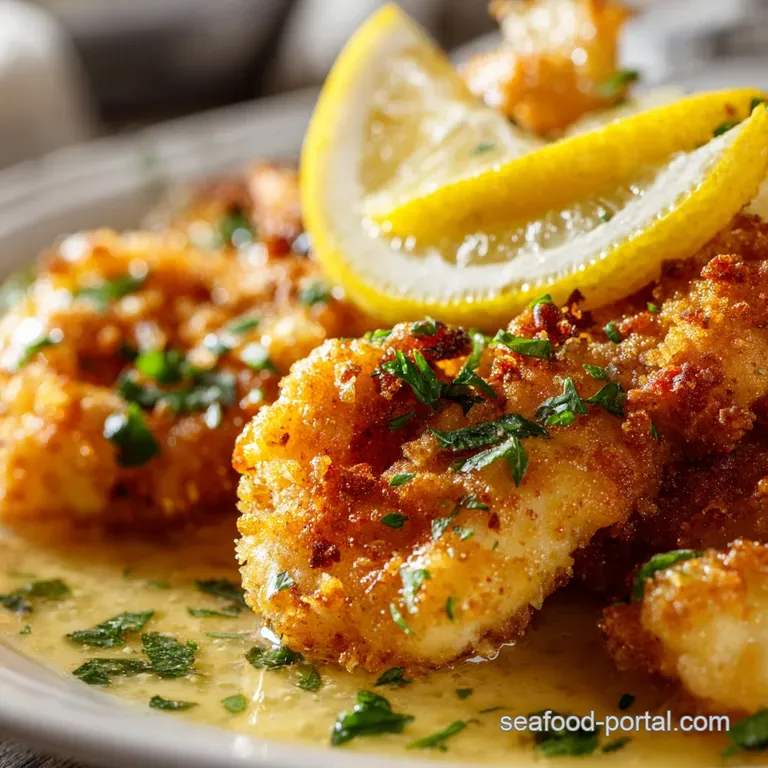
Gently lower two or three pieces of fish into the oil, taking care not to overcrowd the pot. Overcrowding is the primary cause of temperature drop and subsequently, greasy fish. Fry Catfish for 4 to 6 minutes per side, depending on thickness, until the coating is a deep, satisfying golden brown and the fish flakes easily.
Draining and Seasoning Immediately Upon Exit
As soon as the fish reaches the perfect color and internal temperature, remove it using a spider skimmer or tongs and immediately transfer it to the wire rack. Crucially, do not wait: while the fish is still sizzling hot, sprinkle it with a final, generous pinch of fine kosher salt.
This final seasoning adheres to the hot oil remaining on the crust, amplifying the flavor profile right at the moment of serving. Bring the oil back up to temperature before adding the next batch.
Elevating Your Plate: Expert Tips and Serving Suggestions
This dish is meant to be eaten fresh, showcasing the extreme contrast between the hot, crisp exterior and the delicate interior.
Beyond the Fryer: Storage and Breading Variations
We can extend the life of this recipe and offer alternatives without sacrificing that essential Southern flavor profile.
Troubleshooting Common Frying Errors (Soggy Crust Solutions)
If your crust turned out soft or soggy, you likely committed one of three errors: skipping the 10-minute rest after dredging, allowing the oil temperature to drop too low (below 175° C), or crowding the pot.
If sogginess occurs, simply return the fish to the fryer for 30 60 seconds at 185° C ( 365° F) to blast the remaining moisture out, followed by a quick drain on the wire rack.
Serving Pairings: Classic Sides for Southern Fried Fish
No fried fish supper is complete without the correct accompaniments. For classic southern fried fish sides , pair the rich, savoury fish with a creamy, tangy coleslaw whose coolness beautifully cuts through the richness.
Add a helping of authentic hushpuppies and a generous dollop of homemade tartar sauce or zesty remoulade for dipping. The balance of creamy, fresh, and fried elements is key to a traditional Southern spread.
Storing and Reheating Leftovers (Maintaining the Crunch)
Leftover Southern Fried Fish must be refrigerated promptly. Never attempt to reheat fried fish in the microwave, as it will steam and become rubbery and soft. To successfully maintain the crunch, reheat the fish in a hot oven ( 200° C/ 400° F) or an air fryer until piping hot, typically 8 to 10 minutes.
This high, dry heat reactivates the crispness of the cornmeal coating.
Variations on the Breading: Spicy Kick or gluten-free Alternatives
While we love the traditional approach, the base southern fried fish recipe is easily adaptable. For those who crave heat, simply double the hot sauce in the marinade and incorporate ½ tsp of cayenne pepper directly into the dry coating mix.
For a lighter, gluten-free crust, substitute the all-purpose flour with additional rice flour. The rice flour provides an incredibly light and airy crispness, making it an excellent alternative to the heavy cornmeal texture while keeping the fish perfectly golden.
Recipe FAQs
Right, how do I make sure my Southern Fried Fish stays beautifully crispy and doesn't go soggy halfway through?
Sogginess is an absolute tragedy, but easily avoided! The biggest trick is to drain the fish properly immediately after frying. Use a wire rack set over a baking sheet, not paper towels, as this allows air circulation all around the crust.
Also, don't forget the pre-fry rest period; the 10 minutes resting time allows the coating to properly adhere and dehydrate slightly, guaranteeing a far crunchier, more stable crust when it hits the oil.
I can't get hold of Catfish. What other fish works a treat for this classic recipe?
Not a worry! The key is using a firm, white, flaky fish that can handle the coating and frying process without disintegrating. Excellent British alternatives include Cod or Haddock just ensure they aren't too thick, as the thicker the fish, the longer it must fry.
Whiting or Tilapia are also traditional Southern choices that hold up perfectly and absorb that lovely Creole seasoning mixture like a dream.
The recipe stresses oil temperature what happens if my oil is too hot or too cool? Is it really that big a deal?
It’s the whole ballgame, frankly! If the oil is too cold (below 160°C / 325°F), the fish absorbs the fat like a sponge, leaving you with a heavy, greasy mess. If the oil is too hot (above 190°C / 375°F), the coating will burn to a crisp while the middle of the fish remains sadly raw.
Keeping the oil steady at 175°C (350°F) is crucial for that deep golden colour and ensures the fish cooks through perfectly by the time the crust is set so don't mess about, use that thermometer!
If I have leftovers (unlikely, but let's be optimistic!), what’s the best way to reheat this without losing the crunch?
Never, ever use the microwave that's a sure fire way to create a limp, sad fish fillet! The best method is using an oven or an air fryer. Preheat your oven to 180°C (350°F) or your air fryer to 190°C (375°F).
Reheat the fish on a wire rack for about 8 to 10 minutes until piping hot throughout. This brief burst of high heat reactivates the crispness and dries out any accumulated moisture beautifully.
I'm trying to cut back on fat a bit. Is there a way to cook this fantastic Southern Fried Fish without deep frying?
Absolutely, you can still get a cracking result with less oil! The buttermilk marinade and sturdy cornmeal coating work brilliantly in an air fryer. Just lightly mist the coated fish with oil spray (this helps the crust brown) and cook at 200°C (400°F) for about 12 15 minutes, flipping halfway.
While the texture isn't quite the same depth of crispness as a true deep fry, it’s a brilliant, healthier alternative that retains all the wonderful seasoning and authentic flavour.
Southern Fried Fish Cornmeal Crisp
Ingredients:
Instructions:
Nutrition Facts:
| Calories | 2178 kcal |
|---|---|
| Protein | 27.0 g |
| Fat | 20.0 g |
| Carbs | 135.4 g |
| Fiber | 32.6 g |
| Sodium | 1231 mg |
