Sous Vide Octopus with Lemon and Garlic
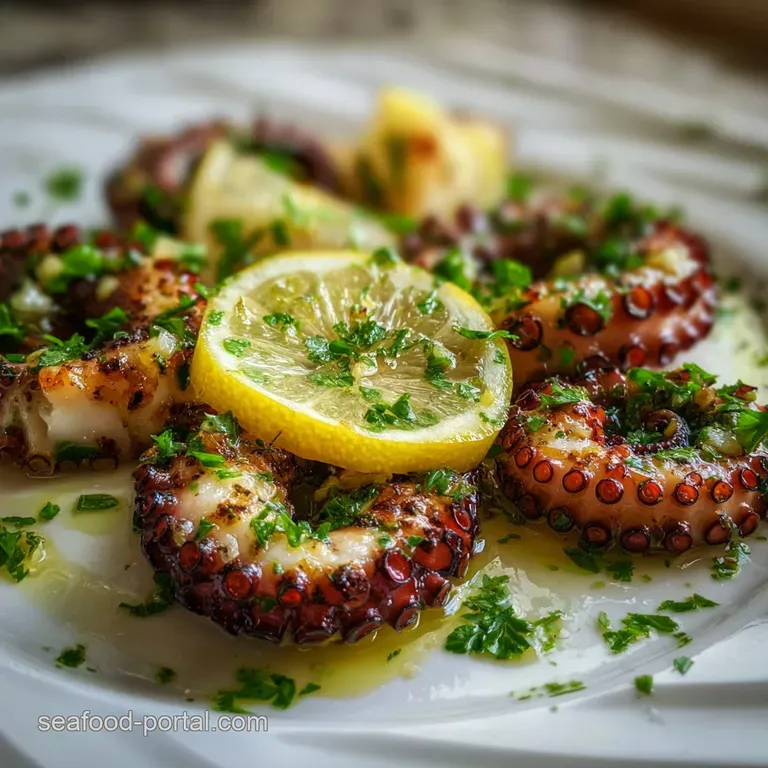
- Time: Active 20 minutes, Passive 5 hours, Total 5 hours 20 minutes
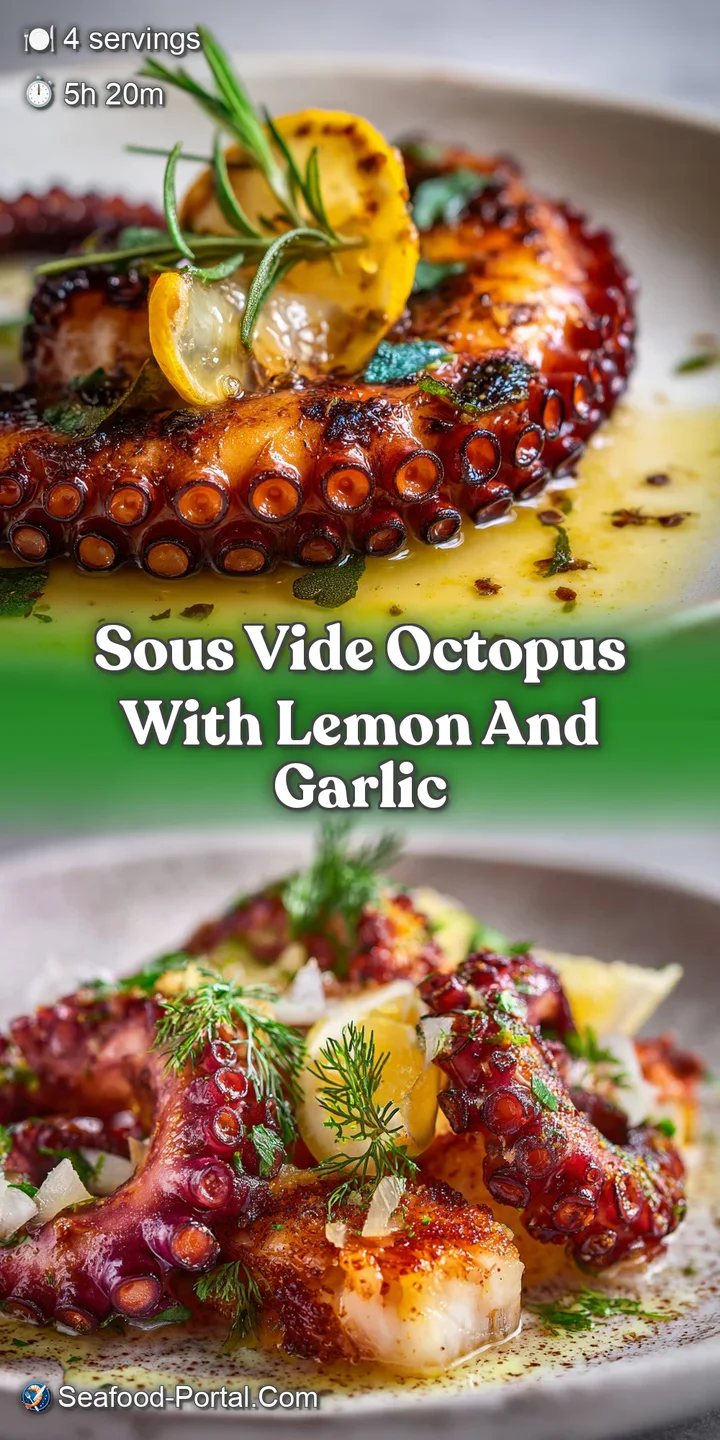
- Flavor/Texture Hook: Silky, tender tentacles with a crispy, charred exterior and a zesty garlic finish.
- Perfect for: Impressing guests at a dinner party or a high end Mediterranean date night at home.
- Achieve Perfect Sous Vide Octopus with Lemon and Garlic
- Temperature and Timing for Always Tender with Lemon and Garlic
- Selecting Quality Elements for Sous Vide Octopus with Lemon and Garlic
- Essential Professional Tools for Perfecting This Recipe at Home
- Master the Five Stages of Always Tender with Lemon and Garlic
- Fixing Common Texture Problems in Vide Octopus That Is Always Tender with Lemon and Garlic
- Flavor Enhancements for Vide Octopus That Is Always Tender with Lemon and Garlic
- Storing and Reheating Your Sous Vide Octopus with Lemon and Garlic
- Plating Ideas for Easy Sous Vide Octopus That Is Always Tender with Lemon and Garlic
- Debunking Common Preparation Myths
- Recipe FAQs
- 📝 Recipe Card
Achieve Perfect Sous Vide Octopus with Lemon and Garlic
If you've ever tried to cook octopus at home and ended up with something resembling a rubber band, I feel your pain. I’ve spent years experimenting with "secret" Italian grandmother tricks cork in the pot, triple dipping in boiling water, you name it but the results were always hit or-miss.
Then I tried this Sous Vide Octopus That Is Always Tender with Lemon and Garlic, and it was a total revelation.
The beauty of this method is the total control it gives you over the texture. Instead of a violent boil that makes the skin fall off while the meat stays tough, we use a gentle, precise heat. This allows the octopus to cook in its own juices, resulting in a flavor that is concentrated and pure.
This recipe guarantees incredibly tender octopus, infused with bright lemon and garlic, using a simple sous vide technique. We're going to take a 3.5 lbs whole octopus and turn it into a restaurant quality masterpiece that will have your friends asking which culinary school you attended.
Right then, let’s get into the details.
Temperature and Timing for Always Tender with Lemon and Garlic
The magic of this dish happens during the long, slow bath. Octopus is packed with collagen, which is what makes it tough if not treated properly. In the sous vide, we hold it at a temperature that dissolves that collagen without tightening the muscle fibers into knots.
The Science of Why it WorksCollagen Conversion: The sustained heat of 170°F (77°C) triggers the denaturation of triple helix collagen fibers into silky gelatin.
This process requires several hours to ensure the connective tissue fully liquefies while the proteins remain hydrated and supple.
Decision Guide for Perfect Doneness
| Method | Time | Texture | Best For |
|---|---|---|---|
| Classic Sous Vide | 5 hours | Buttery and tender | Searing and main courses |
| Quick Pressure Cook | 45 minutes | Soft but slightly chewy | Pasta sauces or stews |
| Traditional Simmer | 90 minutes | Unpredictable / Flaky | Traditional Greek salads |
While the traditional simmer is what most of us grew up with, it often leads to "shattered" skin. The sous vide method keeps the skin intact, which is crucial for that beautiful mahogany finish we want after the final sear.
Selecting Quality Elements for Sous Vide Octopus with Lemon and Garlic
Success starts with the quality of your seafood. I always look for a whole octopus around 3.5 lbs. Interestingly, frozen octopus is actually better for this recipe. The freezing process breaks down some of the cell walls, acting as a natural tenderizer before you even start cooking.
| Ingredient | Science Role | Pro Secret |
|---|---|---|
| Whole Octopus | Main Protein | Frozen is often better; the ice crystals help tenderize the tough fibers. |
| Extra Virgin Olive Oil | Fat Medium | Carries the fat soluble aromatics from the garlic and oregano into the meat. |
| Lemon Zest | Acid & Oil | Provides bright citrus notes without the toughening effect of pure lemon juice. |
For the aromatics, we are using a two stage approach. First, we infuse the bag with whole, crushed cloves and wide strips of zest. Then, we finish with a fresh garlic parsley glaze.
Components and Smart Substitutions
- 1 whole octopus (approx. 3.5 lbs): Cleaned and beak removed. Why this? Larger octopus has a better meat to skin ratio for searing.
- Substitute: 3.5 lbs of large octopus tentacles (if you can't find a whole one).
- 3 tbsp extra virgin olive oil: For the bag infusion.
- Substitute: Avocado oil for a more neutral flavor profile.
- 4 cloves garlic, smashed: For the long cook.
- Substitute: 1 tsp garlic powder, though fresh is significantly more aromatic here.
- 1 lemon, zested in wide strips: Use a vegetable peeler to get large pieces.
- Substitute: Lime zest for a more tropical, sharp citrus kick.
- 2 sprigs fresh oregano: Adds a classic Mediterranean earthy note.
- Substitute: 1 tsp dried oregano if fresh isn't available.
- 1 tsp black peppercorns, whole: Slow infusion of mild heat.
- Substitute: 1/2 tsp ground black pepper.
- 1 tsp sea salt: Essential for seasoning the meat from the inside out.
- Substitute: Kosher salt (use 1.5 tsp due to grain size).
- 1/4 cup extra virgin olive oil: For the finishing glaze.
- 2 cloves garlic, finely minced: Fresh bite for the final toss.
- 2 tbsp fresh lemon juice: Bright acidity to cut through the richness.
- 1 tsp smoked paprika: Adds a "charred" flavor even if you're searing indoors.
- 1 tbsp fresh parsley, chopped: For a pop of color and freshness.
Essential Professional Tools for Perfecting This Recipe at Home
You don't need a professional kitchen, but a few specific tools make this much easier. A reliable immersion circulator (like a Joule or Anova) is the heartbeat of this recipe. It keeps the water moving and the temperature rock steady for the full 5 hours.
- Vacuum Sealer: While the water displacement method works, a vacuum sealer (like a FoodSaver) ensures no air pockets remain, which prevents the bag from floating.
- Cast Iron Skillet: To get that perfect, crispy exterior, a heavy skillet that holds heat is non negotiable.
- Kitchen Tongs: Necessary for handling the slippery tentacles and flipping them during the sear.
Chef Tip: If you don't have a vacuum sealer, place your octopus in a heavy duty freezer bag and slowly lower it into the water, letting the pressure push the air out before sealing. This is called the "Archimedes Principle" and works surprisingly well!
Master the Five Stages of Always Tender with Lemon and Garlic
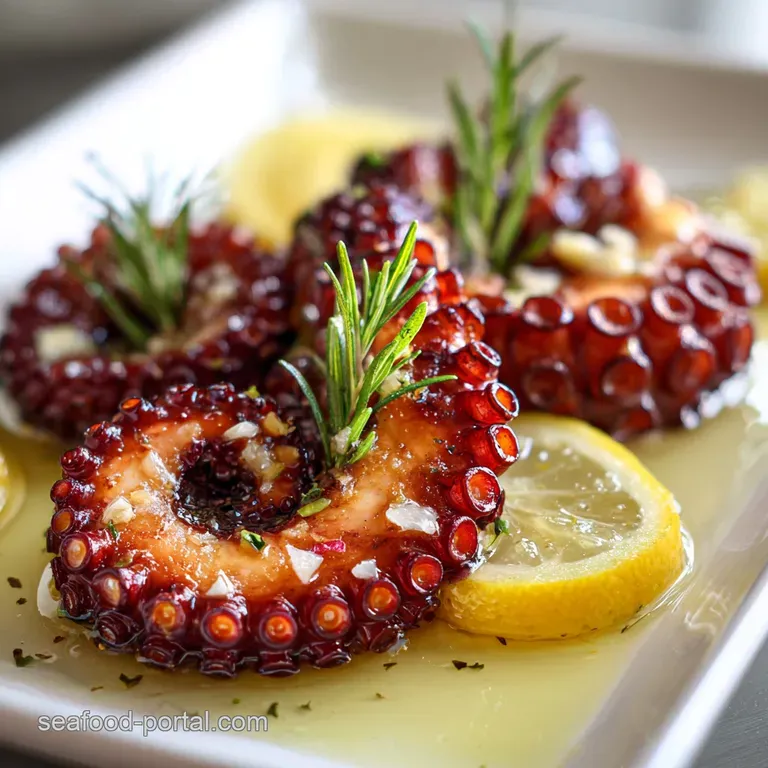
This process is about building layers of flavor. We start with the deep infusion in the bag and finish with a over high heat sizzle that creates a beautiful contrast between the velvety interior and the crispy edges.
1. The Pre Bath Prep
Rinse your 3.5 lbs octopus under cold water. If it isn't already cleaned, remove the beak (the hard bit where the legs meet) and the eyes. Pat it dry with paper towels; this helps the oil and salt adhere better to the skin.
2. Bagging and Sealing
Place the octopus into a large vacuum bag. Add 3 tbsp olive oil, 4 smashed garlic cloves, 1 lemon zested in strips, 2 sprigs oregano, 1 tsp peppercorns, and 1 tsp sea salt. Arrange the tentacles so they aren't overlapping too much. Seal the bag using your vacuum sealer, ensuring a tight fit.
3. The Precision Bath
Preheat your sous vide water bath to 170°F (77°C). Once reached, submerge the bag completely. Cook for 5 hours. You’ll notice the octopus releases a lot of purple liquid this is normal and is actually a concentrated "octopus essence."
4. The Chill and Set
After 5 hours, remove the bag. Important: Do not sear it immediately! Let the bag rest in an ice bath for 15 minutes or in the fridge for 1 hour. This firms up the gelatinous skin so it doesn't slide off when it hits the hot pan.
5. The Mahogany Sear
Remove the octopus from the bag and pat it extremely dry. Heat a cast iron skillet over high heat with a splash of oil. Once the oil begins to shimmer, place the octopus in the pan. Sear for 2-3 minutes per side until the exterior is charred and crackling.
6. The Finishing Glaze
While the octopus sears, whisk together 1/4 cup olive oil, 2 cloves minced garlic, 2 tbsp lemon juice, 1 tsp smoked paprika, and 1 tbsp parsley. As soon as the octopus comes off the heat, toss it in this mixture. Serve immediately while the contrast between hot and cold, crispy and soft, is at its peak.
This bright finish is a family favorite, much like the zingy profile of this Tilapia with Lemon recipe.
Fixing Common Texture Problems in Vide Octopus That Is Always Tender with Lemon and Garlic
The most common issue people face is the skin slipping off. This usually happens because the octopus was too wet when it hit the pan or it wasn't chilled after the sous vide bath. If the skin is falling off, it’s still edible, but you lose that beautiful visual appeal.
Troubleshooting the Sous Vide Process
| Problem | Root Cause | Solution |
|---|---|---|
| Tough or Rubbery | Cook time too short | Return to the bath for another 1-2 hours; collagen needs time. |
| Skin Slipping Off | Searing while too hot | Always chill the octopus before searing to set the natural gelatin. |
| Bitter Aftertaste | Burned garlic | Add minced garlic at the very end of the sear or in the cold glaze. |
Common Mistakes Checklist
- ✓ Never skip the drying step; moisture is the enemy of a good sear and causes steaming.
- ✓ Don't discard the bag juices! Strain them and use them to flavor a risotto or pasta sauce.
- ✓ Ensure the bag is fully submerged; use a heavy plate or sous vide weights if it tries to float.
- ✓ Keep the sear fast and hot you’ve already cooked the meat, you just want the crust.
- ✓ Let the octopus rest for 2 minutes after searing to allow the juices to redistribute.
Flavor Enhancements for Vide Octopus That Is Always Tender with Lemon and Garlic
Once you've mastered the basic version, you can start playing with the aromatics. I love adding a bit of heat or changing the herbs to suit the mood of the meal.
1. The Chorizo Twist
Add 2 ounces of sliced Spanish chorizo to the bag. The rendered fat from the sausage will infuse the octopus with a smoky, spicy depth that is absolutely incredible. This version is especially good served over a white bean puree.
2. Asian Fusion
Swap the oregano and olive oil for ginger, scallions, and sesame oil. After searing, glaze it with a mixture of soy sauce, honey, and lime juice. It’s a completely different vibe but just as tender.
3. Mediterranean Herb Garden
If you want that smoky char, I sometimes finish this similarly to my How to Grill Octopus recipe. Instead of just parsley, use a mix of fresh mint, dill, and cilantro in your finishing glaze for an explosive herbal profile.
| Original | Premium | Flavor Impact | Savings |
|---|---|---|---|
| Whole Fresh Octopus | Frozen Octopus | Minimal; freezing helps tenderize | Save $10-15 |
| Smoked Paprika | Pimentón de la Vera | Deeper, more authentic smoke | Costs $3-5 more |
| Sea Salt | Maldon Sea Salt | Adds a lovely crunch to the finish | Costs $2-4 more |
Storing and Reheating Your Sous Vide Octopus with Lemon and Garlic
If you have leftovers (rare, I know!), they store surprisingly well. The key is to keep the octopus in its own cooking liquid or a bit of olive oil to prevent it from drying out in the fridge.
- Fridge
- Keep in an airtight container for up to 3 days.
- Freezer
- You can freeze the octopus after the sous vide bath but before searing. It will last up to 2 months. Thaw in the fridge overnight before searing.
- Zero Waste
- Don't throw away the head! While the tentacles are the stars, the head is perfectly edible and tender. Slice it thinly and toss it into a seafood salad or a quick pasta with garlic and oil.
Reheating Tips To reheat, avoid the microwave at all costs it will turn your tender octopus into a tire. Instead, quickly flash it in a hot pan for 1 minute per side. This restores the crispiness without overcooking the interior.
Plating Ideas for Easy Sous Vide Octopus That Is Always Tender with Lemon and Garlic
Presentation is where you can really show off. I like to keep it simple but elegant. The vibrant purple of the octopus against a bright yellow or white background always looks stunning.
1. The Classic Tapas
Slice the tentacles into 1 inch coins and serve them over a bed of thinly sliced boiled potatoes (Papas a la Gallega style). Sprinkle with extra smoked paprika and a heavy drizzle of high-quality olive oil.
2. The Mediterranean Salad
Keep the tentacles whole for a "wow" factor. Lay them over a bed of wild arugula, cherry tomatoes, and shaved fennel. The peppery greens perfectly balance the rich, buttery meat.
3. The Creamy Base
Swipe a generous spoonful of lemon garlic hummus or a silky parsnip puree across the plate. Place a single long tentacle on top, garnish with the fresh parsley and lemon glaze, and finish with a few flakes of sea salt.
Debunking Common Preparation Myths
Myth: You must beat the octopus against a rock to make it tender. While this is a traditional practice in some coastal regions, it’s not necessary for home cooks. The sous vide process handles all the mechanical breakdown of the fibers through precise thermal energy over time.
Myth: Adding a wine cork to the pot tenderizes the meat. This is one of the most persistent kitchen myths. Science has shown that cork contains no enzymes that affect seafood texture.
The only thing that tenderizes octopus is the controlled breakdown of collagen, which we achieve perfectly at 170°F.
Myth: Boiling first is required to "curl" the tentacles. While dipping the octopus in boiling water makes the tentacles curl beautifully, the sous vide bag naturally compresses them into attractive shapes as they cook. You don't need a separate step for aesthetics.
This Sous Vide Octopus That Is Always Tender with Lemon and Garlic is truly a labor of love that pays off in every bite. Once you see how easy it is to get that buttery, restaurant style texture, you'll never want to cook it any other way. Trust me on this one the five hour wait is worth every single second!
Recipe FAQs
How do you cook octopus so it's tender?
Sous vide at 170°F (77°C) for 5 hours. This precise, low temperature dissolves tough collagen into silky gelatin without tightening the muscle fibers, ensuring ultimate tenderness. If you enjoyed mastering temperature precision here, apply it to our RestaurantQuality Stuffed Flounder Florentine with Lemon Butter Sauce.
Should you sous vide an octopus?
Yes, absolutely. Sous vide is the most foolproof method for consistently tender octopus, eliminating guesswork. It provides unparalleled control over texture, transforming potentially rubbery meat into a melt-in-your mouth experience.
How to prevent octopus from being chewy?
Cook it sous vide for at least 5 hours at 170°F (77°C). Chewiness comes from undercooked collagen; this long, slow, controlled heat bath is the key to breaking it down completely. This technique also helps control texture similarly to how we ensure succulent results in Shrimp with Garlic Sauce: Speedy Restaurant Style Succulent Prawns.
Can you cook octopus in lemon?
Yes, with caution. Use lemon zest in the sous vide bag for flavor infusion without toughening the meat; add fresh lemon juice only at the very end. High acidity can toughen proteins, so it's best to incorporate it as a finishing touch, much like in our How to Make the Best Lemon Herb Black Sea Bass Fillet Recipe.
Is it true that frozen octopus is better for cooking?
Yes, for tenderness. The freezing process breaks down some of the octopus's tough cell walls, acting as a natural tenderizer before cooking even begins. This is a helpful initial step, similar to how pre-freezing can aid in clean slicing of other items.
Do I need to chill the octopus before searing?
Yes, it's crucial. Chilling the octopus for at least 15 minutes in an ice bath after sous vide sets the gelatinous skin, preventing it from sliding off during the high heat sear. This step ensures a beautiful, crispy exterior and prevents a mushy texture.
Can I add other aromatics to the sous vide bag?
Absolutely. Feel free to experiment with herbs like rosemary or thyme, or add other spices like peppercorns or a pinch of chili flakes. For inspiration on complementary flavor profiles, consider the vibrant citrus and herb notes in Pan-Seared Alaskan Cod with Lemon Dill Butter Sauce: A Simple Delight.
Sous Vide Octopus
Ingredients:
Instructions:
Nutrition Facts:
| Calories | 542 kcal |
|---|---|
| Protein | 60 g |
| Fat | 28 g |
| Carbs | 11 g |
| Fiber | 1 g |
| Sugar | 1 g |
| Sodium | 680 mg |
