Soft Shell Crab Recipe: Pan-Seared Perfection
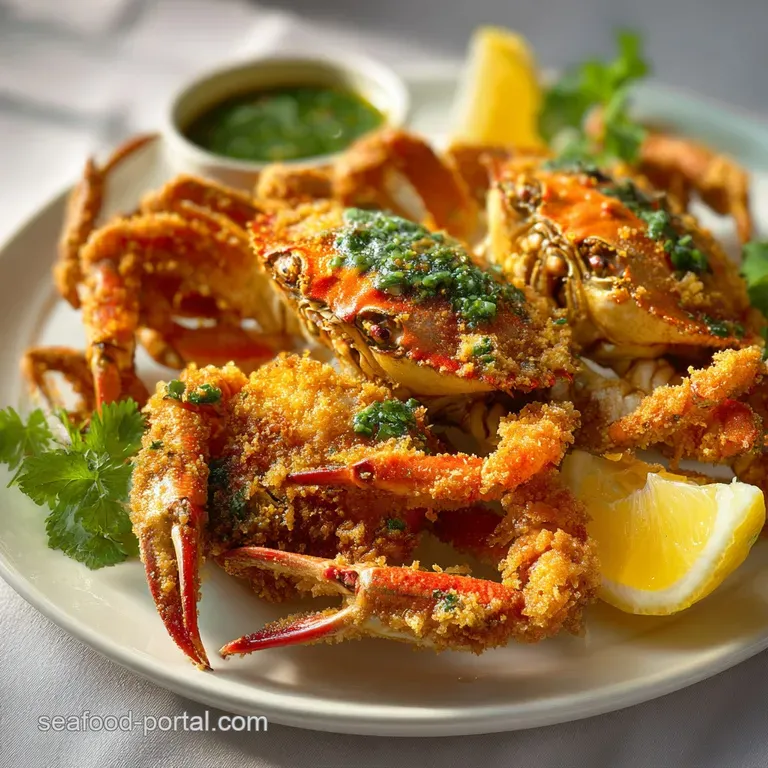
- Time: Active 20 minutes, Passive 8 minutes, Total 28 minutes
- Flavor/Texture Hook: Shatter crisp exterior with a velvety, sweet interior
- Perfect for: Impressing guests or a coastal themed date night
- Mastering This Crispy Soft Shell Crab Recipe
- Science Behind the Signature Crunch
- Ingredient Deep Dive
- Essential Ingredients and Smart Substitutes
- Tools for Professional Results
- Step-by-Step Culinary Walkthrough
- Fix Common Cooking Mistakes
- Creative Flavor Variations
- Storage and Zero Waste Tips
- Best Side Dish Pairings
- Debunking Common Kitchen Myths
- Soft Shell Crab Recipe FAQs
- 📝 Recipe Card
Mastering This Crispy Soft Shell Crab Recipe
I still remember the first time I sat on a rickety wooden pier in Maryland, the scent of salt air and diesel fuel from the crabbing boats hanging thick in the heat. A local cook handed me a paper basket with a golden, fried crab that looked like it might crawl away if I didn't bite fast enough.
The first crunch was a revelation, the shell didn't resist but rather shattered like thin glass, giving way to the most succulent, sweet meat I'd ever tasted. It was a messy, glorious experience that ruined all other seafood for me.
Since that day, I've spent years trying to replicate that specific "pier side" magic in my own kitchen. I've had coatings slide off like wet blankets and oil that popped so violently I needed a riot shield.
But through those failures, I found that the magic isn't in some complicated technique, it's about the contrast between the tangy soak and the starch heavy dredge. We're going to treat these crabs with the respect they deserve, keeping them light, airy, and intensely flavorful.
Science Behind the Signature Crunch
The Physics of the Crunch: Mixing cornstarch with all purpose flour creates a structural lattice that resists moisture better than flour alone. This ensures the steam from the crab meat doesn't immediately turn your crispy coating into a soggy mess the moment it hits the plate.
| Method | Cook Time | Texture | Best For |
|---|---|---|---|
| Stovetop Sear | 6-8 minutes | Shatter crisp, buttery | The classic experience |
| Air Fryer | 10-12 minutes | Light, dry crisp | Health conscious cooks |
| Oven Roast | 12-15 minutes | Chewy tender | Large batches |
Choosing the right cooking method depends on how much you value that buttery, pan seared finish. For me, the stovetop is the only way to go because it allows you to baste the legs in foaming butter, which reaches all those tiny crevices that an air fryer might miss. If you are looking for a side that matches this level of decadence, this Crab Imperial Recipe is a fantastic companion for a full seafood spread.
Ingredient Deep Dive
| Ingredient | Science Role | Pro Secret |
|---|---|---|
| Buttermilk (240ml) | Acid tenderizer | Keeps the meat juicy while providing "glue" for the dredge |
| Cornstarch (60g) | Moisture barrier | Prevents the shell from becoming rubbery during the fry |
| Old Bay (1 tbsp) | Flavor profile | Add it to the buttermilk and the flour for layered seasoning |
Essential Ingredients and Smart Substitutes
To get this right, you'll need the following components. If you're near the coast, try to find "Prime" or "Jumbo" sizes as they have the best meat to shell ratio.
- 4 Prime Soft Shell Crabs: Cleaned and patted dry. Why this? They are fully edible and peak during the summer molt.
- 240ml Buttermilk: Full fat is best. (Sub: Plain yogurt thinned with milk).
- 1 tbsp Old Bay Seasoning: The soul of the dish. (Sub: Celery salt + paprika + cayenne).
- 1 tsp Hot Sauce: Adds a back of-the throat hum. (Sub: Sriracha or pinch of chili flakes).
- 125g All Purpose Flour: The base of our crust. (Sub: gluten-free 1 to-1 blend).
- 60g Cornstarch: For that high definition crunch. (Sub: Arrowroot powder).
- 1 tsp Smoked Paprika: Deepens the golden color. (Sub: Standard paprika).
- 1 tsp Garlic Powder: For a savory, aromatic base. (Sub: Onion powder).
- 0.5 tsp Cayenne Pepper: Just enough for a little kick. (Sub: Red pepper flakes).
- 0.5 tsp Fine Sea Salt: To draw out the natural sweetness.
- 0.5 tsp Black Pepper: Freshly ground for the best aroma.
- 60ml Neutral Oil: Grapeseed or Avocado oil works beautifully. (Sub: Vegetable oil).
- 30g Unsalted Butter: For that nutty, restaurant finish.
- 4 Lemon wedges: To cut through the richness.
Chef Tip: Put your butter in the freezer for 10 minutes before adding it to the pan. This slows down the browning process, allowing it to foam longer without burning while you finish the crabs.
Tools for Professional Results
You don't need a professional kitchen, but a heavy bottomed skillet is non negotiable here. A 12 inch cast iron pan or a high-quality stainless steel skillet (like an All Clad) will hold heat much better than thin aluminum.
You will also want a set of long kitchen tongs. These crabs have a tendency to "pop" as moisture trapped in the claws expands, and you'll want to keep your hands at a safe distance. A wire cooling rack set over a baking sheet is another trick I learned the hard way.
Never rest fried seafood on paper towels, as the steam gets trapped underneath and turns the bottom soggy in seconds.
step-by-step Culinary Walkthrough
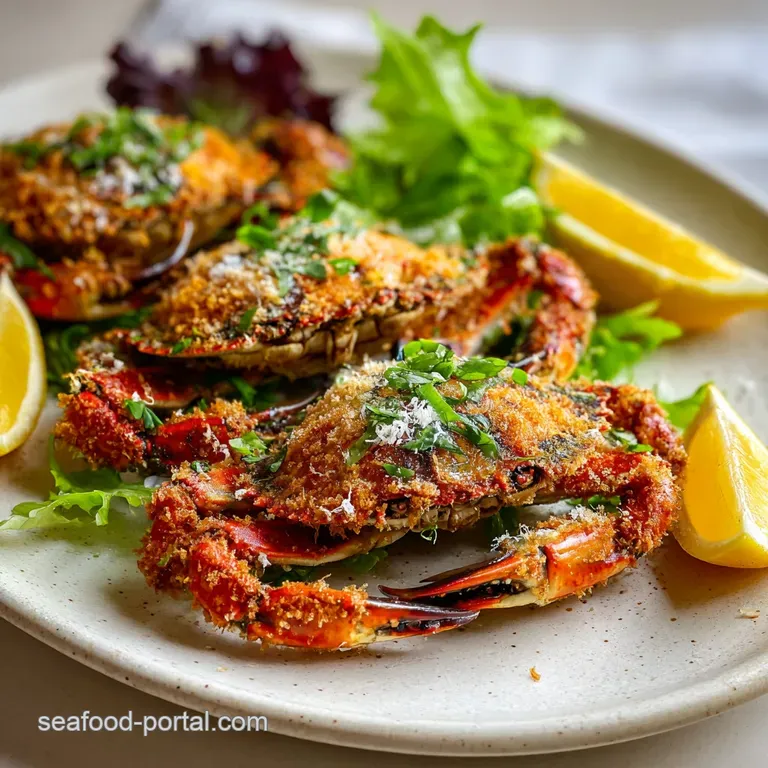
1. The Critical Cleaning Phase
If your fishmonger hasn't cleaned the 4 Prime Soft Shell Crabs, use kitchen shears to snip off the "face" (just behind the eyes). Lift the pointed side flaps to remove the feathery gills, and snip off the small "apron" on the belly. Pat them extremely dry with paper towels.
Note: Excess moisture is the enemy of a crisp crust.
2. The Seasoned Buttermilk Bath
Whisk together 240ml buttermilk, 1 tsp hot sauce, and half of the Old Bay in a shallow dish. Submerge the crabs in this mixture. Let them hang out for at least 10 minutes. Note: The acidity helps soften any remaining toughness in the shell.
3. The Double Dredge Coating
In a separate wide bowl, whisk 125g flour, 60g cornstarch, smoked paprika, garlic powder, cayenne, salt, pepper, and the rest of the Old Bay. Remove a crab from the buttermilk, let the excess drip off, and press it firmly into the flour mix. Coat every single nook and cranny.
4. The over High heat Flash Fry
Heat 60ml neutral oil in your skillet over medium high heat until it shimmers. Carefully place the crabs top side down in the oil. Sear for 3-4 minutes until the shell turns bright red and the coating is deep golden.
5. The Butter Baste Finish
Flip the crabs carefully. Add 30g unsalted butter to the pan. As it foams, tilt the pan and spoon that liquid gold over the legs and claws. Cook for another 3-4 minutes until they feel firm and look incredibly crispy.
6. The Rest and Season
Transfer the crabs to a wire rack immediately. Hit them with a tiny extra pinch of sea salt while the oil is still wet on the surface. Let them rest for 2 minutes before serving with 4 lemon wedges.
Fix Common Cooking Mistakes
Nothing is more disappointing than a soggy crab, but most issues happen in the first two minutes of the pan hitting the heat. If you find your coating is falling off, it usually means the crab wasn't dry enough before the buttermilk or the oil wasn't hot enough to "set" the crust immediately.
Preventing Coating Separation
If the flour layer slides off, it’s often because of a "steam barrier." Ensure you press the flour firmly into the crab. If the meat is too cold when it hits the pan, it releases water faster than the crust can crisp.
Ensuring Non Greasy Finish
A greasy crab is the result of low oil temperature. If the oil isn't at least 350°F, the breading will absorb the fat instead of searing against it. Use a thermometer if you're unsure.
Managing Oil Splatter
Soft shells are famous for "popping" because of water pockets in the claws. You can gently prick the ends of the claws with a toothpick before dredging to allow steam to escape.
| Problem | Root Cause | Solution |
|---|---|---|
| Soggy crust | Overcrowded pan | Fry only 2 crabs at a time to maintain oil temp |
| Burnt butter | Heat too high | Add butter only during the last 3 minutes of cooking |
| Rubbery shell | Under cooked | Ensure the shell has turned bright red and the edges are brittle |
Common Mistakes Checklist
- ✓ Never skip the pat dry step before the buttermilk bath.
- ✓ Use a mix of oil and butter; oil for the heat, butter for the flavor.
- ✓ Don't flip the crab more than once - it breaks the delicate crust.
- ✓ Ensure the oil is shimmering before the first crab touches the pan.
- ✓ Always use a wire rack for resting to keep the bottom side crunchy.
Creative Flavor Variations
If you want to move away from the classic Chesapeake style, this dish is surprisingly versatile. For a Japanese Soft Shell Crab Recipe, swap the Old Bay for ginger powder and a splash of soy in the buttermilk, then serve with a wasabi mayo.
Thai Chili Crab Style
For a vibrant twist, skip the buttermilk and marinate the crabs in lime juice and fish sauce. Use rice flour instead of all purpose flour for a lighter, "glassier" crunch. Toss the finished crabs in a quick glaze of honey, lime, and Thai bird’s eye chilies.
Air Fryer Lighter Version
Preheat your air fryer to 400°F. Spray the dredged crabs generously with oil on both sides. Cook for 10-12 minutes, flipping halfway through. It won't have the same buttery richness as the pan-fried version, but it's still remarkably satisfying.
Storage and Zero Waste Tips
Fried soft shell crab is best eaten immediately, but if you have leftovers, they can stay in the fridge for up to 2 days. To reheat, avoid the microwave at all costs! Use a 375°F oven or an air fryer for 3-5 minutes to bring back the crunch.
Don't throw away the buttermilk marinade either. If you have extra, it’s a fantastic base for a "seafood style" fried chicken the next day. Any leftover crispy bits in the pan can be strained and used to flavor a Classic Creamy Crab recipe or even a simple seafood pasta.
Best Side Dish Pairings
The richness of a pan-fried crab needs something bright or creamy to stand against. A zesty coleslaw or a simple arugula salad with a lemon vinaigrette is usually my go to. If you're going for a full on feast, a cup of The Velvety Dream recipe to start the meal sets a very high bar for the evening.
For the ultimate sandwich, toast a brioche bun and spread it thick with a Sauce for Crab Cakes recipe. Add a slice of heirloom tomato and some crisp bibb lettuce. The contrast between the warm, crunchy crab and the cold, creamy sauce is exactly what coastal dreams are made of.
Debunking Common Kitchen Myths
Myth: You must remove the entire back shell to clean a soft shell crab. Truth: You only need to remove the gills under the side flaps and the apron on the bottom. The main shell is what provides that incredible texture once fried.
Myth: Soaking in milk for hours makes them better. Truth: Over soaking can actually make the meat mushy. 10 to 20 minutes in buttermilk is the "sweet spot" for perfect tenderization without losing the crab's natural structure.
Soft Shell Crab Recipe FAQs
What is the best way to cook soft shell crab?
Pan-frying or shallow frying. This method creates the signature crispy shell and tender interior. For a healthier option, air frying also works well.
Why soak soft shell crabs in milk?
To tenderize and help the coating adhere. The acidity in milk (or buttermilk, which is often preferred) helps to tenderize the crab meat, while its liquid helps the flour coating stick better during the dredging process.
What part of soft shell crab do you not eat?
The gills and the "face." You'll want to remove the feathery gills from underneath the shell's side flaps and snip off the hard, triangular "face" just behind the eyes. The rest, including the shell, is edible.
How to prepare frozen soft shell crab?
Thaw overnight in the refrigerator. Gently rinse the thawed crabs under cold water and pat them completely dry with paper towels before proceeding with your recipe. Ensure they are fully defrosted for even cooking.
Can I substitute buttermilk for soft shell crab soaking?
Yes, buttermilk is actually preferred. While milk works, buttermilk's higher acidity provides better tenderization and acts as a superior "glue" for the flour dredge, similar to how it enhances the coating in recipes like Crab Imperial Recipe.
What's the secret to a crispy soft shell crab coating?
A combination of cornstarch and flour, and high heat. Using a mix of all-purpose flour and cornstarch creates a lattice that crisps up beautifully, and ensuring your oil is hot enough before adding the crab sets the coating quickly, preventing sogginess.
How long should I soak soft shell crabs?
About 10 to 20 minutes. Soaking for this duration in a seasoned buttermilk bath is enough to tenderize the crab and prepare it for dredging, without making the meat mushy or the shell too soft.
Soft Shell Crab Recipe
Ingredients:
Instructions:
Nutrition Facts:
| Calories | 238 kcal |
|---|---|
| Protein | 16.5g |
| Fat | 13.4g |
| Carbs | 13.2g |
| Fiber | 0.6g |
| Sugar | 1.1g |
| Sodium | 645mg |
