Shrimp and Rice Dishes: Our Best Smoky Saffron Skillet
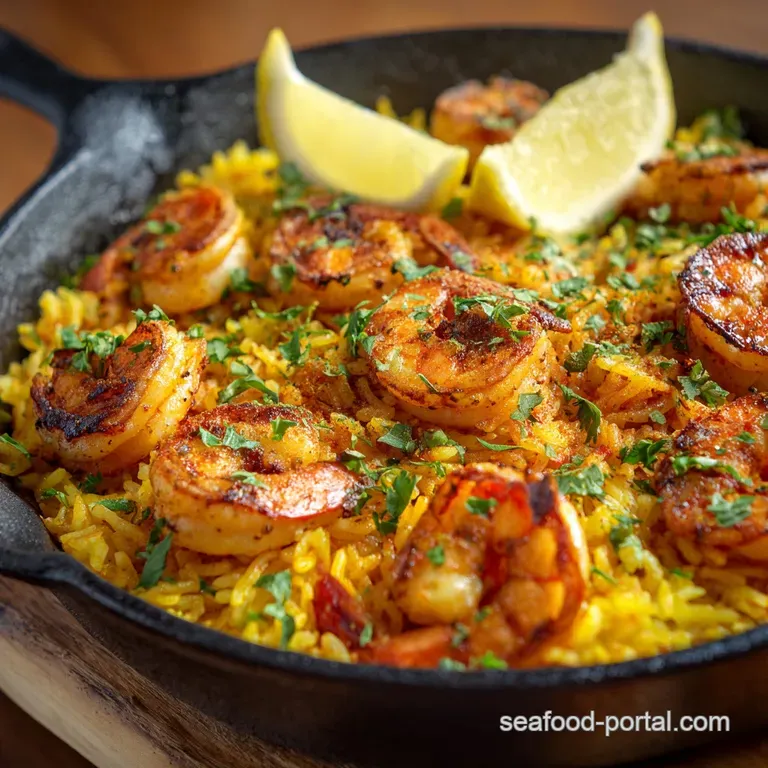
- The Best One-Pan Shrimp and Rice: A Mediterranean Skillet Dinner
- The Flavor Science: Why This Smoky Saffron Rice Recipe Works
- Essential Ingredients for Our Smoky Shrimp and Rice Skillet
- How to Make The Great British Prawn Pilaf: Step-by-Step Method
- Troubleshooting and Chef's Tricks for Perfect Skillet Shrimp Rice
- Storage and Reheating Guide for Leftover Shrimp and Rice
- Suggested Pairings: What to Serve Alongside Your Prawn Pilaf
- Recipe FAQs
- 📝 Recipe Card
The Best One-Pan Shrimp and Rice: A Mediterranean Skillet Dinner
Can you smell that? It’s the incredibly smoky scent of Spanish paprika mixing with the subtle, honeyed aroma of real saffron, creating that deep golden hue that promises sunshine in a bowl.
This isn't some bland, boiled together supper; this is the smoky, succulent, one-pan prawn pilaf of your dreams, where every grain of rice is coated in flavor, and the shrimp are cooked perfectly.
When Monday rolls around and you need a satisfying dinner fast, but you refuse to sacrifice taste, this is the recipe you grab. It feels elegant like something you'd order on a Mediterranean holiday but it comes together in under an hour with minimal cleanup, making it a true lifesaver for busy weeknights.
We are taking the very best techniques from paella and Italian risotto, adapting them for maximum flavor impact, and stripping away the fuss.
So, ditch the takeaway menu tonight. We're going to crack on and make a genuinely stunning "shrimp and rice" dish that tastes complex but is deceptively easy. I’ll share the little tricks I learned (the hard way, naturally) to ensure your prawns stay tender and your rice doesn’t turn into glue.
The Flavor Science: Why This Smoky Saffron Rice Recipe Works
Why This Prawn Pilaf is Your New Weeknight Hero
I needed a super quick shrimp recipe that wasn’t boring, and this prawn pilaf absolutely delivers. This isn’t a high maintenance dish; it’s just smart cooking. We layer the flavor right from the start using a classic soffrito foundation of slow cooked vegetables and spices, ensuring depth without waiting hours.
It’s the perfect one-pot dinner for when you’re craving something vibrant and hearty.
From Paella to Pilaf: Defining Our Flavor Packed Shrimp and Rice
While this recipe borrows heavily from Spanish arroz traditions, it’s definitively a pilaf in technique. We are looking for loose, separate grains that are still incredibly tender and moist, not the crunchy soccarat bottom or the super creamy consistency of a risotto.
By controlling the amount of liquid and resisting the urge to stir constantly, we achieve a texture that is simultaneously fluffy and succulent.
Quick Recipe Facts: Prep Time, Cook Time, and Yield
| Stage | Time Estimate |
|---|---|
| Prep Time | 15 minutes |
| Cook Time | 30– 35 minutes |
| Total Time | 45– 50 minutes |
| Servings | 4 hungry people |
The Sofrito Foundation: Deepening the Rice Base
The secret to a great shrimp and rice dish is never rushing the aromatics. Cooking the diced onions and bell pepper slowly in good olive oil draws out their sugars, adding a subtle sweetness that balances the smoky paprika.
When you add the spices especially the paprika and cook them just for a minute, you "bloom" them. Bloomed spices release their full volatile oils, making the entire dish taste richer and more nuanced.
Achieving Perfectly Fluffy Yet Succulent Grains (No Mush!)
This step is critical: you must toast the rice. After the soffrito is done, stirring the uncooked rice directly into the spices and oil for two minutes seals the outside of the grain.
This technique helps the rice absorb flavor while preventing the grains from breaking down during the long simmer, ensuring that beautifully loose pilaf texture.
Timing the Seafood: Preventing Rubbery Prawns
I made this mistake countless times when I first started cooking shrimp and rice dishes . If you add the prawns too early, they cook for 20 minutes and turn into little rubbery pellets awful! Our method uses residual heat.
We add the raw, seasoned prawns right at the end, cover the pan, and let them gently steam for five minutes. They turn opaque, sweet, and perfectly tender.
Essential Ingredients for Our Smoky Shrimp and Rice Skillet
Choosing the Right Prawns: Fresh, Frozen, or Cooked?
Always use raw, peeled, and deveined large shrimp (prawns) for this recipe. While frozen is absolutely fine (just thaw them thoroughly and pat them dry first!), avoid pre-cooked shrimp. Pre-cooked shrimp will become tough and chewy when exposed to any further heat, even residual heat.
The Best Rice for Pilaf: Long Grain vs. Short Grain
For the ideal creamy, yet separated texture, use a medium grain rice like Arborio or Calasparra . Arborio is usually easier to find and works brilliantly. If you use a long grain rice like Jasmine, the cooking liquid ratio might need minor adjustment, and the final texture will be less soft.
Whatever you do, don't rinse the rice! We want that surface starch to help bind the spices.
Saffron, Smoked Paprika, and Stock: The Flavor Trilogy
This trio is what transforms simple rice into something extraordinary. Use only Smoked Paprika (Pimentón Ahumado), not sweet or plain paprika. That smoky depth is non-negotiable here.
Saffron is expensive, yes, but a tiny pinch steeped in hot stock provides that distinctive golden color and subtle floral note that defines the dish.
Chef’s Note: Always heat your stock fish or vegetable before adding it to the rice. Adding cold liquid stops the cooking process dead in its tracks and ruins the rice absorption cycle, leading to unevenly cooked grains.
Ingredient Swaps and Dietary Adjustments
Sometimes you just don't have exactly what the recipe asks for. That’s okay! Here are my trusted swaps for this easy shrimp recipe:
| Ingredient Needed | Viable Substitution | Notes on Swap |
|---|---|---|
| Saffron | ¼ tsp Turmeric Powder | Provides color, but not the same floral flavor. Use sparingly. |
| Fish Stock | Quality Chicken or Vegetable Stock | Chicken stock adds a neutral base that complements the shrimp and rice well. |
| Arborio Rice | Jasmine or Basmati Rice | Jasmine works well, but reduce the liquid slightly and check doneness earlier. |
| Cayenne Pepper | A generous dash of Tabasco or Chipotle Powder | Adds the necessary low background heat. |
| Dry White Wine | Equal amount of stock or dry vermouth | If avoiding alcohol, simply use more stock to deglaze. |
How to Make The Great British Prawn Pilaf: step-by-step Method
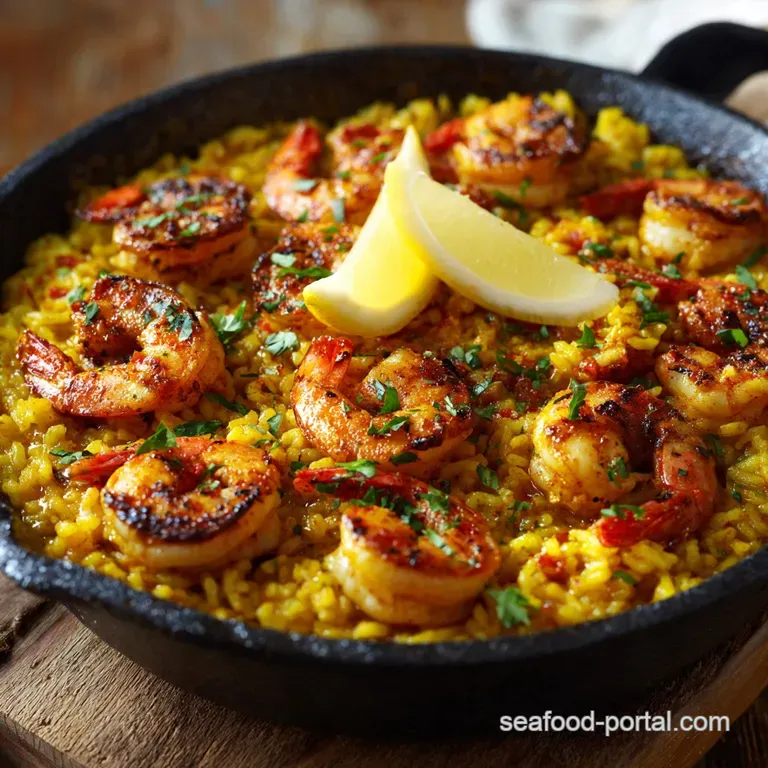
Prepping the Prawns and Aromatic Base
- Infuse the Stock: Pour 5 cups of fish or vegetable stock into a saucepan and bring it to a gentle simmer. Add the saffron threads directly to the hot stock, stir, and keep the pan warm on the lowest heat setting.
- Season the Prawns: Pat your thawed, peeled prawns completely dry. Toss them in a small bowl with a pinch of salt and pepper. Set them aside they are only joining the party at the very end.
- Build the Sofrito: Heat 3 Tbsp of olive oil in your large, shallow skillet over medium heat. Add the diced onion and red bell pepper. Sauté gently for 6– 8 minutes until they are fully softened.
- Bloom the Spices: Add the minced garlic, 1 Tbsp of smoked paprika, and ½ tsp of cayenne. Stir and cook for only 60 seconds until fragrant. Do not let the garlic or paprika burn!
Toasting the Rice and Incorporating the Liquid
- Toast the Rice: Pour the 1 ½ cups of Arborio rice into the skillet. Stir quickly for 2 minutes, ensuring every grain is coated in the smoky, spiced oil. This is where the magic happens.
- Deglaze: Pour in the ½ cup of dry white wine (if using). Cook, scraping up any flavorful bits stuck to the bottom, until the wine is almost completely absorbed (about 2 minutes).
- Simmer (First Half): Ladle in half of the hot saffron stock (about 2 ½ cups). Stir once to distribute the rice evenly, then stop. Reduce the heat immediately to low/medium low. Let it simmer, uncovered, for 10– 12 minutes, or until the liquid has dropped below the rice surface.
- Simmer (Second Half): Add the remaining hot stock. Do not stir again! Continue to simmer for another 8– 10 minutes. The rice should be tender, but still slightly firm at the core (al dente).
The Final Five Minutes: Adding the Prawns and Resting
- Add Prawns: Once most of the liquid has been absorbed and the rice is looking moist but not soupy, scatter the seasoned raw prawns evenly across the top. Gently nestle them slightly into the rice.
- Rest and Steam: Cover the skillet tightly with a lid or foil. Turn the heat completely off . Let the dish sit for exactly 5– 7 minutes. The residual heat will steam the prawns perfectly.
- Final Touches: Remove the lid. Stir in the fresh lemon zest and the chopped parsley (reserving some for garnish). Fluff the rice gently with a fork and serve immediately with fresh lemon wedges.
Troubleshooting and Chef's Tricks for Perfect Skillet Shrimp Rice
The Number One Mistake: Stirring Too Much!
If you treat this like a risotto and stir constantly, you release too much starch, and your beautiful pilaf turns into sticky, thick porridge. Rule: Stir only when adding the rice to toast and when adding the liquid. Otherwise, leave it alone. Trust the slow simmer.
Controlling the Simmer: Ensuring Even Cooking
If the bottom of your pan starts sticking or burning before the rice is cooked, your heat is too high. You need a gentle bubble just enough to allow the stock to be absorbed slowly. If it’s burning, immediately place a heat diffuser under the skillet or move the pan to a much cooler burner.
Adding a Post Cook Acidic Finish
Sometimes, a rich, savory dish needs a little lift. The acid helps cut through the richness of the oil and the density of the rice. Always add fresh lemon zest and a squeeze of fresh lemon juice right at the end. This brightens the entire flavor profile, making the spices pop.
Storage and Reheating Guide for Leftover Shrimp and Rice
Food Safety: How Long Does Cooked Shrimp Rice Last?
Cooked shrimp and rice is best enjoyed fresh, but leftovers keep wonderfully. Store any cooled leftovers in an airtight container in the refrigerator for up to 3 days. I absolutely do not recommend freezing this specific recipe. The rice texture changes dramatically, and the prawns often seize up. If you are looking for an appetizer that freezes well, try my recipe for Shrimp Lumpia Recipe Filipino Style: Crispy Golden Appetizers instead!
Best Way to Reheat Without Drying Out the Prawns
Reheating is where you need patience. Put the leftovers in a microwave safe bowl, sprinkle a tablespoon or two of water or stock over the top, and cover the bowl tightly with a lid or plastic wrap. Microwave on 50% power in 90 second bursts until hot.
The added moisture prevents the rice from drying out, and the gentle heat keeps the prawns tender. You can also reheat gently in a covered skillet with a splash of liquid.
Suggested Pairings: What to Serve Alongside Your Prawn Pilaf
This smoky saffron skillet is hearty enough to be a meal on its own, but a light side dish really helps cleanse the palate.
Simple Salads and Greens That Cut Through the Richness
Because the pilaf is rich and savory, you need something sharp and fresh alongside it. A simple arugula salad with shaved Parmesan and a bright lemon vinaigrette is perfect. If you want a fun starter while the rice simmers, whip up some quick Shrimp Bruschetta: Easy Lemon Garlic Seafood Appetizer Recipe — the lemon garlic flavors will echo the main dish beautifully.
For a completely different texture contrast, especially if you want a soup like counterpoint, serving a small, warm bowl of something lighter, like my recipe for Shrimp Stew: The Saffron Kissed Spanish Recipe with Chorizo and Cream (minus the rice, obviously!) as a side cup, works brilliantly in cold weather.
Don't forget the crusty bread! You need something sturdy to soak up any remaining saffron infused oil and spices left at the bottom of the pan.

Recipe FAQs
Why is my rice dry or crunchy instead of moist and fluffy?
This is usually due to insufficient liquid or the heat being too high during the crucial simmering phase. Ensure the lid is tight during cooking to trap steam, and if the rice looks dry before the 15-minute mark, add a small splash of warm stock and immediately recover the pan.
Can I substitute basmati or jasmine rice for the recommended medium grain rice?
While you can substitute, the final texture will differ significantly. Basmati and Jasmine are less starchy, require less liquid, and cook faster (about 10-12 minutes), meaning they won't absorb the rich saffron and paprika flavors as effectively or create the intended creamy pilaf texture.
How do I ensure my shrimp aren't tough and rubbery?
The key to perfect shrimp is avoiding overcooking; they need only 2-3 minutes per side to turn opaque pink. Always incorporate the shrimp right at the end of the cooking process either resting them on top during the final five minutes of simmering or stirring them in after the rice is fully cooked.
I don't have saffron; what is the best substitute for color and flavor?
Turmeric is the best substitution for achieving a similar vibrant golden yellow color in the rice. Use just a quarter teaspoon of ground turmeric added to the stock to prevent an overly bitter or medicinal flavor profile, as it lacks saffron’s delicate floral aroma.
How long can I safely store leftovers, and what is the best way to reheat them?
Store leftovers in an airtight container in the refrigerator for up to 2 days, being mindful that seafood is highly perishable. When reheating, sprinkle the rice with a tablespoon of water or broth, cover the dish, and microwave on medium heat until piping hot to restore moisture and prevent drying.
Can I use frozen shrimp, and is thawing necessary?
Yes, frozen shrimp are acceptable, but you must ensure they are fully thawed and patted completely dry before use. Adding cold or frozen shrimp directly to the skillet dramatically lowers the pan temperature, which can hinder the rice cooking properly and lead to a tough final product.
Can this recipe be adapted for a vegan or vegetarian diet?
Absolutely. Omit the shrimp entirely and replace them with hearty substitutes like chickpeas, quartered artichoke hearts, or sautéed oyster mushrooms. Be sure to use a high-quality vegetable stock instead of chicken stock to maintain a deep savory base.
Smoky Shrimp And Rice Skillet

Ingredients:
Instructions:
Nutrition Facts:
| Calories | 429 kcal |
|---|---|
| Protein | 21.9 g |
| Fat | 13.6 g |
| Carbs | 43.2 g |
