Smoky and Savory Smoked Mackerel Recipe
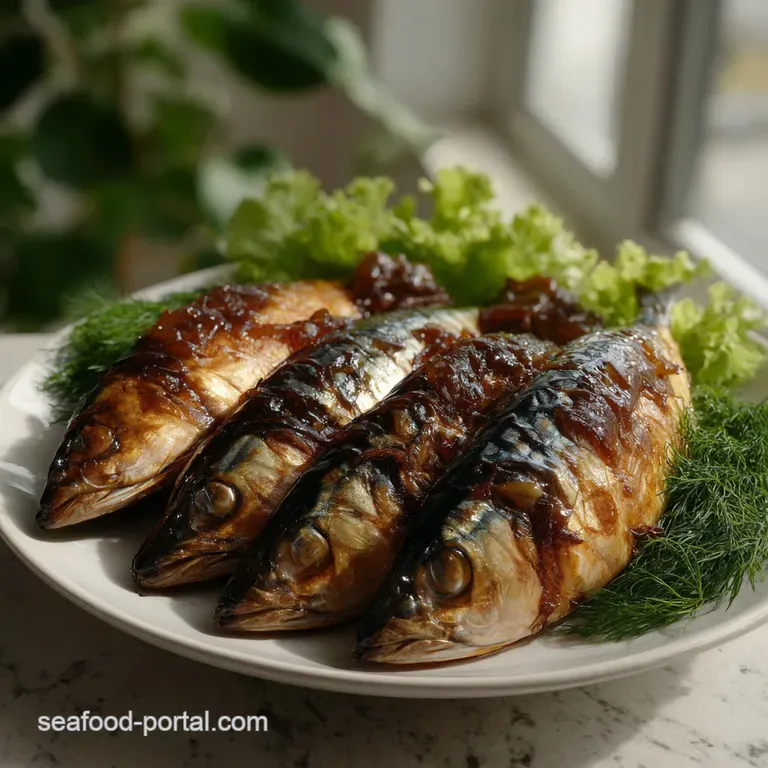
- Effort/Time: Minimal effort / 15 minutes total
- Flavor Hook: Mahogany-glazed, salty-sweet, and deep wood-smoke aroma
- Perfect for: Budget-conscious gourmet lunches and high-protein-low-carb dinners
- Unlocking the Ultimate Smoky and Savory Smoked Mackerel Recipe
- The Culinary Physics of Cold-Smoked Proteins
- The Alchemy of Umami: Selecting Your Essential Elements
- Architecting Your Kitchen: Required Tools for over High heat Searing
- The 15 Minute Protocol: From Raw Prep to Mahogany Finish
- Precision Fixes: Navigating Potential Culinary Roadblocks
- ⚗️ The Scaling Lab: The Math of Multiplication
- Facts vs Fiction: Debunking Kitchen Folklore
- Preservation Science: Storage Cycles and Zero-Waste Tactics
- Textural Contrast: Selecting Ideal Accompaniments
- Direct Expert Answers for Flawless Seafood Results
- Recipe FAQs
- 📝 Recipe Card
Unlocking the Ultimate Smoky and Savory Smoked Mackerel Recipe
We have all been there: staring at a vacuum sealed pack of smoked fish, wondering if it can be anything more than a cold salad topper. While smoked mackerel is a staple of budget friendly pantries, it often suffers from a reputation of being overly oily or one-dimensional.
This Smoky and Savory Smoked Mackerel Recipe solves that problem by using heat and acid to cut through the lipids, creating a balanced, restaurant quality meal.
I remember my first attempt at cooking smoked mackerel; I treated it like raw fish and ended up with a salty, overcooked mess. The secret is recognizing that the fish is already "cooked" by the smoking process.
Our goal isn't to cook the flesh, but to engineer a textural contrast and build a flavor bridge between the smoke and the glaze, making this the definitive Smoky and Savory Smoked Mackerel Recipe.
By focusing on a over high heat skin sear, we activate the residual fats, turning them into a natural basting liquid. This method ensures the interior remains velvety while the exterior achieves a shattering crispness.
It is the ultimate hack for a fastvsclassic comparison getting deep, slow cooked smoke flavor in a fraction of the time required for traditional curing, which is why this method defines the best Smoky and Savory Smoked Mackerel Recipe.
The Culinary Physics of Cold Smoked Proteins
The success of this dish relies on thermal efficiency and the Maillard reaction. Since the fish is already preserved, we are primarily concerned with surface transformation rather than internal temperature gradients.
The science underpinning this excellent Smoky and Savory Smoked Mackerel Recipe is sound.
- Lipid Liquefaction: Smoked mackerel contains up to 20% fat; high heat renders this fat, creating a self basting environment that prevents the lean protein fibers from toughening.
- Glaze Viscosity: The maple syrup and soy sauce create a non-Newtonian fluid that clings to the protein through hydrogen bonding, concentrating flavor as the water evaporates.
| Aspect | Fast (This Method) | Classic (From Scratch) | Why It Matters |
|---|---|---|---|
| Time Investment | 15 minutes | 24–48 hours | Pre-smoked fish saves the curing/smoking phase. |
| Texture | Crispy skin, warm flake | Uniformly firm, cold | over High heat searing adds a third dimension of texture. |
| Flavor Profile | Sweet Salty-Smoky | Pure Smoke | The glaze balances the inherent saltiness of the cure. |
The Alchemy of Umami: Selecting Your Essential Elements
Selecting your arsenal is the first step toward a superior result. We prioritize ingredients that provide high impact for a low cost, following a budget_smart philosophy. Achieving the perfect profile for this Smoky and Savory Smoked Mackerel Recipe starts here.
| Ingredient | Chemical/Physical Role (Science) | The Pro Secret (Why This Matters) |
|---|---|---|
| Smoked Mackerel | Denatured protein with smoke infused phenols | Why this? Cold smoking preserves the delicate fat structure without drying the flesh. |
| Maple Syrup | Sucrose and invert sugars for caramelization | Why this? Lower burn point than white sugar, providing a darker, mahogany finish. |
| Fresh Ginger | Proteolytic enzymes (Zingibain) | Why this? Gingerols provide a heat spike that cuts through the heavy mackerel oils. |
| Rice Vinegar | Acetic acid for pH balancing | Why this? Low acidity (4 5%) brightens the dish without curdling the remaining proteins. |
- Neutral Oil
- Use Sunflower or Canola oil if Grapeseed is unavailable. Note: Ensure a high smoke point (>200°C) to prevent acrid flavors.
- Maple Syrup
- Swap with Honey. Note: Honey burns faster; reduce heat slightly during the glazing phase to avoid bitterness.
- Soy Sauce
- Liquid Aminos or Tamari work perfectly. Note: Tamari adds a deeper, fermented funk but increases the sodium profile.
Architecting Your Kitchen: Required Tools for over High heat Searing
To achieve professional results, your equipment must manage heat distribution effectively. I prefer using a Lodge Cast Iron Skillet for its thermal mass, which prevents the pan temperature from dropping when the fish hits the surface.
If you are aiming for a lighter touch, a T-fal Non-stick Muffin Tin is irrelevant here, but a Scanpan Non-stick Frypan is excellent for ensuring the delicate skin remains intact while preparing this excellent Smoky and Savory Smoked Mackerel Recipe.
- Microplane Grater: Essential for the 0.5 tsp of ginger to ensure it dissolves into the glaze rather than leaving fibrous chunks.
- Fish Spatula: Its thin, flexible metal allows you to slide under the mackerel without shattering the flake.
- Small Glass Ramekin: Use this to pre-mix the soy sauce, maple syrup, and rice vinegar to prevent the sugars from burning while you scramble for ingredients.
Chef's Tip: Freeze your ginger root and grate it while frozen. This prevents the fibers from clogging the grater and results in a snow like texture that melts instantly into the sauce.
The 15 Minute Protocol: From Raw Prep to Mahogany Finish
Follow these atomic steps for a flawless Smoky and Savory Smoked Mackerel Recipe. Timing is critical; because the fish is pre-cooked, every second of heat counts.
- Pat the 2 large Smoked Mackerel Fillets bone dry with paper towels. Note: Surface moisture creates steam, which prevents the skin from becoming crispy.
- Whisk 2 tbsp soy sauce, 1 tbsp maple syrup, 1 tsp rice vinegar, and 0.5 tsp grated ginger in a small bowl. Note: Pre-emulsifying the glaze ensures even coating.
- Heat 1 tbsp neutral oil in your Lodge Cast Iron Skillet over medium high heat until it shimmers.
- Place fillets skin side down in the hot oil for 2 minutes until the sizzle intensifies and edges appear golden brown.
- Press gently with a spatula for 30 seconds until the skin makes full contact and stops curling.
- Flip the fish carefully until the flesh side touches the pan for exactly 30 seconds.
- Pour the glaze mixture directly into the pan until it begins to bubble and hiss aggressively.
- Spoon the bubbling glaze over the fish for 1 minute until the sauce thickens into a syrupy, mahogany coat.
- Remove from heat immediately until the glaze clings to the fish without running.
- Garnish with sliced green onion, toasted sesame seeds, and radish slices until the vibrant colors contrast against the dark glaze. This final presentation step elevates any Smoky and Savory Smoked Mackerel Recipe.
Precision Fixes: Navigating Potential Culinary Roadblocks

Even with a simple recipe, the high fat content of mackerel can present challenges. Understanding the science of why your fish might stick or the glaze might break is key to mastering this dish.
Why Your Mackerel Skin Sticks to the Pan
This usually occurs due to protein bonding. If the pan isn't hot enough, the proteins in the skin form a chemical bond with the metal surface before the fat has a chance to render and create a non-stick barrier.
Mastering this technique is crucial for a successful outcome when executing the Smoky and Savory Smoked Mackerel Recipe.
| Problem | Root Cause | The Fix | Pro Protocol |
|---|---|---|---|
| Soggy Skin | Residual surface moisture | Pat dryer with towels | Use a hairdryer on cold for 30 seconds for "glass like" skin. |
| Broken Glaze | Heat too high (Sugar separation) | Add 1 tsp water | Whisk vigorously off-heat to re-emulsify the fats and sugars. |
| Bitter Aftertaste | Burnt ginger or garlic | Lower initial temp | Add aromatics only in the last 60 seconds of cooking. |
⚗️ The Scaling Lab: The Math of Multiplication
Doubling this recipe requires more than just doubling the ingredients. You must account for the Square Cube Law and Thermal Mass.
- The Evaporation Paradox: If you double the glaze in the same pan, the surface area remains constant. The liquid will take 40% longer to reduce, which risks overcooking the fish. Fix: Use two separate pans or a much wider skillet to maintain the reduction rate.
- Pan Crowding: Adding four fillets instead of two will drop the pan temperature by roughly 15°C. This leads to steaming instead of searing. Fix: Sear in two batches, keeping the first batch warm in a low oven (60°C).
- Flavor Saturation: Scale the soy sauce and maple syrup to 1.5x (NOT 2x). Smoked fish varies in saltiness; you can always add a splash of soy at the end, but you cannot remove it once reduced. For large batches, remember to adjust your heat distribution to ensure every fillet benefits from the searing process that makes this dish special.
Facts vs Fiction: Debunking Kitchen Folklore
Myth: You must cook smoked fish all the way through to be safe. Truth: Smoked mackerel is already cured and hot-smoked (usually to an internal temp of 63°C), making it safe to eat cold.
Our cooking process is purely for texture and flavor enhancement, turning it into a complete meal.
Myth: Oily fish doesn't need added oil in the pan. Truth: While mackerel is fatty, you need the conduction medium of neutral oil to transfer heat evenly into the skin's crevices for that "shatter crisp" effect that truly perfects the Smoky and Savory Smoked Mackerel Recipe.
Preservation Science: Storage Cycles and Zero Waste Tactics
Storage Protocols
- Fridge: Store in an airtight container for up to 2 days. The glaze will thicken; add a teaspoon of water before reheating.
- Freeze: I do not recommend freezing the finished glazed dish as the texture of the fish becomes mealy upon thawing.
- Reheating: Use a pan over low heat. Microwave reheating causes the fish oils to oxidize rapidly, resulting in a "fishy" aroma.
Zero Waste Philosophy
Don't discard the Mackerel Skin if it falls off. Transform: Fry it separately until it becomes a "mackerel cracker." Science: The high collagen content turns brittle and airy when deep fried, providing an umami rich snack.
Leftover glaze from this Smoky and Savory Smoked Mackerel Recipe is gold!
Got leftover glaze? Transform: Toss it with steamed broccoli or green beans. Science: The rendered fish fat in the leftover sauce acts as a natural flavor enhancer (rich in glutamates) for bland vegetables. If you enjoyed the smoky depth of this dish, you might find similar satisfaction in our Cozy Clam Chowder recipe, which uses smoke to anchor the creamy base.
Textural Contrast: Selecting Ideal Accompaniments
Because this Smoked Mackerel Recipe is intensely savory and fatty, it requires high acid or high fiber pairings to cleanse the palate.
- Steamed Jasmine Rice: The neutral starch absorbs the excess glaze. For a perfect side, try the technique from our Poached Cod with recipe.
- Pickled Cucumbers: The acetic acid in the pickles neutralizes the heavy lipids on the tongue.
- Smashed Potatoes: The earthy tones of potatoes complement the wood smoke of the fish. This pairs beautifully with the crispiness found in a Crunchy and Classic recipe.
- If you want a light lunch
- Serve over a bed of bitter arugula with a lemon vinaigrette.
- If you want maximum comfort
- Serve alongside buttery mashed potatoes and roasted carrots.
- If you want low carb
- Serve with cauliflower rice and double the radish garnish for crunch.
Direct Expert Answers for Flawless Seafood Results
How do I know when the mackerel is warmed through without a thermometer?
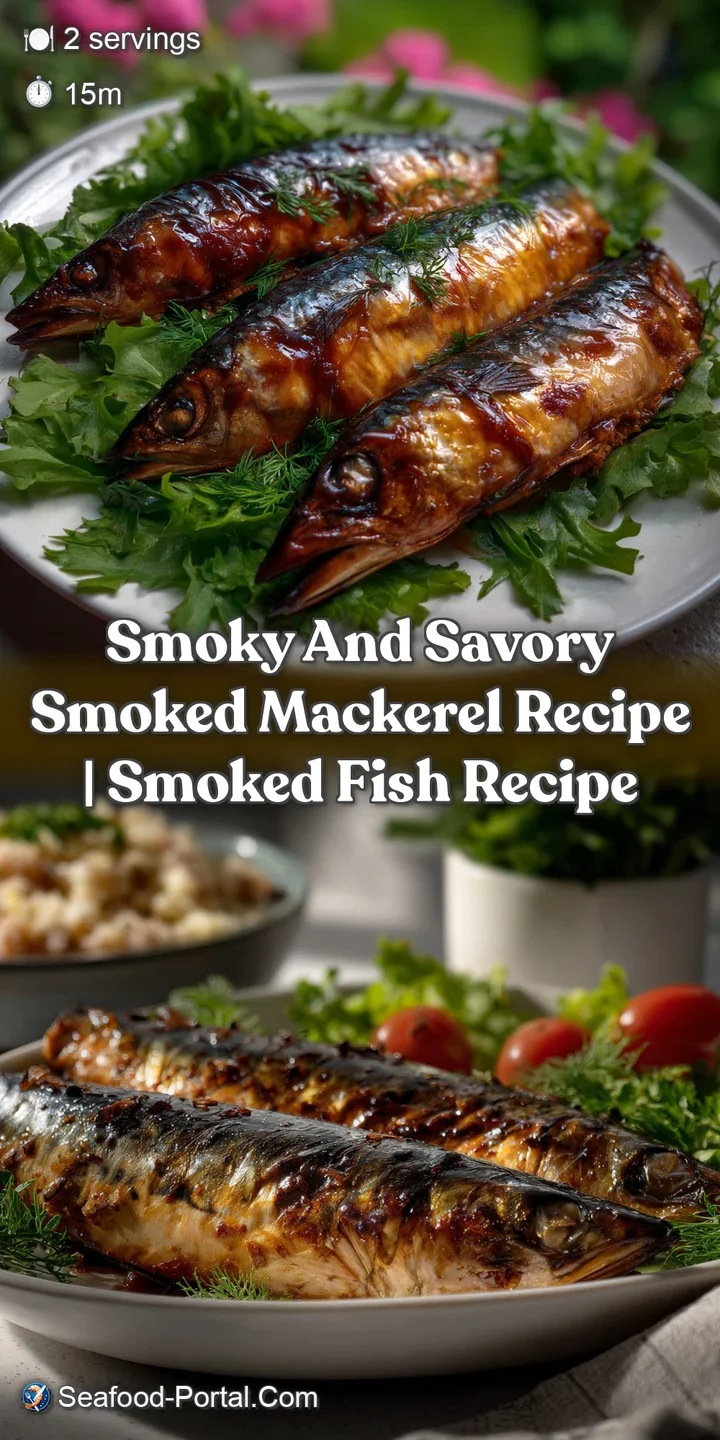
Since the fish is pre-cooked, watch for the flake separation. When the fillets are ready, the individual muscle flakes will begin to slightly pull apart when nudged with a fork. The glaze should also be "hugging" the fish, appearing as a thick, dark coating rather than a thin liquid.
This visual cue is the final step in perfecting the temperature for this great Smoky and Savory Smoked Mackerel Recipe.
Is this recipe keto friendly?
As written, the maple syrup adds about 6.8g of sugar. To make this strictly keto, substitute the maple syrup with a brown sugar erythritol monk fruit blend. The flavor will remain smoky and savory, but the "stickiness" of the glaze will be slightly reduced.
Why is my fish falling apart in the pan?
This is a result of over handling. Smoked fish has a delicate structure because the proteins have already been denatured. Place it in the pan, leave it for 2 minutes, flip once, and then leave it again. The less you move it, the more it stays intact.
What if I can't find smoked mackerel?
You can use smoked trout or even smoked salmon fillets. However, keep in mind that trout is leaner; you may need an extra teaspoon of oil to prevent sticking. Smoked salmon is often thinner, so reduce the searing time by 30 seconds to prevent the flesh from becoming "stringy." For those who prefer grilling, the techniques in our How to Grill recipe for flounder provide great insight into managing delicate fish on high heat.
Recipe FAQs
What oil should I use for the high heat sear?
Grapeseed or Sunflower oil. Both possess a smoke point above 200°C, which is vital for crisping the skin without creating acrid, burnt flavors in the pan.
Can I use honey instead of maple syrup in the glaze?
Yes, but adjust heat. Honey contains fructose which burns faster than maple's sugar profile. Lower the pan temperature by 10 degrees Celsius when adding the glaze to prevent bitterness.
Why does the skin stick stubbornly to my cast iron pan?
The pan was not hot enough before fish contact. Proteins bond chemically to the metal surface when temperatures are too low, preventing fat rendering from creating a non-stick layer.
- Ensure oil shimmers visibly
- Use a thin coat of oil (1 tbsp)
- Wait 2 full minutes before attempting to lift
Should I use fresh or dried ginger for the glaze?
Fresh ginger is mandatory for flavor integration. Dried ginger lacks the necessary volatile oils and proteolytic enzymes (zingibain) that cut through the richness of the mackerel fat.
Is this recipe suitable for low-carb or keto diets?
It requires substitution. The maple syrup adds significant sugar, but swapping it 1:1 for a brown sugar erythritol blend maintains texture while keeping the recipe compliant.
What temperature is safe for reheating leftovers?
Myth: Microwave reheating is acceptable for oily fish. Reality: Microwaving causes rapid lipid oxidation, resulting in strong, unpleasant fishy aromas; use a low-heat skillet instead.
What is the best side dish pairing for this rich fish?
A sharp, acidic salad cleanses the palate. The richness of the smoked mackerel benefits greatly from acidity, similar to how we balance strong savory notes in our Shrimp and Gnocchi: 33-Minute Meal with Lemon Brown Butter Sauce by using bright lemon zest.
Smoky Mackerel Glaze Recipe

Ingredients:
Instructions:
Nutrition Facts:
| Calories | 489 kcal |
|---|---|
| Protein | 28.5 g |
| Fat | 38.2 g |
| Carbs | 8.4 g |
| Fiber | 0.3 g |
| Sugar | 6.8 g |
| Sodium | 840 mg |
