Smoked Halibut: Gourmet Delicacy
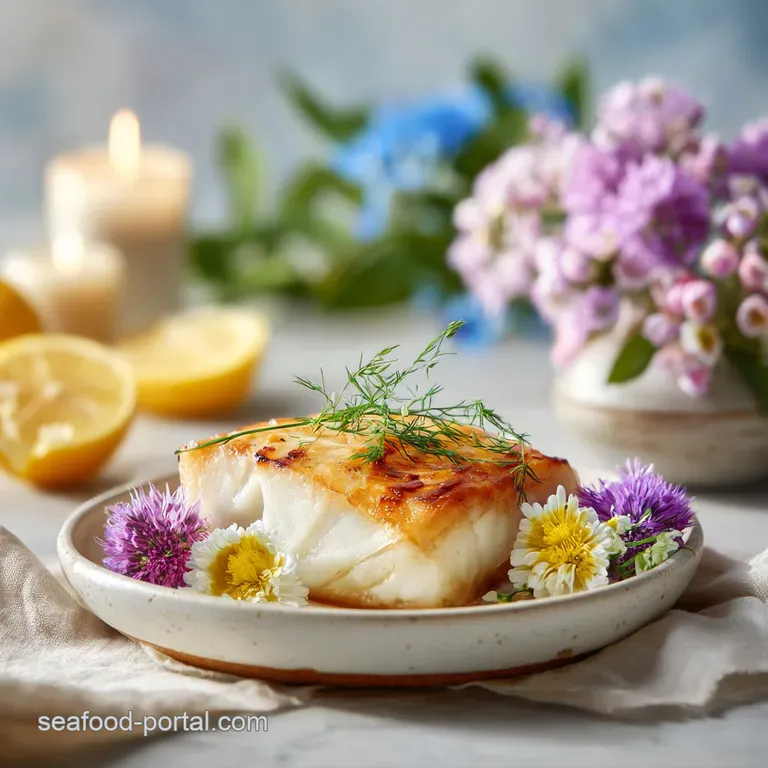
- Time: Active 15 minutes, Passive 4 hours, Total 4 hours 15 minutes
- Flavor/Texture Hook: Silky, buttery flakes with a subtle, woody sweetness
- Perfect for: Weekend entertaining, gourmet brunch, or meal prep protein
- Mastering The Best Smoked Halibut
- Smoked Halibut Specs and Timing
- Selecting Your Smoked Halibut Ingredients
- Essential Tools for Smoked Halibut
- Key Steps for Smoked Halibut
- Fixing Your Smoked Halibut Issues
- Creative Smoked Halibut Flavor Variations
- Debunking Common Smoking Myths
- Storing Your Smoked Halibut Right
- Best Sides for Smoked Halibut
- High in Sodium
- Recipe FAQs
- 📝 Recipe Card
Mastering The Best Smoked Halibut
Have you ever stood over a grill, watching a gorgeous piece of fish turn into a dry, chalky mess in seconds? It is heartbreaking. I used to think smoking white fish was reserved for the pros, but after a few messy trials, I realized it is all about the preparation.
When you pull a tray of this Smoked Halibut off the grates, the first thing you notice is the aroma a mix of sweet applewood and bright lemon zest that makes your mouth water instantly.
We are going for a texture that is firm enough to flake but so moist it almost melts. Achieving that requires a bit of patience with the brine, but the actual hands on work is incredibly minimal. Honestly, it is one of those recipes where the smoker does 90% of the heavy lifting while you sit back with a drink.
This Gourmet Smoked Halibut Made Easy approach is my secret weapon for showing off when friends come over for a backyard lunch.
The key is treating the halibut with respect. Because it is a lean fish, we aren't just adding flavor; we are building a protective barrier. By the time you finish this guide, you will be able to produce seafood that looks like it came from a high end coastal smokehouse.
Let's get into the nitty gritty of why this technique actually works so you can nail it every single time.
Smoked Halibut Specs and Timing
Osmosis: The salt in the brine moves into the fish cells, seasoning it deeply while allowing the proteins to hold onto more water during the cook.
Pellicle Formation: Air drying the brined fish creates a tacky surface called a pellicle, which acts as a "glue" for the smoke particles to stick to.
Protein Denaturation: Low heat prevents the muscle fibers from contracting too quickly, which stops the moisture from being squeezed out like a sponge.
| Method | Temperature | Texture Result | Best For |
|---|---|---|---|
| Traeger/Pellet | 225°F | Even smoke, very moist | Consistent results every time |
| Electric Smoker | 225°F | Mild smoke, firm flake | Beginners who want "set and forget" |
| Offset Smoker | 225°F | Bold, traditional flavor | Enthusiasts who love fire management |
When choosing your method, consider how much "smoke punch" you want. I personally love using a pellet grill like a Traeger for this because the airflow is so consistent. If you are looking for another great seafood project, my Pan Seared Halibut Cheeks recipe uses a different heat logic but delivers that same premium flavor profile.
Selecting Your Smoked Halibut Ingredients
Before we start, we need to talk about the fish. You want center cut fillets if possible. They have a uniform thickness which is vital for even cooking. If one side is an inch thicker than the other, the thin side will be overdone before the middle is even warm.
Look for meat that is translucent and bright white, never dull or yellowish.
| Ingredient | Science Role | Pro Secret |
|---|---|---|
| Kosher Salt | Denatures proteins | Use Diamond Crystal for a gentler, more controlled salt curve |
| Dark Brown Sugar | Humectant | The molasses content helps create a deeper, lacquered finish |
| Garlic & Lemon | Aromatics | Smashed garlic releases oils slowly without burning in the heat |
For the liquid base, we are using 1 quart Filtered water to ensure no chlorine tastes interfere with the delicate fish. The 1/4 cup Kosher salt and 1/3 cup Dark brown sugar, packed, create the perfect equilibrium between savory and sweet.
We also add 1 tbsp Black peppercorns, cracked, and 2 Cloves garlic, smashed, for a subtle earthy background.
The finishing touches are simple but critical. We'll use 1 tbsp Extra virgin olive oil to keep the surface supple, along with 1 tsp Lemon zest and 1/2 tsp Coarse black pepper for that final pop of brightness.
It's a Smoked Halibut Made Easy list that doesn't require a specialty grocery run, but every component has a job to do.
Essential Tools for Smoked Halibut
You don't need a thousand dollar setup, but a few specific tools make this much easier. A wire cooling rack is non negotiable for the drying phase. If you leave the fish on a flat plate, the bottom won't dry, and you'll end up with a soggy mess instead of a beautiful pellicle.
I also highly recommend a digital meat thermometer; with halibut, the difference between "silky" and "dry" is only about 5 degrees.
- Smoker: Any style works (Pellet, Electric, or Charcoal).
- Wood Chips/Pellets: Alder is traditional for halibut, but Apple or Cherry woods provide a lovely, sweet scent.
- Wire Rack: For air drying the fish in the fridge.
- Large Glass Bowl: To hold the brine (avoid metal to prevent reactive tastes).
- Paper Towels: For patting the fish bone dry after the bath.
If you happen to have a vacuum sealer, you can actually brine the fish in a sealed bag with a smaller amount of liquid, but the traditional bowl method is much more accessible for most home cooks. Just make sure the fish is fully submerged.
Sometimes I'll place a small plate on top of the fillets to keep them from bobbing up to the surface.
Key Steps for Smoked Halibut
Phase 1: The Brine Bath
Combine 1 quart Filtered water with 1/4 cup Kosher salt and 1/3 cup Dark brown sugar. Whisk until the grains are completely dissolved. Add your 1 tbsp cracked peppercorns, 2 smashed garlic cloves, and 1 Large lemon sliced into rounds. Submerge the 2 lbs Fresh Pacific Halibut fillets in the liquid.
Note: Brining for exactly 2 hours is the sweet spot; any longer and the fish can become too salty or mushy.
Phase 2: Developing the Pellicle
Remove the fish from the brine and rinse under cold water. Pat the fillets until they are bone dry to the touch. Place them on a wire rack over a baking sheet and refrigerate uncovered for 1 to 2 hours. You are looking for a surface that feels slightly tacky or sticky.
This is where the magic happens without this sticky layer, the smoke will just bounce off the fish instead of penetrating it.
Phase 3: The Low and Slow Smoke
Preheat your smoker to 225°F. Brush the fillets with 1 tbsp Extra virgin olive oil and sprinkle with 1 tsp lemon zest and 1/2 tsp coarse black pepper. Place the fish directly on the grates.
Smoke for approximately 45 minutes to 1 hour until the internal temperature hits 135°F. You will know it is getting close when the aroma shifts from raw sea air to a rich, toasted wood scent.
| Original Ingredient | Substitute | Why It Works |
|---|---|---|
| Dark Brown Sugar | Maple Syrup | Adds a distinct woody sweetness; use 1/4 cup for similar sweetness |
| Kosher Salt | Sea Salt | Similar grain size. Note: Use 20% less if using fine table salt |
| Pacific Halibut | Atlantic Cod | Similar texture but slightly more fragile; reduce brine time by 30 mins |
It is worth noting that while halibut is the star here, the technique is very versatile. If you're in the mood for something heartier, you can apply similar flavor principles to a Cozy Clam Chowder recipe by using smoked fish as a garnish. The smokiness adds a layer of depth that standard canned clams just can't match.
Fixing Your Smoked Halibut Issues
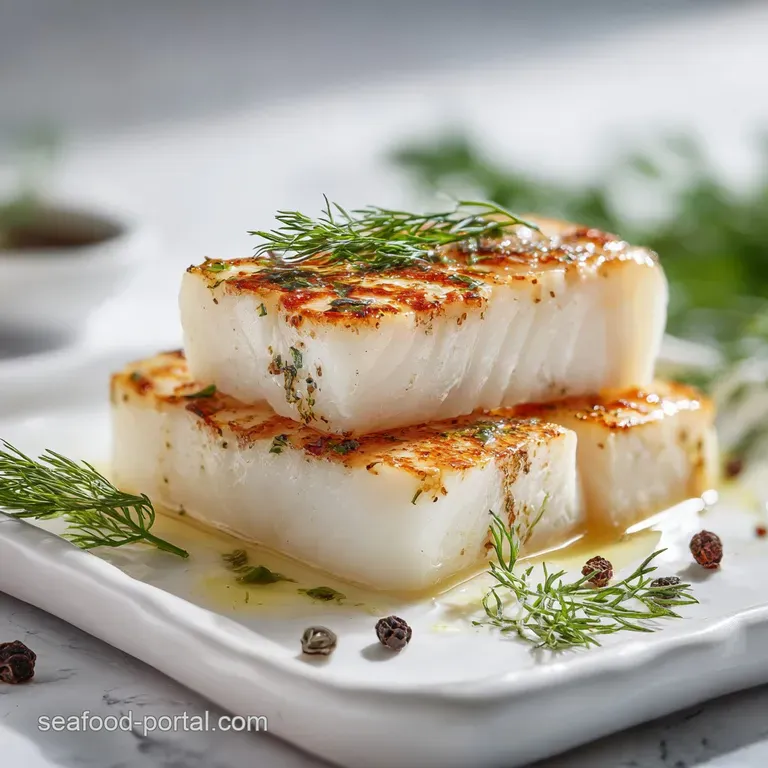
Why Your Fish Has White Gunk
That white substance is called albumin. It is a protein that gets pushed to the surface when the fish is cooked too fast or at too high a temperature. It's perfectly safe to eat, but it doesn't look great. To avoid this, make sure your smoker is truly at 225°F and not spiking.
If you see it forming, gently dab it away with a paper towel and turn your heat down slightly.
Why the Texture is Mushy
This usually happens if the fish stays in the brine for too long or if the brine didn't have enough salt. The salt's job is to "cure" the flesh slightly, giving it a firmer bite. Stick to the 2 hour window.
If you've already made this mistake, you can try finishing the fish under a broiler for 60 seconds to firm up the exterior, but watch it like a hawk.
| Problem | Root Cause | Solution |
|---|---|---|
| Fish sticks to grate | Lack of oil or dirty grates | Clean grates well and oil the fish skin/bottom thoroughly |
| No smoke flavor | No pellicle formed | Ensure the fish is "tacky" to the touch before smoking |
| Dry exterior | Overcooking or high heat | Use a water pan in the smoker to keep humidity high |
Common Mistakes Checklist
- ✓ Always rinse the brine off the fish (leaving it on makes it way too salty).
- ✓ Never skip the fridge drying step (the pellicle is what holds the flavor).
- ✓ Use a meat thermometer instead of "guessing" by look.
- ✓ Don't overcrowd the smoker; leave at least 2 inches between fillets for airflow.
- ✓ Let the fish rest for 5 minutes after smoking to allow juices to redistribute.
Creative Smoked Halibut Flavor Variations
If you want to move beyond the classic lemon and garlic, Halibut Made Easy means you can experiment with the dry rub. I sometimes swap the black pepper for a bit of smoked paprika or even a pinch of cayenne if I want a "kick." Another great option is to finish the fish with a honey glaze during the last 15 minutes of smoking.
The sugar in the honey will caramelize slightly, creating a beautiful sheen.
- The Spicy Citrus Twist: Add 1 tbsp of lime juice and a teaspoon of chili flakes to the olive oil rub.
- The Herb Garden: Use fresh dill and parsley instead of lemon zest for a more "fresh picked" vibe.
- Asian Fusion: Replace the brown sugar with honey and add a splash of soy sauce and ginger to the brine.
For those who want a crunchier experience, you might enjoy serving the flaked smoked fish on top of a crispy base. It reminds me of the texture contrast in a Crab Cake Remoulade recipe, where the soft seafood meets a zesty, creamy sauce. You could even use the remoulade from that recipe as a dip for your smoked halibut!
| Premium Choice | Budget Alternative | Flavor Impact | Savings |
|---|---|---|---|
| Fresh Halibut | Frozen Halibut | Minimal if thawed slowly in the fridge | Save $10-15 per lb |
| Alder Wood | Fruitwood (Apple) | Very similar sweet, mild profile | Save $2-5 per bag |
| Dark Brown Sugar | Light Brown Sugar | Slightly less molasses depth | Save $1-2 |
Debunking Common Smoking Myths
A common misconception is that you need to soak your wood chips before adding them to the smoker. In reality, wet wood just creates steam and lowers the temperature of your coals, which can lead to "dirty" bitter smoke. Dry wood burns cleaner and provides that sweet, blue tinted smoke we are looking for.
Another myth is that Smoked Halibut needs to be "cooked" until it's white all the way through like a grilled steak. Because we brined it, the fish will remain slightly translucent and incredibly moist even when it's fully pasteurized and safe to eat. Trust your thermometer over your eyes here.
135°F is the magic number for the best texture.
Storing Your Smoked Halibut Right
Storage: You can keep your smoked halibut in the fridge for up to 4 days. I highly recommend wrapping it tightly in plastic wrap and then putting it in an airtight container. This prevents the "smoky" smell from taking over your entire refrigerator (and your milk tasting like fish).
To reheat, do it gently in a pan with a splash of water and a lid, or just eat it cold it's actually better cold on a cracker!
Freezing: This fish freezes surprisingly well because the brine helps protect the cell structure. Wrap individual portions in parchment paper, then vacuum seal or double bag them. They will stay good for up to 3 months.
To thaw, leave them in the fridge overnight; never use a microwave or you'll lose that silky texture we worked so hard for.
Zero Waste: Don't throw away any small scraps! The little bits that flake off are perfect for making a smoked fish dip. Mix them with cream cheese, a little horseradish, and some fresh chives.
If you have the skin or any bones left over, you can even simmer them with some aromatics to make a smoky seafood stock for your next chowder.
Best Sides for Smoked Halibut
Since the halibut is rich and smoky, you want sides that offer some acidity or crunch to balance things out. A simple cucumber salad with white wine vinegar and dill is my go to. The coolness of the cucumbers cuts right through the buttery fat of the fish.
If you're serving this for dinner, a wild rice pilaf with toasted almonds provides a nice nutty contrast to the wood smoke.
For a more casual gathering, I love putting out a board with the smoked fish, some pickled red onions, capers, and high-quality crackers. It's essentially a West Coast version of a lox bagel spread. If you want to get really fancy, a side of roasted asparagus with a squeeze of charred lemon ties everything together.
The smoky notes from the grill on the lemon mirror the smoke in the fish perfectly.
High in Sodium
1125 mg mg of sodium per serving (49% % of daily value)
The American Heart Association recommends limiting sodium intake to 2,300mg per day.
Tips to Reduce Sodium in Your Halibut Recipe
-
Reduce Salt by Half-25%
Cut the kosher salt in the brine by half. Using just 1/8 cup of salt will significantly lower the sodium content without sacrificing flavor.
-
Dilute the Brine-20%
Increase the amount of water in the brine to 1.5 quarts while keeping other ingredients constant. This dilutes the salt concentration, reducing sodium absorption by the fish.
-
Zest, Don't Season-10%
Omit the additional 1/2 tsp of coarse black pepper at the end and use the lemon zest for flavor instead. You can replace the pepper with fresh herbs.
-
Flavor with Herbs
Experiment with fresh herbs like dill, parsley, or thyme to enhance the flavor of your halibut. They add depth without increasing sodium.
Recipe FAQs
How long does it take to smoke halibut?
Approximately 45 minutes to 1 hour at 225°F. The exact time depends on the thickness of the fillets and your smoker's consistency. The fish is done when it reaches an internal temperature of 135°F.
Is halibut a good fish to smoke?
Yes, halibut is excellent for smoking. Its lean, firm flesh benefits greatly from the moist, gentle heat of smoking, preventing it from drying out and absorbing smoky flavors beautifully.
What is the best cooking method for halibut?
Smoking is a top-tier method for halibut, especially using a low-and-slow approach around 225°F after brining. Pan-searing or baking are also good for retaining moisture.
How does Gordon Ramsay cook halibut?
Gordon Ramsay often pan-sears halibut to achieve a crispy skin and flaky interior, frequently with lemon butter sauces or capers. If you enjoyed mastering the sensory cues for doneness here, apply them to his Pan Seared Halibut Cheeks recipe for perfect results.
Can I smoke frozen halibut?
It's best to thaw halibut completely before smoking. Smoking frozen fish can lead to uneven cooking and a less desirable texture. Thaw slowly in the refrigerator for the best results.
What wood is best for smoking halibut?
Alder wood is traditionally excellent for halibut, providing a mild, slightly sweet smoke that complements the fish without overpowering it. Fruitwoods like apple or cherry are also great alternatives for a similar profile.
How do I prevent smoked halibut from drying out?
Brining the halibut before smoking is crucial for moisture. A proper brine seasons the fish and helps it retain moisture during cooking. Smoking at a consistent low temperature (around 225°F) also prevents it from drying out.
Smoked Halibut
Ingredients:
Instructions:
Nutrition Facts:
| Calories | 287 kcal |
|---|---|
| Protein | 50.6 g |
| Fat | 8.6 g |
| Carbs | 2.7 g |
| Fiber | 0.1 g |
| Sugar | 2.4 g |
| Sodium | 1125 mg |
