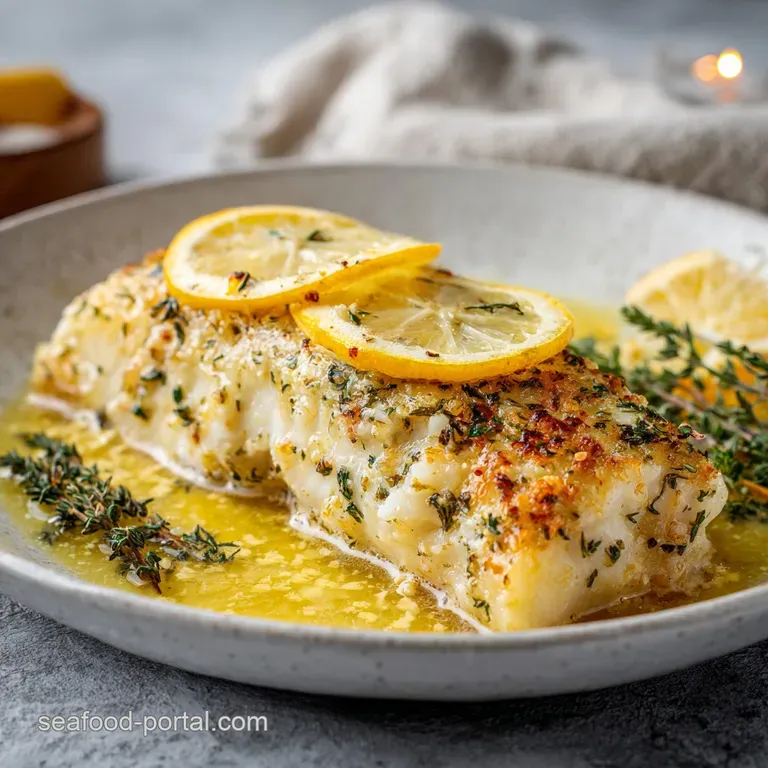
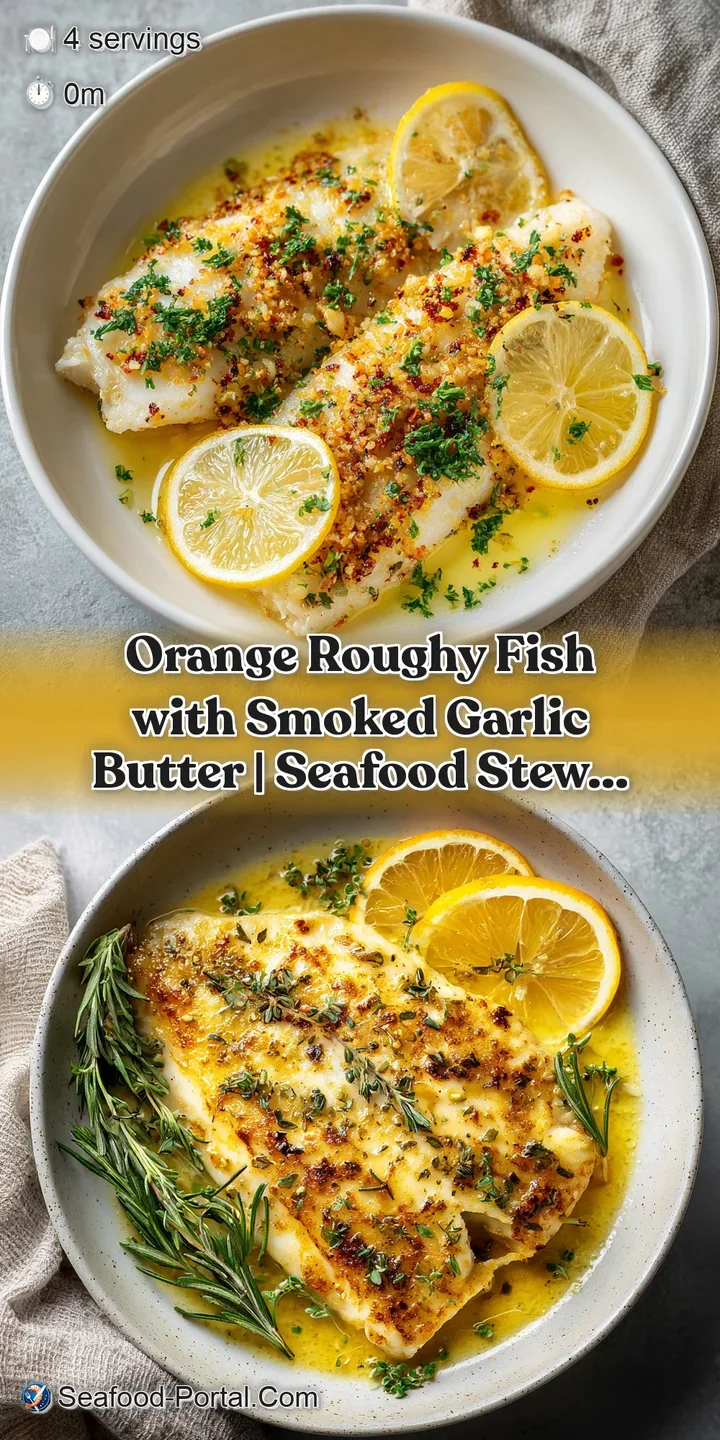
Orange Roughy Fish: Smoked Garlic Butter
- Time: Active 10 minutes, Passive 12 minutes, Total 22 minutes
- Flavor/Texture Hook: Silky, buttery flakes with a subtle smokiness
- Perfect for: A quick weeknight healthy seafood dinner recipes
- Perfectly Roasted Buttery Orange Roughy Fish
- Why This High Heat Roasting Method Works
- Component Analysis of Your Fish
- Essential Elements and Substitutions
- Tools for a Perfect Baked Fish Dinner
- Step by Step Guide to Flaky Results
- Fixing Problems with Your Roughy Fish Recipe
- Simple Ways to Customize Your Fish Fillets
- Scaling Guidelines for Larger Groups
- Debunking Common Fish Roasting Myths
- Keeping Your Leftover Orange Roughy Fish Fresh
- Best Sides to Serve With Your Fish
- Recipe FAQs
- 📝 Recipe Card
Perfectly Roasted Buttery Orange Roughy Fish
The first time I pulled a tray of this Orange Roughy Fish out of the oven, the aroma hit me like a warm hug from a Mediterranean kitchen. There is something absolutely intoxicating about the scent of garlic paste melting into unsalted butter, especially when it’s punctuated by the earthy, charred notes of smoked paprika.
As the oven door swung open, the sizzle was quiet but the smell was loud, a bright citrus zing cutting through the richness of the garlic. It’s one of those rare moments in home cooking where you realize that the simplest preparation often yields the most sophisticated results.
I used to be terrified of cooking white fish because I was convinced it would either turn into a rubbery mess or completely disintegrate the moment I touched it. But this roughy fish is different.
It has a unique, dense structure that holds up beautifully to the heat, coming out of the oven with a texture that is almost velvety. You aren't just making a meal here, you're creating a restaurant quality experience in less time than it takes to scroll through a delivery app.
Trust me, once you see those white flakes pull apart under your fork, you’ll never go back to boring frozen fish sticks again.
This recipe is designed to be accessible and inspiring, even if you’ve had bad luck with seafood in the past. We are focusing on fresh ingredients and a foolproof method that guarantees a flavorful result every single time.
We’re going to skip the complicated breading and the heavy deep frying, focusing instead on how to highlight the natural sweetness of the baked orange roughy fillet. Let’s get into why this method is the absolute best way to treat this deep sea treasure.
Why This High Heat Roasting Method Works
- Lipid Flavor Bond: The fat in the melted butter acts as a vehicle, carrying the fat soluble compounds from the smoked paprika and garlic deep into the protein fibers of the fish.
- Moisture Seal: Patting the fish bone dry before roasting allows the butter to adhere perfectly, creating a protective barrier that prevents the internal juices from evaporating too quickly in the 400°F heat.
- Thermal Consistency: Using a rimmed baking sheet ensures that heat circulates evenly around the Orange Roughy Fish, cooking it from both the top and the bottom simultaneously to reach that 145°F internal temperature faster.
- Collagen Breakdown: The high heat quickly breaks down the minimal connective tissue in the roughy fish, resulting in a flake that is tender rather than chewy.
| Method | Cook Time | Texture Outcome | Best For |
|---|---|---|---|
| oven-roasted | 12 minutes | Silky and tender | Even cooking, hands off prep |
| pan-fried | 8 minutes | Crispy exterior | Getting a golden crust quickly |
| Poached | 15 minutes | Ultra delicate | low-fat, clean flavor profile |
If you are looking for a different texture profile, you might want to try a citrus forward fish dish that uses pan searing to get those edges a bit more golden. However, for a weeknight where you want zero mess and maximum flavor, the oven is your best friend.
Component Analysis of Your Fish
| Ingredient | Science Role | Pro Secret |
|---|---|---|
| Orange Roughy | High oil protein | Thaw completely and pat dry to avoid a mushy, steamed texture. |
| Smoked Paprika | Aromatic depth | Use a fresh tin; the oils in paprika lose their punch after 6 months. |
| Garlic Paste | Flavor infusion | Microplane your garlic into a paste so it dissolves into the butter. |
| Lemon Juice | Protein denaturant | Adds acidity to balance the fat and brightens the mild fish flavor. |
When it comes to selecting your fish, look for fillets that are pearly white and translucent. If they look dull or yellow, they aren't at their peak. Because this is an easy orange roughy fish recipe, the quality of the butter matters too.
I always reach for a high-quality unsalted butter so I can control the sea salt levels myself.
Essential Elements and Substitutions
- Orange Roughy Fillets (4 count, 6 oz each): This is our star. Why this? It has a mild, sweet flavor and stays moist even at high temperatures.
- Substitute: Pacific Cod or Halibut. Both offer a similar thick, white flake but may need 2-3 minutes more in the oven.
- Unsalted Butter (3 tbsp): Provides the richness we need. Why this? Butter creates a velvety mouthfeel that oil just can't replicate.
- Substitute: Ghee or clarified butter for a higher smoke point and nuttier aroma.
- Garlic Paste (2 cloves): The aromatic base. Why this? Mincing it into a paste ensures you don't bite into a raw chunk of garlic.
- Substitute: 1 tsp Garlic powder if you're in a total pinch, but the fresh aromatics are much better.
- Smoked Paprika (0.5 tsp): For that subtle outdoor grill vibe. Why this? It adds color and a depth that regular paprika lacks.
- Substitute: Sweet paprika with a tiny pinch of chipotle powder for heat.
- Fresh Lemon Juice (1 tbsp): To cut through the fat. Why this? Acid is essential for "opening up" the flavors of seafood.
- Substitute: White wine or lime juice works, though lemon is the classic pairing here.
- Sea Salt & Cracked Black Pepper: For basic seasoning. Why this? Sea salt has a cleaner finish than table salt.
Tools for a Perfect Baked Fish Dinner
Before you start, make sure you have a large rimmed baking sheet. I prefer a heavy duty aluminum one because it distributes heat more evenly than thin, dark pans which can burn the bottom of the fish before the top is done. You’ll also want a roll of parchment paper.
Not only does this make cleanup a breeze, but it also prevents the delicate fish from sticking to the metal, which can be a nightmare when you're trying to plate it elegantly.
A small whisk or even just a fork is necessary for combining your garlic butter mixture. If you want to be really precise, an instant read meat thermometer is the best tool in your kitchen for seafood. Taking the guesswork out of "is it done?" is the secret to moving from a beginner to a confident home cook. For a similar clean and simple approach, you can also look at my guide for a poached white fish which uses minimal equipment but yields incredibly tender results.
step-by-step Guide to Flaky Results
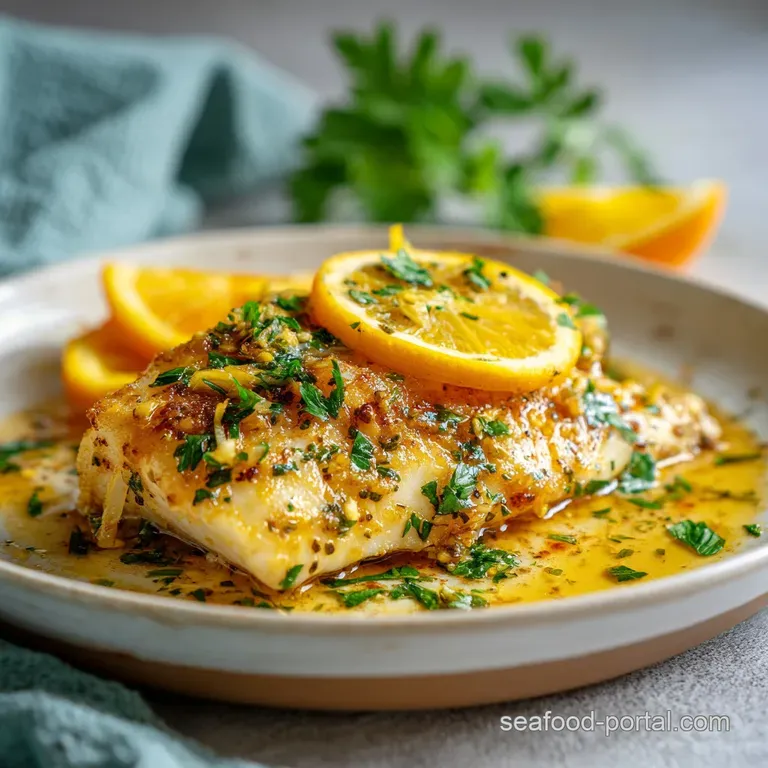
- Preheat your oven to 400°F (200°C) and line a large rimmed baking sheet with parchment paper. Note: Preheating is non negotiable for a good sear like effect in the oven.
- Pat each orange roughy fillet bone dry on both sides using paper towels. Note: This is the most important step for ensuring a firm, flaky texture rather than a soggy one.
- In a small bowl, whisk together the melted unsalted butter, minced garlic paste, lemon juice, smoked paprika, and dried oregano. Smell Check: The garlic should smell fragrant and the paprika should turn the butter a vibrant sunset orange.
- Place the dried fillets on the prepared baking sheet with enough space between them for air to circulate.
- Brush the butter mixture generously over the top and sides of each fillet, ensuring every nook is covered.
- Sprinkle evenly with sea salt and cracked black pepper. Visual Cue: The fillets should look glistening and well coated.
- Bake in the center rack of the oven for 10–12 minutes. Aroma Check: Around the 8 minute mark, your kitchen should start smelling like toasted garlic and citrus.
- Check for doneness: Bake until the fish reaches an internal temperature of 145°F and the meat turns from translucent to opaque.
- Remove from the oven immediately. The fish should flake easily when poked with a fork.
- Garnish with fresh chopped parsley and serve immediately with extra lemon wedges for squeezing.
Fixing Problems with Your Roughy Fish Recipe
If the Fish Is Tough
If your baked orange roughy fillet feels rubbery or tough, it is almost certainly overcooked. Fish continues to cook for a minute or two after it comes out of the oven (carryover cooking).
Next time, pull it out when it hits 140°F and let it rest for 3 minutes to reach that final 145°F.
If the Garlic Smells Bitter
Garlic turns bitter if it burns. In this recipe, the butter and the moisture from the fish usually protect the garlic, but if your oven runs hot, the garlic on the edges of the pan might scorch. Try to keep the garlic paste focused on the top of the fish rather than letting it pool on the parchment paper.
If the Fillets Release Liquid
Sometimes you’ll see a white, protein rich liquid (albumin) leaking out of the fish. This happens when the muscle fibers contract too quickly from high heat. While it’s harmless, it usually means the fish is slightly overcooked or wasn't patted dry enough before going in.
| Problem | Root Cause | Solution |
|---|---|---|
| Soggy texture | Excess moisture on surface | Pat the fish with paper towels until the towel comes away dry. |
| Bland flavor | Not enough salt or acid | Add a pinch more salt or an extra squeeze of fresh lemon after baking. |
| Fish sticks to pan | No parchment or oil | Always use parchment paper or a well greased silicone mat. |
Common Mistakes Checklist
- ✓ Never cook fish directly from the freezer; ensure it is thawed completely in the fridge overnight.
- ✓ Don't skip the "pat dry" step; moisture is the enemy of a good roast.
- ✓ Use fresh garlic instead of the jarred kind for a cleaner, sharper flavor.
- ✓ Avoid over handling the fish once it's in the oven; let the heat do the work.
- ✓ Check the internal temperature early; every oven is a little different.
Simple Ways to Customize Your Fish Fillets
For Orange Roughy Fish Tacos Recipe
If you want to turn this into a taco night, follow the roasting instructions but double the smoked paprika and add 0.5 tsp of ground cumin to the butter. Once roasted, flake the fish into large chunks and serve in charred corn tortillas with a cabbage slaw and a lime crema.
The firm texture of the Orange Roughy Fish makes it one of the best white fish for tacos because it doesn't turn into mush when you add salsa.
For a pan-fried Orange Roughy Alternative
If you prefer a bit of a crust, you can pan fry these fillets. Dredge the dry fish in a little bit of flour seasoned with salt and paprika. Heat 2 tbsp of oil in a skillet over medium high heat. Sear for 3-4 minutes per side.
It won't be as hands off as the oven method, but you'll get a lovely golden exterior.
For a dairy-free Healthy Seafood Dinner
You can easily swap the butter for extra virgin olive oil or avocado oil. While you lose that specific buttery mouthfeel, the olive oil adds a beautiful peppery note that pairs incredibly well with the lemon and garlic.
It’s a great way to keep the Orange Roughy nutrition facts even leaner while still packing a punch in the flavor department.
Scaling Guidelines for Larger Groups
When you're cooking for a crowd, Orange Roughy Fish is a fantastic choice because the fillets are relatively uniform in size. If you are doubling the recipe to serve 8 people, you'll need two baking sheets.
Do not try to crowd 8 fillets onto one sheet; if they are touching, they will steam rather than roast, and you'll lose that beautiful texture.
For scaling down to just 2 servings, you can use a smaller toaster oven pan. Since you're working with less mass in the oven, keep a close eye on the clock the fish might be done at the 9 or 10 minute mark.
When doubling spices, I usually suggest only using 1.5x the amount of salt and pepper initially, then tasting and adding more at the end. Spices don't always need a linear increase and can become overwhelming if you just double everything blindly.
Debunking Common Fish Roasting Myths
One of the biggest myths I hear is that you should rinse your fish under cold water before cooking. Please, don't do this! Rinsing fish doesn't "clean" it; it actually spreads bacteria around your sink and, more importantly for the cook, makes the fish impossible to get dry.
A dry surface is what gives you that beautiful, slightly firm exterior.
Another myth is that "fish is done when it flakes." While true, by the time it flakes easily with a gentle touch, it might already be heading toward overcooked. The real indicator is opacity. Look for the center of the thickest part of the fillet to turn from that translucent "raw" look to a solid, milky white.
If you use a thermometer, you can stop exactly at 145°F and be certain it's safe and juicy.
Keeping Your Leftover Orange Roughy Fish Fresh
Storage: If you have leftovers, place them in an airtight container in the fridge for up to 2 days. Because orange roughy has a slightly higher fat content than tilapia, it actually reheats surprisingly well without becoming sawdust. However, seafood is always best enjoyed fresh.
Freezing: I don't recommend freezing the fish after it has been cooked, as the texture will become quite grainy upon thawing. If you have raw fillets, they can stay in the freezer for up to 3 months.
Reheating: To reheat, avoid the microwave if possible. Instead, place the fish in a 300°F oven with a splash of water or a tiny pat of butter on top, covered with foil, for about 5-8 minutes. This gently warms it through without drying out the delicate flakes.
Zero Waste Tip: Don't throw away those lemon rinds! After you've squeezed the juice for the recipe, you can toss the rinds into a pot of simmering water with some parsley stems (the parts you didn't chop) to create a quick aromatics steam that makes your kitchen smell amazing and neutralizes any lingering "fishy" smells.
Best Sides to Serve With Your Fish
This Orange Roughy Fish is so versatile that it pairs with almost anything. I personally love serving it over a bed of fluffy jasmine rice or quinoa to soak up all that extra garlic butter from the pan.
A side of roasted asparagus or sautéed green beans with a bit of lemon zest keeps the meal feeling light and bright.
If you want something heartier, a side of garlic mashed potatoes is a total game changer. The creamy potatoes against the flaky, smoked paprika fish is pure comfort food. For a refreshing crunch, a simple cucumber and red onion salad with a light vinaigrette balances the richness of the butter perfectly.
Whatever you choose, keep it simple so the delicate flavor of the roughy can really shine.
Recipe FAQs
Is orange roughy a good fish to eat?
Yes, it is considered a high-quality fish for its mild, sweet flavor and firm, moist texture. Its ability to hold together during baking makes it an excellent choice for those who enjoy a delicate, flaky white fish.
Why is the orange roughy on the avoid list?
No, the "avoid" status is strictly environmental rather than culinary. The fish is extremely long lived and slow to reproduce, meaning it is highly susceptible to overfishing, so it is often flagged by sustainability organizations.
Why is orange roughy so popular?
It is favored for its incredibly mild profile which adapts well to diverse seasonings. If you enjoy the zesty acidity found in other white fish dishes, you will appreciate how this fish balances the garlic and lemon butter used in this preparation.
What are the side effects of orange roughy?
Like many deep sea species, it can have higher levels of mercury compared to smaller, shorter lived fish. Health professionals generally recommend limiting consumption to ensure you stay within safe dietary guidelines for heavy metal intake.
How to ensure the fish does not end up soggy?
Pat each fillet bone dry on both sides using paper towels before seasoning. Eliminating surface moisture is the most critical step to ensure the meat turns from translucent to opaque with a firm, flaky texture rather than steaming in its own juices.
How to tell when the fish is perfectly cooked?
Check that the internal temperature reaches 145°F using a digital meat thermometer. By monitoring the temperature rather than just the clock, you ensure the protein transitions to a perfectly opaque finish without becoming rubbery from overcooking.
How to prepare the oven for the best results?
Preheat your oven to 400°F and line a large rimmed baking sheet with parchment paper. This temperature setting is essential to provide the necessary heat for the fish to cook through in 10 12 minutes while allowing the butter and garlic mixture to flavor the fillets evenly.
Smoked Garlic Orange Roughy
Ingredients:
Instructions:
Nutrition Facts:
| Calories | 294 kcal |
|---|---|
| Protein | 25.1 g |
| Fat | 20.4 g |
| Carbs | 1.1 g |
| Fiber | 0.2 g |
| Sugar | 0.4 g |
| Sodium | 387 mg |
