The Great Plains Ragu Slowsimmered Bison with Red Wine
- Why This Hearty Bison Ragu Deserves Your Sunday
- Mastering the Slow-Simmer Technique for Lean Bison
- Selecting Superior Ingredients for the Best Flavor
- Preparation and Mis en Place: Getting Started
- Step-by-Step Guide to Achieving Deep Flavor Extraction
- The Final Hour: Adjusting and Serving This Bison Ragu
- Expert Tips and Troubleshooting for Your Bison Dish
- Storage, Making Ahead, and Dietary Notes
- Recipe FAQs
- 📝 Recipe Card
Why This Hearty Bison Ragu Deserves Your Sunday
This Bison ragu recipe is far more than a simple meat sauce; it is a profound culinary experience designed for deliberate, slow cooking. Unlike quick fix weeknight dinners, this robust dish demands three hours of patient simmering, resulting in unparalleled depth of flavor and tender texture.
It transforms the often overlooked flavor of bison into an earthy, comforting centerpiece, making it the perfect focal point for a cold weather gathering.
The unique intensity derived from using bison meat provides a distinct, slightly wilder taste compared to standard beef Bolognese. This process ensures that every fiber of the lean meat soaks up the complex flavors of the red wine, aromatic vegetables, and tomatoes.
The result is a truly unforgettable Bison ragu pasta that tastes incredible the day it is made, and even better the day after.
Mastering the Slow Simmer Technique for Lean Bison
Bison is naturally leaner than most ground beef, which means it requires specific handling to prevent dryness. The slow simmering process is fundamentally crucial because it allows the tough muscle fibers to gently break down without losing essential moisture.
By keeping the heat low and the liquid plentiful, we transform the lean ground bison ragu into a silky, succulent sauce.
The Umami Difference: Why Bison Trumps Beef
The inherent flavor profile of bison meat is richer and deeper than beef, possessing a distinct, slightly sweet earthiness. This powerful taste is key to creating a truly superior Bison ragu sauce that feels simultaneously familiar and exotic.
Bison offers a cleaner, more robust platform for absorbing the wine and herb notes, which prevents the final dish from tasting merely heavy.
Essential Cook Times and Yields
Achieving the required tenderness necessitates a dedicated minimum cook time of three hours, which is non-negotiable for maximizing flavor extraction. We utilize the Dutch oven primarily for its heat retention, keeping the simmer consistent and gentle during this long duration.
This lengthy process ensures the recipe yields six generous servings of dense, flavor packed sauce, perfect for feeding a crowd or providing delightful leftovers.
The Key to Tenderizing: Achieving Perfect Bison Ragu Consistency
The lengthy simmer encourages the small amount of connective tissue in the ground meat to dissolve into gelatin. This action is responsible for both tenderizing the ground bison and adding a velvety mouthfeel to the finished sauce.
Covering the pot slightly ajar ensures the liquid reduces slowly and steadily, concentrating flavor while maintaining enough moisture for the meat to remain luscious.
Selecting Superior Ingredients for the Best Flavor
A dish this rich and patient deserves ingredients chosen for quality, not just convenience. For the base, always prioritize double concentrated tomato paste, which offers a caramelized depth that canned sauces often lack.
Similarly, the red wine selection should be something you enjoy drinking, as its flavor will intensify dramatically during the reduction process.
We rely heavily on fresh, aromatic herbs like thyme, which provide a delicate counterpoint to the powerful meat flavor. Using high-quality San Marzano style crushed tomatoes is essential, as their natural sweetness and low acidity prevent the Bison ragu from tasting harsh or metallic.
Remember that building deep flavor is about the quality of each component, not just the quantity.
Preparation and Mis en Place: Getting Started
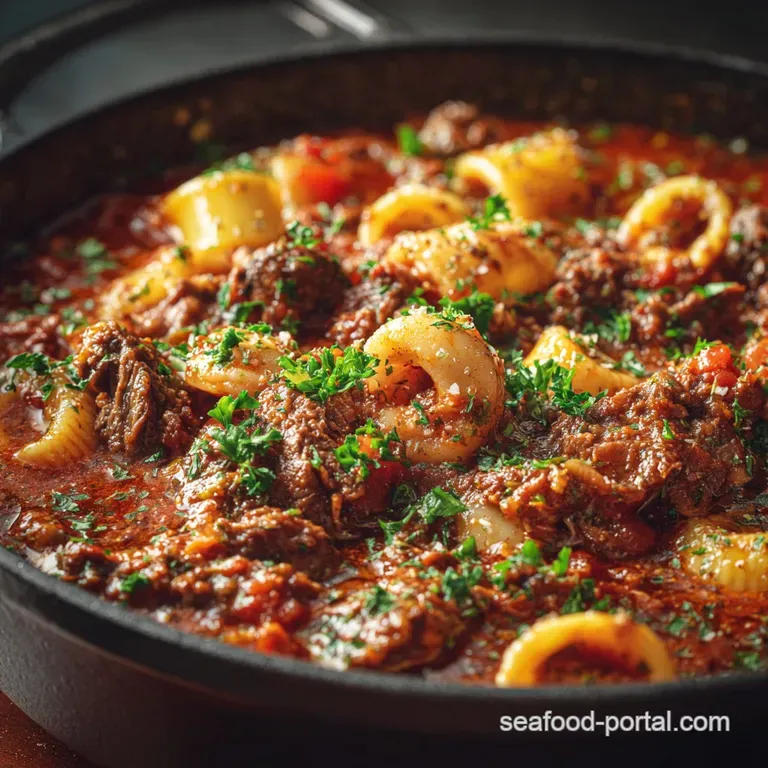
Proper preparation, or mis en place , is the foundation of a relaxed and successful cooking session, especially for a complex Bison ragu . Ensure all vegetables are uniformly and finely diced before you begin sweating them, as this guarantees even cooking and dissolving seamlessly into the final sauce.
Having the measured liquids and herbs ready prevents rushing during crucial flavor building stages.
Choosing the Right Grind: Meat Quality Matters
For this intense Bison ragu recipe , we highly recommend using a high-quality ground bison with a lean ratio of approximately 90/10. While extremely lean, this ratio minimizes the need to drain off excessive fat, yet retains enough moisture when combined with the long simmer.
Look for bison from reliable local sources, which often results in superior flavor for all Buffalo Meat Recipes .
Which Pasta Pairs Best with a Robust Sauce?
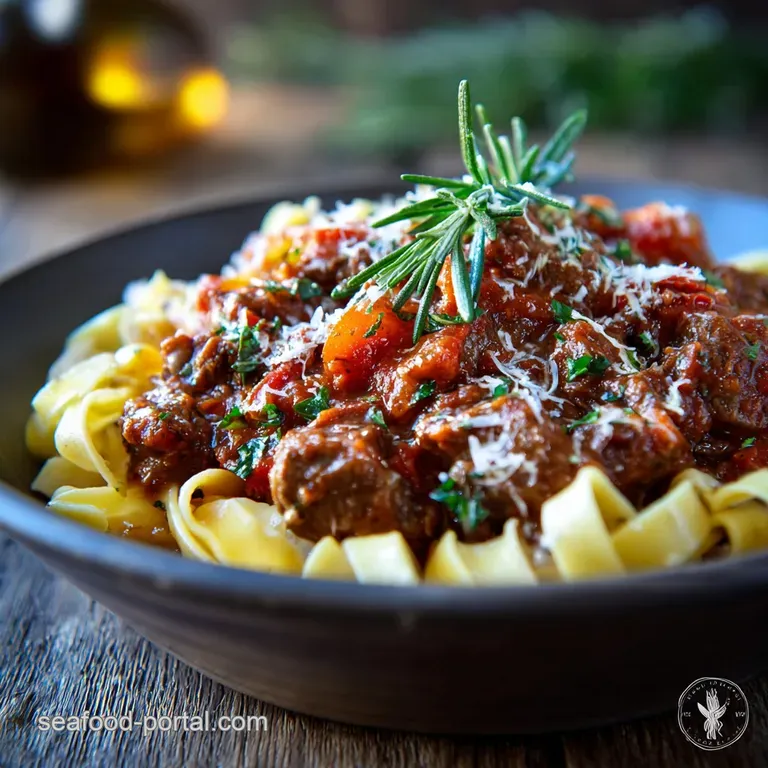
The hefty nature of this rich, meaty sauce requires a substantial pasta shape capable of clinging to every morsel of the ground bison ragu . Wide, flat noodles like Pappardelle or thick Tagliatelle are ideal because their large surface area captures the sauce perfectly.
Serving the Bison ragu pappardelle style ensures every bite delivers the full experience of meat, sauce, and pasta.
The Role of Acid: Tomatoes and Red Wine Balance
Acid plays a critical role in balancing the richness of the meat and the sweetness of the soffritto vegetables. The dry red wine not only deepens the complexity but also lifts the heavy, earthy flavors inherent in the bison.
The crushed tomatoes provide the fundamental acidic base necessary to create the classic tang required for an authentic, long simmered ragu.
Maximizing Flavor with high-quality Italian Olive Oil
Selecting the correct olive oil is vital for both the initial browning and the overall texture. Use robust Italian olive oil for the initial searing phase, as it withstands higher heat and adds a fundamental layer of Mediterranean flavor.
This foundation is crucial before introducing the butter, which aids in gently sweating the aromatics.
Related Recipes Worth Trying
- Lean Bison Tartare Luxurious French Appetizer Recipe — This Bison tartare recipe uses classic technique for a luxurious lean appetizer Learn the chefs secret for temperature control to ensure perfect texture and...
- Crispy Parmesan Baked Asparagus An Easy Weeknight Side — Tired of soggy veg Learn how to bake asparagus with Parmesan cheese until perfectly tender and golden This easy baked asparagus recipe is ready in 25 minutes
- The Easiest oven-roasted Parmesan Asparagus My GoTo 20Minute Side — Absolutely the best The Easiest oven-roasted Parmesan Asparagus This crispy oven baked parmesan asparagus is ready in 20 minutesno faff all flavour A proper...
step-by-step Guide to Achieving Deep Flavor Extraction
The journey to an excellent Bison ragu is sequential, beginning with aggressive browning to develop deep color and flavor complexity. The first step involves searing the generously seasoned ground bison in batches until a rich, dark crust forms, known as the Maillard reaction.
This caramelization is the primary driver of the sauce's savory depth, so avoid the temptation to stir the meat too early.
Following the searing, the focus shifts to creating the aromatic soffritto base of finely diced onions, carrots, and celery. These vegetables must be cooked very slowly in butter and residual meat fat for 10 to 15 minutes until they are nearly meltingly soft and fully translucent.
Finally, the tomato paste is stirred in and toasted directly on the heat, deepening its color and releasing its concentrated, savory aromas before the liquid is added.
The Final Hour: Adjusting and Serving This Bison Ragu
After the initial three hours of covered simmering, the final hour is dedicated to reduction, seasoning adjustments, and achieving the perfect sauce texture. Removing the lid during the last thirty minutes allows the remaining moisture to evaporate quickly, concentrating the flavors and thickening the Bison ragu sauce substantially.
This is also the point where you ensure the salt level is perfectly calibrated.
Achieving Perfect Caramelization: Browning the Bison
Proper browning of the ground bison is the most critical initial step for flavor. High heat and adequate space in the Dutch oven ensure the moisture evaporates quickly, allowing the proteins to develop a flavorful, brown crust instead of simply steaming.
Working in batches prevents the temperature from dropping, which guarantees maximum flavor extraction from the lean ground bison .
Deglazing the Pan for Full Flavor Absorption
Once the meat is seared and the vegetables are softened, deglazing the pot with dry red wine is an essential technique for capturing every bit of flavor. As the wine simmers aggressively, use a wooden spoon to scrape up all the highly concentrated, browned bits (the fond ) stuck to the bottom of the pot.
Allowing the wine to reduce by half ensures that only the complex flavor remains, not the raw alcoholic edge.
Integrating the Liquid Components and Herbs
After the wine reduction, the browned bison, crushed tomatoes, and beef stock are added, bringing the total volume required for the long simmer. It is helpful to bundle the fresh thyme sprigs together with kitchen twine, allowing for easy removal before serving.
Using a rich beef or veal stock provides a necessary savory backbone, ensuring the Bison ragu achieves its signature fullness.
Finishing the Sauce: Adding Milk or Cream for Velvety Richness
Adding a small amount of whole milk or heavy cream near the end of the cooking process is an old-world Italian method for enriching a traditional ragu. This step neutralizes any lingering sharpness from the tomatoes and acid, wrapping the sauce in a smooth, luxurious texture.
Only a quarter cup is needed to achieve this desirable, velvety consistency that perfectly coats the Bison ragu pasta .
Expert Tips and Troubleshooting for Your Bison Dish
Making the ragu one day ahead provides an exponentially better eating experience, as the flavors integrate and meld overnight. Use high-quality equipment, like a heavy bottomed Dutch oven, which maintains the low, steady temperature vital for tenderizing the lean Buffalo Meat Recipes .
Finally, remember to taste frequently, as the salt profile changes dramatically as the liquid reduces over three hours.
Chef's Warning: Never salt the ragu fully at the beginning of the three hour simmer. As the sauce concentrates, the saltiness will intensify, potentially making the final dish unpleasantly salty. Adjust the salt during the final 30 minutes only.
Here are a few actionable suggestions to elevate your dish:
- Boost Umami: Add a teaspoon of concentrated Marmite or anchovy paste with the tomato paste for an undetectable but intense savory boost.
- Aromatic Finish: Finish the sauce with a drizzle of your best extra virgin olive oil just before serving to add a fresh, bright aroma.
- Temperature Consistency: Always serve the ragu and the pasta piping hot; cold pasta quickly kills the luxurious texture of the sauce.
Storage, Making Ahead, and Dietary Notes
This recipe is ideal for batch cooking and meal prepping due to its structure and long cooking time. Because the flavor profile improves significantly overnight, planning to make the Bison ragu sauce one day before serving is highly recommended.
Properly stored in the refrigerator, this dish is safe and delicious for up to five days.
Too Thin? Quick Fixes for an Under Reduced Sauce
If your sauce is not thick enough by the time the meat is tender, simply increase the heat to a rapid simmer, uncovered, for 15 to 20 minutes. Alternatively, remove the lid and mash a small amount of the meat and vegetables against the side of the pot with a wooden spoon to release starch and thicken the liquid.
If immediate thickness is required, stir in a teaspoon of cornstarch mixed with a tablespoon of cold water (a slurry) during the final simmer.
Substituting Meats: Making a Classic Bolognese Variation
While bison provides a unique earthy depth, this Bison ragu recipe structure is versatile and easily adapted to other ground meats. The long simmering time is suitable for any lean or tough cut.
| Meat Substitution | Required Ratio/Blend | Notes on Flavor |
|---|---|---|
| Traditional Ragu | 70% Beef, 30% Pork | Adds richness and high fat content. |
| Lean Beef | Ground Chuck (80/20) | Closest texture match to bison, less earthy. |
| Veal | Ground Shoulder or Neck | Offers a lighter, milder, and sweeter flavor. |
Essential Garnishings: Fresh Herbs and Pecorino
The final touches dramatically impact the overall presentation and flavor of this rustic dish. Freshly grated Parmesan or, even better, salty, sharp Pecorino Romano, provides a necessary salty contrast to the rich Bison ragu .
A generous sprinkle of bright green, chopped fresh parsley adds a burst of color and a fresh, herbaceous note that cuts through the sauce's intensity.
Freezing and Reheating Instructions for Leftovers
This entire Bison ragu freezes beautifully, provided you do not add the milk or cream until after thawing and reheating. Cool the sauce completely before transferring it to airtight, freezer safe containers, where it will last for up to three months.
To reheat, thaw the frozen sauce overnight in the refrigerator and then warm slowly on the stove, stirring in the milk or cream during the last ten minutes.
Is Bison Ragu Healthy? Detailed Nutritional Information
Yes, the use of bison makes this a significantly healthier choice than many traditional Italian meat sauces. Bison is renowned for its low-fat content and high protein density, making this one of the leanest Ground Bison Recipes available.
Excluding the final pasta and cheese, a serving offers high protein with moderate calories and fiber, positioning it as a genuinely nutritious comfort food.

Recipe FAQs
Bison is a bit posh! Can I just use normal beef for this recipe, and is it much leaner?
Yes, you absolutely can use lean ground beef, but bison is fantastic because it's naturally leaner (90/10) and imparts a deeper, earthier flavour that works brilliantly with red wine.
While bison offers a significant protein punch for fewer calories than standard beef, you must be patient, as lean meats require a long, low simmer to remain tender.
Can I batch cook and freeze this wonderful Bison ragu, or does it lose its flavour?
Batch cooking is highly encouraged; like a proper Sunday roast, this Bison ragu is actually much better on day two as the complex flavours settle overnight and marry beautifully. Store cooled ragu in an airtight container for up to 4 days in the fridge, or freeze for up to 3 months just ensure it’s fully reheated to bubbling point before serving.
Three hours seems like ages for a sauce! Why does ragu need such a long simmer time?
That long, gentle simmer is absolutely essential for tenderising the lean bison meat and ensuring the liquids reduce down to create that thick, velvety, concentrated sauce texture it’s pure culinary magic!
If you rush the cooking, you'll end up with a watery sauce and potentially tough meat, which is a bit of a kitchen nightmare.
Help, I don't have any red wine for deglazing! Is there a decent British alternative, or will the flavour suffer?
If wine is truly off the cards, substitute the quantity with good quality beef stock mixed with a tablespoon of balsamic vinegar; this keeps the crucial acidity required to balance the richness and lift the flavour profile. Just promise us you won't use that dreadful 'cooking wine' it’s always best avoided!
What's the best pasta shape to use so the sauce doesn't slip off?
You need a sturdy companion for this mighty ragu, so forget the thin stuff and opt for thick, wide, ribbon like pastas such as pappardelle or tagliatelle. These robust shapes have enough surface area and ridges to cling onto every luxurious, meaty bit of sauce, ensuring maximum flavour in every mouthful.
Slowsimmered Bison Ragu
Ingredients:
Instructions:
Nutrition Facts:
| Calories | 2086 kcal |
|---|---|
| Protein | 28.4 g |
| Fat | 16.3 g |
| Carbs | 101.2 g |
| Fiber | 13.6 g |
| Sugar | 2.9 g |
| Sodium | 563 mg |
