Poached Salmon: Silky Fillets with Lemon-Dill Court Bouillon (Easy Method)
- The Art of Perfectly Poached Salmon: Achieving Silky Texture
- The Science of Gentle Cooking: Why Cold-Start Poaching Guarantees Moistness
- Essential Ingredients for Poached Salmon and Court Bouillon
- How to Achieve Perfect Poached Salmon: Step-by-Step Method
- Troubleshooting and Chef's Expert Tips for Poaching Success
- Elegant Side Dishes and Sauces to Serve with Poached Salmon
- Recipe FAQs
- 📝 Recipe Card
The Art of Perfectly Poached Salmon: Achieving Silky Texture
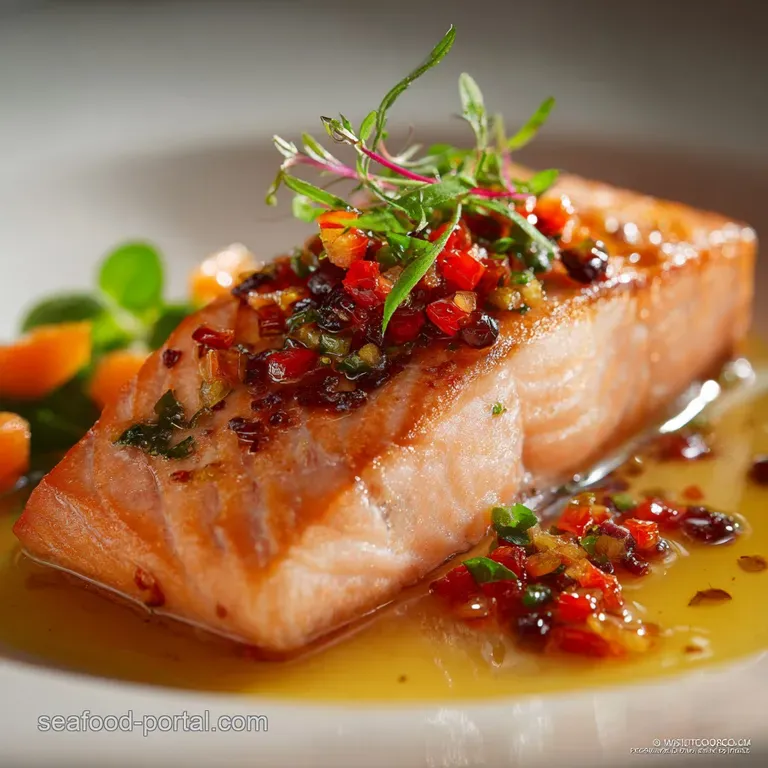
Poached salmon isn't just cooked fish; it's practically a miracle of moisture and flavor. Done correctly, it yields this unbelievably silky texture that literally flakes with just a fork tap. The subtle aroma of lemon and fresh dill gently fills your kitchen, promising an elegant meal without any fuss.
People assume poaching is a complicated technique reserved for fancy restaurants. Absolutely not! This incredibly healthy salmon dinner is the definition of a weeknight lifesaver. It’s a quick salmon recipe you can genuinely have on the table in about 25 minutes, proving that fast food can also be exceptionally good food.
Forget the dry, chalky fillets you might have endured in the past. We are focusing on temperature control and flavor infusion, stepping away from high heat. I’m sharing the secret to perfectly poached salmon fillets every single time, guaranteeing maximum moisture.
Let’s get these ingredients ready and crack on.
The Science of Gentle Cooking: Why Cold Start Poaching Guarantees Moistness
Poaching is about coddling, not assaulting, your fish. We are using low, controlled heat to slowly denature the proteins, which is why the result is so tender. The cold start method is essentially the key to preventing the proteins from seizing up quickly.
What is Court Bouillon and Why Does It Matter?
Court Bouillon literally translates to "short broth," and it’s the seasoned liquid used to poach delicate ingredients. It is essential because it is the sole source of flavor infusion in this recipe.
Using only water works, sure, but incorporating wine, lemon, and fresh aromatics is how you create deep, subtle flavor within your poached salmon fillet.
The Difference Between Poaching and Simmering
This is the hill I will die on: Poaching means the liquid is barely moving. We are looking for temperatures between 160°F and 180°F (71°C to 82°C). If you see aggressive bubbles rolling to the surface, you are simmering, or worse, boiling.
Boiling water destroys the delicate structure of the salmon, resulting in a tough, dry texture.
Quick Health Profile and Nutritional Benefits of Salmon
I love that this dish is naturally lean, clean, and ridiculously good for you. Salmon is packed with those crucial Omega-3 fatty acids. Since we aren't adding any heavy fats during the cooking process, this really is one of the healthiest salmon dinners you can make quickly.
Controlling Albumen: Preventing the White Gunk
The white, curdled substance that sometimes appears on cooked salmon is called albumen, a protein that squeezes out when the heat is too high. This is where our gentle poaching temperature saves the day!
Keeping the temperature low, ideally around 170°F, prevents this protein from coagulating rapidly, ensuring a clean, beautifully opaque fillet.
Achieving the Ideal Internal Temperature for Flakiness
The USDA recommends cooking fish to 145°F (63°C), and that's exactly where we are aiming for perfectly cooked, flaky salmon. If you prefer a slightly rarer, incredibly moist center (more medium rare), you can pull the fish at 140°F (60°C). That instant read thermometer is your best friend here.
Infusing Flavor: How the Court Bouillon Penetrates the Fillet
Because the cooking process is slow, the aromatics have time to work their way into the salmon fibers. As the fish slowly cooks, it absorbs the subtle lemon, dill, and wine notes from the poaching liquid.
This low and slow approach guarantees maximum flavor saturation, resulting in truly tender, delicious poached salmon.
Essential Ingredients for Poached Salmon and Court Bouillon
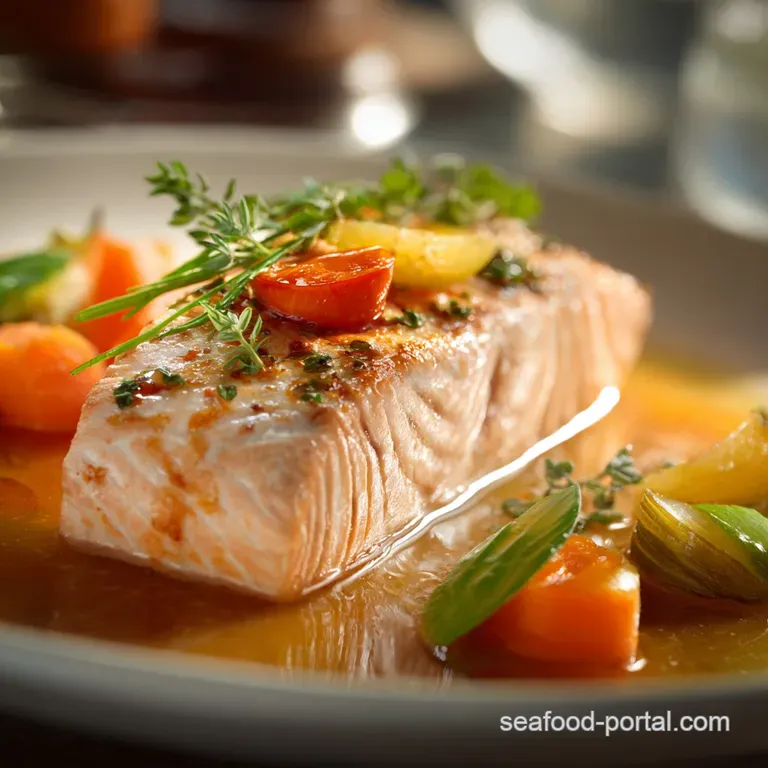
We don't need fancy ingredients for this recipe; just fresh, good quality items. The beauty of poached salmon recipes is that they highlight the quality of the fish itself.
Sourcing the Best Salmon Fillets (Skin On vs. Off)
I always recommend using center cut fillets because they have the most even thickness, which guarantees uniform cooking. Skin on or off is entirely up to you. The skin provides a protective layer that helps the fish stay moist, but it doesn't get crispy in the poaching process (for that, you need my [Pan Seared Salmon: Ultra Crispy Skin Lemon Butter Sauce Recipe]).
Detailed Checklist: Lemon, Dill, and Aromatics
Dill is non-negotiable for classic poached salmon; its anise like freshness pairs perfectly with the fatty fish. Always use fresh dill ; the dried stuff simply doesn't capture the necessary bright flavor. Bay leaves and whole black peppercorns add depth without being overwhelming.
Smart Substitutions for the Court Bouillon Base (Water, Wine, Vinegar)
Don't panic if you don't have wine or shallots on hand. The court bouillon is incredibly flexible.
| Ingredient to Substitute | Recommended Substitution |
|---|---|
| Dry White Wine | Fish stock, or an equal volume of water mixed with 1 tablespoon of white wine vinegar. |
| Onion/Shallots | Leek tops, or 1 teaspoon of dried onion powder (but fresh is far superior). |
| Fresh Dill | Fresh tarragon or chives, depending on desired flavour profile. |
How to Achieve Perfect Poached Salmon: step-by-step Method
This is the foolproof method that guarantees that silky texture. Pay attention to the temperatures!
Preparing the Aromatic Poaching Liquid (The Setup)
- Combine the water, wine (if using), onion, lemon, dill sprigs, peppercorns, bay leaves, and salt in a wide pan.
- Bring the liquid slowly up to a boil over medium heat to extract all those beautiful flavors.
- Once it reaches a rapid boil, turn the heat immediately down to the absolute lowest setting. Let it steep for about 5 to 7 minutes to truly bloom.
The Cold Start: Submerging the Salmon Correctly
- Pat your salmon fillets completely dry with paper towels; this is crucial for seasoning and minimizing albumen. Season them lightly with salt and pepper.
- Remove the larger solids (lemon halves, bay leaves) from the liquid, or strain it entirely for a crystal clear poaching broth.
- Crucial Step: Ensure the liquid temperature has dropped back down below 180°F (82°C). Gently lower the dry, seasoned salmon fillets into the warm liquid. The liquid needs to cover the fish fully.
Monitoring Heat and Determining Doneness Without a Thermometer
Maintain that gentle poaching temperature (170°F 180°F / 77°C 82°C) throughout the cook time. I made the mistake once of walking away, and the liquid started bubbling fiercely; the result was dry fish, sad times. Poach for 8 to 12 minutes.
Chef's Note: If you don't have a thermometer, look for visual cues. The salmon will transform from translucent raw pink to an opaque matte pink. To test, gently nudge the thickest part with a fork; if it easily begins to flake apart, it’s done.
Resting and Serving the Fillets
Using a wide fish spatula, carefully lift the poached salmon out of the broth. Let it drain for a second or two over the pan. Plate immediately, garnished with fresh dill sprigs and a final squeeze of fresh lemon juice. That's it! Easy salmon recipes don't get much more elegant than this.
Troubleshooting and Chef's Expert Tips for Poaching Success
We all mess up sometimes, but most poaching errors are easily fixed! These are the biggest pitfalls I see.
The Danger Zone: What Happens If the Liquid Boils
If your poaching liquid hits a rolling boil, you risk two things: the albumen gushing out, and the immediate toughening of the fish. If you see bubbles, pull the pan off the heat immediately and drop in an ice cube or two to stabilize the temperature.
This is the difference between silky and rubbery texture.
Using a Thermometer vs. Visual Cues for Medium Rare
I once tried to rely purely on visual cues, assuming a thick fillet was done when it wasn't, leaving me with cold, raw centers. Trust your thermometer for medium rare. For flawless results, aim for 145°F (63°C) and use that instant read probe right into the thickest part of the fish.
Maximizing Flavor: Reusing the Poaching Liquid
Don't pour that incredible court bouillon down the drain! Strain it through a fine mesh sieve and save it. This highly flavorful broth makes an unbelievable base for a delicate fish soup or risotto the next day. Zero waste, maximum flavor!
Safely Storing Cooked Salmon in the Refrigerator
Once cooled, store the poached salmon in an airtight container in the refrigerator. It remains delicious for about 3 to 4 days. If I plan on eating it cold, I sometimes keep it wrapped tightly, almost submerged, in a little of the strained poaching liquid to keep it extra moist.
Best Ways to Reheat Without Drying Out the Fish
Reheating poached salmon is tricky; high heat is its enemy. I recommend reheating gently in a 275°F (135°C) oven, loosely tented with foil, until just warmed through (about 10– 15 minutes). Alternatively, briefly steam it over low heat for a few minutes.
If you blast it in the microwave, you'll ruin the texture instantly.
Can You Freeze Poached Salmon?
Yes, you can freeze cooked poached salmon, but be warned: the texture will change slightly after thawing, becoming a bit drier and softer. Because of this, frozen poached salmon is best used in recipes where the fish is flaked or mixed with a binder.
It is the perfect base for my incredible [Salmon Cakes Recipe Easy: Ultra Crispy Pan-Seared Lemon Dill].
Elegant Side Dishes and Sauces to Serve with Poached Salmon
Because poached salmon is so clean and tender, it needs a sauce that is either bright and acidic or rich and creamy.
If you love the silky texture but want a sweet kick for variety, you absolutely need to check out my guide on [Honey Salmon: The 20 Minute Sticky Honey Glazed Salmon Recipe] or my famous [Teriyaki Salmon: 20 Minute Weeknight Dinner with Sticky Glaze].
Serving Suggestions
- Classic Creamy: A simple homemade dill mustard sauce or a zesty, bright Hollandaise.
- Simple & Fresh: Served cold over mixed greens with a vibrant vinaigrette (olive oil, capers, white wine vinegar, and shallots).
- Starchy Sides: Mashed potatoes, orzo, or simple steamed new potatoes tossed with butter and fresh parsley offer a perfect foil to the delicate fish.
Recipe FAQs
What temperature should the poaching liquid be to prevent dry salmon?
The key to silky salmon is gentle heat; the poaching liquid should never reach a rolling boil. Maintain the temperature just below the simmer point, ideally between 170°F and 180°F (77°C 82°C), where you only see minimal bubbles occasionally rising to the surface.
Using an instant read thermometer helps you regulate this subtle heat and ensures a moist result.
Why does my salmon have white, chalky flakes on the surface after poaching?
Those white flakes are coagulated proteins (albumen) that are aggressively squeezed out of the fillet when the heat is applied too quickly or too high. To avoid this, ensure your poaching liquid is kept at the minimal recommended temperature, and allow the fish to cook slowly and evenly.
If the liquid starts simmering too hard, turn the heat off immediately and let the residual heat finish the cooking process.
Do I need to use a specialized court bouillon (seasoned liquid)? Can I just use water?
While water will cook the salmon, the court bouillon is crucial for infusing flavor and moisture into the delicate fillets. The lemon, dill, and aromatics in the broth replace flavor lost through the gentle cooking method, making a profound difference in the final taste.
If you are short on time, a quick substitution of vegetable stock and a splash of white wine works well.
How do I know when the salmon is perfectly cooked internally?
The most reliable method is using an instant read thermometer inserted into the thickest part of the fillet. Salmon is considered perfectly cooked (medium) at 135°F (57°C), but for the silkiest texture, many chefs prefer to pull it off the heat when it hits 125°F (52°C) to account for carryover cooking.
The flesh should still look slightly translucent in the center when you peek inside.
How should I store leftover poached salmon, and can it be frozen?
Leftover poached salmon should be cooled completely, then stored in an airtight container in the refrigerator for up to 3 to 4 days. While technically safe to freeze, freezing is not recommended as the gentle cooking method makes the texture prone to becoming mushy or mealy when thawed.
It is best enjoyed fresh or chilled within a few days.
Can I poach skin-on salmon fillets?
Yes, you can poach skin-on fillets, but the skin will become soft and lose its crispness during submersion. The skin acts as a protective layer, helping the fillet retain moisture and structural integrity during the poaching process.
Simply remove the skin before serving, or leave it on if the soft texture does not bother you.
Is poached salmon best served hot or cold?
Poached salmon is unique in its versatility and is excellent served both warm and cold. Serving it warm immediately highlights the buttery, silky texture straight out of the liquid, perfect for pairing with warm rice or potatoes.
Serving it cold makes it ideal for flaking into salads, mixing into spreads, or using in delicate cold dishes.
Silky Poached Salmon Court Bouillon
Ingredients:
Instructions:
Nutrition Facts:
| Calories | 268 kcal |
|---|---|
| Protein | 35.0 g |
| Fat | 11.0 g |
| Carbs | 6.0 g |
