The Seaside Savoury Classic Shrimp Dill and Gruyère Quiche
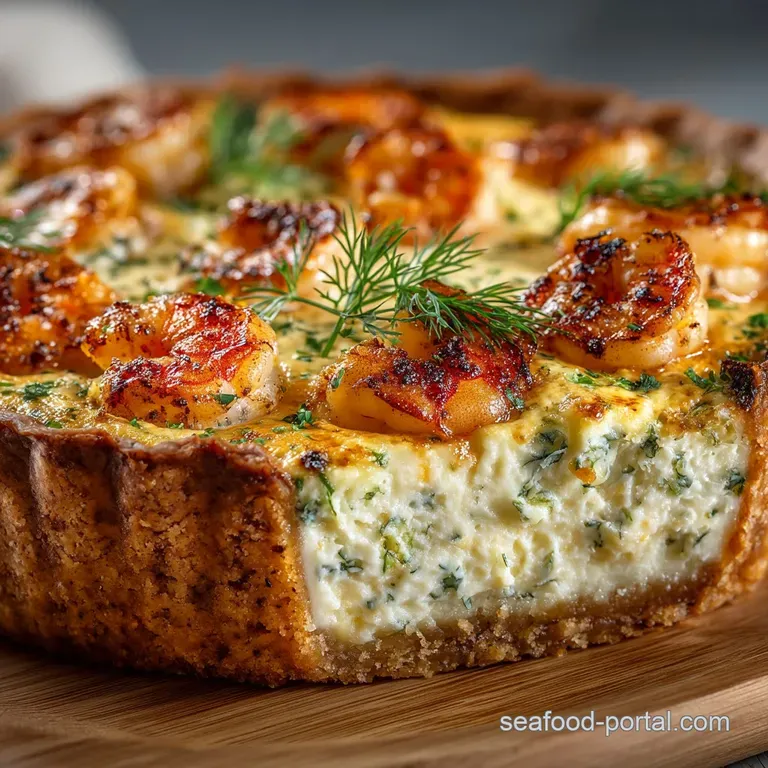
- Why This Shrimp Quiche Transcends the Basic Brunch Fare
- Gathering Your Culinary Fleet: Essential Ingredients and Tools
- Mastering the Method: Step-by-Step Assembly of Your Savory Tart
- Achieving the Ideal Texture in Your Shrimp Quiche
- Frequently Asked Questions and Expert Variations
- Understanding the Nutritional Snapshot
- Recipe FAQs
- 📝 Recipe Card
Why This Shrimp Quiche Transcends the Basic Brunch Fare
A truly exceptional quiche is not merely an egg pie; it is a delicate savory tart that requires precision and balance. This classic Shrimp Quiche recipe elevates the traditional bistro staple into a luxurious centerpiece.
What sets this particular dish apart is the thoughtful combination of a perfectly crisp pastry foundation, a rich, nutmeg scented royal custard, and the sweet, coastal flavor of succulent shrimp paired with fragrant dill and sharp Gruyère cheese.
This is a Homemade Quiche With Shrimp that delivers on elegance and deep flavor, making it a worthy addition to any repertoire of elevated Seafood Quiche Recipes .
The Secret to a Truly Flaky Pâte Brisée Foundation
The difference between a disappointing, soggy quiche and a masterpiece lies entirely in the crust, or pâte brisée . To achieve that flaky, tender texture, the key is temperature.
We incorporate 8 tablespoons (115g) of ice-cold, diced butter into 1 ¾ cups (225g) of flour, ensuring the butter remains in visible pea-sized chunks. When baked, these butter pieces melt and create steam pockets, resulting in those desirable airy layers.
Crucially, the dough must be rested in the refrigerator for at least 30 minutes before rolling, allowing the gluten to relax. This simple step guarantees a structurally sound crust ready for the critical blind baking process.
Crafting the Perfect Royal Custard Ratio
The filling is defined by its smooth, creamy, yet stable structure what the French refer to as a royal custard . This texture is achieved by carefully balancing the dairy and eggs.
Our recipe calls for 3 large eggs plus 1 extra egg yolk, which substantially boosts the richness without making the mixture rubbery. This is combined with ¾ cup (180ml) of heavy cream and ¼ cup (60ml) of whole milk. The high fat content of the heavy cream is essential for stability and flavor.
We finish the custard with a pinch of freshly grated nutmeg and white pepper, providing a warm, subtle spice note that complements the seafood beautifully without overpowering it.
Coastal Flavor: Preparing the Succulent Shrimp
For this Shrimp Quiche , flavor development starts before the tart ever sees the oven. We begin by quickly sautéing finely diced shallots in butter until translucent. Next, we add 12 ounces (340g) of prepared 30/40 count shrimp.
It is paramount that the shrimp are only partially cooked at this stage just until they turn pink to prevent them from becoming tough and chewy during the main bake. A quick deglaze with dry sherry or white wine concentrates their natural sweetness.
The filling is completed by folding in fresh dill, chives, and a hint of lemon zest, marrying the sweet shrimp and savory custard components perfectly.
Gathering Your Culinary Fleet: Essential Ingredients and Tools
Creating this savory masterpiece requires procuring high-quality components and having the right equipment ready. Precision in measuring these ingredients is vital for the success of the crust and the structure of the custard.
Pantry Staples for the Crust and Filling Base
The foundation of our recipe relies on basic yet quality pantry items. For the crust, aside from the flour and chilled butter, we require just a small amount of fine sea salt and ice water. The creamy base of the filling hinges on using full fat heavy cream and whole milk for maximum richness.
The crowning savory element, making this a true shrimp quiche recipe with gruyere cheese , is 4 ounces (115g) of grated Gruyère. Its nutty, slightly sweet profile melts seamlessly into the custard, providing depth and a glorious golden crust when baked.
Elevating Your Seafood: Selecting and Prepping the Shrimp
When selecting the star ingredient for your Shrimp Quiche , opt for medium sized, raw shrimp (30/40 count) that are already peeled and deveined to save time. Before introducing them to the sauté pan, it is crucial to pat them thoroughly dry.
Any excess moisture on the shrimp will release during cooking and could potentially compromise the crispness of the quiche base, leading to a soggy texture despite blind baking. The combination of fresh dill and chives ensures a vibrant herbaceous note that complements the seafood perfectly.
Necessary Equipment for Quiche Perfection
To ensure professional results, a 9 inch (23 cm) fluted quiche pan or a loose bottom tart tin is necessary. This facilitates easy removal and provides that classic, beautiful presentation. You will also need a reliable rolling pin, baking parchment, and pie weights (or dry rice/beans) for the blind baking process.
A large mixing bowl and whisk are essential for gently incorporating the custard ingredients, avoiding the creation of excessive air bubbles that could lead to a puffed, uneven final product.
Time Check: Prepping and Total Investment
While the final result is elegant, the process requires patience. The total time investment for this Shrimp Quiche is approximately 1 hour and 50 minutes, though this includes two vital resting periods.
Active preparation time for the crust and filling is manageable at around 30 minutes. The mandatory 30-minute chill time for the dough and the 15-minute resting time after baking are non-negotiable steps that ensure structural integrity, resulting in perfectly sliced servings every time.
Mastering the Method: step-by-step Assembly of Your Savory Tart
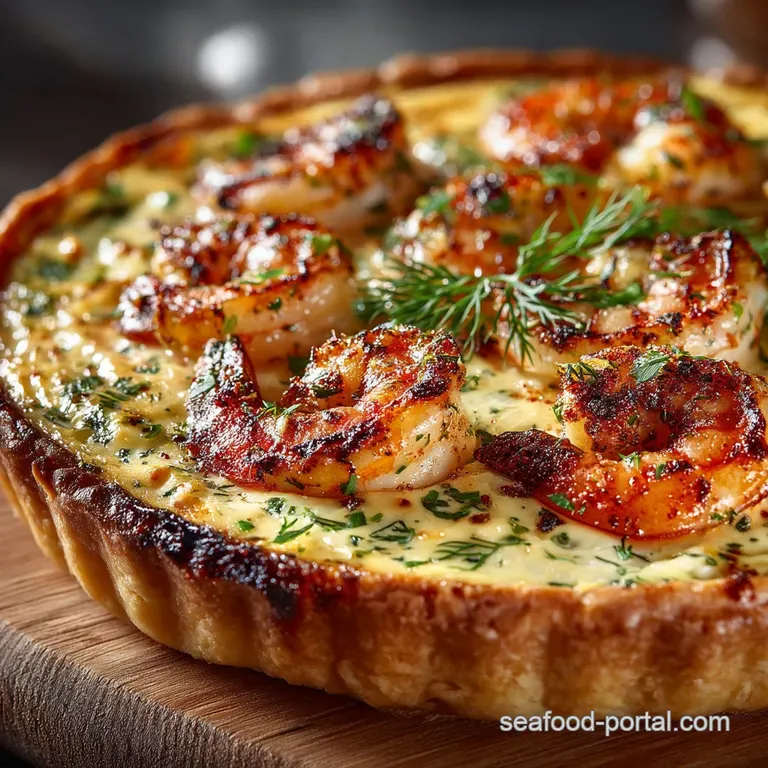
This comprehensive approach outlines How To Make Seafood Quiche with flawless execution, moving smoothly from preparing the base to combining the lush filling. We start by preparing the pâte brisée , ensuring the cold ingredients are handled quickly to maintain the temperature.
Once the dough is formed and rested, it is rolled to a 12 inch circle and carefully pressed into the fluted pan. After docking the pastry base with a fork, it receives a brief 15-minute freeze.
This secondary chill is a critical step, as it locks the butter and prevents the pastry from shrinking away from the edges during the initial bake. Following the blind bake, the pan must be cooled slightly before the components are introduced.
The filling the partially cooked shrimp mixture, dill, chives, and lemon zest is spread evenly over the pre-baked crust, topped with the grated Gruyère. Finally, the royal custard is gently poured over the top, making sure not to disturb the layers of filling.
Related Recipes Worth Trying
- Silky Shrimp Carbonara Recipe Classic Italian Technique — Master this authentic Shrimp Carbonara recipe We use a classic creamless technique for the silkiest finishperfect for an elegant quick family dinner night
- Classic Steamed Shrimp Dumplings The Secret to that Perfect Snap Bite — Skip the tea house Learn how to make truly fantastic Homemade Shrimp Dumplings Har Gow style Achieve that incredible snap in the filling with our easy Asian...
- Zesty Lemon Garlic Shrimp Spaghetti Quick Dinner with a Glossy Sauce — This quick Shrimp Spaghetti recipe uses the cold butter trick for a perfectly glossy nonwatery sauceits restaurantquality A bright Easy Shrimp Spaghetti...
Achieving the Ideal Texture in Your Shrimp Quiche
Texture is everything in quiche preparation. We aim for a crisp, sturdy crust and a creamy, non-weeping interior. Achieving this requires precise temperature management across the baking stages.
Stage One: Blind Baking for a Crispy Foundation
Blind baking is the firewall against the dreaded soggy bottom. The pastry case is lined with parchment and filled with pie weights, then baked at 375° F ( 190° C) for 15 minutes. This sets the structure.
The weights are then removed, and the base is returned to the oven for an additional 5 to 8 minutes until it appears completely dry and lightly colored. This ensures any residual moisture in the flour is evaporated, creating a stable platform that can withstand the wet custard.
Stage Two: Layering the Fillings and Pouring the Custard
Successful layering ensures even distribution and prevents the custard from soaking the crust immediately. We first scatter half of the 4 ounces of Gruyère directly onto the base; this acts as an additional moisture barrier. The cooled shrimp mixture follows, and the remaining cheese is placed on top.
When pouring the custard (the blended eggs, cream, milk, and spices), do so slowly and carefully, allowing the liquid to seep around the filling pieces without disrupting the arrangement. Fill the crust almost to the very top.
Stage Three: The Slow Bake and Chill for Structure
Once assembled, the oven temperature is immediately reduced to 325° F ( 160° C). This significantly lower temperature is non-negotiable, as it allows the heavy cream and eggs to set slowly and evenly.
Baking at a controlled temperature for 35 to 40 minutes prevents the eggs from boiling rapidly, which is the primary cause of curdling and weeping. If the crust edges begin to brown too quickly during this period, simply tent the edges loosely with foil.
Troubleshooting Common Custard Errors
The most common mistake when baking savory tarts is setting the temperature too high, resulting in a rubbery texture or the custard separating. If you notice large bubbles forming on the surface, the heat is too strong.
Another error is introducing the filling or custard while the pastry shell is still piping hot, which can prematurely cook the edges of the filling. Always ensure the shrimp mixture is slightly cooled before assembly.
When Is It Done? Identifying the Perfect Jiggle Point
Do not rely solely on color; the true test of doneness is the "jiggle point." The quiche is finished when the edges appear firm, set, and lightly puffed, while the very center about a 1 inch circle retains a slight, gentle wobble, similar to soft jelly.
If the center is liquid, continue baking in 5-minute increments. Overbaking turns the custard grainy and tough.
Cooling Protocol: Ensuring Your Quiche Sets Perfectly
The final resting period is as critical as the baking time. Once removed from the oven, the Shrimp Quiche must rest on a cooling rack for a minimum of 15 minutes.
During this time, the internal temperature gradually drops, allowing the still warm custard to finish setting completely. Slicing too early will result in a messy, liquid center and a collapsed slice.
Frequently Asked Questions and Expert Variations
Understanding how to customize and simplify this recipe allows you to adapt it to any occasion or dietary need.
For those seeking extremely streamlined Shrimp Quiche Recipes Easy solutions, using a high-quality, pre-made shortcrust pastry is an excellent time saver, though the blind baking steps remain essential.
If you are entertaining and prefer individual portions, this recipe easily translates into elegant shrimp quiche tarts using standard muffin tins or miniature tart pans, though the baking time will reduce to 20- 25 minutes.
For those adhering to a low-carb diet, the rich filling makes excellent shrimp quiche no crust . Simply pour the custard and filling mixture into a well greased, shallow baking dish and increase the bake time slightly to 45– 50 minutes, ensuring the center is firm.
If you wish to incorporate vegetables, adding a cup of sautéed Shrimp Quiche With Spinach or finely chopped asparagus is a wonderful choice, just ensure the vegetables are thoroughly drained or cooked down to eliminate excess water content.
Understanding the Nutritional Snapshot
This rich savory tart provides robust flavor and substantial nutritional value, primarily from high-quality protein and fats derived from the dairy and seafood.
Making Ahead and Maximizing Freezer Storage
Both the crust and the finished quiche can be prepared ahead of time. The unbaked pastry dough can be stored tightly wrapped in the refrigerator for up to three days or frozen for up to three months.
If you wish to freeze the entire baked quiche, allow it to cool completely, wrap it tightly in foil, and place it in a freezer bag. It can be frozen for up to two months. Thaw overnight in the refrigerator and reheat gently in a 300° F ( 150° C) oven until warmed through.
Flavor Swaps: Customizing Herbs and Cheeses
While the pairing of dill and Gruyère is classic for this Shrimp Quiche , feel free to experiment. Substitute the Gruyère with grated Emmental for a milder, nuttier flavor, or use aged white cheddar for a tangier profile.
If you wish to shift the herb profile, chervil and tarragon are excellent companions to seafood. For a richer, more luxurious quiche, consider replacing some of the shrimp with flaked crab meat or small bay scallops.
Slicing Smartly: Presentation and Serving Suggestions
After the essential 15-minute rest period, use a sharp, thin bladed knife to cut clean slices. Serving this robust quiche requires a counterpoint. We recommend a crisp, lightly dressed salad of peppery rocket (arugula) and a sharp Dijon vinaigrette to cut through the richness of the heavy cream and cheese.
For beverages, a chilled, dry white wine like a Sancerre or an elegant sparkling wine complements the seafood beautifully.
Macro Breakdown: Calories and Protein Per Serving
Based on the full fat dairy and butter used in this preparation, the quiche provides a high energy meal. When divided into 8 generous servings, each slice typically yields an estimated 420 470 calories.
Crucially, due to the high egg and shrimp content, each serving provides a substantial 20 25 grams of protein, making it a very satisfying dish.
Recipe FAQs
Can I make this quiche ahead of time for a proper knees-up?
Absolutely! You can bake the quiche entirely, cool it fully, cover it tightly, and refrigerate for up to 3 days without any fuss. Alternatively, you can prepare the pastry shell and the cooked shrimp filling 24 hours in advance and assemble just before you’re ready to bake.
Always reheat gently in a low oven (300°F/150°C) until warmed through, which usually takes about 15 minutes.
How do I avoid that dreadful 'soggy bottom' when baking this tart?
The secret, my friend, is a proper blind bake don't skimp on it! Ensure you prick the pastry base (dock it), use pie weights while baking, and bake until the base looks truly dry and slightly golden before adding the filling.
Another crucial tip is to ensure your filling components (especially the shrimp) are cooled completely before adding them to the crust, which stops excess moisture from creating steam.
I’m not keen on dill what herbs or cheese work best in this Shrimp Quiche?
While dill is a classic match for seafood, you can easily substitute it with fresh tarragon, chervil, or a good mix of finely chopped chives and parsley for a brighter flavour. If you need to swap out the Gruyère, Emmental or even an aged white Cheddar will work wonderfully, offering a robust and nutty flavour that complements the richness of the shrimp.
My custard looks weepy or curdled. What went wrong, chef?
Custard issues usually stem from over baking or baking at too high a temperature. If the quiche puffs up too aggressively, the eggs are likely setting too fast and curdling, separating from the liquid.
Always drop the oven temperature to 325°F (160°C) after the blind bake, and remove the quiche when it still has a slight, gentle wobble in the centre.
Is it safe to freeze leftover quiche for later?
Yes, freezing works a treat! Let the baked quiche cool completely after resting, then wrap it tightly first in cling film, followed by a layer of heavy duty foil. It will keep well in the freezer for up to three months without major loss of quality.
Thaw the quiche overnight in the fridge before reheating slowly in the oven until piping hot throughout.
Shrimp Gruyere Quiche
Ingredients:
Instructions:
Nutrition Facts:
| Calories | 1706 kcal |
|---|---|
| Protein | 14.3 g |
| Fat | 58.3 g |
| Carbs | 35.1 g |
| Fiber | 4.5 g |
| Sodium | 278 mg |
