Shrimp Fettuccine Alfredo: Creamy Garlic
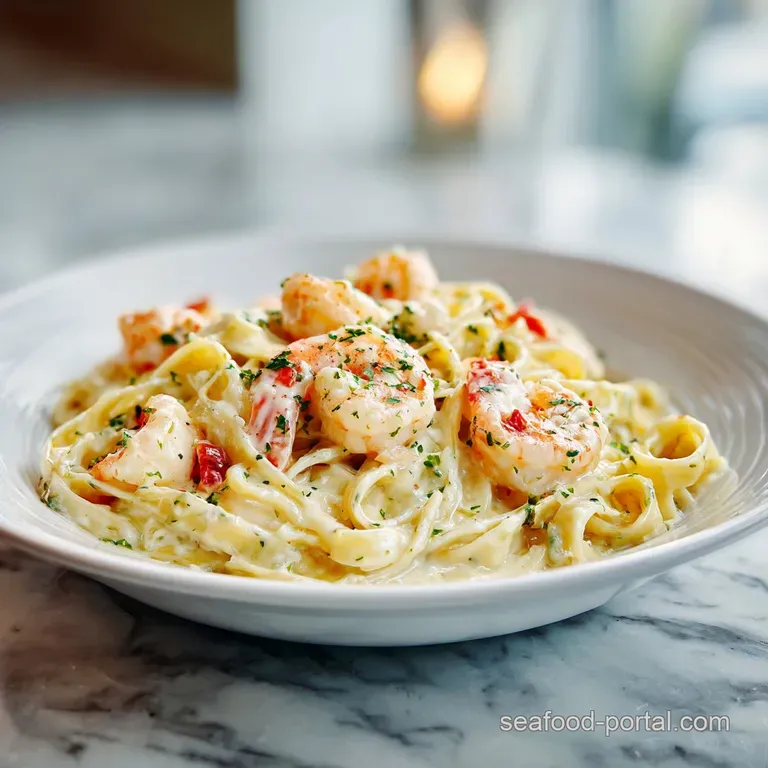
- Time: Active 15 minutes, Passive 10 minutes, Total 25 minutes
- Flavor/Texture Hook: Velvety cream sauce paired with snappy, paprika kissed shrimp
- Perfect for: A high impact date night or a luxurious weekend treat
- Creating a Velvety Shrimp Fettuccine Alfredo
- Why This Silky Sauce Logic Works
- The Technical Specs for Success
- Analyzing the Essential Flavor Components
- Necessary Tools for the Kitchen
- Step-by-Step Guide to the Finish
- Fixing Common Sauce and Shrimp Errors
- Smart Swaps for Every Pantry
- Storage Tips and Zero Waste
- Side Dishes That Enhance Everything
- High in Sodium
- Recipe FAQs
- 📝 Recipe Card
Creating a Velvety Shrimp Fettuccine Alfredo
The first time I tried to make this for a friend, it was a disaster. I was standing in a tiny apartment kitchen, the air thick with the smell of scorched garlic, watching my sauce separate into a puddle of yellow oil and gritty clumps of cheese. I felt defeated, but that "fail" taught me everything.
Now, every time I drop those 12 oz of dried fettuccine into the boiling water, I think about that lesson. It’s all about the temperature and the timing. When the shrimp hit the hot oil, that sizzle should be immediate and sharp, signaling the start of something beautiful.
We aren't just making dinner here; we're building a balance of textures. You have the snap of the large shrimp, the bite of al dente pasta, and that heavy whipping cream that brings everything together into a cohesive, silky embrace.
It's a dish of contrasts: the bright lemon wedges cutting through the 0.5 cup of unsalted butter, and the smoky paprika providing a backdrop to the salty Parmigiano Reggiano. It's lush, it's bold, and once you get the rhythm down, it's actually quite simple to repeat.
You'll find that the secret isn't in adding more ingredients, but in how you treat the ones you have. By the time you're tossing the noodles in that shimmering sauce, you'll see exactly what I mean. The aroma of fresh parsley and garlic paste will fill your kitchen, and you’ll know you’ve nailed it.
Trust me, we've all had those grainy sauce days, but this method ensures a smooth finish every single time. Let's get that water boiling and move into the logic of why this works so well.
Why This Silky Sauce Logic Works
- Emulsification Stability: The proteins in the heavy cream act as a stabilizer, preventing the fats in the butter and cheese from separating into a greasy mess.
- Starch Binding: Using 0.5 cup of reserved pasta water introduces liquid gold that physically binds the fat rich sauce to the gluten heavy noodles.
- Carryover Control: Searing the shrimp quickly and removing them prevents the rubbery texture caused by the protein fibers tightening too much.
- Thermal Tempering: Bringing the 1.5 cups of heavy whipping cream to room temperature prevents the thermal shock that can cause dairy to curdle when hitting a hot pan.
| Method | Time | Texture | Best For |
|---|---|---|---|
| Stovetop | 15 minutes | Silky and snappy | Maximum sauce control and fresh flavor |
| Oven Bake | 25 minutes | Set and bubbly | Large groups, though shrimp may toughen |
| Slow Cooker | 3 hours | Very soft/broken | Not recommended for dairy heavy pasta |
Choosing the stovetop method is vital for this specific dish because Alfredo is a delicate emulsion. If you try to bake it, you lose that "velvety" mouthfeel as the cream reduces too far and the cheese over cooks.
On the stove, you are the master of the heat, swirling the pan to ensure every 1.5 cups of Parmigiano Reggiano melts perfectly into the 1.5 cups of cream. This direct contact allows you to monitor the "shimmer" of the sauce, ensuring it never reaches a hard boil which would break the fats.
The Technical Specs for Success
| Component | Science Role | Pro Secret |
|---|---|---|
| Shrimp (1 lb) | Main Protein | Pat them bone dry before searing to ensure a golden crust instead of steaming. |
| Heavy Cream | Fat Medium | Use high fat cream (at least 36%) to ensure the sauce stays thick without needing flour. |
| Parmigiano | Flavor/Binder | Grate your own from a block; pre shredded cheese is coated in potato starch which prevents melting. |
| Pasta Water | Emulsifier | Never toss the water until the dish is plated; it's your only "fix" for a dry sauce. |
When you're dealing with 1 lb of large shrimp, the goal is to create a Maillard reaction on the surface without overcooking the center. This is why we use a high smoke point extra virgin olive oil and keep the heat medium high.
The 1 tsp of smoked paprika doesn't just add flavor; the sugars in the spice caramelize against the heat, giving you that beautiful copper hue that contrasts against the white sauce.
For another perspective on luxury seafood textures, you might want to look at a Shrimp Thermidor recipe which uses a similar dairy base but with a classic French twist. It's interesting to see how different cultures handle the pairing of seafood and cream.
Analyzing the Essential Flavor Components
To get this right, you need the specific items listed below. Don't skip the room temperature step for the cream; it’s the difference between a smooth sauce and a broken one.
- 1 lb Large Shrimp (16-20 count): Peeled and deveined. Why this? Larger shrimp stay juicier during the over high heat sear.
- Substitute: Scallops (sear for 2 minutes per side).
- 12 oz Dried Fettuccine pasta: The classic wide ribbon. Why this? The surface area is designed to hold heavy, viscous sauces.
- Substitute: Linguine or Pappardelle.
- 1.5 cups Freshly Grated Parmigiano Reggiano: Not the stuff in the green can. Why this? True Parmigiano melts into the cream rather than sitting on top.
- Substitute: Pecorino Romano (adds a saltier, funkier punch).
- 1.5 cups Heavy Whipping Cream: Must be room temperature. Why this? High fat content prevents the sauce from breaking at high heat.
- Substitute: Half and half (will require a longer reduction time).
- 0.5 cup Unsalted Butter: Provides the base richness. Why this? Allows you to control the salt level with the kosher salt later.
- Substitute: Salted butter (reduce added kosher salt by half).
- 3 cloves Garlic: Minced into a fine paste. Why this? A paste distributes flavor evenly without leaving bitter burnt chunks.
- Substitute: 1 tsp Garlic powder (add to the cream).
- 1 tsp Smoked Paprika: For color and depth. Why this? Adds a subtle woodsy note that balances the heavy fat.
- Substitute: Cayenne pepper (if you want heat instead of smoke).
Necessary Tools for the Kitchen
You don't need a professional kitchen, but a large, heavy bottomed skillet is non negotiable. I prefer stainless steel or cast iron because they hold heat better when you add the cold shrimp. A cheap, thin pan will drop in temperature immediately, causing the shrimp to leak water and boil rather than sear.
You’ll also want a high-quality microplane or grater for that Parmigiano Reggiano; the finer the grate, the faster it melts.
A sturdy pair of tongs is your best friend here. You'll use them to flip the shrimp individually to ensure each one gets that 1 tsp of smoked paprika crust. Later, those same tongs will help you twirl the 12 oz of fettuccine into the sauce, ensuring every strand is coated.
Finally,, have a liquid measuring cup ready to scoop out that 0.5 cup of reserved pasta water before you drain the noodles. I can't tell you how many times I've accidentally poured the "liquid gold" down the sink!
step-by-step Guide to the Finish
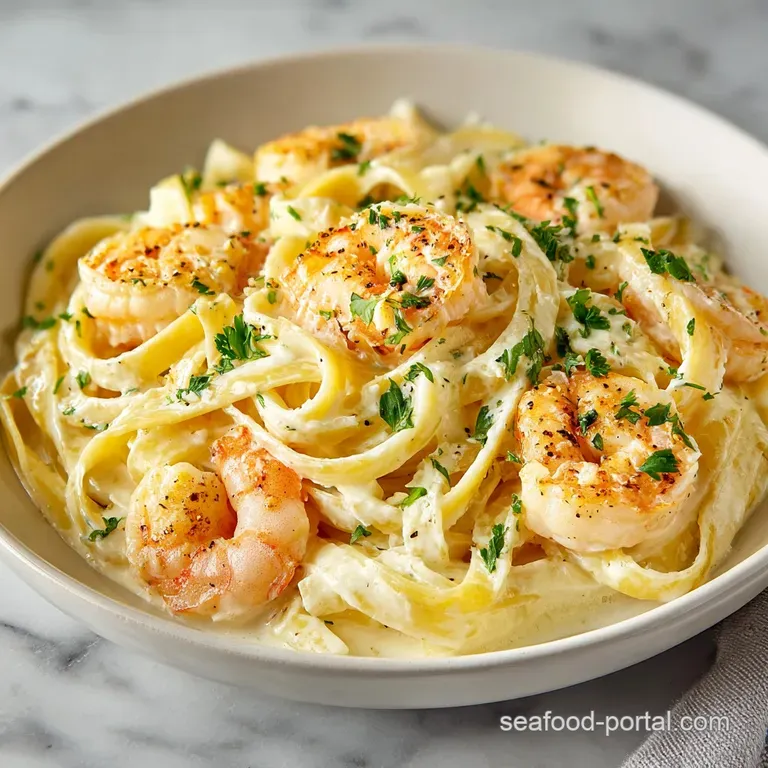
1. The Pasta Foundation
Bring a large pot of salted water to a boil. Add the 12 oz dried fettuccine and cook for about 10 minutes until al dente with a slight bite. Note: The pasta will cook further in the sauce, so don't over boil it here.
2. High Sear Shrimp
While the pasta boils, toss the 1 lb shrimp with 1 tsp smoked paprika and 0.5 tsp kosher salt. Heat 1 tbsp extra virgin olive oil in a large skillet over medium high heat.
3. The Sizzle
Add the shrimp to the pan in a single layer. Cook for 2 minutes per side until opaque and slightly charred on the edges. Remove shrimp from the pan and set aside on a plate.
4. Building the Alfredo Base
In the same skillet (don't wash it!), reduce heat to medium and add 0.5 cup unsalted butter. Once melted and bubbling, stir in the 3 cloves of minced garlic paste. Cook for 1 minute until the aroma is fragrant but the garlic isn't browned.
5. The Cream Integration
Pour in the 1.5 cups of room temperature heavy whipping cream. Bring to a gentle simmer, whisking constantly. Let it reduce for about 4 minutes until the sauce slightly thickens and coats the back of a spoon.
6. The Velvet Marriage
Turn the heat to low. Gradually whisk in the 1.5 cups of freshly grated Parmigiano Reggiano, adding a handful at a time. Whisk until the cheese is completely melted and the sauce is glossy.
7. The Final Toss
Add the cooked fettuccine directly into the skillet. Pour in 0.25 cup of the reserved pasta water. Use tongs to toss the noodles vigorously until the sauce clings to every strand. Add more water if it looks too thick.
8. The Finishing Touch
Fold the seared shrimp back into the pasta along with 1 tbsp fresh parsley. Squeeze a lemon wedge over the top to brighten the fats. Serve immediately while the emulsion is at its peak.
Fixing Common Sauce and Shrimp Errors
One of the biggest hurdles with Shrimp Fettuccine Alfredo is the disappearing sauce. You plate it, take it to the table, and by the time you sit down, the pasta has soaked up every drop of moisture, leaving you with a dry, sticky clump. This is why that reserved pasta water is vital.
It acts as a lubricant. If you notice the sauce tightening up too fast, splash in a bit more water and toss again. It will loosen the proteins and bring back that shine.
Why Your Sauce is Grainy
If your sauce feels like fine sand on your tongue, it’s usually because the heat was too high when you added the cheese. High heat causes the proteins in the Parmigiano to tighten and clump together rather than melting into the cream.
Always drop your heat to the lowest setting or even pull the pan off the burner entirely before adding the cheese.
| Problem | Root Cause | Solution |
|---|---|---|
| Rubbery Shrimp | Cooked too long in the sauce | Remove shrimp after searing; only add back at the very last second. |
| Separated Sauce | Temperature shock or too much heat | Whisk in a tablespoon of cold cream or pasta water to re emulsify. |
| Bland Flavor | Lack of acidity or salt | Add an extra pinch of kosher salt and a heavy squeeze of lemon. |
Common Mistakes Checklist
- ✓ Never use pre shredded cheese; the anti clumping agents will ruin your sauce texture.
- ✓ Don't rinse your pasta; you need that surface starch to help the sauce stick.
- ✓ Ensure the heavy cream is not cold from the fridge to prevent the butter from seizing.
- ✓ Pat the shrimp dry with paper towels; moisture on the surface prevents the "snap" texture.
- ✓ Cook the pasta 1 minute less than the box suggests so it finishes in the sauce.
Smart Swaps for Every Pantry
Sometimes you don't have exactly 1.5 cups of Parmigiano on hand, or you're looking for a slightly different vibe. This recipe is surprisingly flexible if you understand the fat to liquid ratios. If you're looking for a similar but slightly different seafood pasta experience, you might enjoy this Shrimp Alfredo Pasta recipe which focuses on a quick 28 minute turnaround.
| Original Ingredient | Substitute | Why It Works |
|---|---|---|
| Heavy Cream | Whole milk + 1 egg yolk | The yolk adds the necessary fat and emulsifiers. Note: Sauce will be thinner. |
| Fettuccine | Zucchini Noodles | Provides a fresh, low carb base. Note: Do not boil; sauté for 2 mins. |
| Smoked Paprika | Old Bay Seasoning | Classic seafood pairing with celery salt and pepper notes. |
If you want a Cajun kick, swap the paprika for 1 tbsp of Cajun seasoning and add diced bell peppers to the butter when you sauté the garlic. It changes the profile from classic Italian American to a soulful Southern fusion.
For a "lightened up" version, you can replace half the heavy cream with chicken broth and a teaspoon of cornstarch, though you will lose that signature "velvety" mouthfeel. Honestly, for this dish, I say go for the full fat it’s worth the treat.
Storage Tips and Zero Waste
Alfredo is notorious for not reheating well, but there’s a trick to it. Store leftovers in an airtight container in the fridge for up to 3 days. When you’re ready to eat, don't just microwave it on high. The high heat will break the emulsion, leaving you with a pool of oil.
Instead, put the pasta in a skillet with a splash of milk or water over low heat. Stir constantly until it’s creamy again.
For zero waste, don't throw away those shrimp shells! Throw them in a freezer bag. When you have enough, boil them with some onion scraps and water to make a quick seafood stock. Also, if you have leftover Parmigiano rinds, toss those into your next pot of soup or tomato sauce.
They add a massive hit of umami that you just can't get from salt alone.
Side Dishes That Enhance Everything
Since this Shrimp Fettuccine Alfredo is quite rich, you want side dishes that offer high acidity or crunch to reset your palate. A simple arugula salad with a sharp lemon vinaigrette is my go to. The peppery bite of the greens cuts right through the 1.5 cups of heavy cream.
Roasted broccoli with plenty of red pepper flakes also works beautifully, as the charred florets soak up any extra sauce left on the plate.
If you’re feeling extra indulgent and want to stay on the seafood theme, you could even serve this alongside a Shrimp and Crab recipe if you're hosting a multi course dinner. Otherwise, a crusty piece of garlic bread is essential for mopping up that golden, garlicky butter at the bottom of the bowl. Just remember to keep the sides simple; the pasta is the star here, and it deserves the spotlight.
This recipe is a journey through temperature and texture. From the first pop of the shrimp in the oil to the final twirl of the fork, you're looking for that balance of smoke, salt, and cream.
It might take one or two tries to get the cheese melting perfectly, but once you do, you'll never go back to the jarred stuff again. Right then, let's get cooking!
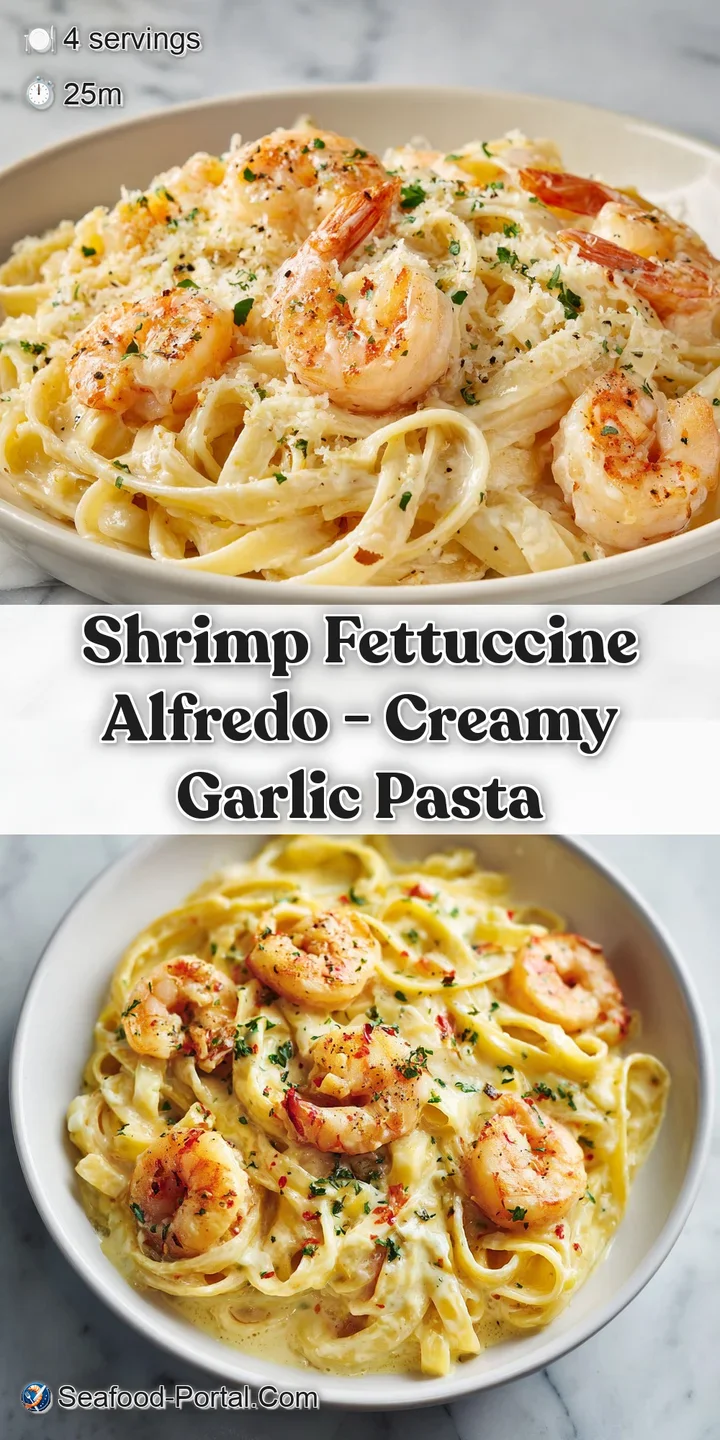
High in Sodium
945 mg mg of sodium per serving (41% of daily value)
The American Heart Association recommends limiting sodium intake to about 2,300mg per day for overall cardiovascular health.
Sodium Reduction Tips for Shrimp Fettuccine Alfredo
-
Reduce Parmesan-15%
Parmigiano Reggiano is a significant source of sodium. Reduce the amount of cheese by 25% or substitute with a lower sodium cheese option, like part skim mozzarella. This can significantly cut down the sodium content without drastically impacting flavor.
-
Reduce Added Salt-15%
The recipe calls for 0.5 tsp of kosher salt. Reduce the amount by half, or eliminate it entirely, tasting as you cook to adjust. Taste the dish before adding any salt!
-
Use Unsalted Butter-10%
While the recipe calls for unsalted butter, ensure that you are in fact using it. Even small amounts of salt in butter can add up. Double check your ingredient!
-
Skip the Salted Pasta Water-5%
When cooking the pasta, don't salt the water, and then make sure to reserve some of the pasta water. The slight sodium added from that water can add up!
-
Boost Flavor with Herbs
Enhance the dish's flavor with fresh herbs like basil, oregano, or thyme, and other spices such as red pepper flakes. These add complexity and depth without increasing sodium content.
Recipe FAQs
Is shrimp good in Fettuccine Alfredo?
Yes, absolutely. Shrimp offers a delicate, slightly sweet flavor that beautifully contrasts the rich, salty Parmigiano Reggiano cream sauce without overwhelming it.
Does Alfredo sauce go well with seafood in general?
Yes, cream sauces pair exceptionally well with mild seafood. The fat content in Alfredo complements the lean protein of shrimp or scallops, but be careful not to overcook the seafood, which can lead to a rubbery texture.
What goes with shrimp fettuccine alfredo?
Simple, acidic sides are best to cut the richness. Try a sharp arugula salad with lemon vinaigrette or simply steamed asparagus tossed with olive oil and salt. Crusty garlic bread is always essential for soaking up extra sauce.
Should you cook shrimp before adding to pasta?
Yes, sear the shrimp separately first. Cook them quickly over high heat until just opaque, remove them from the pan, and then fold them back in at the very end to prevent them from turning rubbery while the sauce finishes cooking.
How do I prevent my Alfredo sauce from turning grainy when I add the cheese?
Reduce the heat to low or remove the pan from the heat entirely before stirring in the cheese. If you add Parmigiano Reggiano while the cream is simmering vigorously, the proteins seize and clump, resulting in a gritty texture. If you enjoyed mastering the stable emulsion here, see how the same principle applies to techniques in our The 25Minute Creamy recipe.
Can I use different pasta shapes besides fettuccine?
Yes, wide, flat noodles are ideal, but linguine works well. The broad surface area of fettuccine is designed to hold heavy cream sauces, but linguine or pappardelle also provide enough surface area to cling to the sauce effectively.
What is the secret to making the sauce glossy instead of dull?
Reserve and utilize your starchy pasta cooking water. Add a tablespoon or two of the hot, starchy water when tossing the noodles into the sauce; this water acts as a natural emulsifier to bind the fat and liquid together for a beautiful, shimmering finish.
Shrimp Fettuccine Alfredo 2
Ingredients:
Instructions:
Nutrition Facts:
| Calories | 1138 kcal |
|---|---|
| Protein | 50.4 g |
| Fat | 72.4 g |
| Carbs | 68.2 g |
| Fiber | 2.8 g |
| Sugar | 3.1 g |
| Sodium | 945 mg |
