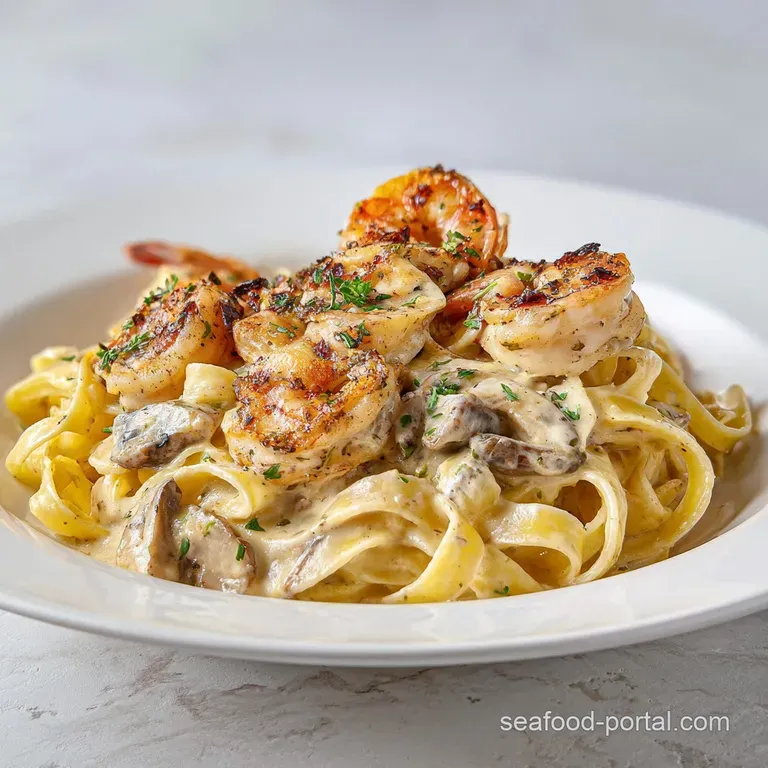
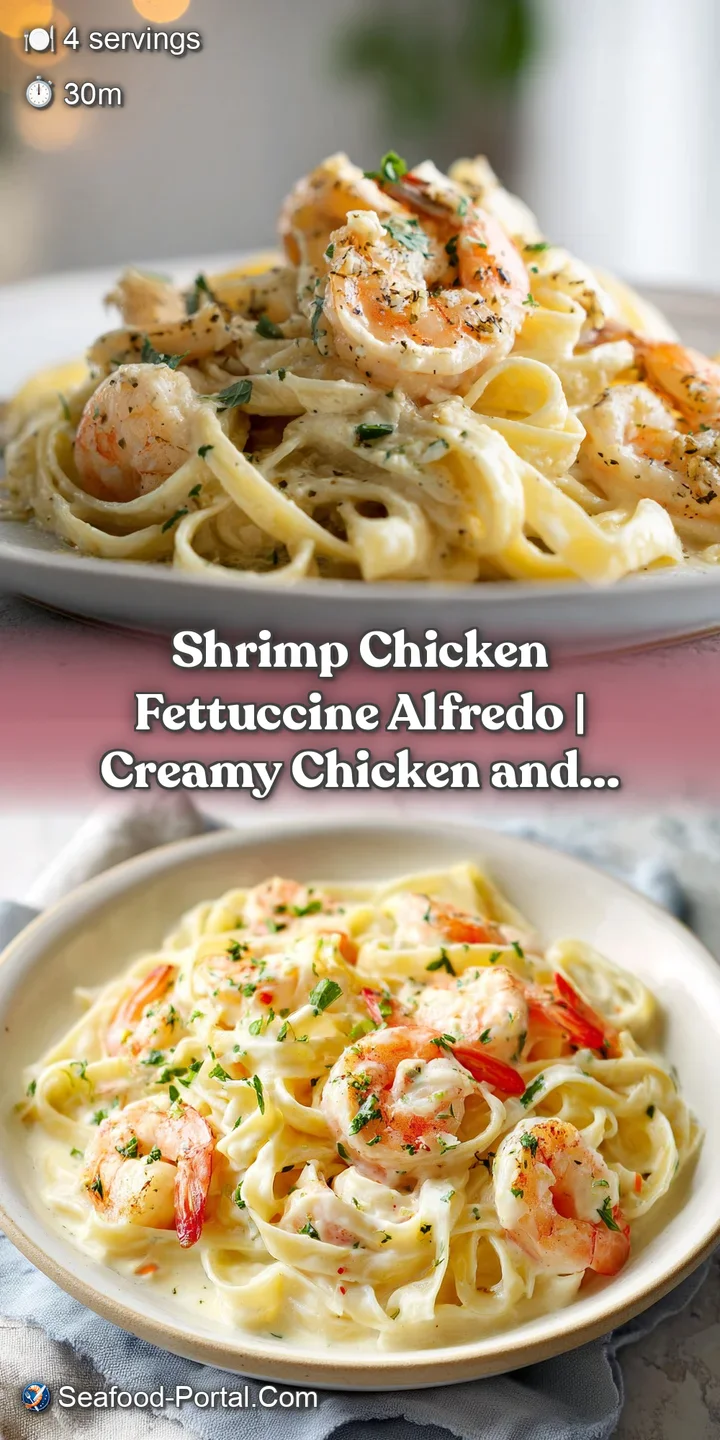
Shrimp Chicken Fettuccine Alfredo: Creamy and Tender
- Time: Active 15 minutes, Passive 15 minutes, Total 30 minutes
- Flavor/Texture Hook: Silky, garlic infused cream with snappy shrimp and tender chicken
- Perfect for: A high end date night or a comforting weekend family dinner
- Making Ultimate Shrimp Chicken Fettuccine Alfredo
- Why the Velvety Sauce Works
- Analyzing Every Single Key Ingredient
- Sourcing the Best Elements
- Essential Kitchen Tools You'll Need
- Bringing Every Single Component Together
- Solving Your Common Sauce Problems
- Scaling This Recipe Up or Down
- Truths Behind the Cream
- Storage Guidelines and Reducing Kitchen Waste
- Perfect Side Dishes to Serve
- High in Sodium
- Recipe FAQs
- 📝 Recipe Card
Making Ultimate Shrimp Chicken Fettuccine Alfredo
There is a specific moment in the kitchen that feels like pure magic: it is when that first handful of freshly grated Parmigiano Reggiano hits the warm cream and transforms from a pile of cheese into a glossy, velvety lake.
The first time I tried making Shrimp Chicken Fettuccine Alfredo for my family, I completely botched it. I used the stuff in the green shaker can, the sauce turned into a grainy puddle of oil, and the shrimp were basically pencil erasers.
It was a disaster, but it was the best lesson I ever learned because it forced me to figure out how the pros actually do it.
Now, whenever I pull out my heavy skillet for this dish, the aroma of garlic and butter hitting the pan immediately draws everyone into the kitchen. You know that smell the one that makes you feel like you’re sitting in a booth at a dim Italian bistro.
We aren't just making dinner here; we’re building layers of flavor. We start with the chicken, then the shrimp, and finally that incredible sauce that picks up all the golden bits left behind. It’s a 30 minutes process that feels much more expensive than it actually is.
You’re going to love how the smoked paprika gives the chicken a subtle warmth while the shrimp stay bright and snappy. This isn't just about dumping cream over noodles; it's about the sizzle of the pan and the way the sauce clings to the fettuccine.
I’ve made all the mistakes so you don’t have to, from rubbery seafood to broken sauces. By the time we’re done, you’ll have a bowl of pasta that’s honestly better than anything you can get for twenty dollars at a restaurant.
Why the Velvety Sauce Works
Understanding how a few simple ingredients become a cohesive sauce is the key to kitchen confidence. This isn't magic it’s just a little bit of structural harmony happening in your skillet.
- Starch Suspension: The reserved pasta water contains dissolved starches that act as a bridge between the fat in the cream and the water, preventing the sauce from separating into an oily mess.
- Residual Heat Melting: By removing the pan from the heat before adding the cheese, we ensure the proteins in the Parmesan don't clump or "seize," resulting in a perfectly smooth finish.
- Maillard Integration: Searing the chicken and shrimp first creates "fond" (those little brown bits), which dissolve into the butter and cream to provide a deep, savory backbone that plain cream lacks.
- Fat Emulsification: Whisking the cold butter into the warm cream creates a stable emulsion, giving the sauce that signature "cling" that stays on the pasta rather than sliding to the bottom of the bowl.
| Cooking Method | Total Time | Texture Result | Best For |
|---|---|---|---|
| Traditional Skillet | 30 minutes | Silky and glossy | Pure flavor and best texture |
| One Pot Method | 25 minutes | Starchy and thick | Busy weeknights, less cleanup |
| Slow Cooker | 4 hours | Soft and heavy | Large groups, very hands off |
The traditional skillet method is my absolute favorite because it allows you to control the doneness of the shrimp and chicken perfectly. In a one pot version, the seafood often overcooks while the pasta softens, but here, everything reaches its peak at the exact same moment.
Analyzing Every Single Key Ingredient
Every component in this Shrimp Chicken Fettuccine Alfredo has a specific job to do, and choosing the right version of that ingredient changes the entire outcome of the meal.
| Component | Science Role | Pro Secret |
|---|---|---|
| Heavy Cream | Provides the fat base for the emulsion | Use room temperature cream to prevent the sauce from breaking |
| Parmigiano Reggiano | Adds salt, umami, and thickening power | Always grate it yourself; pre shredded cheese is coated in cellulose |
| Pasta Water | Acts as the ultimate binder and thickener | Salt the water heavily so the starch itself carries flavor |
| Unsalted Butter | Adds silkiness and controls the salt level | Add it at the very end of the sauté for a fresher dairy taste |
When you're at the store, try to find the "Large" shrimp (usually 31-40 count per pound). They're big enough to stay juicy during the sear but small enough to fit on a fork with a swirl of fettuccine. If you're feeling adventurous, you can even check out this Ultimate Shrimp Alfredo recipe for a version that focuses entirely on the seafood side of things.
Sourcing the Best Elements
You don't need a massive grocery list for this, but the quality of what you buy matters immensely. Since there are so few ingredients, there's nowhere for poor quality to hide.
- Chicken Breast (1 lb): Sliced into 1 inch strips. Why this? Strips cook quickly and evenly without drying out.
- Substitute: Chicken thighs (boneless/skinless) for a juicier, fattier bite.
- Large Shrimp (1 lb): Peeled and deveined. Why this? They provide a sweet, snappy contrast to the savory chicken.
- Substitute: Scallops for a more "special occasion" feel.
- Fettuccine (12 oz): The classic wide noodle. Why this? The wide surface area is designed to hold heavy cream sauces.
- Substitute: Linguine or pappardelle work just as well.
- Heavy Whipping Cream (1.5 cups): High fat content is non negotiable here. Why this? It creates the stable, thick base needed for Alfredo.
- Substitute: Half and half (though the sauce will be thinner and less stable).
- Parmigiano Reggiano (1 cup): Freshly grated is the only way to go. Why this? It melts seamlessly without the graininess of cheaper cheeses.
- Substitute: Pecorino Romano for a sharper, saltier punch.
- Unsalted Butter (4 tbsp): Pure fat for the sauce. Why this? Allows you to control the saltiness of the final dish.
- Substitute: Salted butter (just reduce the extra salt you add later).
- Garlic (3 cloves): Minced fresh. Why this? Jarred garlic has a metallic aftertaste that ruins cream sauces.
- Substitute: 1 tsp garlic powder in a pinch (but fresh is vastly superior).
- Smoked Paprika (1 tsp): For the protein seasoning. Why this? Adds a hint of color and a faint wood fired aroma.
- Substitute: Sweet paprika for less smokiness.
| Original Ingredient | Substitute | Why It Works |
|---|---|---|
| Heavy Cream | Full fat Coconut Milk | Similar fat content. Note: Adds a distinct tropical flavor profile |
| Fettuccine | Zucchini Noodles | Low carb alternative. Note: Sauce won't cling as well due to water release |
| Parmigiano Reggiano | Grana Padano | Very similar texture and melting point but often more affordable |
Using a high-quality cheese like Parmigiano Reggiano is the single biggest "cheat code" for this recipe. It’s aged longer, which means it has those tiny crunchy salt crystals (tyrosine) that explode with flavor.
If you find the price tag a bit high, Grana Padano is its cousin and works beautifully for a few dollars less.
Essential Kitchen Tools You'll Need
Having the right gear makes the 15 minutes of cooking time go much smoother. You don't need a professional kitchen, but a few specific items help with the texture.
- Large Skillet (12 inch): A stainless steel or cast iron skillet is best for developing that "fond" on the bottom of the pan. Avoid non stick if you want the best flavor development from the chicken and shrimp.
- Microplane or Box Grater: Essential for getting the cheese into a fine fluff that melts instantly.
- Tongs: The best tool for flipping shrimp individually and tossing the pasta into the sauce without breaking the noodles.
- Large Pasta Pot: You need enough water for the fettuccine to move freely, which prevents sticking.
- Whisk: Use this for the sauce stage to ensure the cheese and cream fully emulsify.
I personally love using a heavy bottomed stainless steel pan for alfredo with shrimp and chicken. It allows for over high heat searing but also holds onto the heat well when you’re finishing the sauce.
If you’re worried about the sauce sticking, just remember that the heavy cream and butter provide plenty of fat to keep things moving.
Bringing Every Single Component Together
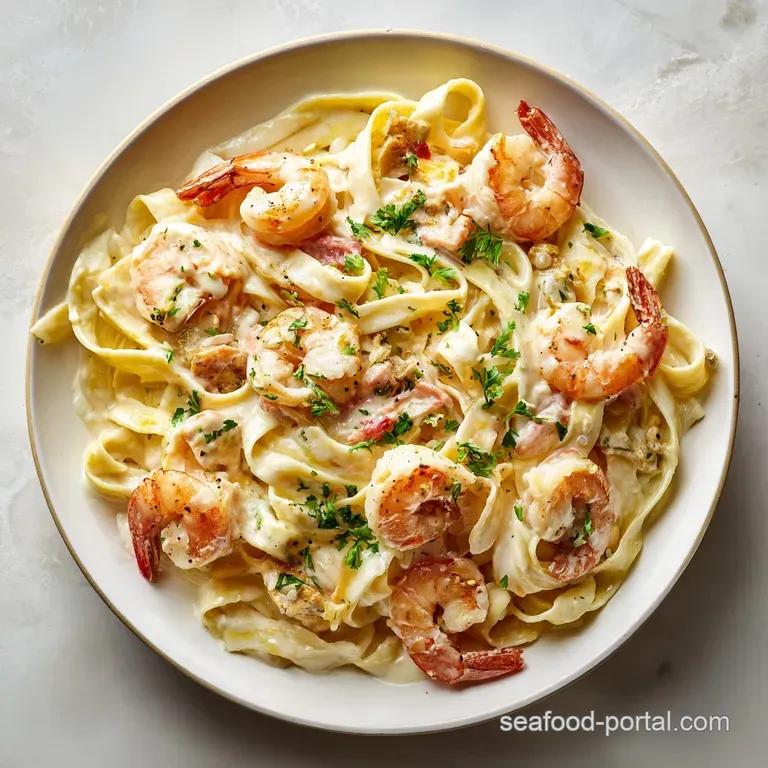
- Boil the water. Fill a large pot with water and add a generous palmful of salt. Bring to a rolling boil and drop in your 12 oz of fettuccine. Cook until it’s just shy of al dente (about 1–2 minutes less than the box says). Smell Check: The kitchen should start to smell like warm, toasted grain.
- Save the liquid. Before you drain the pasta, dip a measuring cup into the pot and reserve 0.5 cup of that cloudy pasta water. This is your "liquid gold." Drain the rest of the pasta.
- Season the proteins. Pat your 1 lb of chicken strips and 1 lb of shrimp completely dry with paper towels. Toss them in a bowl with 1 tsp smoked paprika and 0.5 tsp onion powder.
- Sear the chicken. Heat 1 tbsp olive oil in your large skillet over medium high heat. Add the chicken strips. Cook 5–6 minutesuntil they are golden brown and firm to the touch. Remove the chicken from the pan and set it aside on a plate.
- Sear the shrimp. In that same skillet, add the shrimp. Cook 2–3 minutesuntil they turn opaque and pink.Note: Don't walk away; shrimp go from perfect to rubbery in seconds. Remove them immediately and put them with the chicken.
- Sauté the aromatics. Lower the heat to medium low. Add 4 tbsp of unsalted butter to the skillet. As it melts, use a wooden spoon to scrape up all those flavorful brown bits from the chicken. Add 3 cloves of minced garlic and cook for 1 minute until you smell that intoxicating garlic aroma.
- Simmer the cream. Pour in 1.5 cups of heavy whipping cream. Bring it to a very gentle simmer look for small bubbles around the edges. Cook 3–4 minutes until it starts to thicken slightly. Do not let it reach a hard boil, or the fat might separate.
- Melt the cheese. Turn off the heat entirely. This is crucial! Add your 1 cup of freshly grated Parmigiano Reggiano in three batches, whisking constantly. Whisk until the sauce looks glossy and completely smooth.
- The final fusion. Toss the cooked fettuccine into the sauce. Add a splash of that reserved pasta water and use your tongs to coat every noodle. The starch in the water will help the sauce "grab" the pasta.
- Garnish and serve. Fold the cooked chicken and shrimp back into the pan. Toss once more to warm them through. Sprinkle with 2 tbsp of fresh parsley and serve immediately while it's at its creamiest.
Solving Your Common Sauce Problems
Even the most seasoned home cooks run into trouble with cream based sauces. The most common issue with Fettuccine Alfredo is usually a matter of temperature control. If your heat is too high when the cheese goes in, you'll end up with a clump of cheese and a pool of oil.
Why Your Sauce Is Grainy
This usually happens for two reasons: you used pre shredded cheese, or the pan was too hot. Pre shredded cheese is coated in potato starch or cellulose to keep it from sticking in the bag, but that coating prevents it from melting smoothly in your sauce.
If the pan is too hot, the proteins in the cheese tighten up and squeeze out the fat, creating those little "grains."
| Problem | Root Cause | Solution |
|---|---|---|
| Thin/Watery Sauce | Not enough reduction or cheese | Simmer for 2 more minutes or add an extra 1/4 cup of cheese |
| Oily Separation | Heat was too high during whisking | Add a tablespoon of cold cream and whisk vigorously off heat |
| Dry Pasta | Noodles absorbed all the sauce | Add more reserved pasta water 1 tablespoon at a time |
Common Mistakes Checklist:
- ✓ Always grate your own cheese from a block for a smooth melt.
- ✓ Pat the shrimp dry before cooking to get a sear rather than a steam.
- ✓ Never skip the pasta water; it's the glue that holds the dish together.
- ✓ Use a large enough pan so the chicken isn't crowded, which prevents browning.
- ✓ Add the cheese after the heat is off to ensure a silky texture.
If you find yourself with a sauce that is just too thick to move, don't panic. That reserved pasta water is your best friend. A small splash will loosen the proteins and restore that "flowy" restaurant look. If you've already thrown out the pasta water, a splash of warm milk or extra cream will do the trick in a pinch.
Scaling This Recipe Up or Down
If you're cooking for a crowd or just for yourself, shrimp and chicken can be tricky to scale because of the pan space required.
Scaling Down (Cooking for 2): Cut all ingredients in half. You can still use a 12 inch skillet, which is actually better because it gives the chicken more room to get crispy. Reduce the cream simmering time by about 1 minute since there is less volume to heat up.
For the pasta water, still save at least 1/4 cup.
Scaling Up (Cooking for 8): Double everything, but do not double the salt or spices immediately. Use 1.5x the paprika and onion powder first, then taste.
The most important rule here: Work in batches. Do not try to sear 2 lbs of chicken and 2 lbs of shrimp at the same time. You will lose the heat in the pan, and the meat will just boil in its own juices. Sear half the chicken, remove it, then do the rest. Same goes for the shrimp.
You may need a second pot to toss the final pasta if your skillet isn't deep enough.
Truths Behind the Cream
There are a lot of "rules" in Italian cooking that people get stressed about, but when it comes to with shrimp and chicken, let's clear the air.
- Myth: Real Alfredo doesn't have cream. While the "original" Roman Alfredo was just butter and cheese, the modern version we love in the states uses cream for stability and volume. Neither is "wrong," they are just different styles. Using cream makes the dish much more forgiving for home cooks.
- Myth: You should rinse your pasta. Never, ever rinse your pasta for this dish. Rinsing washes away the surface starch that helps the sauce stick. You want that starch!
- Myth: Adding oil to pasta water prevents sticking. This actually just makes the pasta greasy, which prevents the sauce from clinging. Just use a large pot and stir the noodles occasionally for the first 2 minutes of boiling.
Storage Guidelines and Reducing Kitchen Waste
Leftover fettuccine alfredo with shrimp and chicken is a bit of a challenge because cream sauces tend to "set" or break when reheated.
Storage: Store in an airtight container in the fridge for up to 2 days. I don't recommend longer than that because of the shrimp. Freezing: I generally advise against freezing this dish.
The cream and cheese will separate during the thawing process, leaving you with a grainy texture that is almost impossible to fix. Reheating: The best way to reheat is on the stovetop over low heat. Add a splash of milk or water to the pan first to help loosen the sauce. Stir constantly and gently.
Microwave reheating is risky, but if you must, use 50% power and stir every 30 seconds.
Zero Waste Tips: Don't throw away those parsley stems! Chop them very finely and add them to the butter and garlic stage for extra flavor. If you have leftover shrimp shells, you can toss them in a bag in the freezer to make a quick seafood stock later.
Even that little bit of extra Parmigiano rind can be tossed into a soup or stew for a massive hit of umami.
Perfect Side Dishes to Serve
Since this alfredo with shrimp and chicken is quite rich and heavy, you want sides that offer acidity or crunch to balance the meal. A simple arugula salad with a sharp lemon vinaigrette is my go to. The peppery bite of the greens cuts right through the heavy cream.
If you want to keep the theme going, a side of roasted broccoli with a squeeze of lemon or some charred asparagus works beautifully. For the bread lovers, a crusty baguette is essential for swiping up every last drop of that sauce from the bottom of the bowl. If you find you have leftovers of the shrimp specifically, you might enjoy trying this Shrimp and Crab Ravioli another night for a different take on seafood pasta. Or, if you’re craving a bit of heat next time, definitely look into this Cajun Shrimp and Crab Pasta, which uses a similar cream base but with a much bolder spice profile.
Ultimately, this dish is the king of comfort food. It’s the recipe I make when I want to impress someone without spending four hours in the kitchen. It’s reliable, it’s decadent, and once you master that whisking technique, you’ll never look at a jar of sauce the same way again. Happy cooking!
High in Sodium
880 mg 880 mg of sodium (38% 38% of daily value)
The American Heart Association recommends limiting sodium intake to less than 2,300 mg per day, with an ideal limit of below 1,500 mg per day for most adults.
Tips to Reduce Sodium
-
Reduce Parmigiano Reggiano-15%
Parmigiano Reggiano cheese is a significant source of sodium. Reduce the amount by half (to 0.5 cup) to significantly cut down on sodium without losing too much cheesy flavor.
-
Eliminate Added Salt-10%
This recipe does not list any added salt, but if you typically add salt, omit it entirely. The Parmesan and the natural sodium in the shrimp will provide enough flavor.
-
Boost with Herbs and Spices
Enhance flavor by increasing the fresh parsley and experimenting with other sodium free herbs and spices like basil, oregano, or a pinch of red pepper flakes. This adds complexity without salt.
-
Choose Low-Sodium Shrimp-5%
If using pre-cooked or marinated shrimp, opt for 'no added salt' or 'low-sodium' varieties. Freshly peeled and deveined shrimp typically have lower sodium content.
Recipe FAQs
Is chicken and shrimp Alfredo a thing?
Yes, it is a popular surf and-turf variation of the classic pasta dish. Combining lean chicken strips with succulent shrimp provides a satisfying balance of proteins in a single meal.
Is shrimp good with fettuccine alfredo?
Yes, shrimp adds a delicate sweetness and a firm texture that complements the rich, creamy sauce. If you enjoy the technique of searing seafood to lock in flavor, you can apply similar heat control principles to our Garlic Shrimp Scampi to achieve perfectly tender results every time.
What are some common mistakes to avoid when making fettuccine alfredo?
Overcooking the shrimp and letting the sauce boil are the most frequent errors. Always remove the shrimp after 2 3 minutes of searing and keep the cream sauce at a gentle simmer to prevent it from curdling or breaking.
Do you cook shrimp before adding to Alfredo sauce?
Yes, sear the shrimp separately in the skillet first. Cooking them for 2 3 minutes until they are opaque ensures they are fully cooked before being folded into the pasta and sauce at the very end.
How to keep the Alfredo sauce from breaking when reheating?
Reheat the pasta gently on the stovetop over low heat. Avoid the microwave, which can cause the heavy cream and Parmigiano Reggiano to separate and become grainy.
Is it true I must rinse the pasta after boiling?
No, this is a common misconception. Rinsing removes the surface starch necessary for the creamy sauce to cling to the fettuccine noodles properly.
How to achieve the perfect sauce consistency?
Whisk in the freshly grated Parmigiano Reggiano using only the residual heat after removing the skillet from the burner. If the sauce is too thick, stir in the reserved pasta water a little at a time until you reach the desired glossy texture.
Shrimp Chicken Fettuccine Alfredo
Ingredients:
Instructions:
Nutrition Facts:
| Calories | 1154 kcal |
|---|---|
| Protein | 83 g |
| Fat | 60 g |
| Carbs | 67 g |
| Fiber | 3 g |
| Sugar | 3 g |
| Sodium | 880 mg |
