The Speedy Sensation Perfect Panseared Ahi Tuna with Gingersoy Glaze
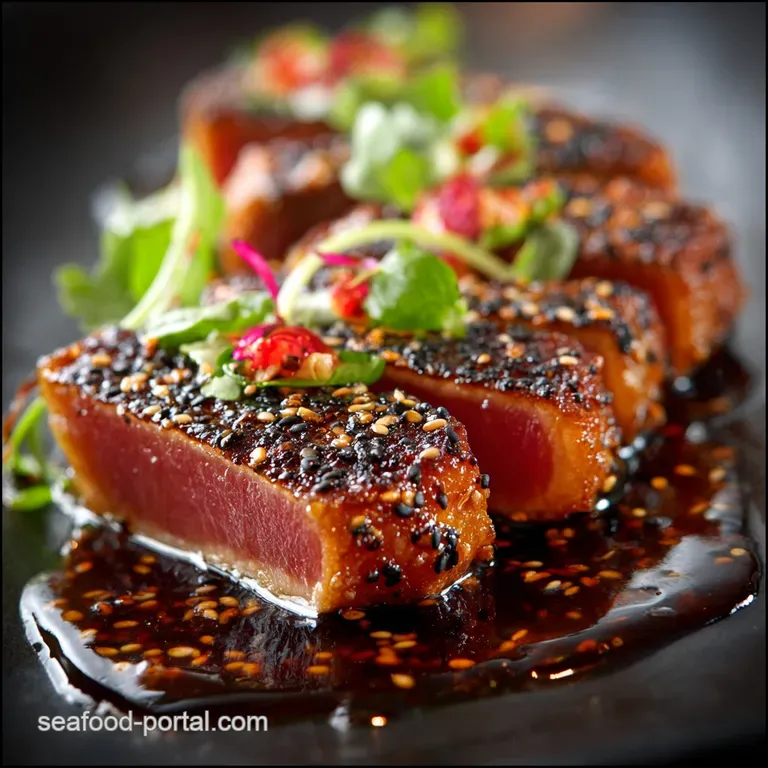
- Restaurant Quality Pan Seared Tuna Steak in Under 15 Minutes
- Sourcing the Finest Fish and Essential Kitchen Setup
- Crafting the Signature Ginger-Soy Glaze and Prep Work
- Finishing Touches and Resting Your Pan Seared Tuna Steak
- Troubleshooting and Advanced Serving Strategies for Pan Seared Tuna Steak
- Recipe FAQs
- 📝 Recipe Card
Restaurant Quality Pan Seared Tuna Steak in Under 15 Minutes
The secret to preparing an extraordinary meal isn't always complexity; often, it’s precision. Achieving a true Pan Seared Tuna Steak that rivals anything you'd find in a five star sushi establishment is surprisingly simple, provided you follow the rules of high heat cooking.
This method transforms a humble piece of sashimi grade fish into a speedy suppertime sensation, marrying a crunchy exterior with a velvety, cool interior. The entire process from placing the tuna in the searing hot oil to slicing takes less than six minutes, making these Pan Seared Tuna Steak Recipes Easy to execute on even the busiest weeknights.
Mastering the Maillard Reaction for the Perfect Crust
The beautiful, dark crust on this fish isn't just for looks; it's the result of the Maillard reaction, a chemical process that occurs when proteins and sugars are exposed to high heat, creating hundreds of complex flavour compounds.
To maximize this reaction, we employ a dual seed coating of white and black sesame seeds, mixed with flaky sea salt. This provides the texture and flavour foundation, ensuring that when the tuna hits the screaming hot pan, it instantly forms a crisp, nutty shell.
When learning How To Cook Tuna Steaks , recognizing that high heat is your friend not your enemy is paramount for crust development.
Why Ahi Tuna is the Ideal Candidate for High Heat Cooking
Ahi tuna, specifically Yellowfin, is the perfect choice for this technique due to its dense, steak like texture and low-fat content. Unlike fattier fish, Ahi’s muscle structure allows it to withstand extreme heat without collapsing. However, because it contains minimal insulating fat, it cooks exceptionally fast.
To ensure professional results, always opt for steaks at least one inch (2.5 cm) thick. Thicker cuts buy you precious seconds to develop a deep crust before the heat penetrates too far, which is essential when preparing a premium Pan Seared Ahi Tuna Steak .
The Secret to a Silken, Cool, and Perfectly Rare Center
The ultimate goal of searing tuna is the contrast: fiery crust versus chilled interior. We achieve this rare core by using a technique often overlooked: chilling the fish immediately before cooking.
After patting the tuna steaks bone dry and lightly seasoning them with salt and pepper, place them uncovered in the freezer for about 15 minutes, or the fridge for 20 minutes.
This pre-chilling step firms the exterior muscle fibers, slowing the heat transfer and guaranteeing that the heart of the fish remains bright red, cool, and perfectly silken during the rapid searing process.
Sourcing the Finest Fish and Essential Kitchen Setup
Achieving perfection begins long before the pan touches the heat; it starts with sourcing superb ingredients and having the right equipment ready to go.
The Core Pantry: Glaze Components and Seasonings
Our signature flavour profile relies on a simple yet vibrant Ginger Soy Glaze that balances salty, sweet, sour, and pungent notes. You’ll need four tablespoons of low sodium soy sauce (or Tamari for a gluten-free swap), two tablespoons of Mirin (Japanese rice wine), a teaspoon of honey or maple syrup for viscosity and sweetness, a squeeze of fresh lime juice, and, crucially, one tablespoon of finely grated fresh ginger.
For the coating, the simple pan seared tuna steak seasoning involves two parts white sesame seeds to one part black sesame seeds, plus a generous grind of flaky sea salt.
Choosing Sushi Grade: A Buyer's Guide to Quality Ahi
When preparing tuna to be eaten rare or raw, the quality designation "sashimi grade" is non-negotiable. This certification indicates that the fish has been properly handled and flash frozen to eliminate potential pathogens.
Look for center cut steaks with a bright, vibrant, uniform red colour and no noticeable streaking or discolouration. Avoid fish that looks dull or has a brownish tinge; freshness is paramount. We aim for two generously sized, six-ounce steaks to serve two people, ensuring sufficient thickness for a proper sear.
Crucial Tools for Achieving a Pro-Level Sear
The vessel you choose for cooking determines your success. For the phenomenal crust we are after, a heavy bottomed pan seared tuna steak cast iron skillet is the gold standard because of its superior heat retention.
If cast iron isn't available, a high-quality, heavy gauge stainless steel pan will suffice. Ensure you have a high smoke point oil, such as grapeseed, canola, or refined avocado oil, and robust metal tongs for safe handling in the intense heat.
Related Recipes Worth Trying
- Quick Seared Red Argentinian Shrimp with Lemony Garlic Butter — Learn How To Cook Argentine Red Shrimp perfectly in under 20 minutes These Royal Red Shrimp sear quickly tossed in a buttery lemon sauce Delicious and easy...
- 15Minute Garlic Butter Salmon Steak Crispy Skin PanSeared Recipe — This panseared Garlic Butter Salmon Steak is an absolute corker of a weeknight meal Get incredibly moist flaky fish and goldencrisp skin in under 15 minutes...
- The Ultimate Creamy Tuna Macaroni Salad Foolproof Potluck Dish — Make the perfect Creamy Tuna Macaroni Salad for your next picnic This traditional recipe uses yogurt to stay lusciously creamy and is ideal for makeahead...
Crafting the Signature Ginger Soy Glaze and Prep Work
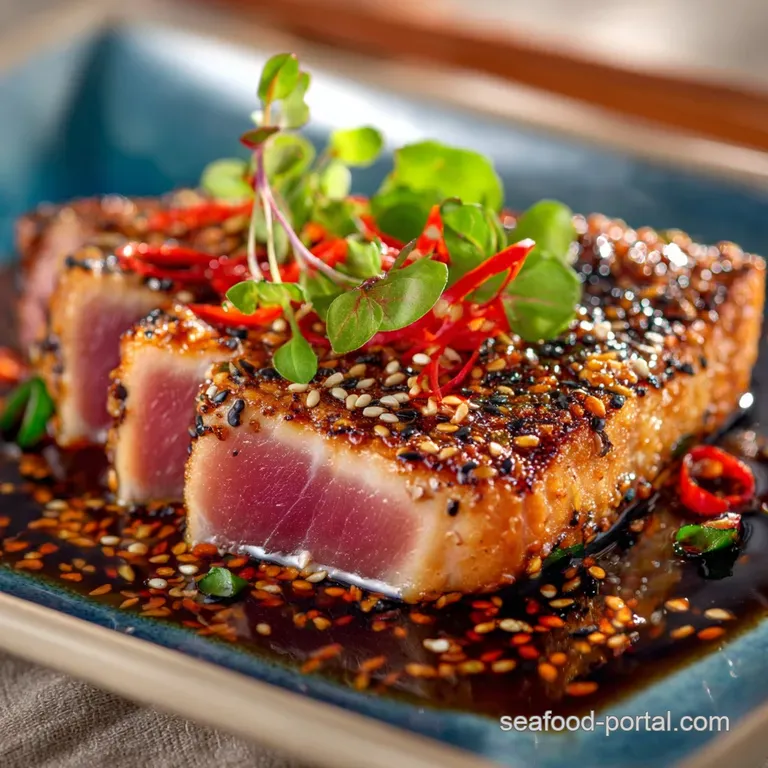
Before we get to the exhilarating part, the necessary prep work must be done. Start by combining all the glaze components soy sauce, mirin, grated ginger, honey, and lime juice in a small saucepan.
Bringing this mixture to a gentle simmer for 2 to 3 minutes allows it to reduce slightly, thickening it into a beautiful, glossy lacquer that will cling perfectly to the sliced fish. Once reduced, remove the glaze from the heat and set it aside.
While the glaze is simmering, the chilled tuna steaks are ready for their final preparation. Pat the fish once more with paper towels moisture is the enemy of the sear and prepare a shallow dish with the mixed white and black pan seared tuna steak with sesame seeds and the remaining flaky salt.
Finishing Touches and Resting Your Pan Seared Tuna Steak
This is where speed and confidence pay off. The cooking time for rare tuna is less than two minutes total, demanding perfect preparation.
Pre-Sear Preparation: Dry Brining and Crust Application
After removing the tuna from its brief chilling period, it should be firm and cool to the touch. Lightly season the steaks with the initial measure of salt and pepper. Next, gently press the top, bottom, and all four narrow sides of the steaks into the combined sesame seed mixture until the entire exterior is coated.
Do not press too hard or you risk warming the core of the fish. This dense, nutty coating is what allows the perfect, flavorful crust to form instantaneously.
Achieving Maximum Heat: Oiling and Seasoning the Skillet
Place your heavy cast iron skillet over the highest heat setting your stovetop can muster. Add the two tablespoons of high smoke point oil and wait patiently until the oil is shimmering violently and just beginning to release wisps of smoke. This is the temperature required for an immediate, high-quality sear.
Placing the tuna into a pan that is anything less than screaming hot will result in a grey, tough, overcooked fish.
The Crucial 90-Second Flip: Precision Searing Times
Carefully place the crusted tuna steaks into the extremely hot oil. The high heat should immediately cause the tuna to sizzle aggressively. Sear without moving the steaks for exactly 60 to 90 seconds. Do not prod or flip before this window. Use your tongs to turn the tuna exactly once.
You should see a deep, dark golden crust has formed, and a visual heat line of about a quarter inch (5-6 mm) should be evident around the perimeter of the steak. If your steaks are particularly thick, use the tongs to briefly sear the top and bottom edges for about 15 seconds each to firm them up, then immediately remove the fish to a clean cutting board.
Slicing Technique for Maximum Visual Impact
After the lightning fast cook, the slicing technique is crucial for presentation. Using a very sharp chef's knife, slice the seared tuna against the grain into beautiful, thin medallions, approximately a quarter inch thick.
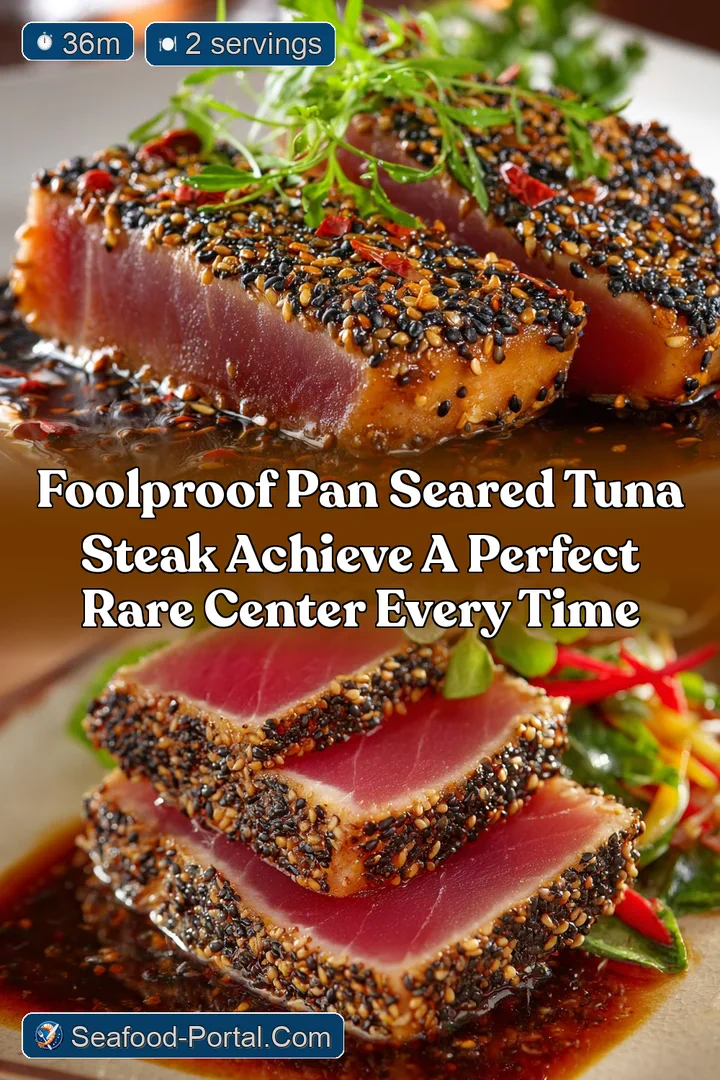
When sliced correctly, the exterior crust will be prominent, framing the stunning, bright ruby red interior.
The Importance of a 5-Minute Rest Period
While the urge to dig in immediately is strong, a brief rest is essential. Allow the seared tuna to rest for 2 to 3 minutes on the cutting board. This brief pause permits the muscle fibres, which have tightened from the intense heat, to relax.
As they relax, the internal juices redistribute, resulting in a moister, more tender final product. Skipping this step risks losing valuable flavour and moisture onto the cutting board.
Drizzling and Serving Suggestions
Arrange the perfectly sliced tuna medallions artfully on a plate. If serving with sticky Jasmine rice or sesame ginger blanched asparagus, place these elements first. Finish the dish with a light drizzle of the reserved, reduced Ginger Soy Glaze.
This should be a finishing touch, not a marinade, allowing the delicate flavour of the Pan Seared Tuna Steak to shine through.
Troubleshooting and Advanced Serving Strategies for Pan Seared Tuna Steak
Even for seasoned chefs, high heat searing can be intimidating. Knowing how to check the doneness and adapt the recipe ensures flawless results every time.
Temperature Check: How to Know When Your Tuna is Perfect
A medium rare pan seared tuna steak temperature should ideally range between 115° F and 125° F ( 46° C to 52° C) internally.
Since the cook time is so short, a probe thermometer can be challenging to use accurately. Instead, rely on visual cues. The heat line should be no more than 1/4 inch thick, meaning the vast majority of the interior remains raw, cool, and red.
If the line is thicker, your pan was either not hot enough, or you seared for too long. If the tuna is grey throughout, it is overcooked and likely tough.
Integrating Sides: Unique Takes on Butter and Vegetable Pairings
While the classic Ginger Soy combination is superb, integrating unique sides can elevate the meal. For a rich, savoury alternative, try the Cajun variation outlined in our notes, where the sesame crust is swapped for a spice rub and the fish is seared in clarified butter (ghee), pairing beautifully with a lime crema.
For freshness, consider sautéed bok choy (Pak Choi) or a vibrant, acidic Asian slaw, which provides a textural crunch against the smoothness of the fish.
Storage and Reheating Guidelines (Can You Re-sear Tuna?)
Seared tuna is best enjoyed immediately after its brief rest period. If you have leftovers, store the slices in an airtight container in the refrigerator and consume them within three days. It is critical to note that tuna, once seared rare, cannot be successfully reheated.
Attempting to re-sear tuna will inevitably cook the rare interior, resulting in a dry, grey, rubbery texture. It is far better to enjoy chilled leftover slices in a salad or atop a poke bowl.
Dietary Swaps: Making This Recipe Keto or gluten-free
This recipe is inherently lean and high in protein, making adaptation easy. To ensure the recipe is completely gluten-free, substitute standard soy sauce with Tamari or Coconut Aminos in the glaze.
If you are following a Keto or strict low-carb diet, you can substitute the small amount of honey or maple syrup with a zero carb sweetener like Monk Fruit or Erythritol syrup, ensuring the total carbohydrate count remains minimal without sacrificing the depth of the glaze.
Recipe FAQs
I'm a bit nervous about the timing how do I ensure my Pan Seared Tuna Steak is rare, not rubbery?
The key to avoiding a dry, rubbery texture is treating the cook time like a sprint, not a marathon! For the perfect rare interior, aim for only 60 to 90 seconds per side in a screaming hot pan.
Crucially, don't skip the step of chilling the tuna first (the freezer trick); this firms up the exterior, allowing you to build a crust before the internal temperature has a chance to rise too much. If you see the heat line travel more than 1/4 inch up the side, you’ve gone too far, mate!
Do I really need ‘sashimi grade’ tuna, or will standard fishmonger quality do the trick?
Absolutely stick to sashimi grade, especially since we are barely cooking the centre of this dish. This isn't just a fancy label; it means the fish has been handled, frozen, and stored according to specific regulations that make it safe to eat nearly raw.
Think of it as insurance don't scrimp on quality, or you might end up with a bit of a dodgy tummy. When in doubt, always ask your fishmonger about the best quality yellowfin or Ahi they have for searing.
I don't have a cast iron pan. Can I still get that brilliant sesame crust?
While cast iron is the business for holding heat, any heavy bottomed, high-quality stainless steel pan will work perfectly, provided you let it get ridiculously hot. The crucial factor is using a high smoke point oil like grapeseed or canola; your regular olive oil simply won't cut the mustard here as it will burn before the pan reaches the temperature required for a quick, crispy sear.
Get the oil shimmering and smoking lightly, and Bob’s your uncle.
I'm cooking for a coeliac is the Ginger Soy Glaze easily made gluten-free?
You’re in luck making this glaze gluten-free is a piece of cake! Simply swap the standard soy sauce for Tamari or Coconut Aminos, as these are typically wheat free alternatives that deliver the same deep umami flavour.
Just be sure to double check your Mirin bottle too, as some cheaper brands can contain wheat or barley in their fermentation process, making it unsafe for coeliacs.
This recipe is grand, but what's the best way to keep leftovers if I'm too knackered to finish it all?
Leftover seared tuna makes a cracking lunch the next day, but it must be consumed within 24 hours and kept very well chilled. Note that once refrigerated, the beautiful rare centre will darken and the texture will become firmer.
We recommend slicing it cold and serving it over a fresh green salad or tossing it through some cold noodles for a quick, minimal faff meal.
Sesame Pan Seared Tuna With Ginger Glaze
Ingredients:
Instructions:
Nutrition Facts:
| Calories | 1420 kcal |
|---|---|
| Protein | 30.0 g |
| Fat | 51.7 g |
| Carbs | 93.0 g |
| Fiber | 25.8 g |
| Sodium | 18974 mg |
