Tuna Steak Recipes: Pan Seared Sesame Ahi with Ginger-Soy Glaze
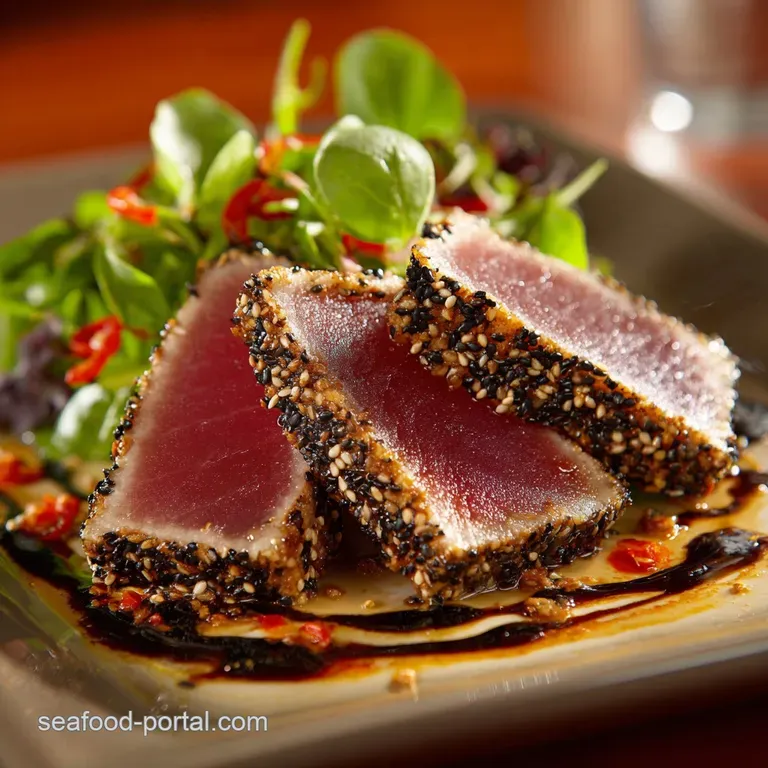
- Mastering Restaurant Quality: The Ultimate Seared Tuna Steak Recipes Guide
- The Science of the Sear: Why This Sesame-Crusted Ahi Tuna Recipe is Flawless
- Essential Prep: Ingredients Checklist for Perfect Tuna Steak Recipes
- Step-by-Step: How to Cook Tuna Steak Perfectly on the Stovetop
- Troubleshooting the Sear: Expert Tips for Flawless Tuna Steaks
- Handling Leftovers: Storage, Shelf Life, and Serving Seared Tuna Cold
- Completing the Plate: The Best Sides and Sauces for Sesame-Crusted Tuna
- Recipe FAQs
- 📝 Recipe Card
Mastering Restaurant Quality: The Ultimate Seared Tuna Steak Recipes Guide
The moment that sesame crusted tuna steak hits the pan, you hear the sizzle it’s the sound of a truly restaurant quality dinner being built in under ten minutes. That fragrant, nutty crust forms quickly, sealing in the clean, oceanic flavour of the fish.
When you finally slice it, seeing that perfect ring of sear surrounding the cool, rosy pink centre is just pure, unadulterated joy.
Trust me, seared tuna is the ultimate quick win dinner, demanding minimal fuss for maximum payoff. If you can heat a frying pan, you can master this incredible recipe, saving yourself a small fortune compared to ordering out.
It’s light, satisfying, and shockingly fast; truly a lifesaver when you need something elegant but are completely short on time.
We are diving deep into the technique today, focusing specifically on achieving the perfect Asian inspired crust and glaze. This is the only guide to pan-seared tuna steak recipes you will ever need, packed with the little secrets that make all the difference. Let's get that heat turned up!
The Science of the Sear: Why This Sesame Crusted Ahi Tuna Recipe is Flawless
Why Tuna Steak is the Perfect 20 Minute Showstopper
Tuna is structurally different from fattier fish like salmon, making it uniquely suited for fast, over high heat cooking. Because the muscle structure is dense, it holds its shape beautifully under aggressive heat.
This dense structure means we can get that gorgeous, crunchy crust and yet keep the interior buttery and cool.
Understanding the Safe Rare Sear: Is it Supposed to be Raw?
Yes, the interior of a properly seared tuna steak should be cool, raw, and deep pink. This is what you are aiming for, provided you are sourcing high-quality, preferably sushi grade, tuna steaks. Tuna is ruined when cooked past medium rare.
The connective tissues tighten up, squeezing out moisture and leaving you with dry, pale, chalky fish.
Unpacking the Londoner's Line Caught Glaze Technique
I call this the "Londoner's Glaze" because I first cracked this recipe while trying to replicate the pricey seared tuna I used to grab near Borough Market. The secret is layering the flavour: a thin brush of soy sauce before the sear to aid in crust formation, followed by a thick, syrupy ginger soy reduction after the slicing.
This two-part approach ensures maximum flavour without making the sesame crust soggy.
Achieving the Perfect Crunch: Sesame Crust vs. Fierce Heat
The black and white sesame crust isn't just for looks; it insulates the raw interior from the intense heat of the pan. The seeds toast almost instantly, achieving a nutty flavour and beautiful texture before the heat has time to penetrate far into the fish.
This quick toasting is precisely why we need the pan screaming hot. You need that heat to be immediate and aggressive.
The Fiery Glaze: Balancing Soy Umami with Fresh Ginger
Our ginger soy glaze is the dynamic counterpoint to the clean tuna. It uses soy sauce (umami saltiness), rice vinegar (tang), and maple syrup (sweetness) to form the base. The ginger and a few red pepper flakes bring that crucial fiery freshness that cuts through the richness of the seared exterior. It’s complex flavour in a simple sauce, which you can read more about in my deep dive on making a Seared Tuna Steak RestaurantQuality Sesame Crust in Under 15 Minutes .
Choosing the Right Cut for Optimal Texture and Marbling
Look specifically for Ahi (Yellowfin) tuna, as it is widely available and typically sold in beautiful, thick steaks. They should be a vibrant, glossy red not dull or brown. Always aim for steaks that are at least one inch thick; anything thinner will cook through too fast.
Essential Prep: Ingredients Checklist for Perfect Tuna Steak Recipes
This pan-seared tuna steak recipe uses minimal ingredients, making high-quality crucial.
Ahi vs. Yellowfin: Sourcing the Best Tuna Steaks
| Ingredient | Role | Viable Substitute |
|---|---|---|
| Ahi or Yellowfin Tuna Steaks | The star! Must be thick (1 inch minimum). | Swordfish steaks (requires longer cooking) or very thick salmon loin. |
| Neutral Searing Oil | High smoke point for fierce heat. | Grapeseed oil, refined sunflower oil, or rice bran oil. Avoid standard Olive Oil. |
| Mixed Sesame Seeds | Forms the crunchy, insulating crust. | Blackening seasoning mix (for a spicy alternative) or crushed toasted coriander seeds. |
Must Have Pantry Staples for the Ginger Soy Finish
For the glaze, precision matters, but there are always ways around a trip to the shop!
- Soy Sauce (or Tamari): Provides the salty depth and umami base. If you're out, coconut aminos can work in a pinch, but you might need more salt.
- Fresh Ginger and Garlic: Essential for the fiery Asian flavour. Substitute with pre-minced jars only if absolutely necessary, but fresh is infinitely better.
- Maple Syrup/Honey: Balances the salt and thickens the sauce beautifully. You could substitute this with brown sugar dissolved in a teaspoon of hot water.
- Rice Vinegar: Adds necessary brightness and tang. White wine vinegar works, but use half the amount, as it is stronger.
Swapping Sesame Seeds and Adjusting the Heat Level
If you don't have both black and white sesame seeds, just use whichever colour you have; the flavour profile won't change, just the look. To adjust the heat level in the glaze, simply omit the red pepper flakes.
If you want more heat, a little touch of Sriracha added right at the end of the glaze simmering works wonders.
step-by-step: How to Cook Tuna Steak Perfectly on the Stovetop
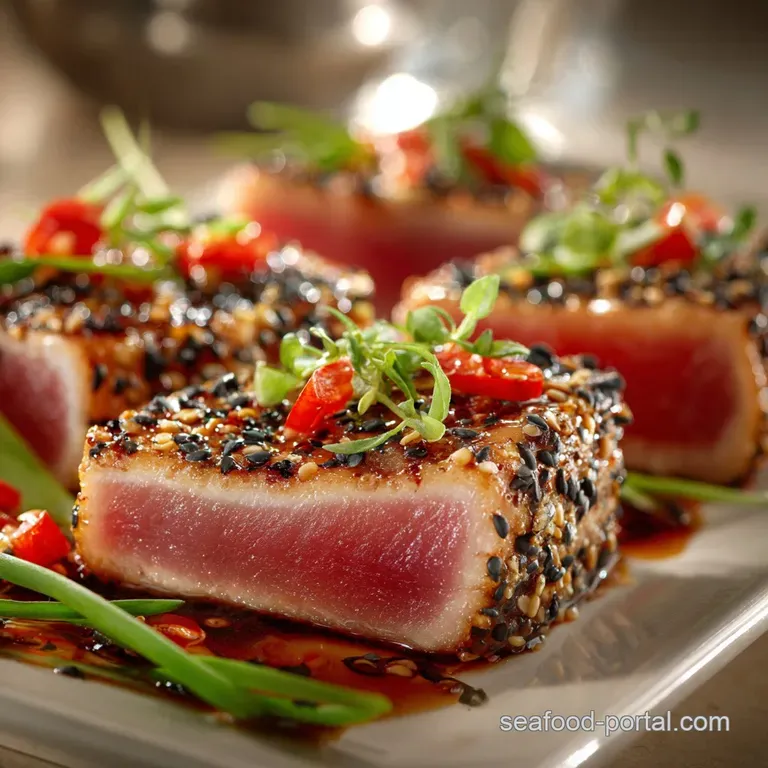
This method takes less than five minutes of actual cooking time. Don't be timid with the heat!
Brining and Drying the Steaks for Maximum Sear Potential
First, give your tuna steaks a serious pat-down with paper towels. You want them absolutely bone dry. Moisture prevents searing and encourages steaming. Then, lightly brush all surfaces with a small amount of soy sauce.
This adds a crucial layer of seasoning and helps the sesame seeds adhere without using eggs.
Applying the Sesame Coating Evenly and Securely
Pour your mixed sesame seeds onto a shallow plate. Place one tuna steak down, pressing firmly. Flip and press. Now, use your fingers to firmly press seeds onto the sides as well; you want a full 360 degree coat. Once coated, let them sit for two minutes while you heat your pan. This helps the coating bond securely.
Heat Control Secrets for a 60 Second Blast
Get that cast iron or stainless steel skillet over screaming high heat . Add the high smoke point oil and wait until it is shimmering and just starting to give off a wisp of smoke. This is when you know the pan is hot enough. Carefully place the tuna in the oil.
You should hear an aggressive, instant sizzle. Sear for 60 to 90 seconds per side, then quickly use tongs to sear the narrow edges for 10 15 seconds each. That’s it!
Chef's Note: If you want a rare centre, stick to 60 seconds per side. For medium rare (just a thin pink line), push it to 90 seconds. You need to be fast.
The Critical 5 Minute Rest and Glaze Application
Immediately remove the tuna from the pan do not leave it sitting in the residual heat! Place it on a clean cutting board. Resting is non-negotiable. If you slice immediately, all the moisture will bleed out onto the board, leaving your fish dry.
Rest for 3 to 5 minutes. Use a very sharp knife to slice against the grain into beautiful half inch medallions. Drizzle generously with your warm ginger soy glaze and serve immediately.
Troubleshooting the Sear: Expert Tips for Flawless Tuna Steaks
Why a Smoking Hot Pan is Your Best Friend
The biggest mistake people make with tuna steak recipes pan seared is using medium heat. Medium heat gradually heats the fish, cooking the interior before the crust can form. High heat is fast; it creates the crust before the internal temperature rises significantly.
Always preheat your pan for at least five full minutes.
Selecting the Right High Smoke Point Cooking Fat
I made this mistake once, using regular extra virgin olive oil because I was out of grapeseed oil. The low smoke point meant the oil burned and tasted bitter before the pan was hot enough for a proper sear. Use an oil like grapeseed, canola, or rice bran oil. These oils can handle the required high heat.
Visual Cues for Medium Rare (The White-to-Pink Ratio)
When you look at the cross section of the sliced tuna, the ideal ratio is about 80% cool, bright pink/red interior and 20% opaque white/grey crust around the edge. If the white layer is extending more than halfway in, you’ve gone too far.
If the tuna is completely grey, you have officially made an expensive can of cat food.
Handling Leftovers: Storage, Shelf Life, and Serving Seared Tuna Cold
How Long Does Cooked Tuna Steak Last?
Cooked and seared tuna steak, if stored correctly, will last for 2 to 3 days in an airtight container in the refrigerator. Make sure to cool it completely before sealing it away.
The Best (and Worst) Ways to Warm Up Tuna Steaks
You really shouldn't reheat seared tuna, full stop. Reheating completely obliterates the rare centre, turning it grey and dry. The magic of seared tuna is in the temperature gradient. The best way to enjoy leftovers is cold! Slice the cooled tuna steak and serve it over a salad, chopped into a quick Tuna Dip: The Classic British Pâté Ready in 10 Minutes Prep Time , or even diced up and used to stuff a homemade Tuna Onigiri: The Ultimate Umami Packed Japanese Snack .
Can You Freeze Cooked Tuna Steak?
While you technically can freeze cooked tuna, I strongly advise against it. The freezing and thawing process completely ruins the texture, making it mushy and dry simultaneously. If you must store it long term, keep the tuna frozen raw, then thaw and sear fresh when ready to eat.
Completing the Plate: The Best Sides and Sauces for Sesame Crusted Tuna
This elegant fish needs simple, complementary sides that don't steal the show. When making a tuna steak dinner , keep the flavours light and fresh.
- Asian Slaw: A simple blend of shredded cabbage, carrots, and spring onion, tossed with a light vinaigrette (sesame oil, rice vinegar, tiny bit of sweetener). The crunch is perfect against the soft tuna.
- Simple Rice: Steamed jasmine rice absorbs the ginger soy glaze beautifully. Don't overthink it.
- Quick Veggies: Quickly sautéed bok choy, green beans, or asparagus with a splash of garlic and soy are fantastic. Keep the cooking time fast so the veggies retain their crunch.
The brilliance of this particular seared tuna steak recipe is that the glaze does all the heavy lifting. Once you've mastered the sear, you have a foolproof, showstopping meal ready in minutes. Go forth and sear!
Recipe FAQs
How long should I sear the tuna to ensure it remains rare in the center?
For a perfect rare center, which is the signature of Ahi tuna steak, sear the tuna for 60 to 90 seconds per side over very high heat. This swift process creates a thin, crisp crust while keeping the core cool and vibrant pink.
Use a thermometer to confirm an internal temperature of around 115 120°F (46 49°C).
Why did my tuna steak turn out gray and dry?
This dryness almost always indicates overcooking, which is often the result of using heat that is too low or searing for too long. Ensure your pan is screaming hot before adding the tuna, and do not let the internal temperature exceed 130°F (54°C) for medium.
Tuna cooks quickly, so the process must be fast and decisive.
Can I use frozen tuna steaks for this recipe?
Yes, but ingredient quality is crucial; look for "sushi grade" frozen tuna if possible. Make sure the steaks are completely thawed overnight in the refrigerator before patting them thoroughly dry just before searing. Excess moisture is the enemy of a good sear and will make the sesame seeds fall off.
I have a hard time getting the sesame crust to stick. Any tips?
To maximize adherence, ensure the tuna steak is completely dry before lightly brushing it with a thin layer of oil or an egg white wash (the 'glue'). Immediately press the tuna firmly into the sesame seeds, making sure to coat all sides evenly. Do not let the seasoned tuna sit around before searing.
Can I prepare the ginger soy glaze ahead of time?
Absolutely, the ginger soy glaze can be prepared up to three days in advance and stored in an airtight container in the refrigerator. Reheat it gently on the stovetop or microwave just before serving to ensure it is warm and pourable over the fresh, sliced tuna. This step saves significant prep time.
How should I properly store and reheat leftover seared tuna?
Store leftover seared tuna in an airtight container in the refrigerator for up to two days, but be aware that reheating is not recommended. If reheated, the rare center will fully cook, making the fish dry and tough. It is best enjoyed cold the next day, sliced thinly over a salad or flaked into a wrap.
What is a good protein substitute if I cannot find high-quality Ahi tuna?
For a similar preparation style, you could substitute high-quality salmon steaks, which pair beautifully with the sesame crust and glaze, offering a richer, fattier alternative. Alternatively, swordfish steaks can be used, though they require a slightly longer cook time and should be cooked to medium (130-135°F) for food safety.
Seared Tuna Steak Glaze Recipe
Ingredients:
Instructions:
Nutrition Facts:
| Calories | 683 kcal |
|---|---|
| Protein | 56.7 g |
| Fat | 41.1 g |
| Carbs | 22.3 g |
