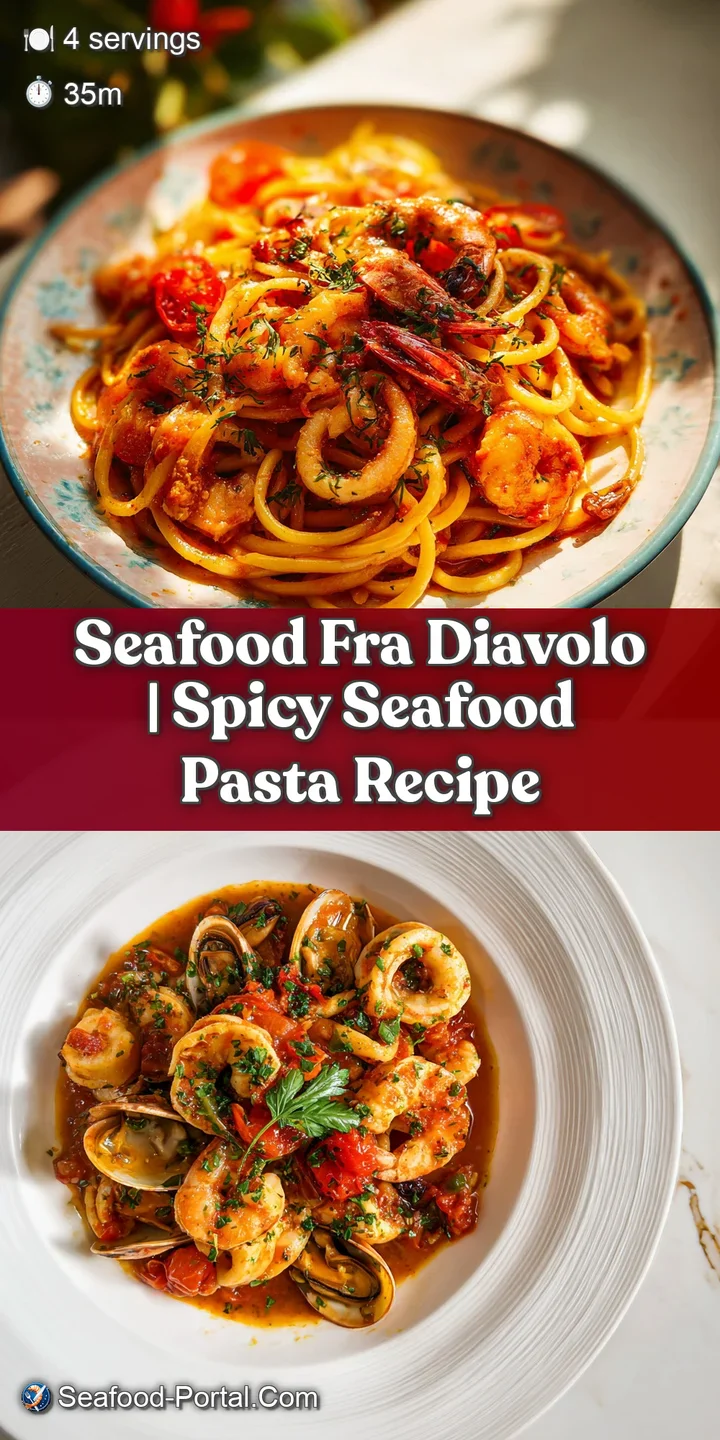
Seafood Fra Diavolo: Spicy Lobster and Linguine
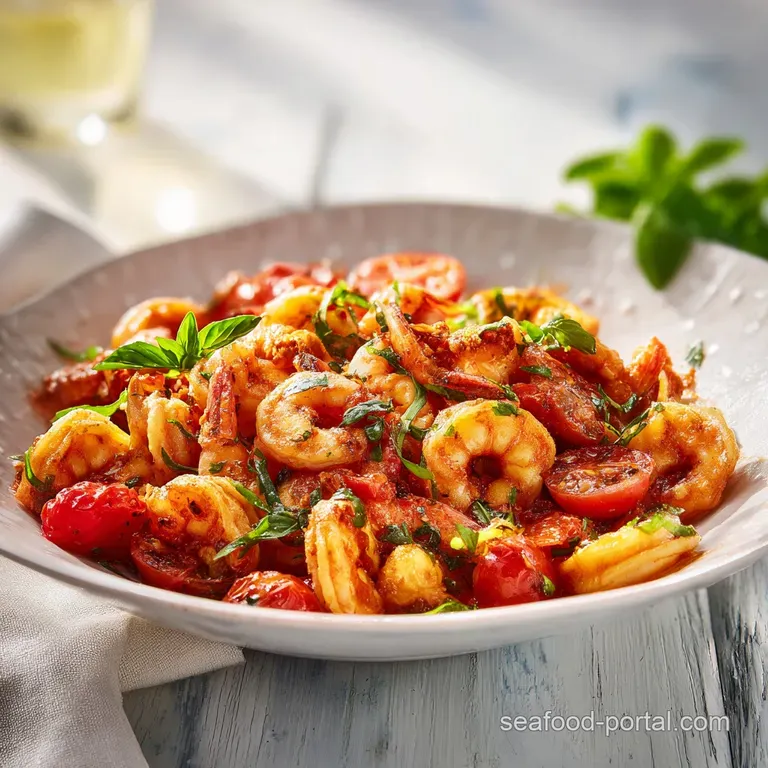
- Time: Active 15 minutes, Passive 20 minutes, Total 35 minutes
- Flavor/Texture Hook: Silky linguine with a fiery, garlicky kick and snappy shellfish
- Perfect for: Anniversary dinners, festive gatherings, or a luxurious weekend treat
- Create a Vibrant Spicy Seafood Fra Diavolo
- Understanding the Heat and Brine Balance
- Selecting the Finest Mediterranean Components
- Essential Tools for Seafood Success
- Bringing the Spicy Seafood Together
- Mastering Heat and Texture Control
- Adjusting for Crowds and Preferences
- Widespread Seafood Pasta Misconceptions
- Keeping the Ingredients Fresh
- Perfect Pairings for a Celebration
- Recipe FAQs
- 📝 Recipe Card
Create a Vibrant Spicy Seafood Fra Diavolo
The moment that 1.5 tablespoons of dried red pepper flakes hits the hot olive oil, the air in your kitchen transforms. It is a sharp, toasted aroma that lets everyone in the house know something special is happening.
I remember the first time I tried this at a small trattoria on the coast; the sauce was so bright it almost glowed, and the heat was enough to make your heart race without masking the sweetness of the lobster.
That is the magic of this dish it is bold, unapologetic, and feels like a total triumph despite being relatively quick to pull together.
You are going to love how the "fond" those little browned bits at the bottom of the pan builds a bridge between the ocean fresh seafood and the rich San Marzano tomatoes.
Most people think you need hours to develop a sauce this complex, but we are using high-quality ingredients and specific timing to get there in just 35 minutes. It is the kind of recipe that turns a standard Wednesday into a Mediterranean gathering, and honestly, the look on people's faces when you bring a steaming pan of lobster and clams to the table is worth every second of prep.
We are focusing on a "quick win" here. The payoff is a restaurant quality meal with deep, layered spice and perfectly cooked shellfish that snaps when you bite into it. We aren't just making dinner; we are creating a sensory experience that balances the brine of the sea with the fire of the "Devil’s" sauce.
Get your skillet ready, because this is going to be the most rewarding 20 minutes you spend at the stove this week.
Understanding the Heat and Brine Balance
Flavor Layering: Toasting the red pepper flakes and sliced garlic in oil for exactly 1 minute releases fat soluble capsaicin, creating a consistent heat throughout the sauce rather than random "hot spots."
The Deglazing Effect: Using 0.5 cup of dry white wine to scrape up the seafood fond dissolves caramelized proteins, which adds a savory, "fifth taste" depth that water or broth simply cannot provide.
Starch Integration: Finishing the linguine in the sauce for the final 2 minutes allows the pasta to absorb the spicy tomato liquid while the reserved pasta water emulsifies the olive oil into a silky coating.
Carryover Control: Searing the shrimp and lobster for only 1-2 minutes initially ensures they stay tender; they finish gently in the residual heat of the sauce to prevent that rubbery, overcooked texture.
| Servings | Seafood Adjustment | Pan Size Required | Total Cook Time |
|---|---|---|---|
| 2 People | 0.5 lb shrimp, 1 tail | 10 inch Skillet | 30 minutes |
| 4 People | 1 lb shrimp, 2 tails | 12 inch Skillet | 35 minutes |
| 6 People | 1.5 lb shrimp, 3 tails | 14 inch Skillet | 40 minutes |
| 8 People | 2 lb shrimp, 4 tails | Large Dutch Oven | 45 minutes |
Selecting the Finest Mediterranean Components
The success of a Seafood Fra Diavolo relies heavily on the quality of your base. I always reach for San Marzano tomatoes because their lower acidity and thick flesh create a velvety sauce that clings to the linguine without feeling watery.
When you are at the market, look for clams that are tightly shut; this is your first sign of freshness.
| Component | Science Role | Pro Secret |
|---|---|---|
| San Marzano Tomatoes | Provides the thick, low acid base for the sauce | Crush them by hand for a rustic, chunky texture |
| Red Pepper Flakes | Delivers the signature "Fra Diavolo" (Brother Devil) heat | Fry them in oil first to bloom the spice |
| Dry White Wine | Acts as an aromatic bridge between acid and fat | Use a crisp Pinot Grigio to mirror the seafood's brightness |
| Starchy Pasta Water | Binds the sauce to the noodles through emulsification | Add it slowly while tossing to achieve a glossy finish |
- 1 lb large shrimp: Look for 16/20 count for the best texture. Why this? They stay juicy during the two stage cooking process.
- Substitute: Scallops (sear for 90 seconds per side).
- 2 small lobster tails: Chopped into 1 inch chunks. Why this? Small chunks distribute the luxury flavor in every bite.
- Substitute: Langoustines or extra jumbo shrimp.
- 1 lb Manila clams: Scrubbed and de bearded. Why this? They release "liquor" that seasons the entire sauce naturally.
- Substitute: PEI Mussels (they cook even faster, about 3 minutes).
- 1 lb linguine pasta: The classic pairing. Why this? The flat surface area catches the herb flecked sauce perfectly.
- Substitute: Spaghetti or fettuccine.
- 28 oz crushed San Marzano tomatoes: The gold standard for Italian sauces. Why this? Naturally sweet, requiring very little added seasoning.
- Substitute: high-quality crushed plum tomatoes.
- 6 cloves garlic: Thinly sliced, not minced. Why this? Slices provide a mellow, toasted flavor without burning easily.
- Substitute: Garlic paste (use 2 tablespoons).
Essential Tools for Seafood Success
To get that perfect sear on your lobster and shrimp, a 12 inch heavy bottom skillet is non negotiable. I prefer stainless steel or cast iron because they hold heat beautifully, allowing the seafood to brown quickly without steaming in its own juices.
You will also need a large pot at least 6 quarts to give the linguine enough room to dance in the boiling salted water.
Don't forget a pair of sturdy kitchen tongs. You’ll be moving seafood in and out of the pan, and eventually tossing the heavy pasta into the sauce. A tight fitting lid for your skillet is also vital for the 5 minute window when we steam the clams; without it, the heat escapes and you’ll end up with unopened shells and overcooked sauce.
Chef's Tip: Pat your shrimp and lobster meat with paper towels until they are bone dry. Any moisture on the surface will create steam, preventing that beautiful golden fond from forming on the bottom of your pan.
Bringing the Spicy Seafood Together
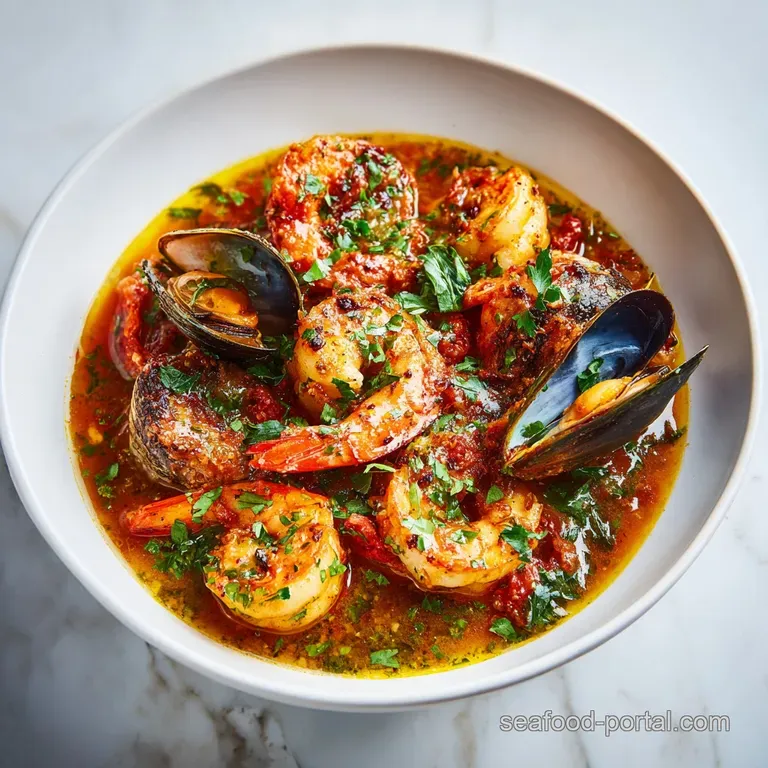
- Bring a large pot of heavily salted water to a rolling boil. In your 12 inch skillet, heat 2 tablespoons of olive oil over medium high heat until it shimmers and wisps of smoke appear.
- Add the patted dry shrimp and lobster chunks to the skillet. Sear for 1-2 minutes until the exteriors are opaque and a golden crust forms on the pan bottom. Remove the seafood immediately; it should still be slightly raw in the middle.
- Lower the heat to medium and add the remaining 1 tablespoon of olive oil. Drop in the sliced garlic and red pepper flakes, sautéing for 1 minute until the garlic turns a pale straw color and smells toasted.
- Pour in the 0.5 cup of white wine. Use a wooden spoon to scrape the bottom of the pan until the browned bits are fully incorporated into the liquid. Let it bubble and reduce by half.
- Pour in the crushed San Marzano tomatoes and stir in the fresh oregano. Bring the mixture to a gentle simmer.
- Place the scrubbed clams or mussels into the sauce. Cover the skillet tightly and cook for 5 minutes until the shells have popped wide open.
- While the shells steam, drop the linguine into the boiling water. Cook until it is 2 minutes shy of the package's al dente instructions. Reserve 1/2 cup of the cloudy pasta water.
- Using tongs, move the pasta directly into the skillet with the sauce and clams. Add a splash of the reserved water and toss vigorously.
- Return the seared shrimp and lobster to the pan. Toss for 60 seconds until the sauce thickens and the seafood is just cooked through.
- Remove from heat, stir in the fresh Italian parsley, and serve immediately in warm bowls.
Mastering Heat and Texture Control
One of the most common hurdles with this dish is managing the "Devil's" heat. If you find the spice level is becoming overwhelming, don't reach for water. Instead, a tiny pinch of sugar can help balance the capsaicin, or you can add a touch more olive oil to mellow the sting. If you're looking for another elegant seafood option that's a bit more refined and less fiery, my Classic Lobster Thermidor recipe is a fantastic alternative for special occasions.
Achieving the Perfect Seafood Texture
The biggest mistake is leaving the shrimp in the pan while the sauce simmers. Shrimp and lobster are incredibly delicate; they go from "shatteringly tender" to "rubbery" in less than a minute. By removing them after the initial sear, you protect their integrity.
They only need that final 60 second toss at the end to reach the perfect internal temperature without losing their snap.
Ensuring All Shellfish Open
Sometimes a stubborn clam just won't budge. This usually happens if the heat wasn't high enough under the lid. Give the pan a good shake while the lid is on to help distribute the steam.
If after 6 minutes a shell is still tightly shut, discard it immediately it's nature's way of telling you it wasn't fresh to begin with.
| Problem | Root Cause | Solution |
|---|---|---|
| Watery Sauce | Not enough reduction or no pasta water | Simmer longer and use the starchy water to emulsify |
| Rubbery Shrimp | Overcooked in the simmering sauce | Remove seafood after sear; only return for the final minute |
| Bitter Flavor | Garlic was browned or burned | Sauté garlic on lower heat and deglaze as soon as it's fragrant |
Common Mistakes Checklist
- ✓ Never skip the deglazing step; the wine is essential for lifting the savory fond.
- ✓ Avoid using "cooking wine"; if you wouldn't drink a glass of it, don't put it in your sauce.
- ✓ Don't overcrowd the skillet during the initial sear; work in batches if your pan is smaller than 12 inches.
- ✓ Always reserve your pasta water before draining; it is the secret to a sauce that actually sticks to the noodles.
- ✓ Ensure the clams are scrubbed clean to avoid a gritty, sandy texture in your vibrant sauce.
Adjusting for Crowds and Preferences
If you are cooking for a larger gathering, scaling this recipe is quite simple, though you must be mindful of the pan space. When doubling the recipe, I recommend using two separate skillets or a very large wide bottomed Dutch oven. For a lighter, more delicate approach to fish, you might enjoy my Easy Poached Cod which uses a similar lemon butter profile but without the intense heat of the "Devil’s" sauce.
When scaling up, only increase the red pepper flakes to 1.5x the original amount. Spice can become exponentially more intense in larger volumes, and it’s much easier to add more at the end than to try and tone down a fiery vat of sauce.
For the liquids, you can reduce the total volume by about 10% to ensure the sauce stays thick and doesn't turn into a soup.
| Method | Total Time | Texture Result | Best For |
|---|---|---|---|
| Classic Stovetop | 20 mins cook | Snappy seafood, al dente pasta | Traditionalists and quick dinners |
| Oven Finished | 30 mins cook | Softer, more integrated flavors | Large batches or "set it and forget it" |
| Slow Simmer | 45 mins cook | Deep, caramelized tomato base | Developing maximum umami depth |
Widespread Seafood Pasta Misconceptions
There is a long standing debate about whether cheese belongs on a seafood pasta like this one. In traditional Italian cooking, adding Pecorino or Parmesan to a dish with clams or lobster is often considered a mistake because the strong, salty cheese can mask the delicate sweetness of the ocean.
The truth is, the "Devil's" sauce is so flavorful on its own that it truly doesn't need the dairy. A drizzle of high-quality extra virgin olive oil at the end will provide all the richness you desire.
Another myth is that you need expensive lobster stock to make a great Fra Diavolo. While stock is nice, the combination of the seared seafood fond and the liquid released by the clams creates a natural "instant" stock that is incredibly fresh.
You aren't losing flavor by using wine and tomatoes; you are actually highlighting the ingredients you paid for.
Keeping the Ingredients Fresh
Storage: This dish is best enjoyed immediately because the seafood texture changes when reheated. However, if you have leftovers, they will stay safe in the fridge for up to 2 days in an airtight container. When reheating, do it very gently on the stovetop with a splash of water to loosen the sauce.
Freezing: I do not recommend freezing the finished pasta dish, as the linguine will become mushy and the seafood will turn tough. However, you can freeze the spicy tomato base (without the seafood) for up to 3 months.
Zero Waste: Never throw away those lobster shells! You can simmer them with some onion, celery, and a bit of water for 30 minutes to create a quick seafood stock. Freeze this liquid in ice cube trays to add a boost of flavor to your next risotto or soup.
Even the parsley stems can be finely chopped and sautéed with the garlic for extra herbal depth.
Perfect Pairings for a Celebration
When you're serving something as bold as this, the sides should be simple and functional. A thick loaf of crusty Italian bread or a toasted baguette is essential for mopping up every last drop of the spicy sauce.
For a salad, think crisp and refreshing a simple arugula salad with a lemon vinaigrette provides a beautiful acidic contrast to the rich lobster.
For wine, a chilled Vermentino or a dry Rosé works wonders. They have enough body to stand up to the red pepper flakes but won't compete with the acidity of the San Marzano tomatoes.
If you want to keep it non alcoholic, a sparkling water with a heavy squeeze of lime and a sprig of mint provides that same refreshing palate cleanser between spicy bites. Enjoy your meal it’s a true Mediterranean masterpiece!
Recipe FAQs
What is a seafood fra diavolo?
It is a bold Italian American dish featuring assorted shellfish simmered in a spicy tomato based sauce. The recipe relies on the sharp heat of red pepper flakes and the savory depth created by deglazing a 12 inch skillet with white wine.
What does fra diavolo mean in Italian?
It translates literally to "Brother Devil." The name refers to the intense, fiery kick provided by the generous amount of dried red pepper flakes in the sauce.
What is fra diavolo sauce made of?
The sauce consists of crushed San Marzano tomatoes, garlic, dried red pepper flakes, fresh oregano, and white wine. These components are balanced by the briny liquid released by the clams or mussels during the final stages of cooking.
Is fra diavolo just spicy marinara?
No, this is a common misconception. While both start with a tomato base, a proper fra diavolo requires the specific addition of seafood, white wine for deglazing, and a much higher concentration of red pepper flakes to achieve its signature heat.
How to ensure the pasta sauce sticks to the linguine?
Reserve 1/2 cup of starchy pasta water before draining your noodles. Adding a splash of this water when you transfer the pasta to the skillet emulsifies the sauce, ensuring it coats every strand perfectly. If you enjoyed mastering this starchy emulsion technique, see how we use a similar principle for a rich cheese sauce.
How to prevent the shrimp and lobster from becoming rubbery?
Sear the proteins for only 1-2 minutes until just opaque, then remove them from the heat immediately. Only return the seafood to the skillet for the final 60 seconds of cooking to warm them through without overcooking the delicate meat.
How to clean clams for the best texture?
Scrub the shells thoroughly under cold water and ensure they are properly de-bearded. Taking the time to remove all external grit ensures your final sauce maintains a smooth, vibrant texture rather than a sandy mouthfeel.
Seafood Fra Diavolo
Ingredients:
Instructions:
Nutrition Facts:
| Calories | 758 kcal |
|---|---|
| Protein | 54.8 g |
| Fat | 14.3 g |
| Carbs | 96.2 g |
| Fiber | 5.4 g |
| Sugar | 8.1 g |
| Sodium | 685 mg |
