Seafood Cornbread Dressing: the Coastal Comfort Showstopper
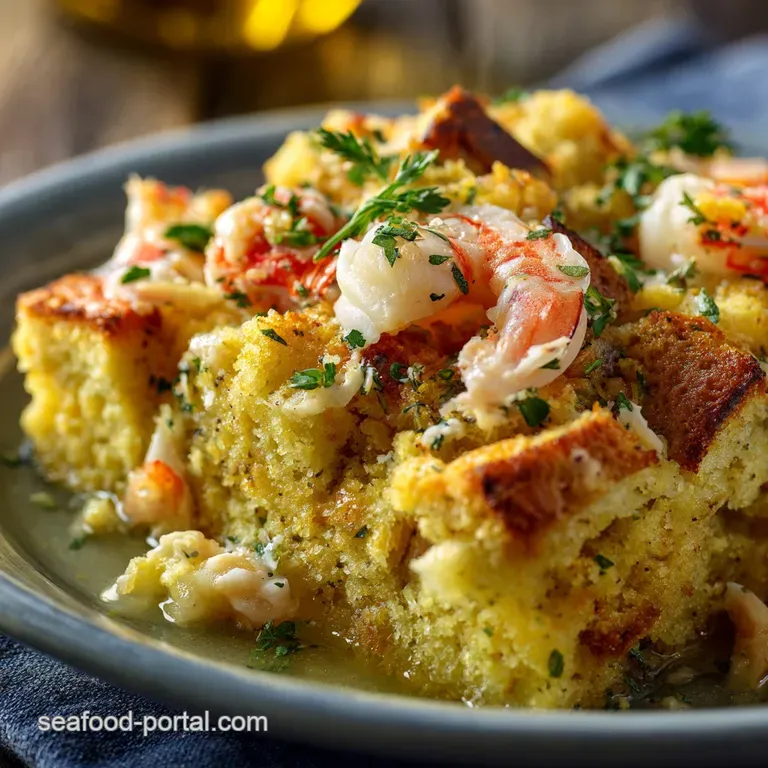
- The Bobby Dazzler: Coastal Comfort Seafood Cornbread Dressing
- The Science of Sensation: Why This Dressing is Perfectly Moist and Flavorful
- Coastal Ingredients List and Expert Substitution Guide
- Preparing Your Seafood Cornbread Dressing: Detailed Method
- Troubleshooting and Pro Tips for the Ultimate Dressing
- Make-Ahead Strategy: Storing and Freezing Your Coastal Dressing
- Perfect Pairings for The Bobby Dazzler Seafood Cornbread Dressing
- Recipe FAQs
- 📝 Recipe Card
The Bobby Dazzler: Coastal Comfort Seafood Cornbread Dressing
Okay, friend, stop what you are doing. I know you love that rich, savoury complexity that only a great Thanksgiving or holiday dressing can deliver, but sometimes the traditional versions feel a little… heavy, right? This Seafood Cornbread Dressing is the answer to your prayers.
It walks into the room, smells like a holiday at the coast, and immediately steals the show.
The aromas are insane; you get that buttery, nutty cornbread smell, immediately followed by the subtle, spicy kiss of Old Bay seasoning. The texture is the real winner: a crunchy, golden brown crust gives way to a creamy, flavour packed interior bursting with sweet shrimp and delicate crab meat.
Trust me, even people who claim they don’t like "stuffing" will be asking for seconds of this "Bobby Dazzler."
This isn't a hard recipe, but it requires patience and specific steps, especially concerning moisture control. Forget those dry, crumbly recipes you see everywhere; we are building a flavour base from scratch that guarantees maximum coastal comfort.
Let’s crack on and elevate your holiday table (or Tuesday night dinner I don't judge).
The Science of Sensation: Why This Dressing is Perfectly Moist and Flavorful
Southern Comfort Meets Coastal Cuisine: A Definition
What exactly makes this dish the "Bobby Dazzler?" It’s the perfect marriage of rich Southern tradition and vibrant coastal flavour. We stick to the classic Southern method of using a sturdy cornbread base, which is crucial for texture.
Then we infuse it with the best seafood lump crab and shrimp instead of relying on sage and sausage. This is how you make a Cajun Seafood Dressing feel sophisticated and entirely achievable in a home kitchen.
The Essential Elements of Proper Dressing vs. Stuffing
Let's clear this up quickly because someone always asks: dressing is cooked outside the bird in a casserole dish. Stuffing is cooked inside the bird. We are making dressing here, which is much safer and generally guarantees a better crust-to-interior ratio.
It’s also the reason why this Seafood Cornbread Dressing can stand entirely on its own as a side dish, unlike some wimpy stuffings.
The Role of Old Bay in Elevating Coastal Dishes
Old Bay is non-negotiable here. It’s the seasoning shortcut that gives us that immediate, deep, coastal Virginia/Maryland flavor profile without fussing with 15 different spices. The mix of celery salt, paprika, and peppers works beautifully with both the sweet crab and the buttery cornbread.
Do not skip the Old Bay; it defines the flavor.
Achieving the Ideal Moisture-to-Crust Ratio
The secret to avoiding the infamous "soggy bottom" or "dusty crumb" is twofold: starting with dry cornbread and measuring your liquid carefully. If your cornbread is freshly baked and still damp, it will dissolve into mush when you add the stock and cream.
We want the liquid to coat and slightly soften the crumbs, creating a rich binder, but never drown them.
Building the Base: Sautéing the Holy Trinity Aromatics
Every great Southern dressing or Cajun Seafood dressing starts with the Holy Trinity: onion, celery, and bell pepper. This mixture is sautéed slowly in butter until sweet and translucent.
This step shouldn't be rushed; developing this deep aromatic base prevents the final dressing from tasting flat, ensuring the vegetables are tender, not crunchy.
The Power of the Bread Binder: Why Cornbread is Superior Here
Cornbread provides a coarser, slightly denser crumb structure compared to standard white bread, meaning it holds its shape much better in the face of all that delicious broth and heavy cream.
If you use a simple boxed mix, like the popular Jiffy Mix , your base will still work, but remember to bake it and let it dry out significantly before crumbling it. Scratch made cornbread simply offers a more robust flavour foundation.
Chef's Note: I once tried making this with basic brioche and it collapsed into a sad, overly sweet, butter logged heap. Never again. Cornbread is the only way to go for this recipe!
Coastal Ingredients List and Expert Substitution Guide
Selecting the Star Seafood: Shrimp and Lump Crab Meat Notes
We are using both shrimp and crab for complexity. The shrimp adds texture and bite, while the lump crab provides that decadent, sweet flavour that defines a gourmet dressing. Always use fully picked lump crab meat.
Using pre-cooked, thawed shrimp is totally fine here, just make sure they are peeled and deveined before you roughly chop them.
DIY vs. store-bought Cornbread: Which Crumb Base is Best?
While I advocate for baking your cornbread fresh (use the recipe provided in the outline for best results), sometimes time is short. If you need a shortcut, a ready-made cornbread mix works just fine. Just ensure it's a plain, unsweetened Southern style cornbread. You should aim for about 8 cups of dried crumbs total.
Liquid Binder Choices: Broth, Cream, or Evaporated Milk?
The binding liquid needs to be rich and flavorful. We use a mix of seafood or poultry stock and heavy cream for maximum richness. If you need to lighten it up or prefer a tangier Louisiana style, evaporated milk works wonders.
Ingredient Adaptations for gluten-free Needs
If you need a gluten-free option, the path is straightforward: simply use a certified gluten-free flour blend for the 1/2 cup of flour required in the cornbread base. Ensure your cornmeal is also certified GF. The rest of the ingredients are naturally gluten-free.
| Ingredient | Viable Substitution | Why It Works |
|---|---|---|
| Lump Crab Meat | Crawfish Tails or Bay Scallops | Similar sweet profile, easy texture swap. |
| Buttermilk | Whole Milk + 1 Tbsp White Vinegar | Creates that necessary tang and richness for the cornbread. |
| Heavy Cream | Evaporated Milk or Cashew Cream | Provides necessary fat and creaminess for the binder. |
| Seafood Stock | Poultry Stock or Quality Vegetable Broth | Adds depth; poultry stock is the closest match if seafood stock is MIA. |
Preparing Your Seafood Cornbread Dressing: Detailed Method
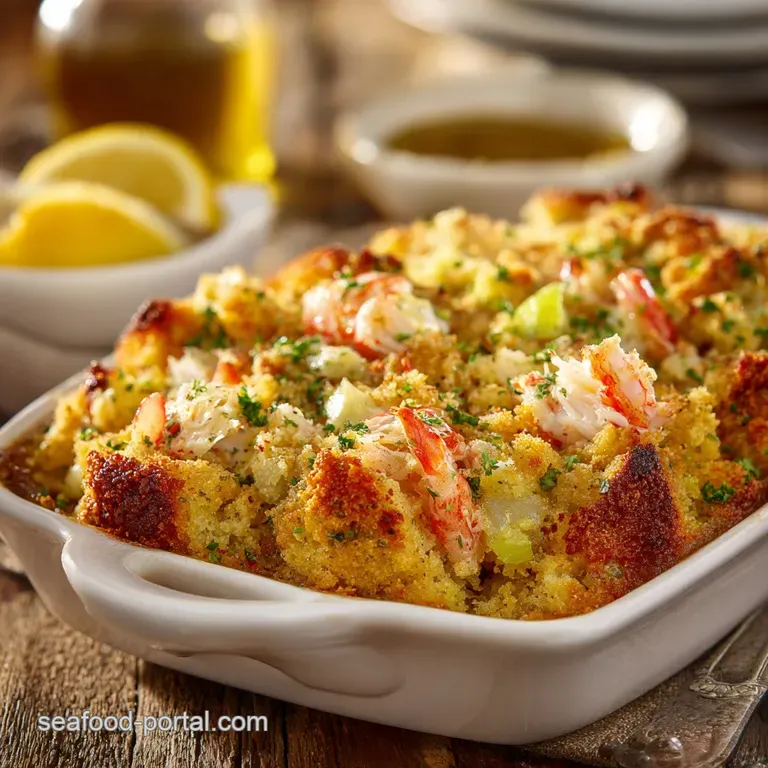
Step 1: Preparing and Seasoning the Seafood Mix
You need to chop the shrimp into bite sized pieces; this ensures you get seafood in every bite of the dressing. Before adding the shrimp to the sauté pan, give it a quick toss with 1/2 teaspoon of Old Bay. This ensures the flavour penetrates the meat immediately.
Remember, we are only partially cooking the shrimp here; they should just be turning pink before you turn off the heat.
Step 2: Combining the Aromatic Base with the Cornbread Crumble
Once your Holy Trinity (onion, celery, pepper) is soft and fragrant, and the shrimp is added, transfer the entire skillet mixture into your huge mixing bowl containing the cornbread crumbs. Now, gently fold in the delicate lump crab meat, parsley, and thyme. Do not stir vigorously!
We want those beautiful lumps of crab to remain intact.
Step 3: Achieving the Optimal Baking Consistency Before Transfer
This is the make-or-break moment. Whisk your eggs, stock, and cream together, then pour this binder slowly over the dry mixture. You must let it rest for 10 minutes after mixing.
This rest allows the cornbread to fully absorb the liquid, showing you if you need to add that extra splash of stock. The mixture should feel like thick oatmeal moist, but not runny.
Step 4: Baking Time, Internal Temperature, and Rest Requirements
Cover the dish tightly with foil for the first 30 minutes of baking. This traps steam and ensures the inside cooks through and remains moist. Remove the foil for the final 15– 20 minutes to develop that gorgeous, golden crust.
The target internal temperature is 165°F (74°C). If you cut into it immediately, it will fall apart; let it rest on the counter for 10 minutes before serving so it can set perfectly.
Troubleshooting and Pro Tips for the Ultimate Dressing
Preventing a Dry Dressing: Temperature and Broth Secrets
If your dressing comes out dry, 99% of the time, the culprit is insufficient liquid or over baking. Crucial Tip: Use room temperature stock and cream. Cold liquids inhibit proper absorption into the cornbread crumbs, leading to dry pockets.
If you notice your dressing seems unusually crumbly after resting for 10 minutes (Step 4), gently add 1/4 cup more warm stock before baking.
Handling Delicate Crab Meat: Gentle Stirring Techniques
Lump crab meat is expensive and delicate. If you stir it vigorously while incorporating it into the aromatic base, you’ll shred those beautiful lumps into mush. Treat it with respect! Fold it in with a rubber spatula, turning the mixture over gently just a few times until combined.
The "Crispy Top" Trick: Finishing Under the Broiler
If your dressing is cooked through but the top isn't as golden or crunchy as you’d like, try this trick. After the dressing registers 165°F, crank your oven to high broil. Place the dressing dish on the top rack for 1 to 2 minutes. Watch it like a hawk!
It will go from perfect to charcoal in seconds.
make-ahead Strategy: Storing and Freezing Your Coastal Dressing
Can I Prep the Dressing Ahead of Time?
Yes, absolutely. This is the best way to reduce stress before a big gathering. You can complete the entire assembly (Stage 3, Step 3) and transfer the unbaked Seafood Cornbread Dressing to the dish. Cover it tightly with plastic wrap and refrigerate it for up to 24 hours.
Add an extra 5 minutes to the initial covered baking time since the dish will be cold.
Safe Refrigeration and Reheating Guidelines
Baked Seafood Cornbread Dressing will keep beautifully in the refrigerator for 3 to 4 days. Store it in an airtight container. To reheat, scoop individual portions and microwave, or place the entire dish (covered with foil) in a 325°F (160°C) oven until warmed through, about 20- 30 minutes.
Freezing Raw vs. Baked Dressing for Long Term Storage
The dressing freezes well, but I prefer freezing it raw . Assemble the entire mixture in an aluminum casserole dish, cover it tightly with foil, and then wrap it again with plastic wrap. Freeze for up to 3 months.
Thaw it overnight in the fridge and then proceed with the baking instructions as written, adding about 10- 15 minutes to the total baking time.
Perfect Pairings for The Bobby Dazzler Seafood Cornbread Dressing
This dressing is rich, savory, and incredibly satisfying, meaning it needs pairings that offer brightness or acidity. I usually serve it alongside a simple roast turkey or ham, but if you want to double down on the coastal theme, that’s where things get really fun.
Try pairing this with a crisp lemon dressed green salad or a homemade cranberry orange relish. If you’re looking for other incredibly decadent, creamy seafood sides, you should definitely check out my recipe for Seafood Casserole Recipe: Ultimate Creamy Bake with Cheesy Crumb . And if you're a serious stuffing fanatic, don't miss the details on my ultimate crustacean side, Seafood dressing recipe: The Ultimate Crab Shrimp Thanksgiving Stuffing . They both complement the richness of this cornbread base perfectly.
Recipe FAQs
Why is my Seafood Cornbread Dressing dry or crumbly?
Dry dressing usually results from insufficient broth binder or over baking. Ensure the cornbread mixture is thoroughly saturated before baking it should look very moist but not soupy, absorbing the liquid like a sponge.
If you suspect it's drying out during the bake, loosely cover the dish with foil for the last 15 minutes.
Can I prepare the cornbread and seafood mixture ahead of time?
Yes, you can prepare the cornbread crumbs 1-2 days in advance; ensure they are completely cooled before storing in an airtight container. Because of the fresh seafood, it is best to mix the wet ingredients and the seafood no more than 12 hours before baking, storing the assembled dish covered in the refrigerator.
What other types of seafood can I use if shrimp and crab are unavailable?
Excellent substitutions include diced scallops, firm white fish like cod or snapper, or even finely chopped smoked oysters for a deeper flavor profile. Just ensure whatever seafood you choose is fully cooked and gently folded in so the delicate texture remains intact within the dressing.
How long can I store leftovers, and is freezing an option?
Store leftovers promptly in an airtight container in the refrigerator for up to 3 days, given the sensitive nature of the fresh seafood. While the dressing can be frozen for up to 3 months, be aware that the cornbread may become slightly mushy upon thawing and reheating due to the liquid content.
I don't have Old Bay seasoning. What is a good substitute?
You can create a very similar coastal flavor profile using a homemade mixture of paprika, celery salt, mustard powder, and a dash of cayenne pepper. This combination mimics the savory, slightly peppery kick that Old Bay provides to seafood dishes while adding necessary salinity.
Should I bake the dressing covered or uncovered?
Start by baking the dressing uncovered for the first 30 minutes to develop a crisp, golden brown crust on top, which is essential for texture. If the crust starts browning too quickly, cover it loosely with aluminum foil for the remainder of the baking time to ensure the center cooks through evenly without drying out.
How can I make this dressing gluten-free or dairy-free for dietary needs?
To make it gluten-free, substitute a certified gluten-free cornbread mix, ensuring the crumbs are dried out properly before mixing. For a dairy-free version, use a plant based milk (like oat or almond) and substitute butter with a high-quality plant based butter alternative or olive oil when sautéing the aromatic vegetables.
Seafood Cornbread Dressing Recipe
Ingredients:
Instructions:
Nutrition Facts:
| Calories | 804 kcal |
|---|---|
| Protein | 34.5 g |
| Fat | 50.4 g |
| Carbs | 48.7 g |
