Tuna Casserole: the Ultimate Scratch-Made Recipe (No Canned Soup!)
- The Great British Comfort: Why Scratch-Made Tuna Noodle Casserole Wins
- The Culinary Science Behind Our Elevated Tuna Casserole
- Essential Ingredients for the Perfect Scratch-Made Sauce and Topping
- Building the Béchamel: Step-by-Step Instructions for Your Creamy Tuna Casserole
- Expert Tips: Troubleshooting the Roux and Avoiding a Grainy Sauce
- Make-Ahead & Storage Guide for Tuna Casserole
- The Proper Accoutrements: What to Serve Alongside Tuna Noodle Casserole
- Recipe FAQs
- 📝 Recipe Card
The Great British Comfort: Why Scratch Made Tuna Noodle Casserole Wins
Can we talk about the sheer magic of something bubbling away in the oven? That rich, savoury, cheesy steam hitting you when you finally pull the dish out is pure comfort. This Scratch Made tuna noodle casserole is exactly that, but so much better than the stuff we ate as kids.
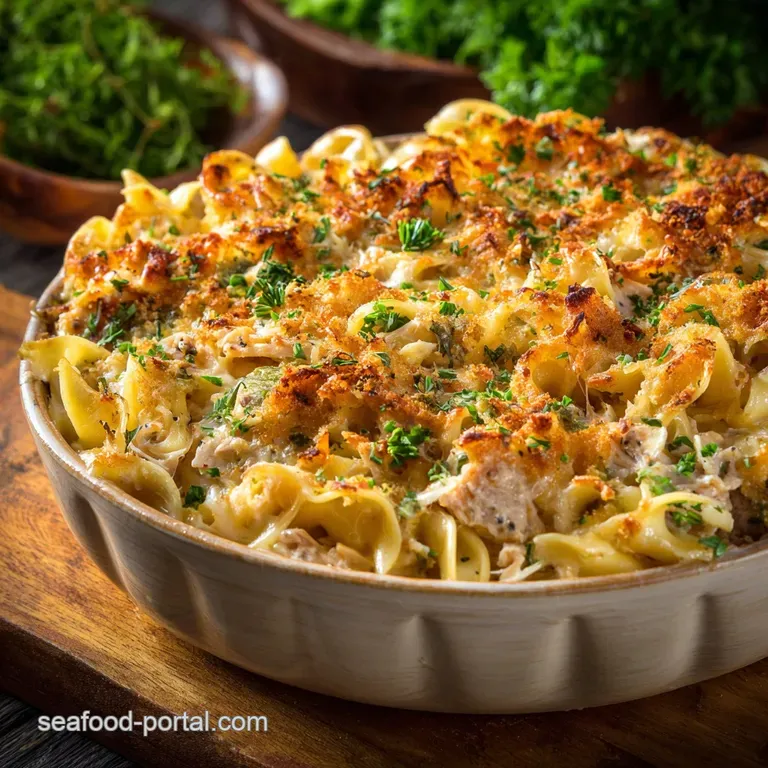
It’s got a luxurious, silky sauce that clings perfectly to every noodle, topped with a crisp, golden crown.
This isn't just a recipe; it's a budget lifesaver. When the pantry looks bare and the budget feels tight, two cans of tuna and a bag of pasta suddenly become dinner for the entire family. It's truly easy, genuinely cheap, and somehow manages to feel like a huge culinary hug after a brutal day.
We are leaving that notorious can of condensed soup in the past where it belongs. Trust me, making a classic cream sauce from butter, flour, and milk only adds about five minutes to your prep time, but it boosts the flavour by about 500 percent.
Let’s crack on and elevate this tuna dinners staple into a proper, elegant classic.
The Culinary Science Behind Our Elevated Tuna Casserole
Ditching the Can: The Magic of a Homemade Cream Sauce
Why bother with a roux? Because the canned stuff is sticky, overly salty, and never truly creamy. We want a velvety, flowing sauce, not something that tastes vaguely metallic. Building a homemade cream sauce allows you to control the seasoning, the tang (hello, Dijon!), and the quality of the cheese.
The Nostalgia Factor: Reclaiming a Classic Dish
Everyone has a memory tied to tuna casserole, right? Mine involves my gran always complaining that the topping was soggy. I spent years trying to figure out how to keep it crisp. The secret, as you’ll see, is Panko and a quick bake!
It’s all about taking these simple, comforting recipes and giving them the respect they deserve.
What Makes This Recipe Easy/Medium?
This recipe falls squarely into the Easy/Medium category because of the Béchamel sauce. While the overall process is quick and simple, a good roux requires attention and steady whisking.
Don’t panic if you can melt butter and stir, you can handle this, but it’s definitely the stage where you need to stand and pay attention.
The Essential Role of the Golden Roux
The roux is just melted butter mixed with flour. Easy enough, right? The crucial step is cooking it until it is blonde about two minutes, smelling slightly nutty, before adding the milk.
This step is absolutely essential because it cooks out the raw, pasty flavour of the flour, making the resulting sauce taste smooth and savoury instead of heavy.
Why Cheeses Melt Better in a Béchamel
When you try to melt cheese directly into boiling milk or water, it often clumps and separates. But the Béchamel sauce our foundation is essentially an emulsion. The fat from the butter and the starch from the flour create a stable environment that welcomes the cheese.
When you fold in the shredded sharp cheddar off the heat, it melts seamlessly into a beautiful Mornay sauce that is incredibly creamy.
Balancing the Umami: Tapping the Flavour of Tinned Tuna
Tuna provides powerful, deep umami flavour, but it can be overwhelming if not managed. This is why we add a little Dijon mustard and that classic dash of nutmeg; these counter flavourings brighten the dish and stop the tuna casserole ingredients from tasting flat or overwhelmingly fishy.
Choosing the right canned tuna is everything, too.
Essential Ingredients for the Perfect Scratch Made Sauce and Topping
Choosing the Right Tinned Tuna (Oil vs. Water)
I am opinionated about tinned tuna. If your budget allows, go for tuna packed in olive oil. It brings extra richness and depth to the final casserole that brine just can't match. If you go for water packed tuna, make sure you drain it really well so you don't water down our beautiful Béchamel.
I often drain the oil and then use a fork to flake the tuna further. It’s the star of our canned tuna recipes , so treat it right!
Noodle Selection: The Best Shape for Holding Sauce
We are using wide egg noodles, and there is a good reason for this. Their broad, flat, wavy surface area is magnificent for cradling the thick, cheesy sauce. They hold the sauce better than penne or spaghetti, ensuring every forkful is perfectly coated and satisfying. They are the classic choice for a reason.
Key Substitutions for Dairy and Gluten
Cooking should be flexible, always. Don't stress if you're missing an ingredient or need to cater to an intolerance. Here are some simple swaps for this tuna casserole recipe easy method:
| Ingredient | Viable Substitution | Notes |
|---|---|---|
| Whole Milk | Evaporated Milk or Half and Half | Evaporated milk makes it intensely rich and thick. |
| All-Purpose Flour | gluten-free Flour Blend | Use cup-for-cup; sometimes requires slightly more whisking. |
| Sharp Cheddar | Gruyère or Colby Jack | Gruyère is incredible, adding an extra savoury, nutty punch. |
| Wide Egg Noodles | Rotini or Medium Shells | Choose any pasta with plenty of ridges or scoops. |
Achieving the Ultimate Crunchy Topping
You need Panko. Period. Regular breadcrumbs turn into mush in the heat and moisture of the casserole. Panko breadcrumbs are light, airy, and shatteringly crisp, providing that necessary textural contrast. Combine them with melted butter and Parmesan, and you have a bulletproof golden crust.
Chef's Note: For an extra layer of flavour in your crunchy topping, sauté the Panko mixture in a dry pan for 2 minutes before topping the casserole. It locks in the crunch even before baking!
Building the Béchamel: step-by-step Instructions for Your Creamy Tuna Casserole
Stage 1: Prepping the Pasta and Pantry
First things first, preheat your oven to 375°F (190°C) and grease your 9x13 dish. Get that water boiling hard with lots of salt it should taste like the sea! Cook the wide egg noodles only until al dente , maybe six minutes, because they will continue cooking in the oven, and we hate mushy pasta.
Drain the pasta and set it aside immediately.
Stage 2: Mastering the Roux Base and Sauce
In your saucepan, melt the small amount of butter and gently sauté the finely diced celery and onion until they are translucent and lovely. Add the garlic and cook until fragrant, about 60 seconds. Remove those flavour boosters and set them with the pasta.
Now, in the same pan, melt the remaining butter, whisk in the flour, and stir constantly for two minutes to make that golden roux. Slowly, in stages, whisk in the warmed milk this is your Béchamel. Once thick and creamy, take it off the heat and stir in the Dijon and your seasonings.
Finally, fold in the shredded cheese until it is totally melted, smooth, and perfect.
Stage 3: Folding, Topping, and Baking to Golden Perfection
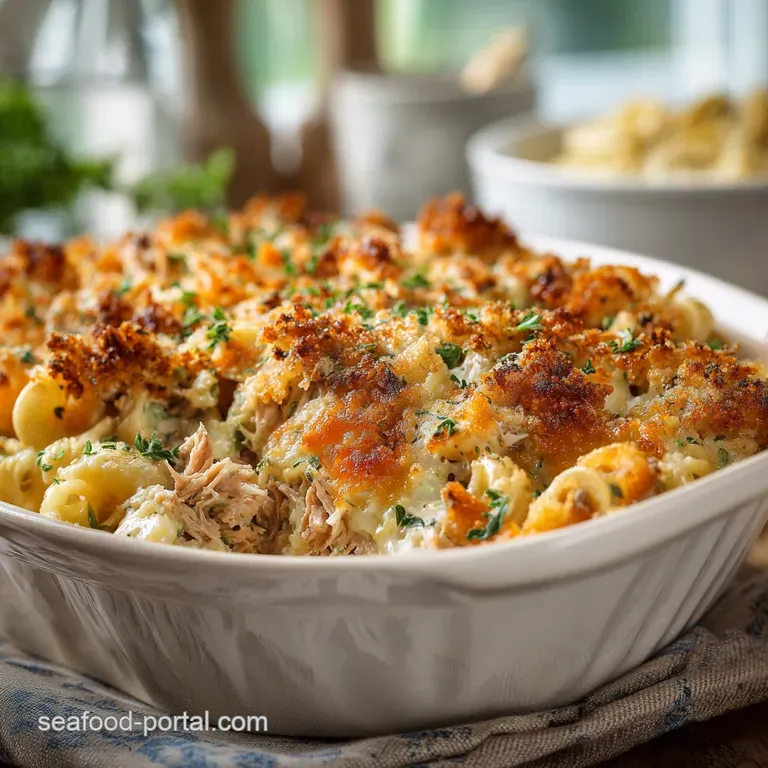
Now for the fun part! Gently fold the cooked noodles, the sautéed aromatics, the frozen peas, and the flaked tuna into the cheese sauce. Transfer everything to your prepared casserole dish. Mix the Panko, Parmesan, and melted butter together and shower the top of the casserole evenly.
Bake for 25 to 30 minutes until the edges are wildly bubbling and the Panko is a beautiful shade of toasted gold.
Expert Tips: Troubleshooting the Roux and Avoiding a Grainy Sauce
How to Correct a Lumpy Sauce
Did you get distracted and now your Béchamel looks like oatmeal? Don't toss it! Take the pan off the heat, add a splash of cold milk, and whisk like your life depends on it. If it’s still too lumpy, you can pour the entire mixture through a fine mesh sieve into a clean bowl; it saves the sauce every time.
Preventing a Dry Casserole After Baking
The biggest sin in tuna casserole is dryness. The key is to slightly under cook the sauce before baking. It should feel almost too loose when you pour it into the dish.
If your sauce is already very thick when you combine the ingredients, stir in an extra splash of whole milk (1/4 cup) before adding the tuna and baking.
Ensuring the Topping Stays Crisp, Not Soggy
Besides using Panko, the best trick is to check the oven temperature. If the oven is too cool, the topping will steam rather than crisp. Ensure your oven is fully preheated, and if you notice the casserole browning too quickly before it bubbles, lower the temperature slightly for the last 10 minutes.
make-ahead & Storage Guide for Tuna Casserole
Safely Storing Leftovers in the Fridge
Leftovers are the best part of tuna dinners ! Store cooled casserole in an airtight container in the fridge for up to 3 days. Past that, the tuna flavour tends to become a bit aggressive, and the noodles start to soften too much.
Best Practices for Freezing (Baked vs. Unbaked)
You absolutely can freeze this. I recommend freezing it unbaked . Assemble the casserole completely, skip the baking step, cover it tightly with foil, and freeze for up to 2 months.
Thaw overnight in the fridge before baking as directed (you might need to add 10- 15 minutes to the total baking time since it’s starting cold).
Reheating Tips for a Creamy Result
To reheat a single portion, the microwave is fine, but it can dry out the edges. My preferred method is to place the portion in a small, oven safe dish, cover it loosely with foil, and warm it in a 300°F (150°C) oven until heated through, about 15 minutes.
If it looks dry, spoon a teaspoon of milk over the top before reheating.
The Proper Accoutrements: What to Serve Alongside Tuna Noodle Casserole
Because this casserole is rich, creamy, and carb heavy, we need something bright and acidic to cut through all that dairy goodness.
A big, simple green salad tossed in a sharp vinaigrette is non-negotiable. Think baby spinach, thinly sliced red onion, and a lemon heavy dressing. If you’re really into simple comfort, a crisp side of steamed green beans or roasted asparagus, finished with fresh lemon juice and sea salt, provides great contrast.
If you happen to have any extra cans of tuna waiting, maybe for another day when you’re not feeling quite so cheesy, you might want to check out my recipe for Mediterranean Tuna Salad: Healthy, No-Mayo Recipe for Lunch . It’s a completely different vibe fresh, zesty, and perfect for lunch the next day!
Recipe FAQs
Why did my casserole turn out dry, even though I used a scratch sauce?
Dryness often occurs because the pasta continues to absorb liquid while the casserole bakes in the oven. Ensure your sauce is slightly thinner than desired before combining it with the noodles and avoid over baking past the point when the topping is golden.
If it looks dry halfway through, you can drizzle a tablespoon of milk or cream over the top before finishing.
Can I prepare this casserole ahead of time?
Yes, you can assemble the entire casserole, excluding the crunchy topping, up to 24 hours in advance. Cover it tightly and refrigerate; however, be aware that you must add an extra 10-15 minutes to the baking time since it will be chilled through.
Always add the topping right before baking to maintain its optimal crispness.
How do I prevent my scratch made cheese sauce (roux) from becoming lumpy?
Lumps usually form when cold milk hits a hot roux too quickly, or if the liquid isn't whisked continuously during the thickening process. Always start by warming your milk slightly before adding it, and pour it in gradually while whisking vigorously from the center outward.
If lumps persist, you can strain the finished sauce through a fine mesh sieve before mixing in the other casserole ingredients.
Is it safe to freeze Tuna Casserole?
Tuna casserole freezes quite well, particularly if the base sauce is thick and rich, minimizing ice crystal formation. Assemble and freeze the casserole without the topping, then ensure you thaw it fully in the refrigerator before baking.
Adding about 20 minutes to the total baking time will compensate for the freezing process.
What is the best type of pasta to use besides traditional egg noodles?
The best substitutes are shapes that cup and hold the creamy sauce well, such as medium shells, rotini, or macaroni. Crucially, regardless of the shape you choose, make sure to cook the pasta slightly under al dente before mixing it into the sauce.
This prevents the pasta from turning mushy after its second cook in the oven.
Should I use tuna packed in oil or water for this recipe?
Tuna packed in water is generally preferred as it results in a cleaner, less heavy flavor profile that blends easily with the dairy based sauce. If you opt for oil-packed tuna, drain it very thoroughly before adding it to the mixture. This step prevents the finished casserole from having an oily texture.
What are some good variations for the crunchy topping?
Traditional options include crushed potato chips or seasoned breadcrumbs tossed with melted butter for enhanced flavour and texture. For a more sophisticated crunch, try using panko breadcrumbs mixed with grated Parmesan cheese and a pinch of paprika. Alternatively, crushed Ritz crackers provide a rich, buttery finish.
Scratch Made Tuna Noodle Casserole

Ingredients:
Instructions:
Nutrition Facts:
| Calories | 440 kcal |
|---|---|
| Fat | 21 g |
| Fiber | 3 g |
