Savory Crab Brulee: a Silky Seafood Appetizer
- Time: Active 15 minutes, Passive 25 minutes, Total 40 minutes
- Flavor/Texture Hook: Silky, savory custard with a glass like shattering sugar topping
- Perfect for: Impressive dinner parties, holiday appetizers, or a gourmet date night at home
- Mastering This Elegant Crab Brulee Recipe
- Why This Savory Custard Works
- Deep Dive Into Ingredients
- Tools You Will Actually Need
- Steps to Silky Perfection
- Fixing Common Custard Issues
- Smart Substitutions and Variations
- Storage and Reheating Advice
- Best Ways to Serve This
- Kitchen Myths Debunked
- Recipe FAQs
- 📝 Recipe Card
Mastering This Elegant Crab Brulee Recipe
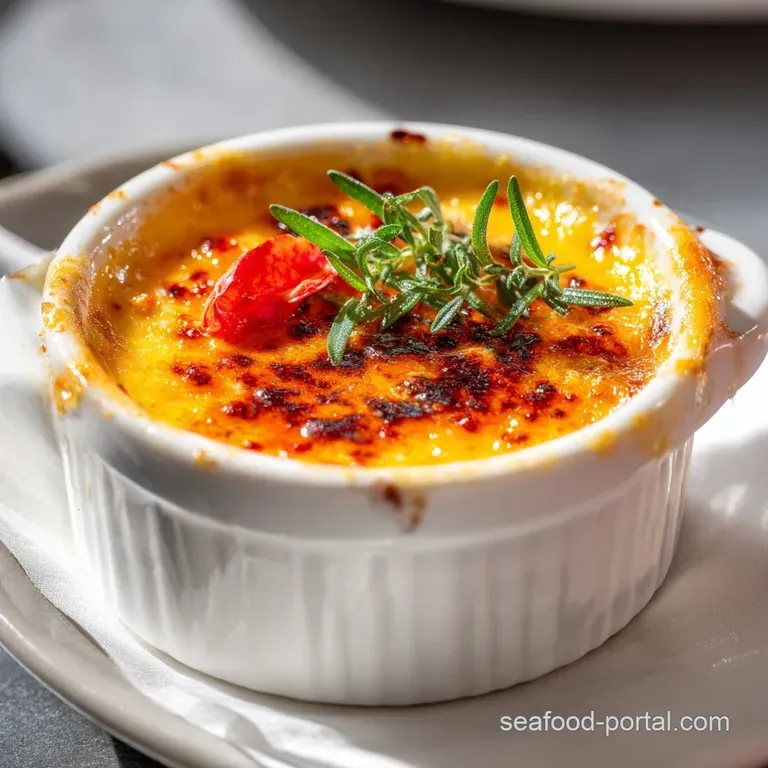
The first time I torched a savory custard, I held my breath. That sharp, blue flame danced over the surface of the sugar, turning it from white crystals into a bubbling, amber liquid that smelled like toasted caramel and sea air. It's a sensory rush that never gets old.
When you tap that surface with the back of a spoon and hear that distinctive "crack" followed by the sight of tender, sweet crab meat hiding underneath, you know you've made something truly special. This isn't just an appetizer, it's an experience that hits every single taste bud at once.
We are talking about a serious contrast of temperatures and textures here. You have the cold or room temperature custard meeting the warm, freshly charred sugar. You have the soft, flaky chunks of lump crab meat swimming in a pool of nutmeg infused cream.
It sounds like a lot, but it's actually incredibly simple to pull off once you understand how to treat the eggs with a little respect. Honestly, I used to be intimidated by anything involving a water bath, but it's the most forgiving way to cook.
You might think that sugar and crab don't belong together, but trust me on this one. The sugar isn't there to make it a dessert. Instead, it acts like a smoky, crunchy "glass" that highlights the richness of the seafood.
It's very similar to how a honey glaze works on a ham or how a balsamic reduction works on strawberries. This crab brulee recipe is designed to be accessible for any home cook who wants to step up their game without spending five hours in the kitchen.
Why This Savory Custard Works
Creating a successful savory brulee comes down to managing the proteins in the egg yolks and the fat in the cream. If we just threw everything in the oven, we'd end up with a rubbery mess that looks more like scrambled eggs than a gourmet starter. Here is the science behind why this specific method works so well:
- Tempering Technique: By slowly drizzling the hot cream into the cold yolks, we raise the temperature of the eggs gradually. This prevents them from curdling or "cooking" instantly, which ensures the final texture stays silky and uniform.
- Water Bath Insulation: The boiling water surrounding the ramekins acts as a buffer. It keeps the temperature around the custard at a steady 212°F, preventing the edges from overcooking before the center has a chance to set.
- Fat to Protein Ratio: Using heavy cream with at least 36% milkfat provides enough structure to hold the lump crab in suspension. Without this high fat content, the liquid would separate and become watery during the baking process.
- Aromatic Infusion: Steeping the shallots and nutmeg directly in the cream allows the fat molecules to trap those flavors. This creates a deep, rounded savory base that tastes much more complex than if you just stirred the spices in at the end.
| Method | Cook Time | Final Texture | Best For |
|---|---|---|---|
| Individual Ramekins | 25 minutes | Ultra velvety edges | Elegant dinner parties |
| Large Shallow Dish | 35 minutes | Denser, spreadable | Casual family style |
| Miniature Espresso Cups | 15 minutes | Soft and delicate | Passed appetizers |
While most people think of brulee as a sweet treat, the savory version relies heavily on the quality of your seafood. If you've ever made my lump crab cakes with remoulade, you know that keeping those crab chunks intact is the secret to a great mouthfeel. In this recipe, we do the same, folding the meat in gently so every bite has a substantial piece of crab.
Deep Dive Into Ingredients
Before you head to the store, let's talk about what makes these ingredients tick. Since we only have a handful of components, each one needs to be top tier. Don't even bother with the canned, shelf stable crab meat for this. You want the refrigerated lump crab meat that comes in a plastic tub.
It’s the difference between a "good" dish and one that people will still be talking about next Thanksgiving.
| Component | Science Role | Pro Secret |
|---|---|---|
| Heavy Cream | Provides the lipid structure for the custard. | Use cream that has not been ultra pasteurized for a cleaner flavor. |
| Egg Yolks | Act as the emulsifier and thickening agent. | Ensure they are at room temperature to prevent the cream from cooling too fast. |
| Lump Crab | Adds texture and sweet, briny protein. | Drain it well on a paper towel so excess liquid doesn't thin the custard. |
| Granulated Sugar | Creates the Maillard style brittle crust. | Sift the sugar onto the custard for a perfectly even, thin layer. |
For the aromatics, I always reach for white pepper instead of black. It has a more subtle, fermented heat that blends into the cream without leaving little black specks everywhere. It keeps the look of the custard clean and professional. The nutmeg is also non negotiable.
It’s that "secret" ingredient that people can’t quite place but makes the whole thing feel warm and inviting.
- 8 oz lump crab meat: The star of the show. Check for shells!
- Substitute: Chopped cooked shrimp or lobster meat.
- Why this? Lump crab provides the best texture without being too stringy.
- 2 cups heavy cream (36% milkfat): Provides the rich, velvety base.
- Substitute: Half and half (though it will be significantly less rich).
- Why this? High fat prevents the custard from breaking under heat.
- 5 large egg yolks: This is your thickener.
- Substitute: 4 yolks and 1 whole egg (yields a firmer, less creamy set).
- Why this? Yolks provide a luxurious mouthfeel that whites lack.
- 1 small shallot, minced: Adds a subtle, sweet onion flavor.
- Substitute: The white parts of green onions.
- Why this? Shallots dissolve better into the cream than standard onions.
- 1/4 tsp nutmeg, freshly grated: Adds a classic savory depth.
- Substitute: A pinch of mace.
- Why this? Fresh nutmeg is more potent and aromatic than pre ground.
Tools You Will Actually Need
You don't need a professional kitchen to make a world class brulee, but you do need two specific things: a kitchen torch and a roasting pan. I’ve tried the "broiler method" for the sugar crust, and honestly, it’s a disaster waiting to happen.
The broiler heats the whole dish, which melts your beautiful custard into a soup before the sugar even thinks about caramelizing. A torch provides targeted heat that leaves the custard cold while the sugar turns into glass.
A set of 4 to 6 ounce ramekins is ideal here. Shallow ones are better than deep ones because you get a higher ratio of crunchy sugar to creamy custard. If you don't have a roasting pan, any deep baking dish will work, as long as it can hold about two inches of water without spilling.
I also highly recommend a fine mesh sieve. Straining the cream after steeping the shallots is the only way to ensure that "velvety" texture we are aiming for.
Steps to Silky Perfection
- Infuse the cream. Combine heavy cream, minced shallots, white pepper, and nutmeg in a small saucepan over medium heat. Bring it to a bare simmer look for small bubbles around the edges then pull it off the heat.
- Steep and strain. Let the cream sit for 5 minutes to soak up those shallot oils. Strain it through a fine mesh sieve into a bowl, tossing the leftover shallot bits. Note: This ensures your custard is perfectly smooth.
- Whisk the yolks. In a medium bowl, whisk your 5 egg yolks with the kosher salt until they look pale and slightly thickened. You'll see the color change from bright orange to a soft yellow.
- Temper the mixture. Very slowly drizzle the warm cream into the yolks, whisking the whole time. If you go too fast, you'll end up with scrambled eggs.
- Add the seafood. Fold in the lump crab meat, lemon juice, and minced chives using a spatula. Work gently to keep the crab chunks from breaking apart.
- Prepare the bath. Preheat your oven to 300°F (150°C). Place your ramekins in a roasting pan and divide the mixture evenly among them.
- Add water and bake. Carefully pour boiling water into the roasting pan until it reaches halfway up the sides of the ramekins. Bake for 20 to 25 minutes until the edges are set but the centers still jiggle slightly when shaken.
- Chill and torch. Remove the ramekins and let them cool. Just before serving, sprinkle an even layer of granulated sugar and a pinch of smoked sea salt over each one.
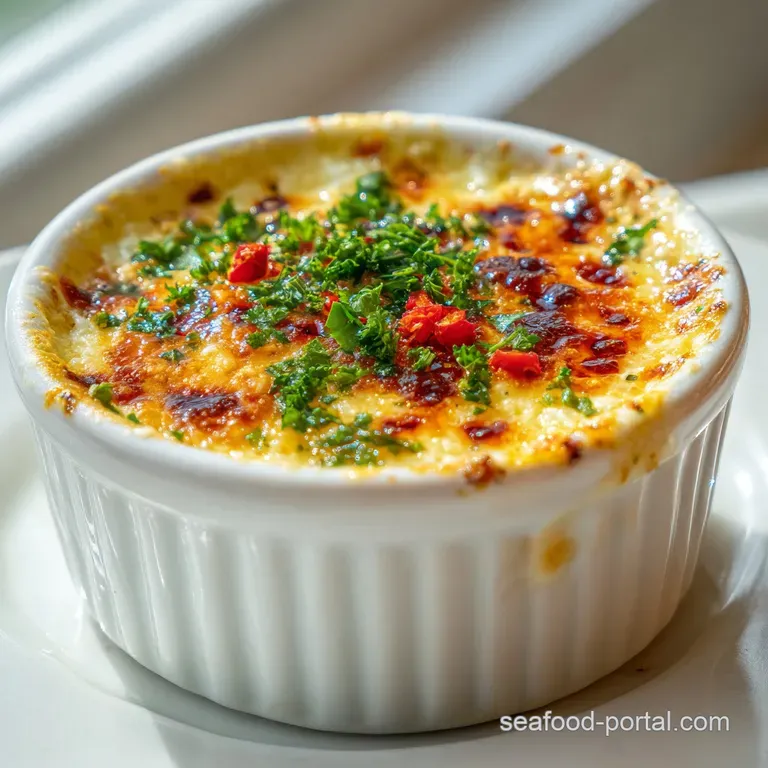
- Caramelize the top. Use your kitchen torch to melt the sugar. Wait for the sugar to turn a deep amber and start bubbling violently. Let it sit for 2 minutes to harden before serving.
Fixing Common Custard Issues
Custards can be a bit temperamental, but they usually give you warning signs before they go completely wrong. The most common issue I see is a "weepy" custard, where a layer of water forms at the bottom. This usually happens because the oven was too hot or you overbaked it.
If you see the custard starting to rise or "souffle" in the oven, pull it out immediately! It’s getting too hot.
Why Your Custard Is Grainy
If your brulee feels gritty on the tongue, it’s likely because the eggs curdled during the tempering process or the oven temperature fluctuated too much. Always use a thermometer to check your oven's accuracy.
If it's too late and the mixture is already grainy, you can sometimes save it by running the raw mixture through a sieve one more time before baking, though it won't be as perfect as a properly tempered batch.
| Problem | Root Cause | Solution |
|---|---|---|
| Custard is runny | Underbaked or ratio of yolks to cream is off. | Bake 5 mins longer or ensure you used large yolks. |
| Sugar won't harden | Layer is too thick or torch is too close. | Use a thinner sugar layer and keep torch 3 inches away. |
| Crab tastes metallic | Shells remained or crab was old. | Always double check for shells and use fresh packed crab. |
Chef's Tip: If you don't have a kitchen torch, don't try the broiler. Instead, make a "caramel glass" by melting sugar in a pan and pouring it over the chilled custards. It won't be quite the same, but it beats a melted custard!
Common Mistakes Checklist:
- ✓ Always use boiling water for the water bath, not cold water (cold slows the cooking).
- ✓ Pat the crab meat dry with a paper towel to remove excess brine.
- ✓ Don't skip the straining step; shallot chunks ruin the velvety texture.
- ✓ Let the sugar "set" for at least 2 minutes after torching for that perfect crack.
- ✓ Ensure egg yolks are at room temperature so they incorporate smoothly.
Smart Substitutions and Variations
If you want to shake things up, this base recipe is incredibly versatile. I often think about how this would taste with different types of seafood. If you're looking for a slightly more zesty finish, you might want to serve this alongside a zesty tartar moulade recipe to cut through the richness of the cream.
For a luxury twist, try replacing the nutmeg with a pinch of saffron threads. The saffron turns the custard a beautiful golden hue and adds a floral note that pairs perfectly with the sweet crab.
If you're watching your budget, you can use "special" grade crab meat instead of lump; it's smaller pieces but still tastes great in a custard format.
- Spicy Kick: Add 1/4 teaspoon of cayenne pepper or a dash of hot sauce to the cream infusion.
- Herb Swap: Replace chives with fresh tarragon for a classic French flavor profile.
- Cheese Addition: A tablespoon of finely grated Gruyère folded into the custard adds a nutty complexity.
When scaling this recipe up for a big crowd, keep in mind that the baking time might increase slightly if you are using a larger roasting pan with more ramekins. The water bath needs to stay hot, so if you are doing multiple batches, always start with fresh boiling water.
For a half batch, simply use 3 yolks and halve the rest of the ingredients, keeping the baking time the same.
Storage and Reheating Advice
Brulee is best served the day it is made, specifically right after the sugar is torched. However, you can absolutely prepare the custard bases ahead of time. I actually think they taste better when the flavors have had a few hours to meld in the fridge.
You can keep the baked, untopped custards in the refrigerator for up to 2 days. Just make sure to cover them tightly with plastic wrap so they don't pick up any "fridge smells."
Do not torch the sugar until you are ready to eat. If you torch them and then put them back in the fridge, the humidity will turn your beautiful crunchy crust into a sticky, syrupy mess within 30 minutes. As for freezing, I don't recommend it.
The emulsion of the cream and egg yolks tends to break when thawed, leaving you with a spongy, watery texture that loses all its luxury.
If you have leftover crab meat that didn't make it into the ramekins, don't throw it away! Sauté the scraps with some butter and garlic and toss them with pasta the next day. It’s a great way to ensure zero waste in your kitchen.
Best Ways to Serve This
When it comes to serving, presentation is half the battle. I love placing the ramekins on a small plate with a linen napkin underneath to prevent them from sliding around. A few extra snips of fresh chives on top after torching adds a pop of color that looks stunning against the amber sugar.
Since this is such a rich dish, you need something to cut through the fat. A crisp, acidic white wine like a Sancerre or a dry Riesling is the perfect partner. If you prefer bubbles, a Brut Champagne is a classic choice because the carbonation cleanses the palate between bites of the decadent custard.
If you are looking for a side to serve with this as a lighter lunch, a simple arugula salad with a lemon vinaigrette is all you need. The bitterness of the greens balances the sweetness of the crab brulee recipe beautifully.
It's a dish that feels like a celebration, whether you're celebrating a birthday or just the fact that it's Tuesday.
Kitchen Myths Debunked
One of the biggest myths in the cooking world is that you can "seal" the custard by torching it. In reality, the sugar crust is just a topping; it doesn't protect the custard from overcooking or drying out. The moisture content is entirely dependent on the water bath and your oven timing.
Another misconception is that you need "superfine" sugar for the top. While superfine melts a bit faster, standard granulated sugar actually creates a sturdier, more satisfying "crack" once it cools.
The larger crystals allow for more varied caramelization, which gives you those beautiful dark and light spots that make a brulee look authentic. Don't overthink the sugar just use what's in your pantry!

Recipe FAQs
What is king crab brulee?
It is a savory twist on a traditional French custard. This dish replaces classic vanilla with succulent lump crab meat, shallots, and nutmeg, finished with a signature caramelized sugar crust.
What is the secret to crème brûlée?
Tempering the egg yolks is the key to a silky, curd free custard. By slowly drizzling your warm infused cream into the whisked yolks, you gradually raise their temperature without scrambling them. If you enjoyed mastering this stabilization technique, see how we use similar principles in our restaurant quality lobster butter sauce.
Is it best to boil or bake crab legs?
Baking is superior for maintaining flavor and texture. Roasting allows the meat to steam in its own juices, preventing the waterlogging that often occurs during boiling.
How to avoid a soggy brulee crust?
Torch the sugar only the moment you are ready to serve. Any moisture or humidity trapped in the refrigerator will soften the brittle sugar crust almost immediately.
How to achieve the perfect custard set?
Bake at 300°F in a water bath until the centers retain a slight jiggle. The water bath acts as an insulator, ensuring the custards cook gently and evenly to prevent the edges from setting too firmly before the center is done.
Can I prepare the custards ahead of time?
Yes, you can keep the baked, untopped custards refrigerated for up to 2 days. Cover them tightly with plastic wrap to protect the delicate flavor and wait until the final minute to add the sugar and torch it.
How to ensure the smoothest texture?
Strain the cream infusion through a fine mesh sieve after steeping. This removes all shallot solids, ensuring your finished custard has a luxurious, velvety mouthfeel without any unwanted texture.
Savory Crab Brulee Recipe
Ingredients:
Instructions:
Nutrition Facts:
| Calories | 371 kcal |
|---|---|
| Protein | 10.6 g |
| Fat | 32.9 g |
| Carbs | 7.1 g |
| Fiber | 0.1 g |
| Sugar | 4.8 g |
| Sodium | 267 mg |
