Saucy Sauted Scallops in Garlic Butter

- Time: Active 10 minutes, Passive 5 minutes, Total 15 minutes
- Flavor/Texture Hook: Opalescent, buttery, and citrus bright
- Perfect for: Elegant date nights or high protein weeknight luxury
- Master the Ultimate Saucy Sauted Scallops in Garlic Butter
- Scientific Principles for Achieving Tender and Succulent Results
- Technical Specifications and Quick Decision Tables for Success
- Identifying Your Essential Ingredients for Optimal Flavor Balance
- Selecting Professional Equipment for a Restaurant Quality Sear
- Step by Step Instructions for Sautéing and Saucing
- Strategic Solutions for Avoiding Common Scallop Cooking Disasters
- Modifying the Recipe for Various Dietary Requirements
- Effective Methods for Storage and Minimizing Kitchen Waste
- Selecting the Best Side Dishes for This Seafood Meal
- Strategic Guidelines for Scaling the Recipe Up or Down
- Debunking Popular Myths About Preparing Fresh Sea Scallops
- Recipe FAQs
- 📝 Recipe Card
Master the Ultimate Saucy Sauted Scallops in Garlic Butter
If you have ever stared at a pan of sad, gray, rubbery scallops and wondered where you went wrong, you are in the right place. I remember my first attempt years ago - I didn't dry them enough, the pan wasn't hot, and I ended up boiling them in their own juices. It was a tragedy of expensive proportions.
But after a lot of trial and error, I found the secret lies in the temperature of the pan and the coldness of the butter.
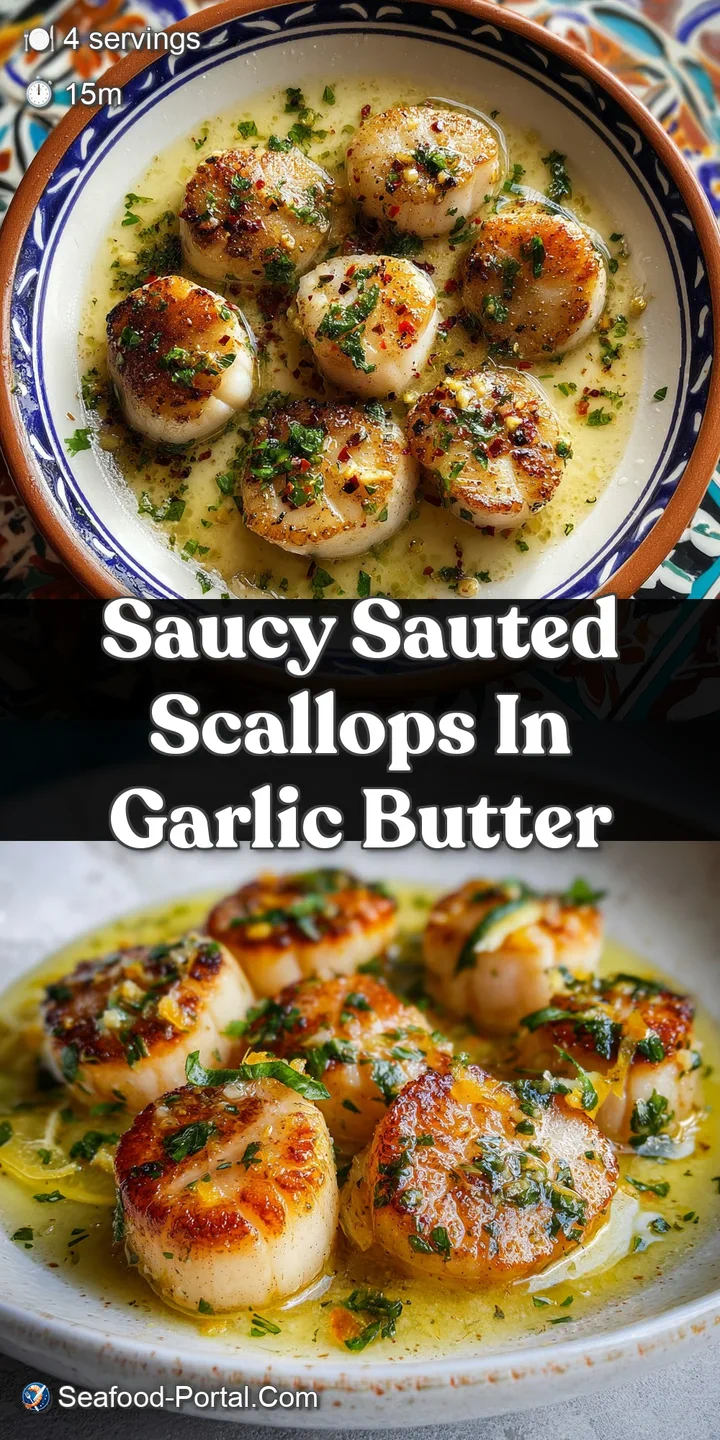
This recipe features incredibly Saucy Sautéed Scallops in Garlic Butter Wine Sauce. It's the kind of meal that feels like a $50 restaurant plate but takes less time to cook than a pot of pasta.
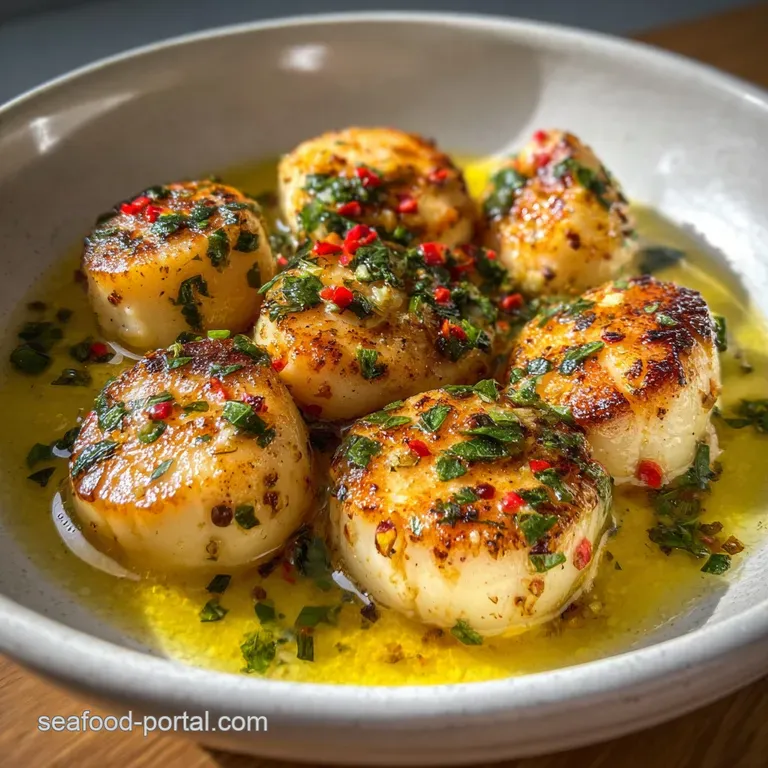
We are looking for that specific shatter crisp crust on the outside and a velvety, almost translucent center that melts the moment it hits your tongue.
Right then, let's get into the details. We're going to use dry sea scallops (the big ones) and a few pantry staples to make a sauce so good you'll want to drink it with a spoon. Trust me on this, once you master the timing, you'll never be intimidated by shellfish again.
Scientific Principles for Achieving Tender and Succulent Results
- Maillard Reaction: High heat triggers a chemical reaction between amino acids and reducing sugars, creating that characteristic golden brown crust and complex savory aroma.
- Protein Denaturation: Scallop proteins coagulate quickly; once they reach 115°F, they transition from silky to tough, so we rely on carryover cooking to reach the finish line.
- Emulsification Stability: Whisking chilled butter into a simmering wine reduction creates a suspension of fat in liquid, resulting in a thick, glossy glaze rather than an oily mess.
- Surface Evaporation: Moisture is the enemy of the sear, as water consumes thermal energy to turn into steam, preventing the surface temperature from rising enough for browning.
| Thickness | Internal Temp | Rest Time | Visual Cue |
|---|---|---|---|
| 1 inch | 115°F | 3 minutes | Sides turn opaque white |
| 1.5 inch | 115°F | 4 minutes | Center feels slightly springy |
| 0.5 inch (Bay) | 110°F | 2 minutes | Edges curl slightly |
We use these specific thermal cues because scallops continue to cook after you pull them from the pan. If you wait until they look "done" in the skillet, they will be overcooked by the time you sit down to eat.
Technical Specifications and Quick Decision Tables for Success
Getting the sear right is the hardest part for most home cooks, but it really comes down to choosing the right fat and the right timing. I prefer grapeseed oil because it has a high smoke point, meaning it won't burn and turn bitter while we're trying to get that pan screaming hot.
| Component | Science Role | Pro Secret |
|---|---|---|
| Sea Scallops | Lean Protein | Pat dry for 10 minutes to ensure a crisp shatter. |
| Unsalted Butter | Fat & Flavor | Use chilled cubes to create a stable, velvety emulsion. |
| Dry White Wine | Acid & Solvent | De glazes the pan to lift up all the brown bits. |
Adding the wine at the right moment is crucial. If the pan is too hot, the wine evaporates instantly; if it's too cold, the scallops sit in lukewarm liquid and lose their texture. We want a vigorous sizzle that subsides into a steady simmer.
Identifying Your Essential Ingredients for Optimal Flavor Balance
For the best results, always look for "dry" scallops. "Wet" scallops are treated with sodium tripolyphosphate, which causes them to soak up water - this water then leaks out in the pan, making it impossible to get a good sear.
- 1 lb fresh sea scallops (U-10 or U-12 size): Why this? Larger scallops offer a better ratio of crispy exterior to tender interior.
- Substitute: Large shrimp (peeled/deveined), though the cook time is shorter.
- 1.5 tbsp grapeseed oil: Why this? Neutral flavor with a high smoke point that won't smoke out your kitchen.
- Substitute: Avocado oil or clarified butter (ghee).
- 0.5 tsp fine sea salt: Why this? Fine grains dissolve quickly into the protein surface for even seasoning.
- Substitute: Kosher salt (double the volume).
- 0.25 tsp freshly cracked black pepper: Why this? Freshly ground oils provide a sharper bite than pre ground pepper.
- Substitute: White pepper for a cleaner look and floral heat.
- 4 tbsp unsalted butter, chilled and cubed: Why this? Cold fat emulsifies more effectively into the wine for a thick sauce.
- Substitute: Ghee for a nuttier flavor, though it won't be as "saucy."
- 4 cloves garlic, minced: Why this? Provides the aromatic backbone that defines the Garlic Butter profile.
- Substitute: 1 tsp garlic powder in a pinch, but the flavor is less vibrant.
- 0.25 cup dry white wine: Why this? Pinot Grigio or Sauvignon Blanc provides the necessary acidity to cut the fat.
- Substitute: Chicken stock or clam juice with an extra squeeze of lemon.
- 1 tbsp fresh lemon juice: Why this? Brightens the heavy butter and brings out the natural sweetness of the seafood.
- Substitute: White wine vinegar or lime juice.
- 1 tbsp fresh Italian parsley, chopped: Why this? Adds a grassy freshness and essential color to the final plate.
- Substitute: Fresh chives or tarragon.
Selecting Professional Equipment for a Restaurant Quality Sear
You really need a heavy bottomed skillet for this. A cast iron pan or a heavy stainless steel skillet (like an All Clad) is best because they hold onto heat. When you drop cold scallops into a thin pan, the temperature drops immediately, and you lose that chance for a golden crust.
Optimizing Thermal Conductivity
Before you even think about oil, let the pan get hot on its own for about 3 minutes. I use the "water drop test" flick a drop of water onto the surface; if it dances and beads up like mercury, you're ready. If it just sizzles and evaporates, give it more time.
Also, make sure you have a pair of fish tweezers or thin tongs. Scallops are delicate, and you don't want to tear that beautiful crust by manhandling them with bulky kitchen tongs. A small whisk is also handy for when we start building the sauce later.
step-by-step Instructions for Sautéing and Saucing
Prepping for Cooking Success
- Dry the scallops. Use paper towels to pat the 1 lb sea scallops completely dry on all sides. Note: Surface moisture creates steam, preventing the Maillard reaction.
- Season the surface. Sprinkle the 0.5 tsp sea salt and 0.25 tsp pepper over the scallops just before cooking. Note: Salting too early draws out moisture through osmosis.
Achieving the Perfect Crust
- Heat the oil. Add 1.5 tbsp grapeseed oil to a large skillet over high heat until it begins to shimmer and show faint wisps of smoke.
- Sear the first side. Place scallops in the pan, ensuring they don't touch. Note: Crowding the pan lowers the temperature and causes steaming.
- Cook without moving. Sear for 2 minutes until a deep golden brown crust forms on the bottom.
- Flip carefully. Turn the scallops over and cook for another 1 minute. The sides should look opaque but the center should still be soft. Remove to a warm plate immediately.
Crafting the Wine Butter Emulsion
- Sauté the aromatics. Reduce heat to medium and add 4 cloves minced garlic. Cook for 30 seconds until fragrant but not browned.
- Deglaze the pan. Pour in 0.25 cup white wine. Scrape the bottom of the pan to release the flavorful brown bits.
Finishing the Final Sauce
- Reduce and emulsify. Let the wine simmer until reduced by half. Whisk in the 4 tbsp chilled butter, one cube at a time, until the sauce becomes thick, glossy, and velvety.
- Final touch. Stir in 1 tbsp lemon juice and 1 tbsp parsley. Return scallops to the pan for 30 seconds to coat them in the Saucy Sauted Scallops in Garlic Butter finish.
Strategic Solutions for Avoiding Common Scallop Cooking Disasters
If your scallops look pale and taste like rubber, it's almost always a moisture or timing issue. Many people are afraid of high heat, but for scallops, high heat is your best friend. It’s a fast process, so have all your ingredients measured and ready before the first scallop hits the oil.
Preventing the Rubber Texture
The "window" for a perfect scallop is tiny. As soon as they lose their translucency in the center, they are done. If you're using the technique from my Seared Scallops with Lemon Butter recipe, you know that the resting period is just as important as the cook time.
Rescuing a Broken Sauce
A broken sauce happens when the fat separates from the liquid, leaving you with an oily pool. This usually occurs if the pan is too hot when you add the butter. If this happens, try whisking in a splash of heavy cream or a teaspoon of cold water very vigorously to bring the emulsion back together.
| Problem | Root Cause | Solution |
|---|---|---|
| No golden crust | Scallops were too wet | Pat dry with multiple paper towels until bone dry. |
| Tough/Chewy | Overcooked | Pull from heat when the center is still slightly rare. |
| Sauce is greasy | Butter added to boiling liquid | Remove pan from heat before whisking in cold butter. |
Common Mistakes Checklist
- ✓ Forgot to remove the "foot" (the tough little muscle on the side).
- ✓ Used a non stick pan (these often don't get hot enough for a hard sear).
- ✓ Moved the scallops too early (be patient, let the crust form!).
- ✓ Used "wet" scallops (look for "dry" or "chemical free" on the label).
- ✓ Added garlic too early (it burns at the high temps needed for searing).
Modifying the Recipe for Various Dietary Requirements
Scallops are naturally gluten-free and low in carbs, which makes them a fantastic base for many specialized diets. The main area for adjustment is the fat and the deglazing liquid. If you're looking for something even richer, the base technique is quite similar to my Garlic Butter Cream recipe, which adds a luxurious finish to any seafood.
Garlic Butter Scallops Pasta
If you want a more filling meal, toss this entire recipe with 8 ounces of cooked linguine. Use a splash of the pasta cooking water to help the Garlic Butter Wine Sauce cling to the noodles. This transforms the dish into a hearty Scallops in Garlic Butter Wine Sauce pasta that serves four easily.
Paleo and dairy-free Versions
| Original Ingredient | Substitute | Why It Works |
|---|---|---|
| Unsalted Butter | Ghee | Removes milk solids but keeps the buttery flavor. |
| Unsalted Butter | Coconut Cream | Adds a tropical note. Note: Sauce will be thicker and sweeter. |
| White Wine | Verjus | Provides acidity without the alcohol content. |
Effective Methods for Storage and Minimizing Kitchen Waste
Seafood is always best enjoyed immediately, but if you have leftovers, they can be stored in an airtight container in the fridge for up to 2 days. To reheat, do not use the microwave! It will turn them into rubber balls.
Instead, gently warm them in a skillet with a splash of water or broth over low heat just until lukewarm.
Freezing and Zero Waste
You can freeze cooked scallops for up to 2 months, though the texture will soften. For zero waste, save your lemon peels and parsley stems. Toss them into a bag in the freezer to use for making a quick seafood or vegetable stock later. If you have extra sauce left in the pan, don't toss it!
It makes an incredible spread for toasted sourdough the next morning.
Selecting the Best Side Dishes for This Seafood Meal
Because this dish is quite rich, I love pairing it with something that has a bit of crunch or acidity. A simple arugula salad with a lemon vinaigrette works wonders. If you want to lean into the comfort aspect, a bed of creamy polenta or a side of Garlic Butter Cream recipe drizzled over steamed asparagus is unbeatable.
If you are serving this as part of a larger seafood spread, these Scallops in Garlic Butter Wine Sauce also pair beautifully with crusty French bread. You need something to soak up every last drop of that sauce. Trust me, you won't want to leave a single bit behind.
Strategic Guidelines for Scaling the Recipe Up or Down
When scaling this recipe down for one or two people, it's very straightforward. Just halve the ingredients. However, keep the pan size in mind. If you use a giant skillet for only four scallops, the sauce ingredients will spread too thin and evaporate before they can emulsify. Use a smaller 8 inch skillet instead.
Scaling up for a dinner party requires more care. Do not try to sear 2 lbs of scallops in one pan at the same time. You will crowd the pan, the temperature will plummet, and you'll end up with steamed scallops. Instead, sear them in batches.
Keep the first batch warm on a plate covered loosely with foil while you finish the second. Make the sauce in one big go at the end once all the scallops are out of the pan.
Debunking Popular Myths About Preparing Fresh Sea Scallops
One of the biggest myths is that you should rinse scallops under cold water. Unless they are covered in sand (which is rare for high-quality dry scallops), rinsing just adds unnecessary moisture. Instead, just pat them dry.
Another common misconception is that searing "seals in the juices." Science tells us this isn't true; searing is all about creating flavor through the Maillard reaction. Moisture loss happens regardless of the sear, but the crust makes it taste much better.
Finally, don't believe the myth that you can't cook with "cheap" wine. You don't need a $50 bottle, but you should use something you would actually enjoy drinking. A crisp, dry white is essential avoid anything sweet like Riesling, or the Garlic Butter Wine Sauce will end up tasting like dessert.
Stick to the basics, watch your heat, and you'll have a Sauted Scallops in Garlic Butter Wine Sauce that rivals any high end bistro.
Recipe FAQs
What makes scallops "dry" versus "wet"?
Dry scallops are untreated. "Wet" scallops are soaked in a phosphate solution, which makes them absorb water. This added moisture will prevent a good sear and make them rubbery, so always look for "dry" scallops.
How do I prevent my scallops from tasting rubbery?
Pat them completely dry and use high heat. Surface moisture turns to steam, which hinders browning and can boil the scallops. High heat creates a quick sear, and cooking them to the correct internal temperature prevents overcooking.
Why should I use cold butter for the sauce?
Cold butter creates a stable emulsion. Whisking small, chilled cubes of butter into the simmering wine allows it to emulsify properly, forming a thick, glossy sauce rather than an oily separation. If you enjoyed mastering this technique, see how the same emulsification principle works in our Best Garlic Butter Sauce for Pizza.
Can I use a non-stick pan for searing scallops?
No, a heavy bottomed skillet is essential. Non-stick pans typically don't retain heat as well as cast iron or heavy stainless steel. A sufficient pan temperature is crucial for achieving that desirable golden brown crust.
How long should I sear scallops for?
Sear for 2 minutes on the first side and 1 minute on the second. The goal is a deep golden brown crust. Pull them from the heat when the center is still slightly soft and translucent; carryover cooking will finish them.
What's the best way to reheat leftover scallops?
Gently warm them in a skillet over low heat. Avoid the microwave, as it will make them tough and rubbery. A splash of water or broth in the pan can help them reheat without drying out.
What side dishes pair well with these scallops?
Simple, bright sides are best. Consider a crisp arugula salad with lemon vinaigrette, steamed asparagus drizzled with extra sauce, or crusty bread to soak up every last drop. This dish also complements our Ultimate Seafood Boil with Signature Garlic Butter Sauce wonderfully.
Saucy Sauted Scallops
Ingredients:
Instructions:
Nutrition Facts:
| Calories | 263 kcal |
|---|---|
| Protein | 19.6 g |
| Fat | 17.3 g |
| Carbs | 3.8 g |
| Fiber | 0.2 g |
| Sugar | 0.5 g |
| Sodium | 368 mg |
