Sashimi at Home Restaurantquality Simplified
Recipe Introduction
Quick Hook to Some Raw Fish Dishes
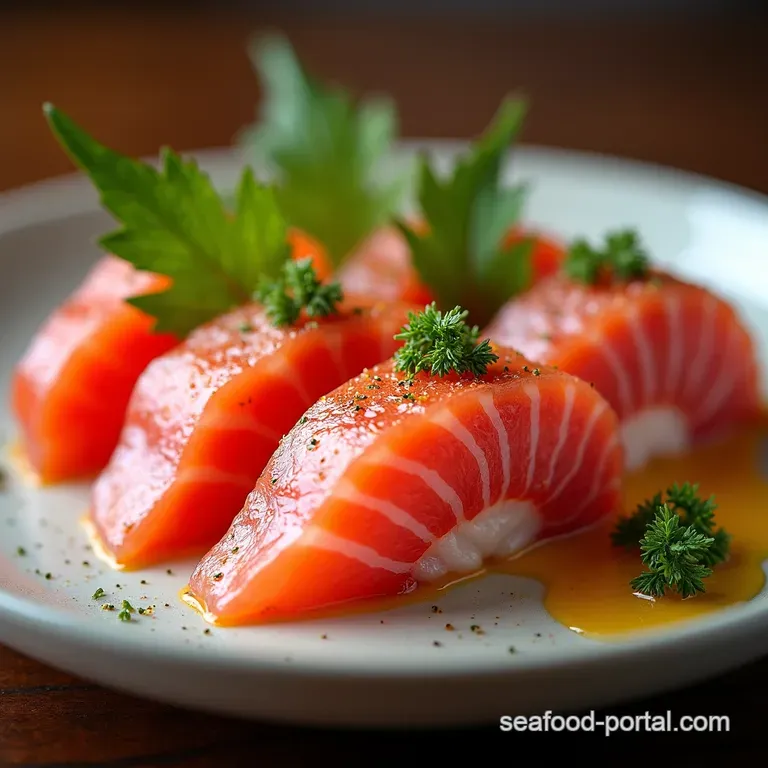
Fancy a taste of Japan without the airfare? Honestly, have you ever tried making Sashimi at home? You might be surprised how simple and utterly delicious it can be! The key is fresh fish and a tiny bit of skill.
This recipe will show you how. This recipe delivers restaurant quality raw fish with ease.
Brief Overview of Sushi And Sashimi
Sashimi is more than just raw seafood ; it's an art form. Rooted in Japanese tradition, it's all about displaying the pristine flavor and texture of the freshest catch.
This recipe is a medium difficulty level, taking only 25 minutes total. It yields 2 servings, perfect for a light meal or a fancy appetizer for your mates.
Main Benefits of this Sashimi Platter
Making Tuna Sashimi Recipe and Salmon Sashimi at home is surprisingly healthy. It's packed with lean protein and Omega-3s! Serve this up for a special occasion, like a sophisticated dinner party, or treat yourself to a solo feast.
What makes this recipe special? It demystifies the art of How to Cut Sashimi , making Japanese Cuisine accessible to everyone.
Plus, you get the satisfaction of knowing exactly where your fish came from.
Alright, let's dive into the ingredients! First, you’ll need the freshest Sashimi Grade Fish you can find. Remember to visit your local fishmonger.
Chat to them, ask all the questions about freshness. You know? I once bought some dodgy looking tuna, and, oh my gosh, never again.
The texture was all wrong, and it smelled…well, let's just say my cat wouldn't even touch it! Always go for the good stuff for that perfect Sashimi experience.
Alright, let's get this sashimi party started! The key to amazing raw fish dishes like this is all in the ingredients and having the right gear.
Honestly, that's half the battle. Trust me, I've had my share of raw seafood disasters!
Ingredients & Equipment: Your Arsenal for Amazing Sashimi
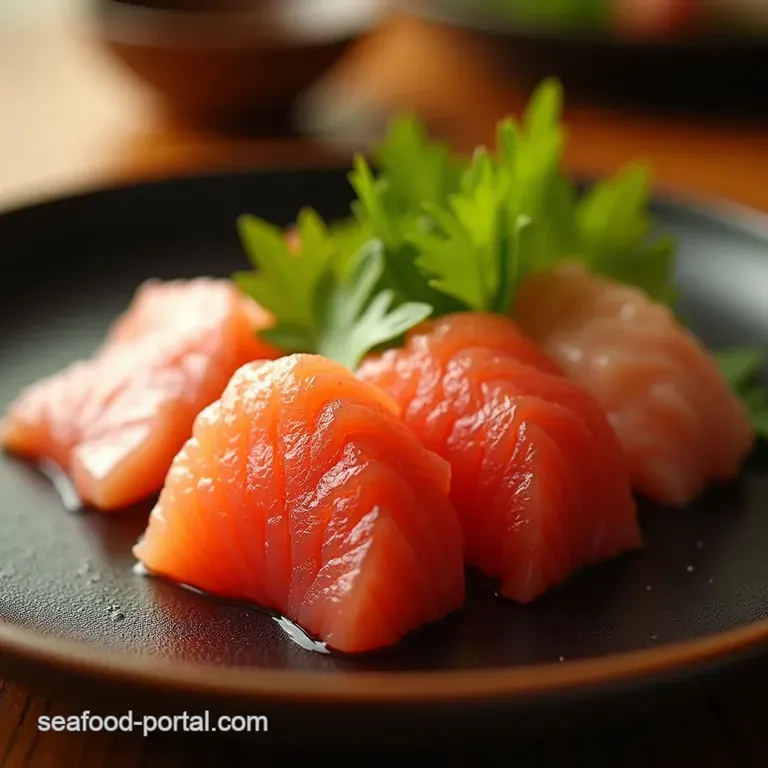
Making sashimi at home shouldn't be intimidating. Let's break down what you need!
Main Ingredients: The Fresher, The Better
- 6 oz ( 170g ) Sushi grade Tuna (Yellowfin or Bluefin). It must be sushi grade. Look for a deep red color and a firm texture.
- 4 oz ( 115g ) Sushi grade Salmon . The color should be vibrant orange with clear, distinct marbling.
- 2 oz ( 55g ) Sushi grade Hamachi (Yellowtail). This should be a beautiful pearly white.
Remember: This is raw fish . Don't mess around. If it smells even remotely fishy, bin it. You'll want to use sashimi grade fish , or don't use it at all.
Seasoning Notes: Keep It Simple, Stupid!
- 1/4 cup ( 60ml ) Soy Sauce (low sodium). Essential for dipping, of course!
- 1 tbsp Rice Vinegar. A splash of brightness.
- 1 inch piece of Ginger (or ginger paste). Trust me, fresh ginger is a game changer.
- 1/2 tsp Wasabi Paste. Adds that fiery kick that we all love.
- 1/4 cup Daikon Radish. The slight bitterness balances the richness of the raw fish perfectly.
For flavor, a bit of rice vinegar in the soy sauce? chef's kiss . Some folks love adding a squeeze of lemon, too.
The beauty of sushi and sashimi is that you can customize it.
Equipment Needed: Keep it Sharp!
- Very Sharp Chef's Knife. This is non-negotiable, seriously. A dull knife will wreck your tuna sashimi recipe .
- Cutting Board. Use wood or bamboo if you've got it!
- Small Bowls. For soy sauce, wasabi, and ginger.
- Serving Platter. Make it pretty!
If you haven't got fancy how to cut sashimi knife, make sure it is at least razor sharp. I once tried using my butter knife and it was a disaster.
Sashimi platter looked more like fish stew, lol.
So there you have it! Time to get slicing and create your own restaurant worthy Japanese cuisine . Don't forget the salmon sashimi . And share your creations. Happy eating!
Right, so you wanna make Sashimi at home? Honestly, it sounds way fancier than it actually is. People are always intimidated by raw fish dishes , thinking you need years of culinary training, but trust me, you don't.
We're gonna make this super straightforward.
Getting Ready to Slice and Dice (Safely!)
First things first, mise en place , baby! Get all your ingredients prepped and ready. That means grating the ginger, shredding the daikon, and having your soy sauce and wasabi sorted.
Organization is key! I'm talking about taking the Sashimi Grade Fish out of the package to be prepared. Time is essential in any Raw Seafood preparation.
It will keep everything fresh and minimize the time the fish spends at room temperature.
Oh, and safety! We're dealing with Raw Fish , so wash your hands like you've just handled cash at a dodgy carnival (you know?).
Seriously, cleanliness is next to godliness when it comes to Sushi and Sashimi . That knife of yours better be razor sharp.
A dull knife is a dangerous knife!
From Fish to Fantastic: step-by-step
- Pat your tuna, salmon, and hamachi completely dry. Seriously. Moisture is the enemy here.
- Give the fish a once over. Remove any sneaky bones hiding out. You don't want surprises.
- Chill the fish for 15- 20 minutes in the freezer. It makes slicing way easier, trust me.
- Grab your super sharp knife and slice across the grain at a 45-degree angle . Aim for slices about 1/4 inch (6-8mm) thick.
- Arrange your Tuna Sashimi Recipe , Salmon Sashimi , and Hamachi slices on a platter. Make it look pretty!
Pro Tips (Because We're Basically Experts Now)
Don't be tempted to buy cheap fish. This is one area where you really get what you pay for. Find a reputable fishmonger and ask questions! This is essential with Raw Fish preparations.
Watch out for cross contamination. Use separate cutting boards for fish and other foods. And always clean everything thoroughly after.
Serve your Sashimi Platter immediately. It's best enjoyed super fresh.
So, there you have it! Sashimi at home, simplified. And remember, practice makes perfect!
Recipe Notes
Okay, let's dive into the nitty gritty details, yeah? This isn't just some recipe; it's an experience!
Serving Suggestions
Presentation is key, innit? Think minimalist chic. Arrange your Sashimi Platter like a pro. A few sprigs of dill or a delicate edible flower will make it look extra special.
Maybe fan out the slices. Serve with a small bowl of high-quality soy sauce. A dash of rice vinegar in the soy brings out the umami - chefs kiss.
Honestly, sometimes I feel like a real fancy chef plating these raw fish dishes .
For sides, keep it light. Some pickled ginger and a small mound of wasabi are must haves. Edamame or a light seaweed salad? Bang on.
I personally love a crisp, dry sake with my Sushi And Sashimi . Cheers!
Storage Tips
Look, raw seafood is not something to mess around with. Leftover Sashimi Grade Fish should be wrapped tightly in plastic wrap and stored in the coldest part of your fridge.
Use it within 24 hours , tops. Any longer and it's a no-go. Not worth the risk, yeah?
Freezing? Honestly, not recommended. It'll ruin the texture of the raw fish , turning it mushy. Reheating? Absolutely not. Sashimi is meant to be enjoyed cold, straight from the fridge.
Best to make only what you can eat in one sitting.
Variations
Want to mix things up? For a dietary tweak, swap regular soy sauce for a low-sodium option. Or tamari for a gluten-free version.
And for my vegan mates, use marinated watermelon Sashimi instead! It sounds weird, but it works!
Seasonal swaps? In the summer, try adding thin slices of mango or avocado to your Tuna Sashimi Recipe for a tropical twist. Come autumn, thinly sliced Asian pear adds a lovely crunch.
Nutrition Basics
Okay, let's talk numbers. Salmon Sashimi is packed with omega-3 fatty acids, good for your heart and brain. Plus, loads of protein.
This Japanese Cuisine is relatively low in calories and carbs. Just watch out for the soy sauce, as it can be high in sodium.
Overall, How to Cut Sashimi is a healthy and delicious meal.
So there you have it! Making Sashimi at home might seem daunting, but it's totally doable. Just remember to source the freshest fish you can find, use a sharp knife, and have fun with it! Don't be afraid to experiment and make it your own.
You've got this!

Frequently Asked Questions
What exactly is Sashimi, and how is it different from Sushi?
Alright, think of Sashimi as the purist's choice! It's thinly sliced, raw fish (or sometimes shellfish) served without rice. Sushi, on the other hand, always includes rice, often with other ingredients like seaweed, vegetables, and yes, sometimes even raw fish.
So, Sashimi is all about showcasing the fish itself, innit?
Is it safe to make Sashimi at home? What should I look for when buying fish?
You betcha, you can make Sashimi at home! The golden rule is using "sushi grade" fish, which has been handled and frozen in a specific way to kill parasites. Talk to your fishmonger - they're the experts. A super fresh smell (not overly fishy) and a vibrant color are good signs.
If in doubt, don't risk it; dodgy fish is a recipe for disaster!
What's the best way to slice fish for Sashimi? My attempts always look a bit... rough.
Ah, the slicing! It's a bit of an art form. First, make sure your knife is sharper than a tack. Chill the fish slightly in the fridge before slicing - it firms up and makes for cleaner cuts. Use a long, smooth, drawing motion and slice across the grain of the fish at a slight angle (around 45 degrees).
Practice makes perfect, so don't be disheartened if your first few slices aren't picture perfect!
Can I use any kind of fish for Sashimi, or are there specific types I should stick to?
While you could theoretically use any fish, it's best to stick to types known for their flavor and texture when raw. Tuna, salmon, and hamachi (yellowtail) are popular choices for Sashimi. Experiment, but always prioritize "sushi grade" quality and research the safety of eating specific types raw.
For example, freshwater fish are generally a no-go due to parasite risks.
How long can I store leftover Sashimi, and what's the best way to do it?
Sashimi is best enjoyed ASAP, mate. But, if you have leftovers, wrap them tightly in plastic wrap (pressing the wrap directly onto the fish) and store them in the coldest part of your fridge for no more than 24 hours.
Be aware that the texture and flavor will degrade, so don't expect it to be quite as amazing as when it was fresh. When in doubt, chuck it out it's better to be safe than sorry!
Are there any healthy benefits to eating Sashimi?
Absolutely! Sashimi is packed with protein and healthy omega-3 fatty acids, which are great for your heart and brain. It's also relatively low in calories and carbohydrates. Just watch the soy sauce it can be high in sodium. So, enjoy your Sashimi guilt free as part of a balanced diet.
A little bit of what you fancy does you good, right?
Sashimi At Home Restaurantquality Simplified
Ingredients:
Instructions:
Nutrition Facts:
| Calories | 350 |
|---|---|
| Fat | 15g |
| Fiber | 5g |
