Shrimp and Mussels in Saffron-Chorizo Broth (The Coastal Pot)
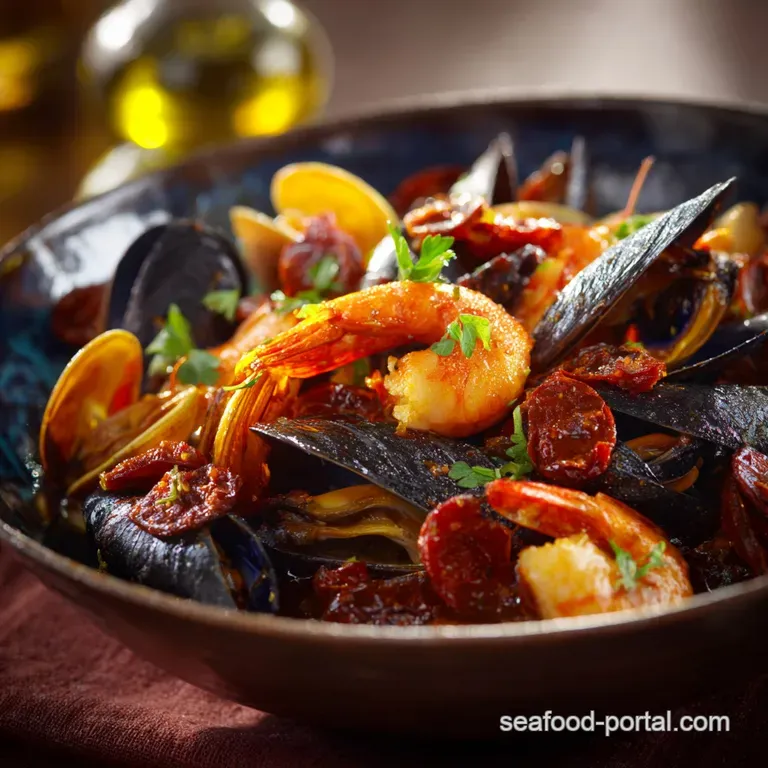
- The Cornish Coastline Pot: Saffron Shrimp and Mussels with Smoked Chorizo
- Gathering Your Haul: Essential Ingredients for the Cornish Pot
- Flavour Architecture: Achieving the Perfect Broth Balance
- Mastering the Method: Step-by-Step Preparation of the Pot
- Insider Secrets: Achieving the Perfect Seafood Texture
- Keeping It Fresh: Storage and Reheating Guidelines
- Finishing Touches: What to Serve with Your Saffron Shrimp and Mussels Stew
- Recipe FAQs
- 📝 Recipe Card
The Cornish Coastline Pot: Saffron Shrimp and Mussels with Smoked Chorizo
When the steam hits your face, smelling intensely of the sea, lemon, and sweet, spiced paprika, you know you’re in for a treat. This vibrant, ruby orange broth courtesy of rendered chorizo fat and a touch of precious saffron is the ultimate winter warmer, but honestly, I make it year round.
It is genuinely breathtaking how much depth you get from such simple ingredients.
If you think great seafood pots require hours of simmering and a chef's salary, think again. This Shrimp and Mussels recipe is a total cheat code; it’s fast enough for a Tuesday night dinner yet tastes profoundly luxurious.
It uses two of the quickest cooking proteins in the ocean, ensuring you're seated and eating in under 45 minutes, maybe even less if you’re quick with a knife.
I’ve spent years refining this method, merging the fiery punch of Spanish coastal cooking with the rustic, comforting appeal of a Cornish fish stew. We’re going deep on flavour extraction here, so grab your Dutch oven, and let’s make some seriously unforgettable seafood.
A Culinary Journey: Bridging Cornwall and the Mediterranean Coast
The logic here is all about contrast and layering flavour. Mussels and Shrimp and Mussels recipes are often done in a simple white wine and butter sauce, which is fine, but sometimes you crave drama.
The genius of adding smoked chorizo is that the fat renders out, creating a naturally seasoned, deep orange oil that immediately colours and flavours the broth base.
This isn't just about heat; it's about introducing a smoky, cured note that cuts beautifully through the sweetness of the mussels and the succulent shrimp. We use the chorizo fat as the foundation, then build the delicate, earthy perfume of saffron on top of that robust base.
It’s like a spicy seafood hug, honestly.
The Magic of Saffron: Flavour Profile of the Aromatic Broth
Saffron is expensive, yes, but you only need a tiny, tiny pinch to transform this dish. If you were just doing a white wine broth, saffron might get lost, but here, it plays a critical supporting role to the smoky chorizo.
The saffron threads release an earthy, slightly hay-like aroma and that characteristic deep gold colour that makes the broth look truly expensive.
It provides a necessary depth that prevents the final flavour from being just smoky or just tomato-y. Always bloom your saffron —I usually crush the threads lightly and add them directly to the warm stock before pouring it in, letting those oils release their magic immediately.
Why Shrimp and Mussels are the Perfect Pairing for Smoky Chorizo
They are the perfect dynamic duo because of their opposing textures and flavour profiles. The mussels, cooked al dente in their shells, offer a briny, chewy pop that contrasts beautifully with the tender, delicate sweetness of the shrimp.
The robust, smoky intensity of the chorizo laced broth needs proteins that can stand up to it without being overwhelmed. If we used something delicate like sole, it would disappear, but the shrimp and mussels retain their distinctive, delicious seaside flavour profile even amongst the rich spices.
Gathering Your Haul: Essential Ingredients for the Cornish Pot
To make this the best seafood dish with mussels and shrimp you’ve ever had, source the best ingredients you can, especially the seafood. Quality stock matters hugely here too, since it is the bulk of your drinking broth!
Sourcing the Best: Guide to Fresh Mussels and Succulent Shrimp
When buying mussels, ask when they came in. They should smell clean, like the ocean, not fishy, and the shells should be tightly closed or snap shut when you tap them. For the shrimp, a 16/20 count (meaning 16 to 20 shrimp per pound) gives you those nice, large, succulent bites.
Chef's Note: I always buy shrimp that is shell-on, even if I peel it myself, because I freeze the shells to make quick, flavourful stock later on. Waste not, want not!
The Spice Cabinet MVP: Selecting high-quality Saffron Threads
Look for deep red threads that are slightly springy, not brittle, and have very little yellow stigma attached. If the saffron looks neon orange, it’s probably dyed and won't give you the deep flavour we need.
This is a crucial element for that true shrimp and mussels recipe garlic butter feel, just replacing some butter with spice!
Swapping the Smoked Chorizo: Alternative Fats and Flavour Depth
| Ingredient | Role in Recipe | Substitution |
|---|---|---|
| Smoked Chorizo | Smoky, Spiced Fat Base | Pancetta, smoked slab bacon, or even good quality Nduja paste. |
| Dry White Wine | Deglazing and Acidity | Extra stock + 1 Tbsp White Wine Vinegar or Sherry Vinegar. |
| Crushed Tomatoes | Body and Sweetness | Whole peeled tomatoes crushed by hand (better texture). |
| Fish Stock | Broth Base | Clam juice mixed with water (50/50), or robust chicken stock. |
Flavour Architecture: Achieving the Perfect Broth Balance
The secret to this pot isn't the amount of spice, but the technique of when and how we add the fat and the aromatics. We need high heat for the chorizo, but low, slow heat for the aromatics.
The Chorizo Bloom: Infusing Smoked Spice into the Oil
This is the most critical part, so pay attention. We start by rendering the chorizo in olive oil. Cook those diced cubes until they are slightly crisp and the beautiful reddish orange fat has completely soaked into the olive oil. This is the Chorizo Bloom .
You remove the meat (we use it as a garnish later) but keep that oil. It’s pure, spiced liquid gold and instantly provides a background smokiness for the garlic and onions.
Mastering the Method: step-by-step Preparation of the Pot
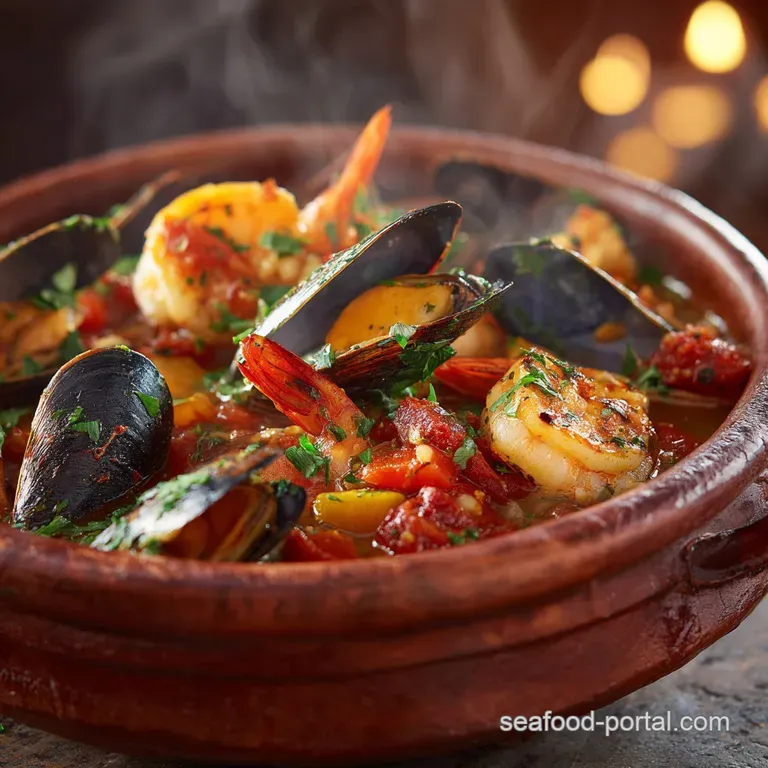
We want to move efficiently here; once the broth is simmering, the shrimp and mussels cook very quickly. Have everything measured and chopped before you even turn on the heat that’s mise en place, and it saves you from burning the garlic.
Pre-Cook Preparation: Cleaning and Deveining the Shrimp and Mussels
Rinsing the mussels vigorously under cold water is non-negotiable; scrub off any crud. The beard is a little tangled filament you pull off right before you drop them into the pot, giving it a sharp tug toward the hinge. Remember to check every single shell! Discard anything that stays open after tapping.
For the shrimp, peel, devein, and pat them dry. Keeping them dry helps them poach cleanly in the broth without releasing too much water and watering down your hard earned flavour. If you want another great quick shrimp recipe, try my Shrimp Francese Recipe: Quick, Zesty Lemon Butter Sauce sometime!
Building the Base: Sautéing the Aromatics and Rendering the Chorizo Fat
We already did the Chorizo Bloom, right? Now, use that gorgeous red oil to sauté your diced onions until they are soft and translucent this takes about five minutes. Then, stir in the minced garlic and red pepper flakes for just sixty seconds until they smell intensely fragrant.
Do not let the garlic burn.
Pour in the wine next and bring it to a furious bubble. Use your wooden spoon to scrape up all those browned bits stuck to the bottom of the pot; that’s pure flavour we call 'fond.' Let that wine reduce by about half, concentrating all the zesty acidity.
The Grand Finale: Steaming the Mussels and Gently Poaching the Shrimp
Once your stock, tomatoes, and saffron are simmering nicely, it’s time for the seafood stars. Turn the heat up to high and dump the cleaned mussels in. Cover the pot immediately and steam for 3 to 5 minutes. You can give the pot a shake or two, which helps them open evenly.
When most of the mussels are open, quickly nestle the shrimp into the hot liquid. They only need about 2 to 3 minutes tops, depending on their size. When they are perfectly pink and forming a gentle ‘C’ shape, they are ready.
Remove the pot from the heat immediately, stir in the optional butter and fresh parsley, and serve!
Insider Secrets: Achieving the Perfect Seafood Texture
Preventing Rubber: How to Avoid Overcooking Shrimp
The biggest failure in a quick shrimp recipes like this is rubbery shrimp. They cook instantly, truly. The second they turn pink and opaque and curl into a loose 'C' shape, they are done.
If you leave them until they curl into a tight little ‘O’, they will be dry, tough, and totally sad. Remove the pot from the heat just before they look completely finished.
The Purge Protocol: Ensuring Grit Free Mussels
You must make sure your mussels are clean! The easiest way to ruin a fantastic pot of broth is biting down on sand. Before cooking, keep them in the fridge covered with a damp cloth, which encourages them to filter out any grit. Right before cooking, give them a final, vigorous rinse and de-beard them completely.
Troubleshooting: What to Do If Your Broth is Too Thin
Did you skip the wine reduction? That often leaves the broth thin and sharp. If you find your broth is too thin at the end (before adding the shrimp and mussels), just let it simmer uncovered for 5- 10 minutes to reduce it slightly.
If it's too thin after the seafood is added, quickly whisk in one tablespoon of cold butter (part of our optional enrichment step) to help emulsify and slightly thicken the sauce.
Keeping It Fresh: Storage and Reheating Guidelines
Short Term Storage: Refrigerating Leftover Shrimp and Mussels
Leftovers are delicious, but handle seafood carefully. Store the leftover mussels (still in their shells) and shrimp submerged in the broth in an airtight container in the fridge. They will keep safely for 1 to 2 days. Don't push past two days with cooked shellfish.
Freezing the Broth Base (And Why You Shouldn’t Freeze the Seafood)
Never freeze cooked mussels or shrimp, period. They become horribly tough and rubbery upon thawing. However, the finished, beautiful broth freezes like a dream! Strain the broth (discarding the solids), let it cool completely, and freeze it in portions for up to three months. It makes an incredible base for risotto or even my Shrimp Saganaki: The Best Greek Feta and Tomato Recipe sometime down the line.
To reheat the seafood, gently warm the broth on the stove. Once simmering, drop the refrigerated seafood in for only about 90 seconds, just enough to warm it through without re-cooking it.
Finishing Touches: What to Serve with Your Saffron Shrimp and Mussels Stew
This pot is incredibly rich and satisfying, so you don't need much to make it a full meal. Think simple textures and things that can soak up every last drop of that amazing broth.
The Essential Dip: Crusty Bread and Focaccia Pairings
Seriously, the bread is the most important part of this meal. You need something crusty, sturdy, and absorbent for dipping (that's the "saucisson" action I mentioned). A good rustic sourdough baguette or some homemade rosemary focaccia are ideal candidates. The goal is zero leftover broth.
If you’re hosting a small dinner party, serving this pot alongside something equally zesty and refreshing, like my Tuna Poke Bowl Recipe: Fresh, Fast, and Easy Ahi Poke at Home , provides a great contrast of hot and cold seafood dishes.
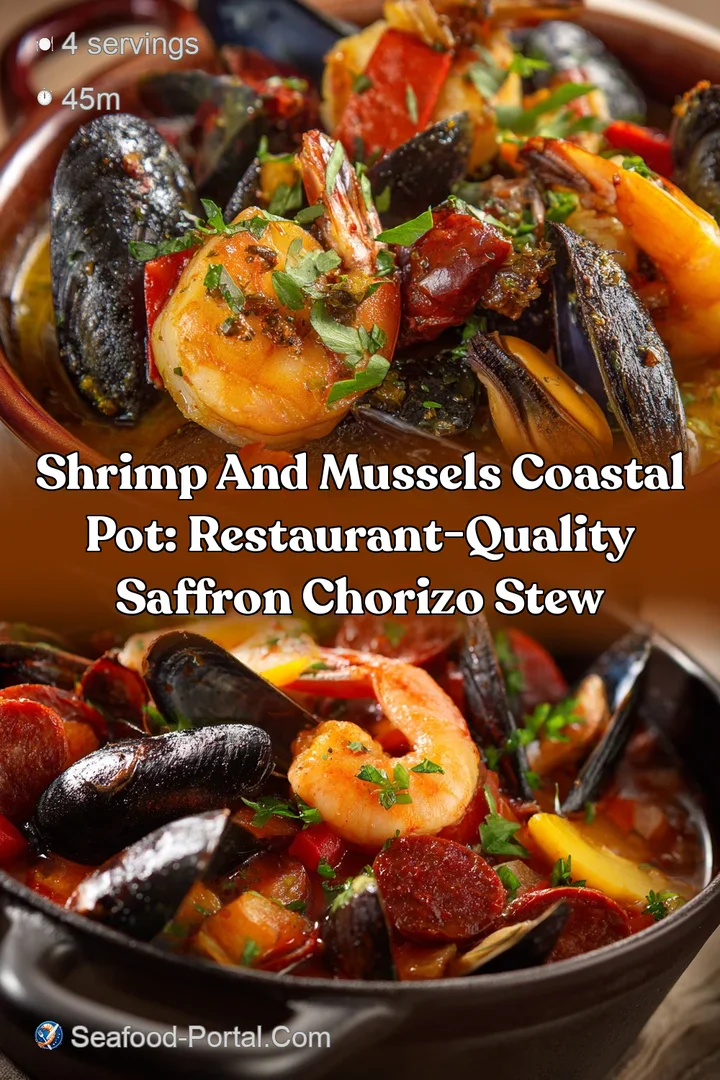
Recipe FAQs
My mussels didn't open after cooking. Are they safe to eat?
Any mussels that remain tightly closed after the cooking time should be immediately discarded. These shellfish were likely dead before cooking or filled with mud, and consuming them is unsafe. Only enjoy the mussels that have fully opened during the steaming process.
How do I prevent the shrimp from becoming tough or rubbery?
Shrimp cook incredibly fast and will toughen if left in the heat for too long. Ensure your broth is boiling fiercely when you add them, and cook them for only 3 to 4 minutes. They are done when they turn opaque pink and curl into a slight ‘C’ shape.
I don't have saffron. Is there a good substitute?
Saffron provides a unique metallic, floral flavor and a brilliant yellow hue. For the color, you can use a small pinch of turmeric, but be careful not to use too much as it imparts a strong earthy flavor. If flavor is your priority, it is best to simply omit the saffron rather than use a poor substitute.
Can I substitute the smoked chorizo for a different ingredient?
The chorizo provides essential paprika infused fat and smoky heat. If avoiding pork, you can use high-quality smoked ham hock finely diced, or opt for a vegetarian alternative using smoked paprika and a drizzle of liquid smoke for that distinct savory depth.
How should I store or freeze the leftover Cornish Coastline Pot?
Seafood stews containing shrimp and mussels do not freeze well, as the texture of the shellfish will become rubbery and unpleasant upon thawing. You can safely refrigerate leftovers in an airtight container for up to two days. Reheat gently on the stovetop until simmering.
Can I use pre-cooked frozen mussels or shrimp instead of fresh?
For this specific recipe, fresh mussels are essential as they create the necessary steaming liquid and broth base. However, you can use frozen, peeled shrimp; thaw them completely before adding them to the pot to prevent the broth temperature from dropping too quickly.
How do I properly prep the mussels before cooking?
Before cooking, scrub the mussel shells under cold running water and pull off the fibrous "beard" if present. Discard any mussels that have cracked shells, or those that refuse to close when you give them a gentle tap, as this indicates they are not alive.
Saffron Shrimp And Mussels Pot
Ingredients:
Instructions:
Nutrition Facts:
| Calories | 450 calories |
|---|---|
| Fat | 20 g |
| Fiber | 3 g |
