Lobster Ravioli Sauce: the Luxurious Saffron-Cognac Cream Recipe
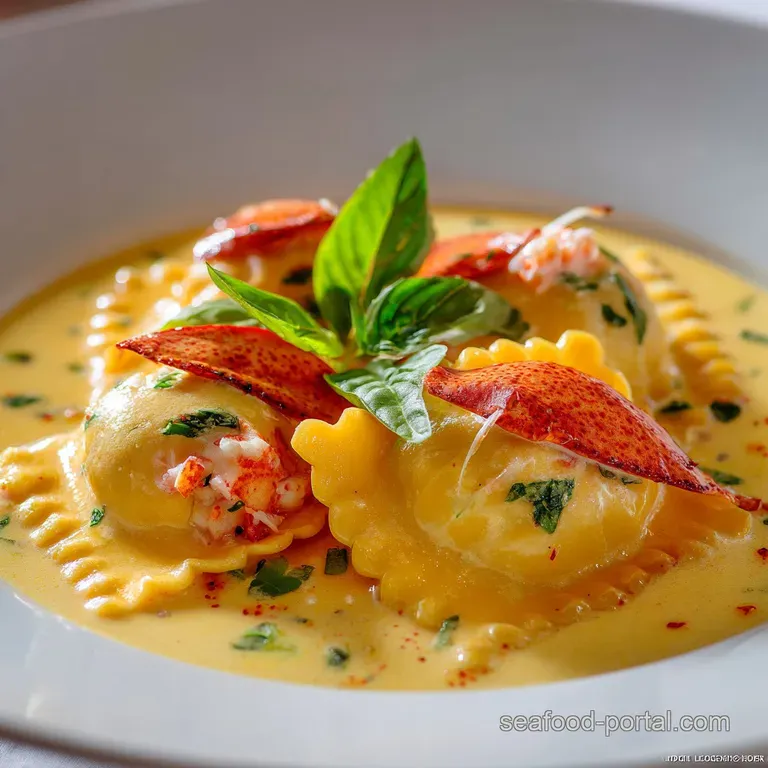
Elevating Your Meal: The Definitive Lobster Ravioli Sauce
Look, if you’re going to spend the time (and the money) on beautiful lobster ravioli, you absolutely cannot drown it in some boring, jarred sauce. That’s just insulting the filling. You know that perfectly light, silky, slightly savory and sweet sauce you get at the good Italian places?
The one you want to lick off the plate? We’re making that one. This isn’t a quick dump and stir operation. This is sophisticated Saffron and Cognac Cream Sauce, and it transforms a nice meal into a moment . Trust me, it’s easier than you think.
The Role of Saffron and Cognac in Flavor Building
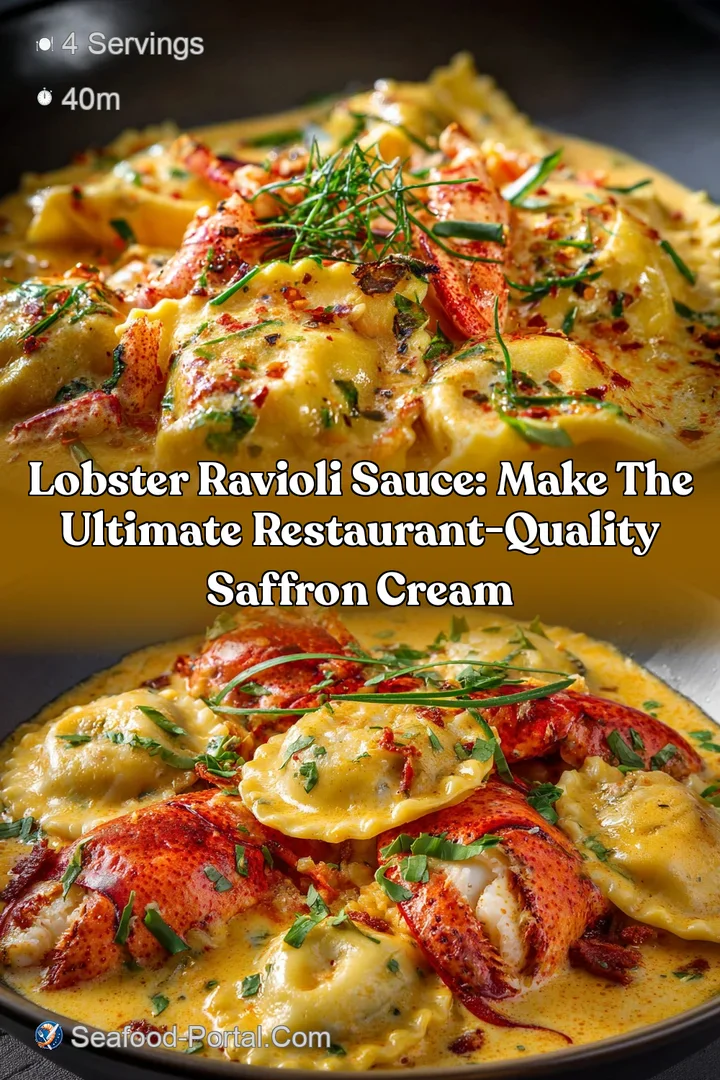
When I first tried making lobster sauce years ago, I skipped the saffron thinking it was just for color. Massive mistake. Saffron provides this incredible, subtle honeyed and floral note that just sings alongside sweet shellfish.
It’s not just about turning the sauce golden yellow, although that looks brilliant. It adds depth that you can’t get anywhere else.
Then there’s the Cognac. If you use cheap wine to deglaze, your sauce will taste cheap. Period. Cognac (or a good brandy) is essential because it pulls up all those browned shallot bits from the bottom of the pan and creates this rich, caramelized foundation.
Once the alcohol burns off, you’re left with a profound, almost smoky sweetness. It’s the difference between "good sauce" and "why does this taste like a restaurant?"
Why Cream Sauce is Superior to Marinara
Listen, I love a robust marinara, but pairing a heavy tomato sauce with delicate lobster is like putting heavy metal music on during a ballet. It completely overwhelms the main act. Lobster is subtle. It needs room to shine.
A properly reduced cream sauce, especially one built on a rich fish stock and thickened beautifully, complements the sweetness of the lobster without fighting it. It clings perfectly to the delicate pasta rather than drowning it. It’s the supporting actor that makes the star look amazing.
Seriously, skip the red sauce here.
Decoding the Restaurant and Quality Finish
The secret to why this Lobster Ravioli Sauce Recipe feels so luxurious comes down to two specific steps: reduction and finishing. We reduce the stock base fiercely so that it concentrates all the inherent shellfish goodness before the cream even enters the picture. If you skip this, the sauce will be thin and watery.
But the real magic? It's the final addition of butter just before serving. Chefs call this "mounting" the sauce (or monter au beurre ). You stir in a cold pat of butter off the heat. It doesn’t just make the sauce taste richer; it creates this beautiful, glossy sheen.
That gloss is the sign of a perfectly emulsified, decadent sauce.
Essential Pantry Items and Prep for This Luxurious Sauce

I know, I know, sometimes we cut corners. But for this specific sauce, we need to focus on quality ingredients. You can’t make silk out of cheap thread, right?
Securing the Finest Dairy Components
Please, for the love of all that is delicious, do not use half and half or light cream here. This sauce requires heavy cream, or better yet, double cream (look for 35% fat content or higher). Why?
Because the higher fat content is far more stable under heat, making it less likely to split or curdle during the final gentle simmer.
If you want a sauce that holds its texture beautifully and reheats slightly better, substitute the heavy cream with good quality crème fraîche. It adds a slight, pleasant tang that is phenomenal with seafood.
The Delicate Balance of Cognac and Reduction Liquid
The quality of your stock matters maybe more than anything else. A generic powdered fish bouillon tastes fishy, not like shellfish. You need high and quality liquid fish stock, or ideally, homemade lobster stock (if you happen to have shells lying around).
Remember, we are reducing this by half, so any off and flavors will be magnified. Use something you would honestly drink on its own.
Must and Have Tools for the Perfect Emulsion
You don't need fancy equipment, but you do need two non and negotiables:
- A Heavy and Bottomed Saucepan: This is vital. A thin pot conducts heat too quickly and unevenly, guaranteeing that your delicate cream base will scorch on the bottom. We want even, gentle heat.
- A Small Whisk: Use this instead of a spatula when adding the cream. A whisk incorporates the liquid and fat molecules quickly, ensuring a velvety smooth texture and helping to prevent any splitting.
Fresh Herb Prep: Tarragon vs. Chives
I am fiercely loyal to tarragon in this lobster sauce. It’s anise and like aroma is the classic pairing for lobster and it screams sophistication. Chives are also fine (they add freshness and color), but they're a bit safe. If you want that high and end restaurant flavor, tarragon is the move.
Make sure you chop it finely right before you add it in, so its essential oils are fresh and potent.
Related Recipes Worth Trying
- Lobster Ravioli Sauce: The Ultimate Velvety Bisque Cream Recipe — Lobster Ravioli Sauce should be luxurious, not heavy. This easy recipe creates a silky smooth, velvety lobster bisque cream, perfectly balanced with wine...
- Ina Garten Lobster Mac And Cheese Recipe: Ultimate Barefoot Contessa Luxury — Our Ina Garten Lobster Mac And Cheese recipe is a truly decadent upgrade. Experience the silky, nutty Gruyère sauce and succulent lobster tail mac and...
- Lobster Mac and Cheese: The Best Creamy, Luxurious Comfort Dish — Elevate your comfort food game with the ultimate Lobster Mac and Cheese recipe. This homemade, show stopping dish features a deeply flavored Mornay sauce,...
Mastering the Technique: Step and by-Step Sauce Creation
Right then, put on some chill music and let’s crack on. This entire process only takes about 25 minutes, but you need to be attentive, especially during the reduction phase.
Developing the Base: Shallot Sauté and Deglazing
Start your base slow and low. Melt the butter and oil, then add those finely diced shallots. I sauté mine for a good five to seven minutes, stirring often, until they are totally soft and translucent. We want sweetness, not crunch, and definitely not browning.
Adding the tomato paste and garlic just for a minute to bloom them brings out their full flavor.
When it comes time to deglaze with the Cognac, pull the pan off the heat for a second, pour the spirit in, and then return it to medium heat. Stand back a bit it might flare up! Let that boil violently for two minutes until the sharp, alcoholic smell is gone and the liquid is mostly reduced to a sticky film.
That sticky film is pure flavor power.
Infusing the Cream with Golden Saffron Threads
Before you even start the sauce, take your pinch of saffron threads and soak them in a tablespoon of warm stock or water. This helps them "wake up" and ensures maximum color and flavor infusion.
Once you’ve done your fierce stock reduction (it should look like concentrated, dark liquid gold), you'll add the stock base and the pre and soaked saffron. Then bring the heat down. Way down.
Simmering and Reducing for Optimal Consistency
Here is where attention pays off. When you add the heavy cream, the heat should be at medium and low. Stir it constantly until it integrates. You only want a gentle, lazy simmer. If it boils rapidly, the sauce is at risk of breaking. Simmer it for about five minutes.
It should coat the back of your spoon thickly, like velvet.
| Consistency Check | What to Look For | Fix if Too Thin |
|---|---|---|
| Spoon Test | Sauce should cling when you run your finger across the spoon (leaving a clean track). | Simmer gently for 2 3 more minutes. |
| Texture | Velvety and smooth, not watery or separating. | Add a tiny bit of cornstarch slurry (mixed with cold stock) and whisk vigorously. |
The Final Touch: Mounting the Sauce with Butter
Remove the pan completely from the heat. This is non and negotiable. Add a cold tablespoon of butter and whisk it vigorously into the sauce. The cold butter melts slowly, enriching the sauce and boosting that glorious gloss.
Once it’s fully incorporated, stir in your lemon juice (don't skip this, it is the crucial acid balancing act) and white pepper, then taste for salt. Only now are you ready to toss the freshly boiled ravioli in the sauce.
Maintenance and Customization of Your Lobster Ravioli Sauce
Seamless Storage and Reheating Methods
Storage for cream sauces can be tricky. If you anticipate leftovers, try to save the sauce before you toss it with the pasta. Store it in an airtight container in the fridge for up to three days.
When reheating, use the lowest possible heat setting on the stove, stirring often. Never blast it in the microwave. If it looks a little separated or thin, you can "save" it by whisking in a splash of fresh cold stock or cream as it warms up gently.
Adjusting the Acidity and Salt Profile
The whole point of this sauce is balance. Because it is so rich with cream and butter, it needs a sharp counterpoint. That is the job of the lemon juice.
The most common mistake home cooks make with cream sauce is under and seasoning the salt, or skipping the acid. If your sauce tastes flat or heavy, a tiny squeeze more lemon juice and a pinch more kosher salt will instantly brighten the whole thing up. Trust your tongue.
Perfect Wine Pairings for Rich Cream Sauces
You need acid to cut through the richness. Period. Don’t reach for a heavy, oaky Chardonnay (too much butter). Go for crisp, dry, and clean:
- Sancerre or Pouilly Fuissé (mineral, dry, high acid)
- Unoaked Chablis or White Burgundy
- A crisp, dry Rosé from Provence (surprisingly great!)
Adapting the Recipe: Variations for Different Shellfish Fillings
This base recipe is brilliant, but you can definitely adapt it if you are making crab, scallop, or even shrimp ravioli. The key flavor elements shift depending on the filling.
| If your filling is... | Tweak the Sauce by... | Herb Swap |
|---|---|---|
| Shrimp or Scallop | Use dry sherry instead of Cognac for a lighter flavor; add a pinch of nutmeg. | Use Parsley or Cilantro. |
| Crab Meat | Add 1/4 teaspoon of Old Bay Seasoning to the shallots for regional depth. | Use Chives or Dill. |
| Butternut Squash | Increase the tomato paste to 1/2 tablespoon for more savory umami; skip the saffron. | Use Sage. |
Recipe FAQs
Can I make this fancy sauce ahead of time, or is it best fresh?
While this sauce is easy peasy to whip up, creamy sauces like this are always best served straight from the hob for that impeccable texture. If you must prep early, refrigerate the sauce base (before adding the double cream) and stir in the cream only when reheating gently on the stovetop.
Help! My cream sauce looks a bit oily and has separated. What did I do wrong?
That unfortunate situation is called splitting or breaking, often caused by heating the double cream too rapidly or allowing it to boil vigorously after it has been added. To fix it, remove the pan from the heat immediately and slowly whisk in a teaspoon of cold stock or a splash of cold cream to try and emulsify it back together.
I’m splashing out on lobster, but the Saffron and Cognac for the Lobster Ravioli Sauce are a bit pricy. Any good stand ins?
Absolutely; if you're keeping an eye on the budget, a quality Dry Sherry or Brandy works a treat for deglazing, and while saffron's unique flavour is hard to replace, a tiny pinch of turmeric will provide a nice golden colour without costing a king's ransom.
This looks incredibly rich! Is there a way to make a slightly lighter version?
If you are watching the waistline, you can substitute the double cream with crème fraîche for stability, or use half cream/half whole milk, but be warned: you sacrifice a bit of that utterly luxurious, restaurant quality mouthfeel.
What's the secret to ensuring the sauce doesn't taste too flat or heavy?
The key is the small dash of fresh lemon juice added right at the end; it cuts through the richness of the cream and balances the sweetness of the shellfish stock, preventing the sauce from tasting dull or overly claggy.
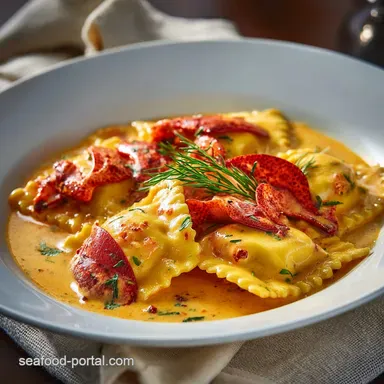
Saffron Cognac Lobster Ravioli Sauce
Ingredients:
Instructions:
Nutrition Facts:
| Calories | 380 calories |
|---|---|
| Fat | 38 g |
| Fiber | 0 g |
