Shrimp Stew with Chorizo: Our Famous Saffron-Kissed Spanish Recipe
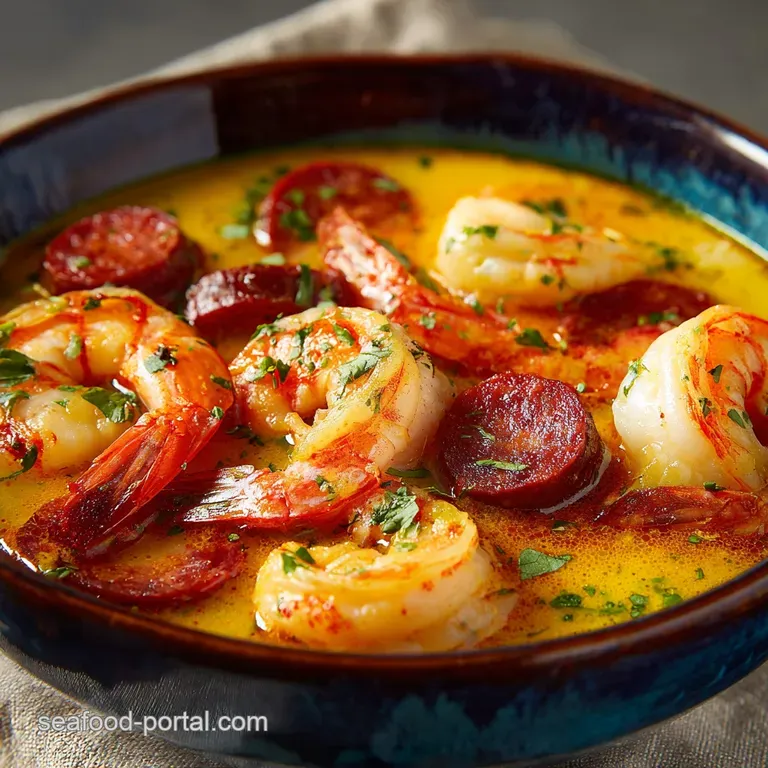
- Introducing the Spanish Armada: Saffron-Kissed Shrimp Stew
- The Science of Flavour: Why This Robust Shrimp Stew Sings
- Essential Ingredients and Expert Substitutions
- Step-by-Step: Crafting Your Signature Saffron Stew
- Chef Graham's Insider Tips & Avoiding Common Shrimp Stew Mistakes
- Preparing Ahead: Storage and Reheating Guidelines
- Serving the Spanish Armada: Perfect Pairings
- Recipe FAQs
- 📝 Recipe Card
Introducing the Spanish Armada: Saffron Kissed Shrimp Stew
Picture this: you walk in the door after a long day, and the kitchen air is thick with the promise of something truly spectacular. The aroma of sweet smoked paprika, rich tomato, and garlic hits you first, quickly followed by that subtle, intoxicating whiff of expensive saffron.
It’s comforting, vibrant, and deep all at once.
This is my absolute go-to recipe for the ultimate hearty Shrimp Stew . It’s the perfect marriage of weeknight speed and Sunday sophistication, requiring minimal effort but delivering a flavour that feels utterly complex.
Honestly, if you can chop vegetables and watch a simmer, you can nail this, and it costs far less than anything you’ll order at a fancy seafood spot.
Trust me, this isn’t your grandmother’s bland, watery seafood chowder. We are building massive flavour from the ground up, starting with a crucial, simple step. Let's crack on and make this robust, spicy shrimp stew happen.
The Science of Flavour: Why This Robust Shrimp Stew Sings
The Spanish Coastal Flavour Profile: Smoke, Spice, and Saffron
The magic of this recipe lies in layering, which sounds complicated but is just strategic cooking. We start by building a smoky, spicy fat foundation using Spanish chorizo, which essentially creates a seasoned cooking oil right in the pot.
Then, we use that flavour packed oil to gently cook the sofrito (the onions and peppers), ensuring every element starts with maximum impact.
Why This Shrimp Stew Isn't Your Average Seafood Chowder
We skip the heavy potatoes and the massive dairy component often found in typical chowders. Instead, this creamy shrimp and vegetable stew uses crushed tomatoes and good quality stock as its base, resulting in a cleaner, brighter flavour.
We finish with just a touch of cream at the end for luxurious texture, allowing the gorgeous saffron and paprika notes to shine through.
What You Need to Get Started: A Quick Prep Overview
Prep is your friend here, so dice up all your onions and peppers before you even turn on the stove. You’ll also need to steep your saffron threads in a tablespoon of hot water or stock for a few minutes. This releases maximum colour and flavor, making that pricey spice really work for you.
Essential Ingredients and Expert Substitutions
I believe in using the best ingredients you can afford, but sometimes life happens, right? Here is what you need and how to swap things out if you’re in a pinch.
Selecting the Perfect Prawns (Size and Preparation)
I recommend using large (16/20 count) shrimp, peeled and deveined. They hold up better in the stew without getting completely lost. Crucially, if you use frozen shrimp, make sure they are fully thawed and patted dry before adding them to the hot liquid; otherwise, they drop the stew’s temperature too quickly.
Chorizo: Spanish vs. Mexican Differences for Stewing
Make sure you grab Spanish Chorizo (the firm, dry-cured or semi cured variety). Mexican chorizo is raw, soft, and usually needs to be removed entirely after rendering, but the Spanish kind is intended to be diced up and left in the stew, adding those perfect, chewy, smoky bites.
Substitutions for Saffron (When Budget is Tight)
Saffron is the signature colour and aroma here, but it is pricey. For a very affordable alternative, use a tiny pinch of turmeric for the yellow colour, though be aware it won't replicate saffron’s unique floral flavour. Honestly?
You can just omit it entirely and still have a knockout spicy shrimp stew with vegetables .
The Role of Sweet Bell Peppers in Balancing Heat
I call for a red bell pepper because its sweetness helps balance the acidity of the tomatoes and the heat of the smoked paprika. Don’t skip the bell pepper it adds essential texture and a vibrant colour that makes the final stew sing.
| Ingredient | My Recommendation | Viable Substitution |
|---|---|---|
| Spanish Chorizo | Cured or semi cured, diced | Smoked bacon lardons (about 5 oz) |
| Saffron | Generous pinch of threads | Small pinch of turmeric for colour |
| Dry White Wine | Pinot Grigio or Sauvignon Blanc | Equivalent amount of high-quality shrimp or vegetable stock |
| Shrimp/Fish Stock | Low sodium stock | Clam juice mixed with 1 cup of water |
| Heavy Cream | Full fat (Double Cream) | Full fat coconut milk for a dairy-free twist (perfect in stews) |
step-by-step: Crafting Your Signature Saffron Stew
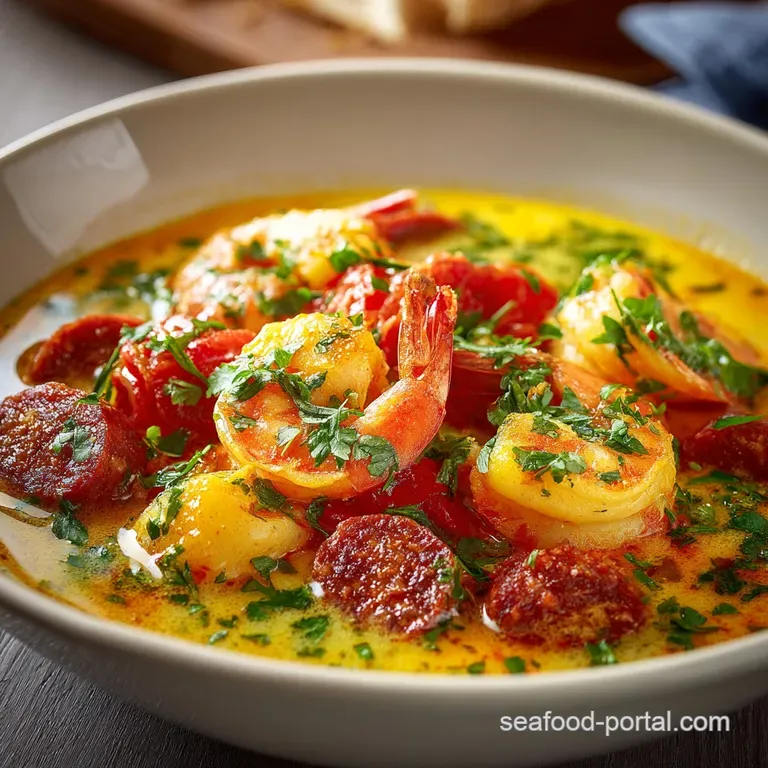
Phase 1: Building the Flavour Foundation (Rendering the Chorizo)
- Release the Smoke: Heat 2 Tbsp of olive oil in your Dutch oven over medium heat. Add the diced Spanish chorizo and cook for about 3– 4 minutes until the fat has melted out and the chorizo pieces are starting to crisp. They should look bright red and glossy.
- Reserve the Flavour: Use a slotted spoon to remove the chorizo and set it aside in a bowl. Leave that incredible, smoky red oil in the pot! This is the most crucial step, trust me.
Phase 2: Developing the Broth and Integrating Aromatics
- Soften the Veg: Reduce the heat to medium low. Add the diced onion and red bell pepper to the oil. Sauté gently until they soften and become translucent, which usually takes 6 to 8 minutes. We aren’t looking for browning here, just softness.
- Bloom the Spice: Add the minced garlic, 1 Tbsp of smoked paprika, and oregano. Cook, stirring constantly, for just 1 minute until you smell the nutty aroma of the spices blooming in the oil. This step activates the paprika’s flavour.
- Deglaze with Wine: Pour in the ½ cup of dry white wine. Increase the heat slightly and scrape the bottom of the pot vigorously, lifting up all those yummy browned bits ( fonds ). Let the wine reduce by half about 2 minutes.
- Build the Broth: Add the crushed tomatoes, the 3 cups of stock, the bay leaves, and the steeped saffron threads (including the liquid). Bring the stew to a gentle simmer, cover partially, and let it mingle for 15 minutes.
Phase 3: The Delicate Cook (Adding the Shrimp and Cream)
- Finalize the Seasoning: Remove the bay leaves. Stir in the heavy cream. Now is the time to taste and adjust your salt and pepper until the broth is perfect. It should taste robust and perfectly balanced.
- The Quick Finish: Bring the stew back to a gentle simmer. Add the peeled shrimp and the reserved, rendered chorizo back into the pot.
- Monitor Closely: Cook the shrimp for only 3 to 5 minutes, stirring once or twice. When they curl into a C-shape and turn opaque pink, they are done. Do not walk away!
The Crucial Resting Period (Letting the Flavours Marry)
Remove the pot from the heat immediately after the shrimp is cooked. Let it rest for 5 minutes before serving. This allows the heat to redistribute and stops the residual heat from overcooking the delicate seafood stew with shrimp .
Chef Graham's Insider Tips & Avoiding Common Shrimp Stew Mistakes
Avoiding Rubberiness: Never Overcook the Shrimp
This is where most cooks fail. Shrimp transition from tender to tough and rubbery in a heartbeat. The moment they are fully pink and curled, pull the pot off the heat. If you're nervous, pull a test shrimp out after 3 minutes and check the centre.
Troubleshooting: Why is My Stew Too Thin?
Did you skip the simmering time? If your stew is too runny after adding the cream, try simmering it gently for an extra 5– 10 minutes before adding the shrimp.
If you’ve already added the shrimp, remove the shrimp with a slotted spoon, simmer the liquid until reduced, then add the shrimp back just to warm through.
Balancing the Smoke and the Spice (Adjusting Paprika)
A whole tablespoon of smoked paprika gives incredible depth, but if you're sensitive to strong smoke flavour, start with 2 teaspoons. You can always add more later! If you want a truly fiery Cajun Shrimp Stew , add a pinch of cayenne along with the smoked paprika in step 4.
Chef's Note: If you want a rich, dark base like the one in my traditional Shrimp Gumbo: Rich, Smoky Southern Stew with Traditional Dark Roux , you would start with a roux, but for this Spanish style quick stew, the rendered chorizo fat does all the heavy lifting.
Preparing Ahead: Storage and Reheating Guidelines
Freezing the Base (The Chorizo Broth Pre-Shrimp)
The tomato and chorizo base freezes beautifully. Cook the stew fully up until Step 7 (before adding the shrimp and cream). Store the base in an airtight container for up to 3 months. Thaw overnight, then bring to a simmer, stir in the cream, and add fresh shrimp.
How Long Does Cooked Shrimp Stew Last in the Fridge?
Since it contains seafood and cream, you should consume this stew within 3 days of cooking. Store it in a shallow, sealed container to help it cool down faster, which keeps it safer.
Reheating Stew Without Ruining the Texture
Never boil leftover stew; you will turn the shrimp into little pink rubber balls. Reheat gently on the stovetop over low heat, stirring occasionally, until just steaming hot. If the stew seems too thick, add a splash of stock or water to loosen it up before serving.
Serving the Spanish Armada: Perfect Pairings
This rich, creamy shrimp stew demands a sturdy carb to soak up every last drop of that glorious, saffron kissed sauce. I serve it with thick slices of crusty, artisanal sourdough bread.
A simple side of fresh greens dressed lightly with olive oil and white wine vinegar is a fantastic counterpoint. It cuts through the richness beautifully. And if you are looking for other fast ways to enjoy seafood, but maybe need a slightly lighter option, my Shrimp Stir Fry: Easy 20 Minute Zesty Ginger Garlic Recipe is another weeknight hero you should check out!
Recipe FAQs
Can I substitute the shrimp with other types of seafood?
Yes, this rich Spanish stew base works excellently with firm white fish like cod or snapper, or other shellfish such as scallops and mussels. If using fish fillets, add them slightly earlier than the shrimp, allowing about 5 7 minutes for them to poach through in the hot broth.
Saffron is expensive. Is there a suitable substitute?
Saffron provides a unique colour and delicate flavour that is difficult to replicate entirely, but if necessary, you can omit it without ruining the stew. Alternatively, you may use a tiny pinch of turmeric primarily for the vibrant yellow colour, but rely heavily on the smoky chorizo and paprika for the required depth of flavour.
Why did my shrimp turn out tough or rubbery?
Shrimp overcooks very quickly when exposed to prolonged heat, causing the proteins to seize up and become rubbery. Ensure your stew is simmering gently and only add the shrimp during the very last 3 4 minutes of cooking. Remove the pot from the heat immediately as soon as the shrimp turn pink and opaque.
Can I make this stew dairy-free or adjust it for gluten sensitivities?
To make the stew dairy-free, simply skip the final addition of cream, as the tomato and chorizo foundation is robust enough to carry the flavour profile. For gluten-free adjustments, ensure the brand of chorizo sausage you use does not contain any added wheat binders or starches.
My stew broth seems too thin. How can I thicken it slightly?
If you included potatoes or beans in the stew, a traditional method is to mash a few of these soft pieces against the side of the pot to naturally release starch into the broth. Alternatively, you can stir in a teaspoon of cornstarch dissolved in a tablespoon of cold water right before the final simmer.
How should I store and reheat leftover Saffron Kissed Shrimp Stew?
Store the completely cooled stew in an airtight container in the refrigerator for up to 3 days. When reheating, do so gently on the stovetop over low heat, stirring occasionally. Avoid aggressively boiling the stew, as this will result in overcooked, tough shrimp.
Should I use pre-cooked chorizo, and how spicy should it be?
This recipe assumes you are using cured, ready-to-eat Spanish chorizo, which is firm and sliced, not the fresh, raw Mexican variety. Use a chorizo that falls into the mild or medium heat range unless you specifically prefer a significantly fiery stew.
The fat rendered from the chorizo is essential for building the initial flavour base.
Saffron Chorizo Creamy Shrimp Stew
Ingredients:
Instructions:
Nutrition Facts:
| Calories | 450 kcal |
|---|---|
| Fat | 22.5 g |
| Fiber | 4 g |
