Roasted Branzino with Lemon and Herbs
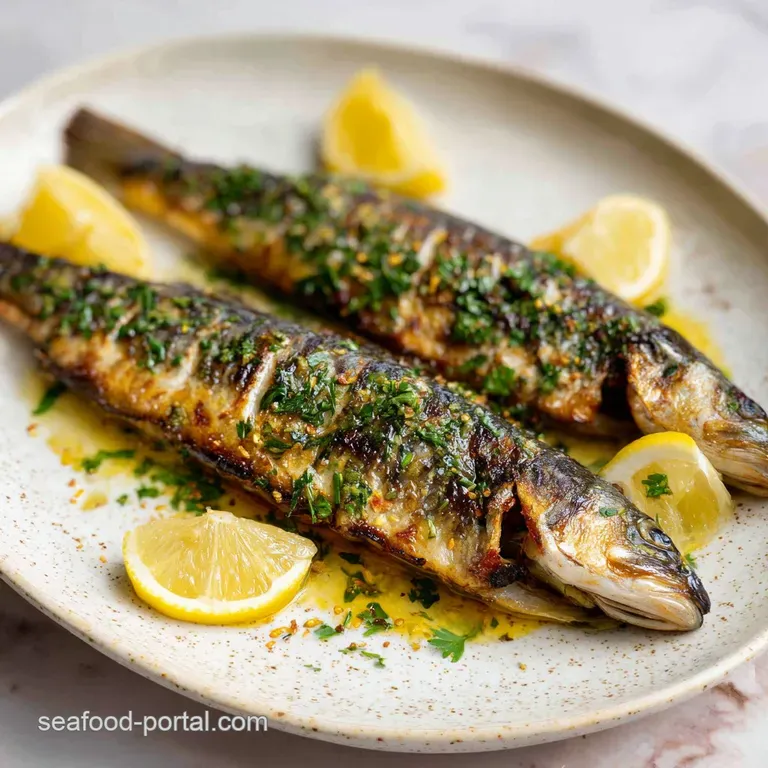
- Time: Active 10 minutes, Passive 20 minutes, Total 30 minutes
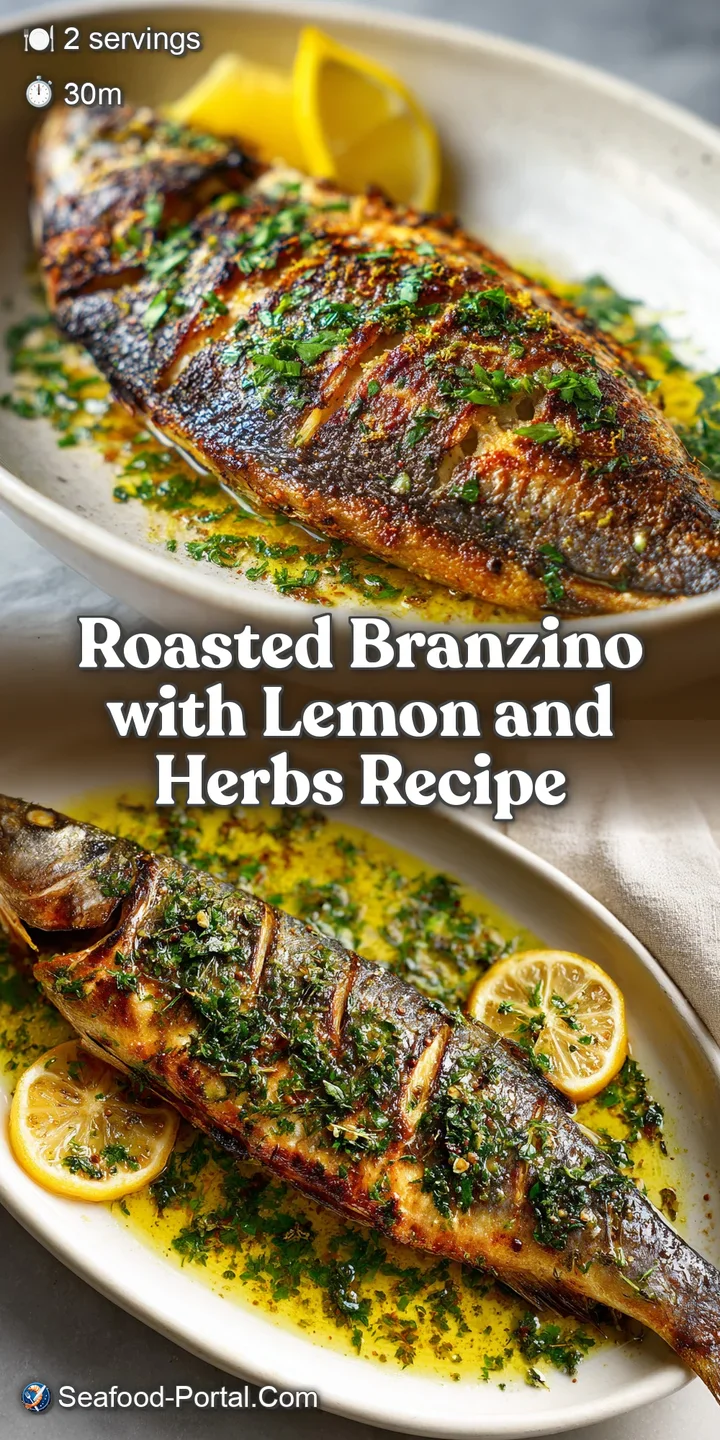
- Flavor/Texture Hook: Crispy, salty skin contrasting with velvety, lemon infused white fish.
- Perfect for: Impressive date nights or a healthy, lightning fast weeknight dinner.
- Simple Roasted Branzino with Lemon and Herbs
- Science of the Crispy Skin
- Essential Recipe Specifications
- Ingredients for This Recipe
- Best Tools for Roasting
- Detailed Step-by-Step Method
- Fixing Common Cooking Mistakes
- Changing Flavors for Diets
- Proper Storage Guidelines and Waste Reduction
- Best Sides for Branzino
- Kitchen Wisdom and Myths
- Very High in Sodium
- Recipe FAQs
- 📝 Recipe Card
Simple Roasted Branzino with Lemon and Herbs
I still remember the first time I stood at the fish counter, staring down a pair of whole branzinos. I was intimidated by the eyes, the fins, and the whole "don't overcook it" pressure. I eventually took them home, stuffed them with way too much garlic, and prayed to the kitchen gods.
When I pulled that tray out of the oven and heard the sizzle of the skin hitting the air, I knew I had stumbled onto something special.
The aroma of charred rosemary and bright lemon fills your entire home in a way that just feels right. It is not about fancy techniques or secret gadgets. It is about the contrast between that paper thin, crackly skin and the tender, flaky meat hiding underneath.
Honestly, once you master this, you might never go back to plain old fillets again.
We are going to walk through this together so you don't make the same mistakes I did. No soggy skin and no dry fish allowed here. We are going for that perfect Mediterranean vibe where the ingredients do all the heavy lifting for us. Trust me, it is much easier than it looks, and the payoff is huge.
Science of the Crispy Skin
Achieving Total Surface Dehydration
The secret to that crackly skin is removing every molecule of moisture from the exterior before it hits the heat. If the skin is wet, the oven's energy goes into evaporating water (steaming) instead of crisping the fat (searing). I always use three paper towels per fish to get them bone dry.
Utilizing Cavity Convection
By stuffing the fish with lemon slices and herb sprigs, we create a micro environment inside the ribs. The moisture from the lemon creates scented steam that cooks the fish from the inside out, while the dry oven air handles the outside.
This dual zone cooking prevents the delicate meat from drying out during the over high heat roast.
Managing Protein Coagulation
Fish proteins are delicate and shrink rapidly when heat is applied too fast. We use a 400°F (200°C) environment which is hot enough to brown the skin but gentle enough that the bones act as a heat sink.
The bones protect the meat and distribute warmth evenly, ensuring the center stays juicy.
| Fish Thickness | Internal Temp | Rest Time | Visual Cue |
|---|---|---|---|
| 1 inch | 145°F (63°C) | 3 mins | Flesh is opaque |
| 1.5 inches | 145°F (63°C) | 4 mins | Dorsal fin pulls out |
| 2 inches | 145°F (63°C) | 5 mins | Juice runs clear |
Selecting the right size of fish is the first step toward success. If your branzino is much larger than the 1.25 lbs mentioned in the specs, you will need to add about 5 minutes to the clock. Always check for doneness by seeing if the meat flakes easily near the spine with a fork.
Essential Recipe Specifications
Getting the numbers right is what separates a good meal from a legendary one. We are working with 2 whole branzinos today, which is the perfect amount for two people. If you are cooking for a crowd, you can easily double this, but don't crowd the pan.
If the fish are touching, they will steam each other and you will lose that crunch.
Flavor Profile Map
- Primary Note: Zesty citrus and earthy rosemary.
- Secondary Note: Peppery olive oil and savory garlic.
- Texture: Shatter crisp skin with a buttery, melt in-your mouth interior.
Component Analysis
| Ingredient | Science Role | Pro Secret |
|---|---|---|
| Branzino | Protein Base | Leave the tail on; it protects the thin end from burning. |
| Olive Oil | Heat Conductor | Rub it in well to fill every scale gap for even browning. |
| Rosemary | Essential Oil | Rub the sprigs between your hands to release oils before stuffing. |
| Flaky Salt | Moisture Drawer | Use coarse salt to create tiny "craters" of crunch on the skin. |
The choice of oil matters quite a bit here. You want a high-quality extra virgin olive oil, but don't worry about using your most expensive finishing oil for the roasting part. Save the fancy stuff for a final drizzle once the fish comes out of the heat.
The heat will change the flavor profile anyway, so a standard, reliable EVOO is your best friend here.
Ingredients for This Recipe
- 2 Whole Branzinos (1.25 lbs each): Scaled and gutted. Why this? Whole fish stays far moister than fillets thanks to the bone structure.
- 2 tbsp Extra Virgin Olive Oil: For coating. Why this? It conducts heat to the skin for that golden finish.
- 1.5 tsp Flaky Sea Salt: For seasoning. Why this? Flakes stick better to the skin than fine table salt.
- 0.5 tsp Black Pepper: Freshly cracked. Why this? Pre ground pepper loses its punch too fast.
- 1 Large Lemon: Sliced into rounds. Why this? Provides the acid needed to cut through the rich fish oils.
- 6 Sprigs Fresh Thyme: For the cavity. Why this? Adds a subtle, floral earthiness that isn't overpowering.
- 4 Sprigs Fresh Rosemary: For the cavity. Why this? The piney notes pair perfectly with charred lemon.
- 4 Cloves Garlic: Smashed. Why this? Mincing would burn; smashed cloves infuse the oil gently.
- 1 Bunch Italian Parsley: Chopped. Why this? Adds a fresh, grassy finish to the heavy flavors.
- 1 Lemon: Extra wedges. Why this? A final squeeze of raw juice brightens everything up.
| Original Ingredient | Substitute | Why It Works |
|---|---|---|
| Branzino | Sea Bream (Orata) | Similar size and fat content. Very close in flavor. |
| Fresh Rosemary | Dried Oregano | Use 1 tsp. Adds a different but lovely Greek vibe. |
| Flaky Sea Salt | Kosher Salt | Similar texture, though use 1 tsp as it is denser. |
If you are new to whole fish, don't be afraid to ask your fishmonger to do the dirty work. Ask them to "scale and gut" the fish for you. Most places will do this for free. It saves you a massive cleanup in your own kitchen and ensures you aren't biting into a stray scale later.
Best Tools for Roasting
You don't need a specialized fish poacher for this. A simple, large rimmed baking sheet is usually the best tool for the job. I prefer heavy duty aluminum or stainless steel because they distribute heat evenly without warping.
If you want a more rustic look, a large cast iron skillet (like a 12 inch Lodge) works wonders because it holds onto heat and helps crisp the bottom of the fish.
Having a good pair of kitchen shears is also a lifesaver. I use them to snip off any sharp dorsal fins that the fishmonger might have missed. It makes the fish safer to handle and look much cleaner on the plate. Also, grab a thin metal spatula (often called a fish spatula) to lift the roasted branzino off the tray.
It is flexible enough to slide under the skin without tearing it.
If you are worried about cleanup, you can use parchment paper. But be warned: the skin won't get quite as crispy on parchment as it will directly on a metal pan. I usually opt for a light grease on the pan and take the risk for that extra crunch. If you're looking for a different approach to seafood, you might notice how this over high heat method differs from the more delicate Lemon Herb Baked recipe used for smaller trout.
Detailed step-by-step Method
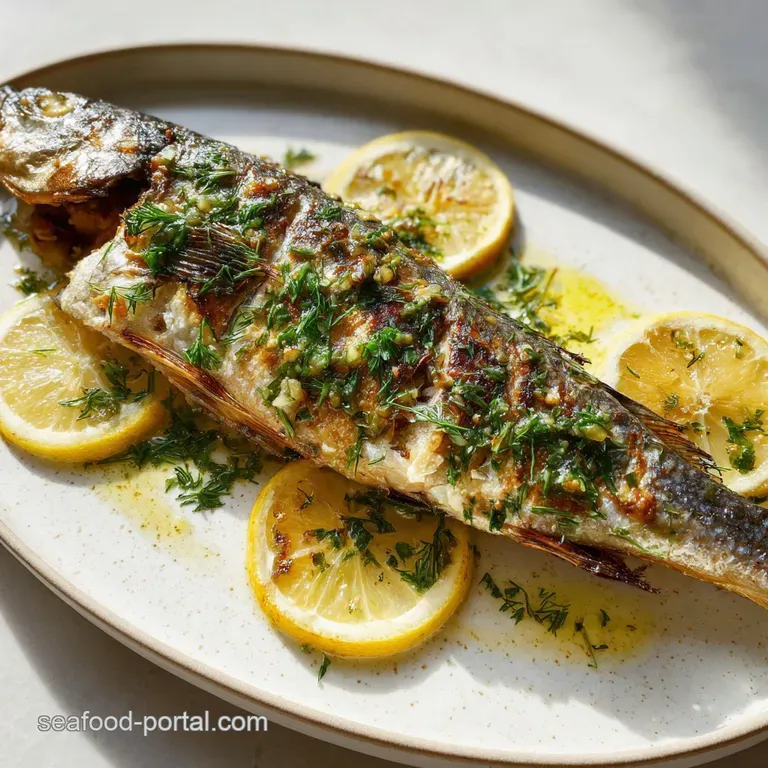
- Preheat your oven. Set it to 400°F (200°C). Note: A hot oven is non negotiable for crispy skin.
- Dry the fish. Use paper towels to pat the branzino inside and out until the skin feels tacky and dry.
- Season the cavity. Sprinkle a pinch of salt and pepper inside the belly of each fish.
- Stuff with aromatics. Place 3 lemon slices, 3 sprigs of thyme, 2 sprigs of rosemary, and 2 smashed garlic cloves inside each fish.
- Oil the exterior. Rub 1 tablespoon of olive oil over the skin of each fish until they are fully glistening.
- Apply the crust. Generously sprinkle the remaining flaky salt and pepper over both sides of the fish.
- Arrange on the pan. Place the fish on your baking sheet, ensuring they aren't touching each other.
- Roast the fish. Bake for 18-20 minutes until the skin is browned and the eyes have turned white.
- Check for doneness. Insert a fork near the head; the meat should flake away from the bone easily.
- Rest and garnish. Let the fish sit for 3 minutes, then shower with fresh parsley and extra lemon wedges.
While the fish is roasting, you will hear it start to sizzle around the 12 minute mark. This is the sound of the fat rendering out. Don't be tempted to open the oven door and let the heat out. Let that dry air do its work.
If you have a convection setting, feel free to use it; it will cut about 2 minutes off the time and result in even crispier skin.
The technique here is actually quite similar to what I use in my Herb Crusted Baked Haddock Recipe, where heat management is the key to keeping the white fish from turning into rubber. The bones in the branzino give you a bit more of a safety net, though.
Fixing Common Cooking Mistakes
Why Your Fish Skin is Soggy
This is the most common heartbreak in seafood cooking. Usually, it comes down to moisture. If you didn't pat the fish dry, or if you piled a bunch of wet lemons on top of the fish instead of inside it, the skin will steam.
Always keep the top surface of the fish clear of anything that holds water so the dry heat can hit the skin directly.
Stopping the Fish from Sticking
It is incredibly frustrating to roast a perfect fish only to have half the skin stay on the pan. To prevent this, make sure your pan is clean and lightly oiled. Also, don't try to flip the fish! With whole roasted branzino with lemon and herbs, there is absolutely no need to flip. Let it sit undisturbed.
Overcoming Fishy Aromas
If your kitchen smells like a bait shop, your fish wasn't fresh or you didn't clean the cavity well enough. Always rinse the inside of the fish under cold water and pat it dry before stuffing. Fresh branzino should smell like the ocean, not like "fish."
| Problem | Root Cause | Solution |
|---|---|---|
| Dry Meat | Overcooked | Pull the fish at 140°F (60°C); carryover will hit 145°F. |
| Burnt Herbs | Too much exposure | Tuck herbs deeper into the cavity so the fish protects them. |
| Dull Flavor | Lack of Acid | Double the lemon juice squeeze right before eating. |
Common Mistakes Checklist
- ✓ Skipping the drying step (leads to rubbery skin)
- ✓ Using a cold oven (prevents the sear)
- ✓ Overstuffing the cavity (prevents even cooking)
- ✓ Forgetting to season the inside (makes the meat bland)
- ✓ Moving the fish mid roast (tears the skin)
Changing Flavors for Diets
If you are looking to mix things up or need to accommodate specific needs, this recipe is incredibly flexible. For a low sodium version, swap the sea salt for a blend of lemon zest and extra garlic powder. The citrus "tricks" the tongue into thinking there is more salt than there actually is.
For a more intense Mediterranean profile, add a tablespoon of drained capers or some sliced kalamata olives into the cavity along with the herbs. The saltiness of the olives seeps into the meat as it roasts, creating a deeper, brinier flavor. If you want to go the "Restaurant Quality" route, you could even try a stuffing similar to my RestaurantQuality Stuffed Flounder recipe, though keep it light so the fish still cooks through.
Quick Decision Guide
- If you want more smoke: Use smoked paprika in the rub.
- If you want it spicy: Add a pinch of red chili flakes to the olive oil.
- If you want it herb heavy: Use a mix of dill and mint for a brighter, Greek style finish.
When scaling this recipe up, remember that two fish fit comfortably on a standard sheet pan. If you are making four, use two separate pans and rotate them halfway through the cooking time. This ensures that the airflow remains consistent for both trays.
Do not try to squeeze four fish onto one pan, or you will end up with a soggy, steamed mess.
Proper Storage Guidelines and Waste Reduction
Whole fish is definitely best enjoyed fresh out of the oven, but if you have leftovers, they don't have to go to waste. You can flake the meat off the bones and store it in an airtight container in the fridge for up to 2 days. I don't recommend freezing cooked branzino as the texture becomes quite mushy once thawed.
To reheat, avoid the microwave at all costs. It will turn the fish into a rubber ball. Instead, place the flaked meat in a pan with a tiny bit of butter or oil over medium heat just until warmed through.
Alternatively, cold leftover branzino is fantastic stirred into a salad or folded into some pasta with a little extra lemon and olive oil.
Zero Waste Tips
- Fish Bones: Don't throw them away! Simmer the skeletons with an onion and a carrot for 20 minutes to make a light, flavorful fish stock.
- Herb Stems: The woody ends of the rosemary and thyme are full of flavor. Throw them into your stock pot or use them as skewers for grilled veggies.
- Lemon Rinds: After squeezing, toss the spent rinds into your garbage disposal to freshen it up, or zest them before slicing to save for a future marinade.
Best Sides for Branzino
When thinking about what to serve with this dish, keep it simple. The fish is the star, so you want sides that complement the lemon and herbs without competing for attention. Roasted potatoes are a classic choice you can even roast them on a separate pan at the same time as the fish.
Just cut them small so they finish in the same 20 minute window.
A crisp, green salad with a sharp vinaigrette is another winner. The acidity in the dressing mirrors the lemon in the fish and cleanses the palate between bites. If you want something heartier, a simple garlic and parsley couscous or some blanched green beans with toasted almonds works beautifully.
- Option 1: Crispy smashed potatoes with rosemary.
- Option 2: Arugula salad with shaved parmesan and lemon.
- Option 3: Blanched asparagus with a drizzle of browned butter.
Kitchen Wisdom and Myths
There is a common myth that you should never eat the skin of the fish. That is total nonsense! As long as the fish has been properly scaled, the skin is one of the most flavorful parts of the dish. It contains healthy fats and provides that essential texture.
If it's crispy, it's a treat; if it's soggy, that's when people tend to push it aside.
Another misconception is that cooking fish on the bone makes it "fishier." In reality, the bones provide a barrier that prevents the delicate oils from oxidizing too quickly, which actually keeps the flavor cleaner and sweeter.
Plus, the marrow in the bones adds a subtle richness to the meat that you just can't get with a fillet.
Finally,, don't worry about the "doneness" too much. If the dorsal fin (the one on the back) pulls out easily with zero resistance, your fish is done. It is the most reliable low tech thermometer in your kitchen. Just give it a gentle tug; if it slides out like a toothpick from a cupcake, you're ready to eat.
Enjoy the process, and don't forget that extra squeeze of lemon at the end!
Very High in Sodium
1740 mg of sodium per serving (76% of daily value)
American Heart Association recommends limiting sodium intake to about 2,300mg per day for overall cardiovascular health.
Tips to Reduce Sodium in Your Branzino Recipe
-
Reduce Sea Salt-25%
Flaky sea salt is a significant source of sodium in this recipe. Reduce the amount of flaky sea salt used from 1.5 tsp to 0.75 tsp. You can always add more at the table if needed, but start with less for a healthier dish.
-
Lemon Juice Boost-15%
Enhance the flavor with more lemon juice instead of relying on salt. Squeeze fresh lemon juice over the branzino before and after cooking to brighten the taste.
-
Herb Power!-10%
Fresh herbs provide wonderful flavor without adding sodium. Double the amount of fresh thyme, rosemary, and parsley in the recipe to create a more robust taste and reduce reliance on salt.
-
Spice It Up-5%
Experiment with adding other spices like garlic powder (sodium free), onion powder, or a pinch of red pepper flakes for added depth of flavor. The goal is to enhance other tastes, allowing for less reliance on salt.
-
Garlic Infusion-5%
Infuse olive oil with garlic by gently heating smashed garlic cloves in the oil before adding it to the branzino. This adds flavor and depth and reducing need for salt.
-
Freshness Matters-5%
Ensure your branzino is as fresh as possible. Fresh fish naturally tastes better and requires less seasoning, potentially reducing your need for salt.
-
Experiment with Herbs & Spices
Explore different combinations of herbs and spices to find flavors you enjoy. There are countless sodium free options to enhance your cooking!
Recipe FAQs
What herbs go best with branzino?
Rosemary and thyme are the best initial choices. Their piney and earthy notes perfectly complement the mild, sweet flesh of branzino when roasted with lemon. You can finish the dish with fresh parsley for a bright lift.
What herb goes well with lemon and fish?
Dill, parsley, and tarragon are excellent with lemon and white fish. Parsley adds freshness, while dill provides a slight anise background that pairs wonderfully with the citrus acidity. If you want a brighter, Greek inspired flavor, consider adding mint.
How long to keep branzino in the oven?
Roast for 18 to 20 minutes at 400°F (200°C). The fish is done when the internal temperature reaches 145°F (63°C) and the dorsal fin pulls out easily. Always check for doneness near the spine, as this area cooks slowest.
What is the best way to prepare branzino fillets?
Sear skin side down in a hot, oiled skillet until 80% cooked. Then, flip briefly and finish under a broiler or in a hot oven to crisp the top without drying the flesh. If you prefer an all-oven approach, mastering high heat roasting like we do here is key for crispy skin, similar to the technique used in our Pan-Seared Ruby Red recipe.
Is it true I must use very high heat for crispy branzino skin?
Yes, high heat is necessary for immediate skin crisping. You must start with a hot oven (400°F or higher) to immediately start rendering the fat and dehydrating the skin surface. If the heat is too low, the moisture steams out, resulting in rubbery skin.
Can I roast branzino on parchment paper?
No, parchment paper inhibits maximum skin crispness. While it prevents sticking and aids cleanup, the paper insulates the skin from the direct heat of the baking sheet. For the best shatter, place the fish directly onto a lightly oiled metal pan.
What should I serve with roasted branzino?
Serve with simple, acidic sides like roasted potatoes or arugula salad. These sides won't overpower the delicate fish flavor. If you are looking for a richer accompaniment, try a side of pasta featuring a bright sauce, like in our Shrimp and Gnocchi recipe.
Roasted Branzino With Lemon
Ingredients:
Instructions:
Nutrition Facts:
| Calories | 388 kcal |
|---|---|
| Protein | 46.5 g |
| Fat | 19.2 g |
| Carbs | 4.8 g |
| Fiber | 1.4 g |
| Sugar | 0.9 g |
| Sodium | 1740 mg |
