Lobster Stew: the Rich Creamy Coastal Classic
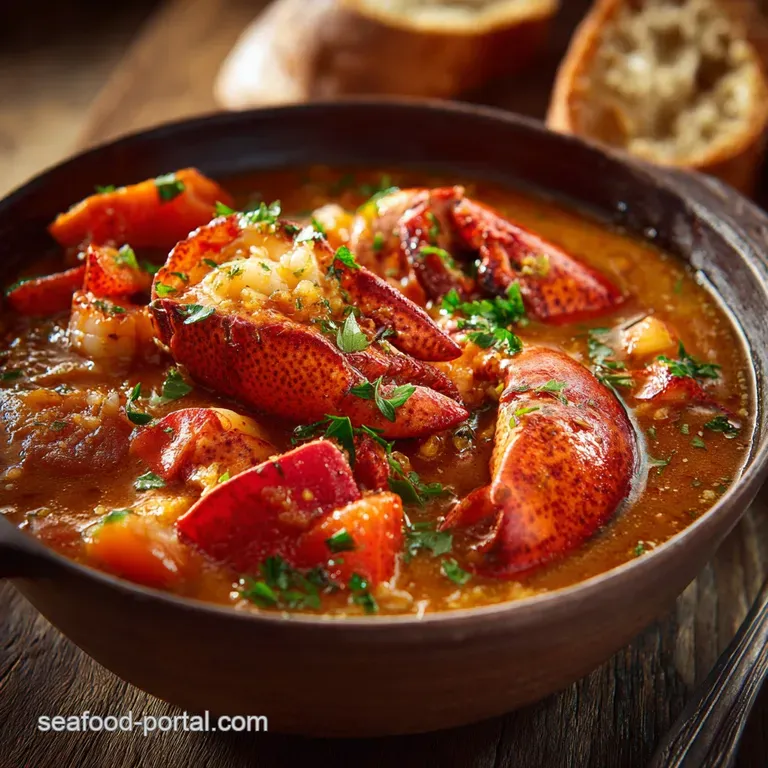
- The Epitome of Comfort: Why This Lobster Stew is Pure Luxury
- Maximizing Sweetness: The Culinary Science Behind the Flavor
- Essential Components: What You Need for the Ultimate Stew
- Crafting the Stew: The Step-by-Step Method
- Expert Techniques: Ensuring a Flawless Result
- Presentation, Pairing, and Preparation Ahead
- Recipe FAQs
- 📝 Recipe Card
The Epitome of Comfort: Why This Lobster Stew is Pure Luxury
The smell of warm butter, simmering aromatics, and the delicate sweetness of the sea that’s the scent that hits you when you ladle out a bowl of true luxury. The ultimate comfort food? It has to be Lobster Stew .
It’s rich, yes, but unlike a heavy chowder, this version is elegant, velvety, and showcases the incredible flavour of fresh lobster above everything else.
People often think of seafood dishes this calibre as fussy or wildly expensive, but I’m here to tell you that this recipe is a total lifesaver. You can prep the stock base ahead of time, the final assembly takes less than 15 minutes, and honestly, making this dish at home is exponentially cheaper than ordering it in a fancy restaurant.
It makes a normal Tuesday feel like a holiday.
This isn’t just some random creamy soup. We are building flavor from the ground up, starting with a deeply concentrated stock, and finishing with a gentle hand to preserve the tender texture of the meat.
Get ready to ditch those complicated recipes, because this homemade Lobster Stew is the real deal. Let's crack on.
Maximizing Sweetness: The Culinary Science Behind the Flavor
I’ve made a lot of mistakes in the kitchen like that time I boiled stock for four hours and accidentally made concrete so trust me when I say the secret to an outstanding Lobster Stew isn't complexity; it’s patience and process.
We are deliberately breaking down the elements of a classic French technique and applying them here to ensure maximum lobster flavor extraction and a silky smooth finish.
Prep Time and Active Cooking Breakdown
This Lobster Stew Recipe is surprisingly hands off once the initial stock work is done. You spend most of the time just letting the shells do their flavor magic.
| Stage | Estimate | Notes |
|---|---|---|
| Stock Prep | 35 minutes | Includes sautéing and simmering. |
| Stew Base (Roux) | 10 minutes | Quick thickening and mixing. |
| Final Assembly | 5 minutes | Don't overcook the meat here! |
The Difference Between Stew, Bisque, and Chowder
This is crucial for anyone obsessed with classification, and honestly, knowing the difference makes you a better cook. A classic Lobster Stew is defined by its simple, pure flavor profile, usually relying heavily on cream, butter, and the main ingredient.
It often contains generous, clean chunks of protein.
A Bisque, like my classic [Lobster Bisque: The Proper French Classic Soup Recipe], is traditionally thickened with rice or pureed shells, is strained until perfectly smooth, and often incorporates wine or brandy for complexity.
Chowder, on the other hand, is much thicker, rustic, and always contains potatoes and/or corn, with a milk or cream base, making it much heartier. Our Lobster Stew falls right in the middle: refined, creamy, but centered entirely on the meat itself.
Understanding the Stock: The Backbone of the Dish
The backbone of any perfect Lobster Stew is a deeply flavored stock (or fumé ). If you just add pre-cooked lobster meat to cream, you’ll get creamy lobster chunks, but zero depth.
We use the shells the source of all the flavor compounds to simmer gently with aromatics. This extracts the essence without making the stock bitter or cloudy.
The Maillard Reaction and Shell Treatment
This might sound like a science class, but bear with me. Sautéing the shells in butter before adding water is critical. This process, known as the Maillard reaction, caramelizes the residual sugars on the shells, adding deep, nutty, roasted notes. Do not skip this step!
If you just boil the shells, the resulting stock will be thin and one-dimensional. My favorite little trick is briefly roasting the shells first to boost that nutty flavor even more.
Achieving the Perfect Creamy Emulsion
The secret to a successful Lobster Stew texture is balancing fat and liquid through a gentle roux, followed by a slow introduction of dairy. The roux (butter + flour) stabilizes the liquid, allowing the heavy cream and milk to emulsify perfectly without separating.
We are looking for a velvety coating consistency, not a gloopy, sticky thickness.
Balancing Acidity and Richness
Because this dish is inherently rich (thanks to all the butter and heavy cream), we need two things to keep it palatable: a little acidity and a flavor punch. The splash of white wine used to deglaze the shells in the stock phase provides the necessary acidity.
Then, the dry sherry added at the very end is pure magic it adds warmth and complexity that cuts through the fat without being overtly boozy.
Essential Components: What You Need for the Ultimate Stew
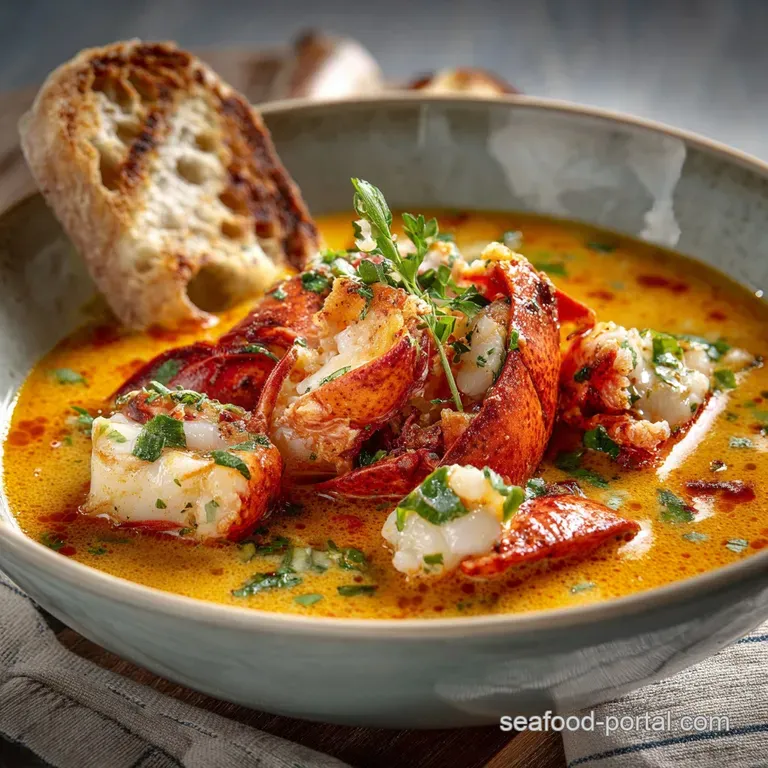
We aren't making just any creamy soup; we are crafting a classic, high ranking Lobster Stew . This means using ingredients that punch above their weight.
Choosing Your Lobster: Live vs. Flash Frozen Tails
The best flavor always comes from live, fresh lobster, which you cook immediately before using. However, that’s not always practical or affordable.
| Option | Pros | Cons | Viable Substitute? |
|---|---|---|---|
| Live Whole Lobster | Best flavor, freshest stock. | High cost, messy preparation. | None for absolute best flavor. |
| Pre-Cooked Whole Lobster | Easier meat extraction, good shells. | Meat can be slightly rubbery if chilled too long. | Use immediately after purchase. |
| Flash Frozen Tails | Convenient, affordable tails only. | No shells means you need separate seafood stock. | Yes, if using separate stock. |
Expert Tip: If you use flash frozen tails only, ask your fishmonger for any discarded lobster or crab shells they often sell them for next to nothing, and those shells are the true secret to this spectacular Lobster Stew .
Dairy Choices: Selecting the Ideal Fat Content
You need full fat dairy here, end of story. The high fat content prevents curdling when introduced to the stock and delivers the luxurious mouthfeel this stew demands. Whole milk is great, but the heavy cream (35% butterfat or higher) is non-negotiable for the final richness.
| Ingredient | Role | Substitution |
|---|---|---|
| Heavy Cream | Richness and texture. | Half and half (will be thinner) or Evaporated Milk. |
| Whole Milk | Body and dilution. | 2% milk (but you lose creaminess). |
| Unsalted Butter | Fat for sautéing and roux. | Clarified butter (ghee) or neutral oil (less flavor). |
The Role of Mirepoix Aromatics in the Base
The simple trio of onion, celery, and bay leaf provides a foundational aroma for the stock without overpowering the delicate lobster. We use a rough chop here because they are being strained out anyway. Don't worry about tiny dicing; we just need their soul.
Substitutions for Homemade Seafood Stock
Look, I get it. Sometimes you just don't have time to simmer shells for half an hour. But you absolutely cannot make this Lobster Stew with just water and cream. Don't cheat your stew on flavor.
If you cannot make the stock from lobster shells, your best option is high-quality fish stock or clam juice. Avoid chicken or vegetable stock at all costs. The flavors clash terribly with delicate shellfish.
Crafting the Stew: The step-by-step Method
This is where we put those science lessons into practice. Remember, the key is separating the stages: make the stock intense, then build the base gentle, then add the meat last.
Stage 1: Creating the Deeply Flavored Lobster Fumet
You want those shells to scream "lobster!"
- Sauté and Crush: Melt the butter and add all the roughly crushed lobster shells. Use a wooden spoon to press them down. You must sauté vigorously for 5– 7 minutes until they are bright red, slightly sticky, and deeply fragrant.
- Color and Deglaze: Add the mirepoix. After two minutes, stir in the tomato paste until it darkens to a deep rust color that's the key to depth. Pour in the white wine and scrape up all those beautiful brown bits stuck to the bottom.
- Simmer and Skim: Add the water or stock. Bring it just to a boil, then drop the heat to the lowest possible simmer. Cook uncovered for 30 minutes. Always skim off the gray foam that rises during the first ten minutes; that's impurity you don’t want.
- Strain Perfectly: Pour the stock through a fine mesh sieve. I often line mine with a paper towel or cheesecloth to catch the tiny bits. Press gently on the shells to extract liquid, but don't crush them aggressively or your stock will be cloudy. You should have about 4 cups of clear, concentrated stock for the Lobster Stew .
Stage 2: Building the Velvety Cream Base
This is where we turn the intense stock into a creamy hug.
- Sweat Aromatics: Melt the remaining butter in a clean saucepan over medium low heat. Add the minced shallots. Sweat them until they are completely translucent and soft, about 4– 5 minutes. If they brown, start over browned shallots taste bitter in a delicate cream base.
- Form the Roux: Whisk in the flour and cook gently for 2 minutes. Stir constantly; you are aiming for a pale, blonde paste. This cooks out that unpleasant raw flour taste.
- Whisk and Thicken: Gradually, very gradually , whisk the warm lobster stock into the roux base. Whisking slowly prevents lumps. Once smooth, whisk in the whole milk. Bring the mixture to a gentle simmer (don’t let it boil hard!) and cook until it coats the back of a spoon, about 5– 7 minutes. This simmering time is critical for the Lobster Stew base to fully hydrate the starch.
Stage 3: Gentle Infusion and Finishing Touches
Patience, my friend. This is the last mile.
- Add Cream and Sherry: Reduce the heat to the absolute lowest setting. Stir in the heavy cream and the dry sherry. Heat the stew through for just 1– 2 minutes. WARNING: Once the cream is added, the stew must not boil. This is how cream curdles.
- Meat Infusion: Gently fold in the chilled, diced lobster meat. Since the lobster is already cooked, you are only aiming to warm it up. Stir it gently for 90 seconds. Any longer, and the meat will seize up and become rubbery.
- Final Seasoning: Taste the Lobster Stew . Seafood needs salt. Add salt and white pepper until the flavor truly pops. The white pepper keeps the stew aesthetically clean.
Expert Techniques: Ensuring a Flawless Result
Making a premium Lobster Stew is easy, provided you avoid the pitfalls I stumbled into years ago.
The Critical Error of Overcooking Lobster Meat
This is the number one mistake people make when creating any fresh lobster recipes, whether they are making a great Lobster Stew or whipping up my classic [Maine Lobster Roll: Authentic Chilled Recipe (Ready in 60 Minutes)]. Lobster meat is delicate.
If you cook it in boiling water for too long, or if you simmer it in the hot stew for more than two minutes, the proteins tighten up drastically. Result? Tiny, chewy rubber bands instead of tender, sweet morsels. Always add pre-cooked, chilled lobster meat at the very, very end.
Troubleshooting a Broken or Curdled Cream Base
Why did my beautiful creamy Lobster Stew suddenly look like it had cottage cheese floating in it? Two reasons: Too much heat or too much acid added too quickly.
- Fixing a Curdle: If your stew breaks slightly, immediately pull it off the heat. Try whisking in a tablespoon of cold heavy cream or milk very rapidly. Sometimes, this shock can re-emulsify the sauce. If it's too far gone, you must strain it and possibly thicken a new, small roux batch separately, then incorporate the strained liquid slowly.
- Preventing Curdle: Never boil the stew once the heavy cream is in. Also, don't use sour or low-fat dairy.
Enhancing Flavor Without Adding Bulk
If your stew tastes slightly flat even after seasoning, try these simple, high impact boosters:
- A Touch of Heat: A tiny pinch of cayenne pepper wakes up the sweetness of the lobster instantly.
- The Umami Kick: Stir in a half teaspoon of fish sauce at the end. I know it sounds weird, but it deepens the savory notes without tasting fishy. It’s brilliant.
- Dry Sherry: I'm mentioning it again because it is that important for the best damn Lobster Stew . If you skipped it, add it now.
Chef's Note: If you want a fun, heartier stew that still honors the sea, check out my [Shrimp Stew: The Saffron Kissed Spanish Recipe with Chorizo and Cream]. It offers a totally different, spicier profile but uses similar principles for thickening the broth.
Presentation, Pairing, and Preparation Ahead
Recommended Bread Pairings for Dipping
You absolutely need something substantial to soak up that creamy liquid.
- Sourdough: Classic, slightly tart, and the crust holds up wonderfully.
- Warm Baguette: Simple, crisp, and perfect for light dipping.
- Cheddar Bay Biscuits: Okay, if you want full decadence, nothing beats a warm, garlicky biscuit dipped in creamy seafood sauce. It’s an American coastal tradition. (Speaking of, you might love my take on [Red Lobster Sausage Balls: The Ultimate Garlicky Cheddar Bay Recipe]!)
Reheating and Storing Leftovers Safely
Does the classic Lobster Stew freeze well? Not really, due to the high dairy content. Freezing causes the fat and liquid to separate, resulting in a grainy texture upon thawing.
- Refrigeration: Store in an airtight container for up to 3 days.
- Reheating: This is the most important step! Never microwave it, and never boil it. Reheat gently in a saucepan over very low heat, stirring occasionally until just warmed through. If it seems too thick, whisk in a tablespoon of whole milk or cream while reheating.
Nutritional Snapshot (Per Serving)
This is a rich dish, but it’s packed with lean protein from the lobster, making it incredibly satisfying.
| Nutritional Detail | Estimated Value |
|---|---|
| Calories | 620 680 kcal |
| Protein | 38 g |
| Fat (Total) | 45 g |
| Carbohydrates | 15 g |
This elegant, creamy Lobster Stew is simply unbeatable. Enjoy every buttery, sweet spoonful!

Recipe FAQs
Can I use frozen or pre-cooked lobster meat instead of fresh?
While fresh is always ideal for texture, you can use high-quality frozen raw tails, ensuring they are thawed completely before use. Avoid pre-cooked meat if possible, as reheating it in the stew tends to make it tough and slightly rubbery.
If you must use pre-cooked, add it only during the last five minutes of simmering to minimize cooking time.
Why did my stew separate or look grainy when I added the cream?
This common issue, known as curdling, happens when heavy cream is added to a rapidly boiling or highly acidic base. To prevent separation, ensure your stew is simmering gently never boiling when incorporating the dairy.
You can also temper the cream by whisking a ladle of the hot broth into it before pouring the mixture back into the pot.
How do I ensure maximum lobster flavor penetration in the base?
The true secret lies in developing a deep stock from the lobster shells and heads before adding the liquid. Sauté the shells with aromatics like onion, carrot, and celery until fragrant, then deglaze the pot with a splash of dry sherry or white wine.
This process extracts the rich, oceanic compounds and the coveted tomalley for an intensely flavored backbone.
My stew is too thin. How can I thicken it without adding flour?
For a naturally thick and smooth result, you can use a small slurry made from cornstarch mixed with cold water, added slowly while whisking. Alternatively, blend a cup of the hot stew base with a small cooked potato or a tablespoon of steamed rice, then return the mixture to the pot to thicken the stew without altering the flavor profile.
What is the best way to store and reheat leftover Lobster Stew?
Store the stew in an airtight container in the refrigerator for up to three days, cooling it completely before sealing. When reheating, do so very gently on the stovetop over low heat, stirring frequently to ensure even heating and prevent the dairy from separating.
Avoid using high heat or bringing the stew to a boil again.
Can I substitute the heavy cream for a lower fat dairy option?
You can substitute heavy cream with half and-half or whole milk for a lighter stew, but be aware that the final texture will be less rich and velvety. Lower fat dairy products are also much more prone to curdling, so it is crucial to keep the heat extremely low and never allow the stew to boil after the substitution is added.
Is it safe to freeze Lobster Stew?
Freezing is generally discouraged for cream based stews because the high fat content in the dairy tends to separate and become grainy once thawed. If necessary, freeze the broth base before adding any cream or the cooked lobster meat.
You can then incorporate the dairy and meat once the base is thawed and gently reheated.
Rich Creamy Lobster Stew

Ingredients:
Instructions:
Nutrition Facts:
| Calories | 933 kcal |
|---|---|
| Protein | 79.6 g |
| Fat | 52.6 g |
| Carbs | 10.1 g |
