Red Fish Recipe with Lemon: Buttery & Flaky
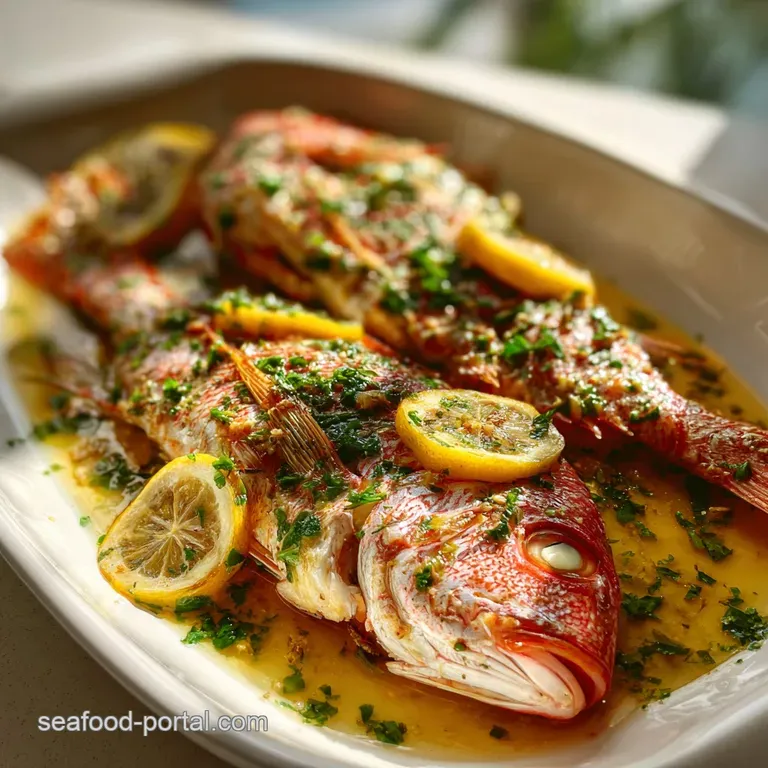
- Time: Active 10 minutes, Passive 12 minutes, Total 22 minutes
- Flavor/Texture Hook: Zesty, velvety, and fork tender
- Perfect for: An impressive weeknight dinner or a light weekend lunch
- Red Fish Recipe with Lemon
- The Science of Flavor
- Ingredient Component Analysis
- Sourcing Fresh Fish Elements
- Essential Kitchen Tools
- Precision Cooking Steps
- Correcting Common Texture Issues
- Scaling Your Serving Sizes
- Creative Flavor Adaptations
- Storage and Waste Tips
- Ideal Side Dish Pairings
- Recipe FAQs
- 📝 Recipe Card
Red Fish Recipe with Lemon
I remember the first time I really messed up a beautiful piece of red snapper. It was gray, sad, and had the texture of a pencil eraser because I was so afraid of undercooking it. I’d just thrown it in a steamer basket with a limp slice of lemon and hoped for the best.
The kitchen smelled like a damp dock, and my husband politely pushed it around his plate for twenty minutes. This red fish recipe with lemon and garlic is a surefire weeknight winner that fixed all those early mistakes I made.
Now, when I pull a tray of these fillets out of the oven, the vibe is completely different. The house fills with the heady, nutty scent of browning butter and the sharp, bright zing of fresh lemon zest hitting a hot pan.
You get that satisfying sizzle the moment the citrus juice hits the melted fat, creating a sauce that’s so rich and glossy it looks like liquid gold.
We're going for a texture that's absolutely velvety on the tongue but has enough structure to flake perfectly when you nudge it with a fork. It’s the kind of meal that feels expensive but actually takes less time to make than boiling a pot of pasta.
Once you see how the garlic mellows out in the lemon butter, you'll never go back to those bland, steamed fish days again.
The Science of Flavor
Acidic Denaturation: The lemon juice acts as a chemical "cook," breaking down tough connective tissues in the fish proteins before they even hit the heat.
Maillard Synergy: Combining smoked paprika with the natural sugars in the redfish creates a deep, savory crust that wouldn't happen with salt alone.
Emulsion Stability: Whisking the lemon juice into melted butter creates a temporary emulsion that coats the fish more evenly than oil, preventing moisture loss.
| Method | Time | Texture | Best For |
|---|---|---|---|
| Fast Oven Bake | 12 minutes | Soft, buttery, tender | Busy weeknights |
| Classic Pan Sear | 15 minutes | Crispy skin, firm | Restaurant presentation |
| Air Fryer | 10 minutes | Very crispy edges | Small batches |
There is a massive difference between a quick weeknight bake and the classic pan sear method. While the oven is great for hands off cooking, the classic method gives you that "shatter" on the skin that we all crave. If you want to expand your repertoire, you might enjoy exploring other Fish Recipes that use similar heat management techniques to keep the meat juicy.
Ingredient Component Analysis
| Ingredient | Science Role | Pro Secret |
|---|---|---|
| Red Snapper | Lean protein source | Pat dry with paper towels to ensure the butter sticks and browns properly. |
| Unsalted Butter | Fat for heat transfer | Use unsalted so you can control the seasoning precisely with the kosher salt. |
| Lemon Zest | High impact aromatics | Zest the lemon before juicing it; the oils are more potent than the juice itself. |
| Smoked Paprika | Color and depth | A tiny amount provides an "outdoor grill" flavor without needing a charcoal pit. |
Selecting the right fat is just as important as the fish itself. While some people prefer olive oil for its health benefits, butter provides a much more velvety mouthfeel that complements the lean nature of the red snapper. If you are looking for a slightly heartier fish with a similar butter basting approach, this Crispy Pan Seared recipe is another fantastic option to try.
Sourcing Fresh Fish Elements
The success of any fish recipe with lemon and garlic starts at the seafood counter. Look for red snapper fillets that are firm to the touch and have a clean, oceanic smell rather than a "fishy" one.
If you can find it, wild caught redfish has a slightly deeper flavor, but red snapper is the gold standard for its sweetness and consistent flake.
- 4 (6 oz) Red Snapper Fillets: Why this? The 6 ounce size is the sweet spot for even cooking without drying out. Use Grouper or Cod if red snapper is unavailable.
- 1 tsp Kosher Salt: Why this? Coarse grains distribute more evenly and draw out less moisture than table salt. Sea salt is a fine alternative.
- 1/2 tsp Fresh Cracked Black Pepper: Why this? Pre ground pepper loses its spicy bite; fresh cracking adds essential heat. White pepper works for a milder look.
- 4 tbsp Unsalted Butter, melted: Why this? Butter creates the base for our emulsion and adds a rich, toasted flavor. Ghee works if you need a higher smoke point.
- 3 cloves Garlic, minced: Why this? Fresh garlic provides a sharp punch that mellows into sweetness during the bake. 1 tsp garlic powder in a pinch.
- 1 large Lemon, zested and juiced: Why this? You need the acid from the juice and the oils from the zest for complexity. Lime adds a tropical twist.
- 1 tsp Dried Oregano: Why this? It adds an earthy, Mediterranean backbone to the bright citrus notes. Dried thyme is a great swap.
- 1/2 tsp Smoked Paprika: Why this? It gives the fish a gorgeous golden red hue and a hint of wood smoke. Regular paprika for less intensity.
Essential Kitchen Tools
You don't need a professional kitchen to pull this off, but a few specific items make the process much smoother. A heavy rimmed baking sheet or a large cast iron skillet is vital. Cast iron is my favorite because it retains heat so well, helping the undersides of the fillets get a bit of color even in the oven.
A microplane zester is also a game changer here. It allows you to get just the yellow part of the lemon skin without hitting the bitter white pith underneath. Also, make sure you have a reliable digital meat thermometer. Overcooking fish by even two minutes can turn a buttery masterpiece into something tough and dry.
Precision Cooking Steps
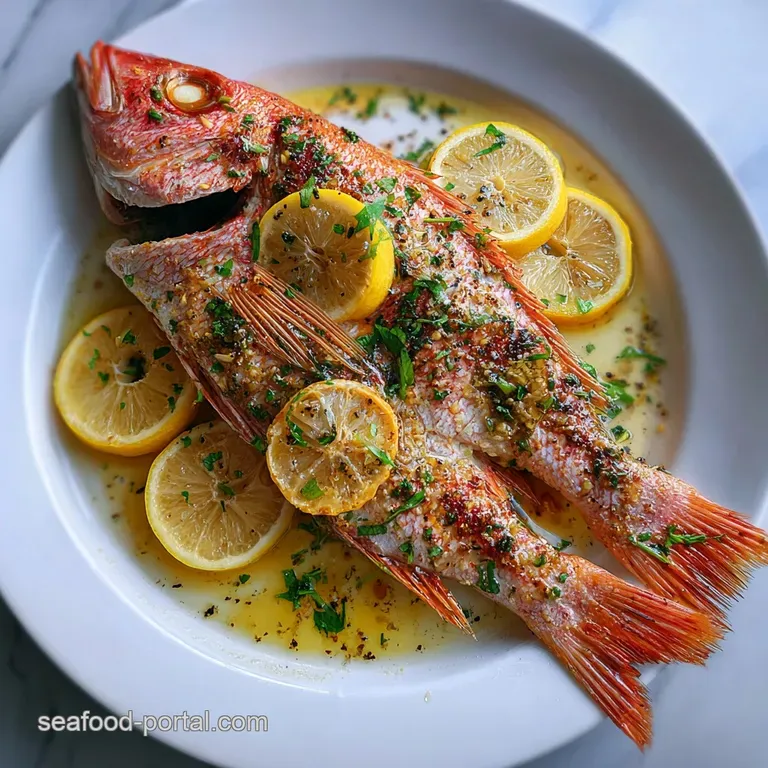
Stage 1: The Tempering Phase
Pull your 4 (6 oz) Red Snapper or Redfish Fillets out of the fridge about 15 minutes before you plan to cook. Note: Cold fish in a hot pan causes the muscle fibers to seize, resulting in a tough texture. Pat them completely dry with paper towels until the skin feels tacky.
Stage 2: The Zesty Baste
In a small bowl, whisk together the 4 tbsp melted butter, 3 minced cloves of garlic, 1 tsp dried oregano, and 1/2 tsp smoked paprika. Squeeze in the juice of your large lemon and stir in the zest. You’ll notice the butter start to thicken slightly as the acid from the lemon reacts with the fats.
Stage 3: The Precision Bake
Preheat your oven to 400°F. Place the fillets on a parchment lined tray and season both sides with the 1 tsp kosher salt and 1/2 tsp black pepper. Pour the lemon garlic butter mixture over the fish, ensuring every inch is coated.
Bake for 10 to 12 minutes until the thickest part of the fish is opaque and flakes easily.
Stage 4: The Finishing Touch
Switch the oven to broil for the final 60 seconds. Watch closely as the butter begins to bubble and the garlic bits turn a light golden brown. Note: This creates a concentrated flavor crust without overcooking the delicate interior. Remove from the heat and let the fish rest for 3 minutes before serving to allow the juices to redistribute.
Correcting Common Texture Issues
To Prevent a Rubbery Texture
If your fish feels bouncy or rubbery, it’s almost always a sign of overcooking. Fish proteins are very delicate and shrink rapidly when they go past 145°F. Always pull the fish out when it reaches 140°F, as carryover heat will finish the job.
To Fix Garlic Turning Bitter
Garlic turns bitter if it burns, which can happen during the broiling stage. If you notice the garlic bits turning dark brown too quickly, pull the tray out immediately and spoon some of the cooler butter from the bottom of the pan over the garlic to stop the cooking process.
| Problem | Root Cause | Solution |
|---|---|---|
| Soggy Skin | Excess moisture on fish | Pat fillets bone dry with paper towels before seasoning. |
| Bland Flavor | Lack of salt or acid | Add an extra squeeze of fresh lemon juice right before serving. |
| Fish Sticking | Cold pan or tray | Preheat your baking sheet in the oven for 5 minutes before adding the fish. |
If you ever find yourself struggling with delicate fillets breaking apart, you might want to try a Poached Cod with recipe approach. Poaching is much more forgiving and uses a low and slow liquid bath to keep the fish intact and incredibly moist.
Common Mistakes Checklist
- ✓ Don't skip the "pat dry" step; moisture is the enemy of a good sear or bake.
- ✓ Use fresh lemon juice only; the bottled stuff has a metallic aftertaste that ruins the fish.
- ✓ Avoid overcrowding the pan, which creates steam and makes the fish mushy.
- ✓ Let the butter cool slightly before mixing in the garlic to prevent premature browning.
- ✓ Check for pin bones with your finger before seasoning; nobody wants a surprise while eating.
Scaling Your Serving Sizes
When you're cooking for one or two, you can easily halve this recipe. However, if you're scaling down, don't just cut the butter in half. You still need enough liquid to create a "bath" in the pan, so I suggest using at least 3 tablespoons of butter even for two fillets.
Use a smaller baking dish, like an 8x8 pan, to keep the butter from spreading too thin and burning.
Scaling up for a crowd (8 or more people) requires a bit more care. You'll want to use two separate baking sheets rather than crowding one. If you double the recipe, only increase the salt and spices by about 1.5 times, as flavors tend to concentrate more in larger batches.
Keep the lemon juice and zest at a 1:1 ratio to maintain that vital acidity.
Creative Flavor Adaptations
For a Mediterranean Profile
Swap the smoked paprika for half a teaspoon of ground coriander and add a tablespoon of brined capers to the butter mixture. The capers provide little "salt bombs" that pop in your mouth and contrast beautifully with the sweet snapper. Serve this over a bed of wilted spinach or with a side of toasted couscous.
For a Spicy Cajun Kick
Replace the oregano with a teaspoon of your favorite Cajun seasoning blend. Increase the smoked paprika to a full teaspoon and add a pinch of cayenne pepper. This version of the recipe with lemon and garlic is fantastic when served alongside some dirty rice or roasted corn on the cob.
The heat of the spices is perfectly tempered by the cooling lemon butter.
Storage and Waste Tips
Store any leftover red fish in an airtight glass container in the fridge for up to 2 days. To reheat, avoid the microwave at all costs! It will turn your beautiful fish into rubber.
Instead, place the fillets in a cold frying pan with a splash of water or a tiny knob of butter, cover with a lid, and heat over medium low for 3 to 4 minutes. This creates a mini steamer effect that revives the moisture.
Don't throw away those lemon rinds or the fish bones! If you have the time, you can freeze the fish carcasses (if you bought the fish whole) to make a light seafood stock later. The spent lemon halves can be tossed into a pot of boiling water with some cinnamon sticks to act as a natural kitchen deodorizer after you're done cooking your red fish recipe with lemon.
Ideal Side Dish Pairings
Because this dish is so bright and buttery, you want sides that can either soak up that extra sauce or provide a crisp contrast. A simple bed of jasmine rice or garlic mashed potatoes is a classic for a reason they act like a sponge for that lemon garlic goodness.
If you want something lighter, a shaved fennel and arugula salad with a light vinaigrette works wonders. The anise notes in the fennel pair beautifully with the "with lemon and garlic" profile of the snapper.
You could also roast some thin asparagus spears on the same tray as the fish; they’ll cook in the same 12 minute window and get coated in that same delicious butter.
Recipe FAQs
How do you bake fish with lemon and garlic?
Preheat oven to 400°F. Pat fish fillets dry, season with salt and pepper, then place on a parchment lined baking sheet. Whisk together melted butter, minced garlic, lemon zest, lemon juice, oregano, and smoked paprika, then pour over the fish. Bake for 10-12 minutes until opaque and flaky.
For extra color, broil for the last 60 seconds, watching closely.
What is the best way to eat redfish?
Serve it immediately after cooking. Redfish is best enjoyed fresh to appreciate its delicate texture and flavor. It pairs wonderfully with simple sides like rice, roasted vegetables, or a fresh salad that won't overpower its natural sweetness. For a similar flavor profile, try our Pan Seared Salmon: Crispy Skin Lemon Butter Sauce.
How long should fish marinate in lemon juice?
Marinate for a maximum of 20-30 minutes. While lemon juice can add flavor, leaving fish in it for too long can "cook" the fish, making it mushy and chalky. For this recipe, the lemon juice is part of the butter basting mixture applied just before baking, which is ideal.
What does lemon do when cooking fish?
Lemon adds brightness and tenderizes. The acidity in lemon juice helps to break down connective tissues in the fish, making it more tender and tenderizing the flesh.
It also cuts through the richness of the fish and butter, providing a refreshing counterpoint and preventing the dish from feeling too heavy.
Can I use lime instead of lemon for this red fish recipe?
Yes, lime is a good substitute. Lime offers a similar citrusy tang that works well with fish. It will provide a slightly different, perhaps more tropical, flavor profile compared to lemon. If you enjoy citrus with your seafood, you might also like exploring How to Grill Blue Fish Perfectly: Smoky Citrus Flake, which also highlights citrus flavors.
Is it better to bake or pan-sear red fish?
Both methods have their advantages. Baking is more hands off and yields tender, moist fish. Pan-searing, especially with skin-on fillets, creates a crispy skin and a beautiful sear. For a foolproof and flavorful result, this recipe's oven baked method with a final broil is excellent, but you can also achieve great results with a Pan Seared Salmon: Crispy Skin Lemon Butter Sauce.
My fish turned out dry, what went wrong?
Likely overcooking or not enough fat. Fish, especially lean varieties like red snapper, can dry out quickly if cooked too long. Always cook until the thickest part reaches around 140°F and flakes easily.
Ensure you're using enough butter or oil, as fat helps conduct heat evenly and keeps the fish moist.
Red Fish Recipe With Lemon Buttery Flaky
Ingredients:
Instructions:
Nutrition Facts:
| Calories | 278 kcal |
|---|---|
| Protein | 34.9 g |
| Fat | 13.8 g |
| Carbs | 2.1 g |
| Fiber | 0.4 g |
| Sugar | 0.6 g |
| Sodium | 592 mg |
