Shrimp and Angel Hair Pasta with Lemongarlic White Wine Sauce
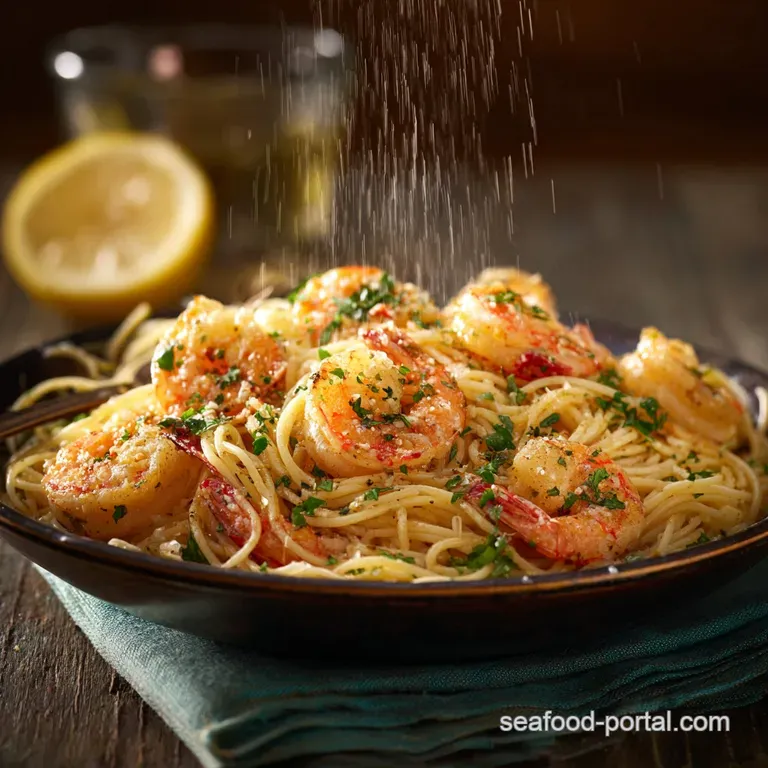
Mastering the Weeknight Scampi: Flawless Shrimp and Angel Hair Pasta
If there is one weeknight dinner that screams elegance while demanding zero effort, it is Shrimp and Angel Hair Pasta. Right? Wrong. This dish is usually ruined by two common mistakes: rubbery shrimp and a greasy, watery sauce that pools sadly at the bottom of the bowl.
(I know this because I made those mistakes for years.) My mother always said it was impossible to rush finesse, but for this specific dish, speed is the finesse. We’re aiming for a buttery, clingy sauce and tender, perfectly seared shrimp. Think fast, think hot, and trust me on the pasta water.
The Ten and Minute Timeline: Achieving Maximum Flavor Quickly
This is the ultimate weeknight showstopper, but only if you respect the timeline. Angel hair (Capellini) cooks in about three minutes flat. Shrimp takes maybe four minutes total. This means your entire cooking process is over before you even finish that first glass of wine.
The key to this blistering speed is mise en place . That's just a fancy French way of saying "get your stuff together." Seriously, dice the shallots, mince the garlic, zest the lemon, and have the wine measured out before the water even boils.
If you wait until the shrimp are searing to chop the parsley, you are absolutely going to burn the garlic. We need to work in rapid and fire stages.
Why Precision Matters: Avoiding Rubbery Shellfish and Greasy Sauce
Shrimp is the ultimate indicator of a cook’s impatience. It goes from sweet, tender perfection to sad little rubber bands in about 45 seconds. We use high heat to sear it quickly, then remove it from the pan before it’s fully cooked.
It finishes cooking when you toss it back in the hot sauce at the very end. Next,, the greasy sauce horror show happens when the fat (butter and oil) doesn't bind to the liquid (wine/stock). The whole secret to a beautiful, silky sauce that clings to the delicate strands of angel hair is that starchy pasta water.
It’s a natural emulsifier. Forget to reserve it, and you're making soup, not scampi.
Essential Components for Elevated Shrimp Scampi
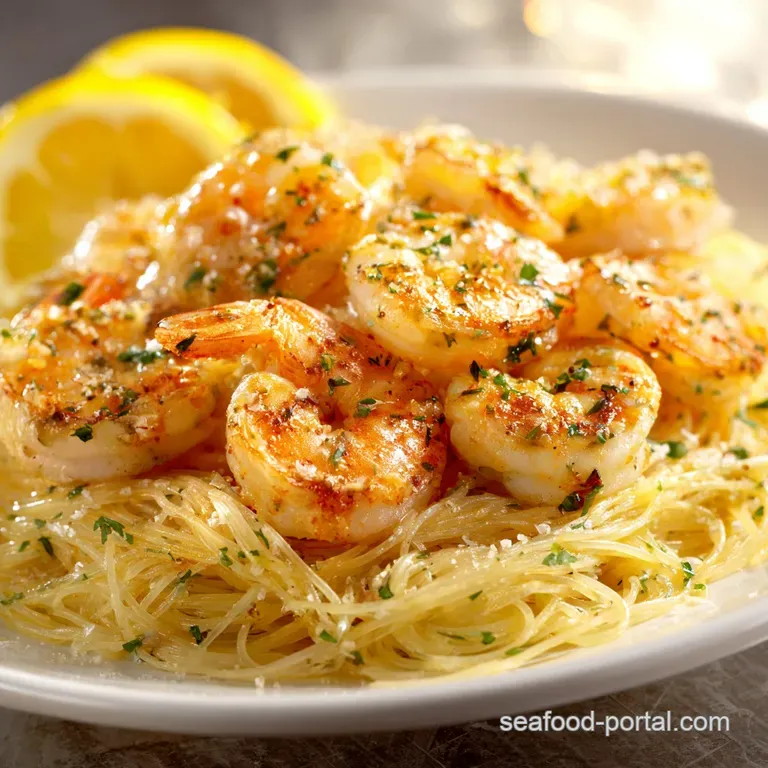
Selecting the Perfect Prawn: Size, Quality, and Preparation
Listen, unless you live right on the coast and pulled them out yourself this morning, buy quality frozen shrimp. Seriously. The "fresh" stuff sitting on ice at the grocery store was likely frozen and then thawed days ago. It’s mushy.
Get flash and frozen, large shrimp (the 21/25 count is ideal for this recipe; they don't disappear into the pasta). Peel them, devein them, and then here is the crucial step: pat them bone dry with paper towels. Water is the enemy of searing.
If they are wet, they steam, and steaming gives you rubber.
Capellini vs. Fettuccine: Why Angel Hair Pasta Is Non and Negotiable
This is a classic Italian and American recipe, and it thrives on the delicacy of Angel Hair Pasta. Angel hair is whisper thin, meaning it absorbs the light, lemony butter sauce incredibly well. It’s also much easier to toss without breaking than, say, thin spaghetti.
If you try to use a heavy pasta like fettuccine or linguine, the ratio of sauce to noodle will be off, and the dish will taste dense and heavy. The downside? Angel hair demands absolute punctuality in the kitchen.
CRITICAL WARNING: Angel hair pasta continues to cook rapidly after draining. Cook it 1 minute less than package instructions (true al dente) and transfer it directly from the pot into the simmering sauce. Don't leave it sitting in the colander.
The Pantry Foundation: White Wine, Butter, and Stock Choices
You only need a half cup of dry white wine (I use Pinot Grigio or Sauvignon Blanc), but please, use wine you would actually drink. Do not use that sad bottle of "cooking wine" that’s been sitting next to the vinegar for six months. If you don't use alcohol, a high and quality chicken stock works just fine.
For the fat, we use a mix of olive oil for the initial heat and unsalted butter for flavor and emulsification. Make sure you have at least two tablespoons of butter waiting in the fridge, cut into chunks. We're going to add that cold butter right at the end to make the sauce incredibly creamy without any actual cream.
Required Kitchen Tools for Seamless Execution
You can make this recipe in a regular pan, but I strongly recommend a wide, shallow 12 inch skillet or Dutch oven. Why? Tossing. Shrimp and Angel Hair Pasta needs to be tossed aggressively and quickly to achieve that perfect sauce coating.
If your pan is too small, you'll end up flinging garlic and parsley everywhere (and likely bruising the delicate pasta). A sturdy set of tongs is also essential. And for the lemon zest? Don't use a regular grater; a microplane gives you fluffy, aromatic zest without any of the bitter white pith.
Related Recipes Worth Trying
- Tuna Bake Pasta The Ultimate Creamy Cheesy Comfort Food Recipe — Our classic Tuna Bake Pasta recipe elevates this creamy dish with a rich Béchamel sauce and crispy Panko topping Its the Best Easy Tuna Casserole for a cozy...
- Shrimp Quesadillas Recipe Zesty Quick Weeknight Comfort — Make amazing Shrimp Quesadillas in under 30 minutes This quick shrimp recipe features smoky chipotle and lime for the perfect easy weeknight seafood quesadilla
- Shrimp Okra and Sausage Ultimate Smoky Gumbo Style Stew — This Ultimate Smoky Shrimp Okra and Sausage Pot is a hearty seafood dinner recipe perfect for weeknights Get the soul of a quick gumbo style stew without...
The Method: Cooking Shrimp and Angel Hair Pasta with Absolute Precision
Prepping the Aromatic Base (Garlic, Shallots, and Zest)
Get your pasta water boiling first! While that’s happening, we build the flavor base. We start with shallots in the oil and butter for about a minute. Shallots soften nicely and offer a subtle sweetness that an onion just can't match. Then comes the garlic and the red pepper flakes. Garlic is delicate.
You’re looking for fragrant, not browned. This step takes 45 seconds to a minute, tops. If you smell toast, you've gone too far, and you have to start over. (The horror!)
over High heat Searing: The Key to Non and Rubbery Shrimp
After you’ve pulled the aromatics out of the pan, or pushed them to the side, crank the heat up to medium and high. Add the dried shrimp in a single layer. You hear that sizzle? That’s what you want. We are searing the exterior, building flavor, but keeping the inside tender.
Cook for 90 seconds on one side, flip, and cook for another minute. They should still look slightly underdone in the center. Get them out immediately and onto a plate. They’re done for now.
Crafting the Silky Emulsion with Starch Water and Butter
The pan now has delicious brown bits and residual garlic oil. Pour in the white wine (or stock) and scrape the bottom vigorously. Reduce that liquid by half. Now, reduce the heat to low. Add the lemon zest and juice. This is the moment for the cold butter: drop in the chunks one at a time and whisk constantly.
The cold butter melts slowly, forming a stable emulsion with the wine reduction. Finally, add the reserved pasta water. The sauce should look velvety, not oily.
Final Toss and Plating for Maximum Impact
Your pasta should be perfectly drained and waiting. Dump the pasta into the sauce skillet, add the shrimp, and toss it all like a manic professional chef using your tongs. Don't be gentle; you need to coat every strand. The heat from the sauce and the pasta will finish cooking the shrimp.
Add most of your fresh parsley now. Plate immediately while it’s still piping hot, making sure to get that beautiful, clinging sauce over everything. A final sprinkle of fresh parsley is just the aesthetic touch this dish deserves.
Troubleshooting and Elevating Your Scampi Technique
Salvaging a Broken Sauce: When Emulsification Fails
If your sauce looks greasy, shiny, and the oil has separated from the liquid (it "broke"), don't panic. This usually means the sauce got too hot after adding the butter. Remove the skillet from the heat immediately. Toss in one or two ice cubes and whisk like crazy.
The shock of the cold will sometimes bring the emulsion back together. If that fails, add a teaspoon of fresh, cold butter and whisk vigorously off the heat until it melts and binds. This usually does the trick.
Incorporating Green Vegetables (Asparagus or Spinach)
If you want to feel a little healthier (or just add some color), greens are a great addition.
- Asparagus: Cut them into one and inch pieces. Blanch them in the pasta water for the last two minutes of the pasta cooking time. Drain them with the pasta and toss them in at the end.
- Spinach: Fresh spinach is fantastic here, but don't add it early. Add two big handfuls right after you've added the shrimp and parsley, then toss. The residual heat will wilt it perfectly without releasing too much water into your sauce.
Safe Storage and Reheating Guidelines
Let’s be honest: Shrimp and Angel Hair Pasta is a dish built for the moment. Angel hair soaks up sauce like a sponge overnight, and reheated shrimp has a tendency to get chewy. While leftovers are technically safe for 2 3 days in the fridge, it will lose its magic.
If you must store it, slightly undercook the pasta and store the shrimp and sauce separately from the pasta in airtight containers. When reheating, warm the sauce slowly, add the shrimp back in, and then add the pasta just to coat.
Nutritional Overview and Dietary Swaps
This recipe, while high in flavor, is surprisingly balanced and relatively lean, thanks to the protein punch from the shrimp and the minimal use of heavy cream (we skipped it entirely!). For dietary swaps, gluten and free Capellini works flawlessly.
If you’re concerned about the sodium, definitely use low and sodium stock instead of wine, and be mindful of how much salt you add to the pasta water. Honestly, though, this is a beautiful, light, satisfying meal exactly as written.
Recipe FAQs
How do I stop my shrimp from going rubbery in this Shrimp and Angel Hair Pasta recipe?
The key to perfect, tender shrimp is not to overcook them! Sear them quickly over medium high heat for about 90 seconds per side, remove them from the pan immediately when they turn pink, and only toss them back in at the very end to heat through.
My scampi sauce always ends up either greasy or watery. What’s the secret to a properly luxurious sauce?
The secret weapon is the starchy, reserved pasta water; vigorously tossing the pasta with the sauce, cold butter, and the starchy water creates an emulsion that prevents the butter and oil from separating, ensuring a lovely, velvety coating.
I haven't got any Capellini (angel hair) in the cupboard. Can I use a different type of pasta?
Certainly! While Capellini is preferred for its speed and lightness, you can substitute it with thin spaghetti (Spaghettini) or linguine; you might just need a tiny bit more sauce base or reserved water to coat the thicker strands properly.
Can I make this dish ahead of time, or what’s the best way to handle leftovers?
This dish is best served immediately, but leftovers can be stored airtight in the fridge for up to three days; when reheating, add a small splash of white wine or chicken stock to the pan to loosen and refresh the sauce.
I need a non-alcoholic substitute for the white wine will the flavour still hold up?
Absolutely! A good quality, low-sodium chicken or vegetable stock works brilliantly as a substitute; just be sure to add an extra squeeze of lemon juice to replicate the wine's acidity and brightness that balances the sauce.
Quick Shrimp Angel Hair Scampi
Ingredients:
Instructions:
Nutrition Facts:
| Calories | 600 calories |
|---|---|
| Fat | 20 g |
| Fiber | 3 g |
