Coconut Shrimp Curry: the Aromatic, Creamy 35-Minute Weeknight Meal
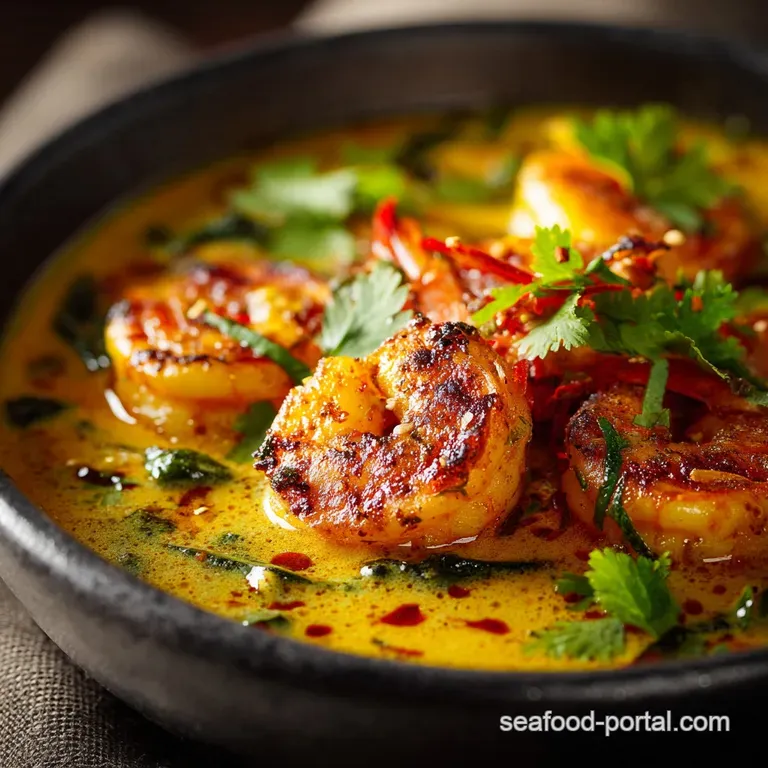
- Mastering the Weeknight Coconut Shrimp Curry in Under 30 Minutes
- The Culinary Science Behind Our Aromatic Prawn Curry Success
- Essential Ingredients for the Perfect Coconut Shrimp Curry
- Step-by-Step Method: Building Depth and Flavor
- Troubleshooting Your Coconut Prawn Curry: Chef's Pro Tips
- Handling Leftovers: Storage and Reheating Guidelines
- What to Serve with Your Creamy Coconut Shrimp Curry
- Recipe FAQs
- 📝 Recipe Card
Mastering the Weeknight Coconut Shrimp Curry in Under 30 Minutes
The aroma of this curry is seriously intoxicating; it’s rich, slightly sweet, and carries that unmistakable warmth of ginger and blooming spices. When it hits the pan, the house suddenly feels cosy, and you know you’re about to eat something truly special. This isn't one of those wimpy, watery curry sauces.
This is a luxuriously creamy, spoon coating dish built for soaking up with rice or dipping naan.
Look, weeknights are brutal. Who has time for three hour braises or complicated reduction sauces? This coconut shrimp curry is a total lifesaver because it’s genuinely fast, cheap, and uses ingredients you probably already have lurking in your freezer or pantry.
It feels restaurant quality, but you can pull it off while juggling a Zoom call or helping with homework.
I’ve made this simple coconut shrimp curry probably a hundred times, and I’ve nailed down the exact steps that guarantee maximum flavour payoff with minimum effort. Forget the bland, boring recipes floating around online.
We are going deep on technique today, so grab your apron, and let’s make the best creamy coconut prawn curry you’ve ever had.
The Culinary Science Behind Our Aromatic Prawn Curry Success
The Secret to a Seriously Creamy Prawn Base
The base must be stable and rich. We achieve this glorious thickness by using full fat coconut milk and allowing a solid 10 minute simmer time before the seafood goes in. That gentle bubble lets the fats and liquids emulsify, preventing the dreaded "curdle" and concentrating the flavour beautifully.
Thai vs. Indian: The Flavor Bridge of This Curry
This recipe is a brilliant hybrid, borrowing the best from two worlds. We use Thai red curry paste for its sharp lemongrass and chilli kick, but we layer it with Indian style ground spices like turmeric and coriander.
This mixture gives you a bright, fragrant heat coupled with an earthy depth it’s incredibly complex without being fussy.
Why This Recipe is Better Than Your Usual Takeaway
It comes down to freshness and timing. A lot of quick curry recipes neglect the importance of properly cooking the aromatics, leading to a flat taste. Plus, since we're using gorgeous prawns that cook in literal minutes, the texture is bouncy and perfect something most delivery services ruin by pre-cooking.
This quick coconut curry recipe is designed for maximum speed without sacrificing quality.
Blooming Aromatics: Maximizing Flavor Intensity
This is my number one non-negotiable step. Dry spices and pastes have fat-soluble flavour compounds, meaning they need a hot oil bath to wake up and release their full potential. When you add the curry paste and spices directly to the hot oil before the liquid, you cook out the raw flavour and create massive depth.
Don’t dump everything in together! I made that mistake once; the whole batch tasted dusty.
The Role of Full Fat Coconut Milk in Achieving Richness
Trust me, this isn't the time to calorie count. Full fat coconut milk (the kind that's thick and has a layer of cream on top) is the structural component of this dish. Its high fat content ensures a silky smooth mouthfeel and makes the final sauce incredibly creamy.
Lite versions just don't cut it; they produce a thinner, more watery result that’s likely to split.
Balancing the Five Tastes: Sweetness, Heat, and Acidity
A phenomenal curry always hits all five notes: salt, sweet, sour, heat, and umami. The red curry paste handles the heat, turmeric and coriander provide earthiness, and the magic happens when you layer the fish sauce (salt/umami) with the brown sugar (sweet) and finish with a big squeeze of fresh lime (sour/acid).
This final adjustment phase is where you turn a good meal into an amazing one.
Essential Ingredients for the Perfect Coconut Shrimp Curry
Choosing the Right Prawns: Fresh, Frozen, and Size Matters
Go for large or jumbo prawns (around 16 20 count per pound) if you can find them. They hold up better in the rich sauce and are less likely to overcook into little rubber pellets.
Frozen, pre-peeled, and deveined prawns are totally fine; just make sure you thaw them completely and, this is key, pat them very dry before adding them to the sauce.
Full Fat vs. Lite: Deciphering Coconut Milk Labels
Always grab the cans that say "Premium" or "Full Fat" on them. Give the can a shake; if it sounds sloshy, it’s probably a thinner milk. The best stuff will feel heavy and sound relatively solid inside because the thick cream has separated.
We need that high fat percentage for the creamy coconut shrimp curry texture.
Quick Substitutions for Common Curry Spices
Don’t panic if you’re missing a specific spice; we can work around it! Here are the best emergency swap outs:
| Ingredient | Viable Substitute | Why It Works |
|---|---|---|
| Red Curry Paste | Green Curry Paste (usually hotter, but fresher) | Keeps the essential Thai flavour profile |
| Fish Sauce | Light Soy Sauce or Tamari | Provides necessary salt and umami base |
| Brown Sugar | Honey or Maple Syrup | Adds required balancing sweetness |
| Fresh Ginger | ½ tsp Ground Ginger (use less!) | Gives the warm aromatic heat, but fresh is best |
Enhancing Umami: Using Fish Sauce and Lime Zest
Fish sauce is the secret weapon for any great Southeast Asian inspired dish. It adds a background depth, that savory umami, that salt alone cannot replicate. Don’t skip it unless you absolutely must! For an extra burst of freshness, try grating just a tiny bit of lime zest into the sauce alongside the juice at the end. If you enjoy dishes with that umami punch, you might also love my recipe for Kung Pao Shrimp: Authentic Sichuan Recipe with Numbing Ma La Heat — it's a whole different kind of heat!
step-by-step Method: Building Depth and Flavor
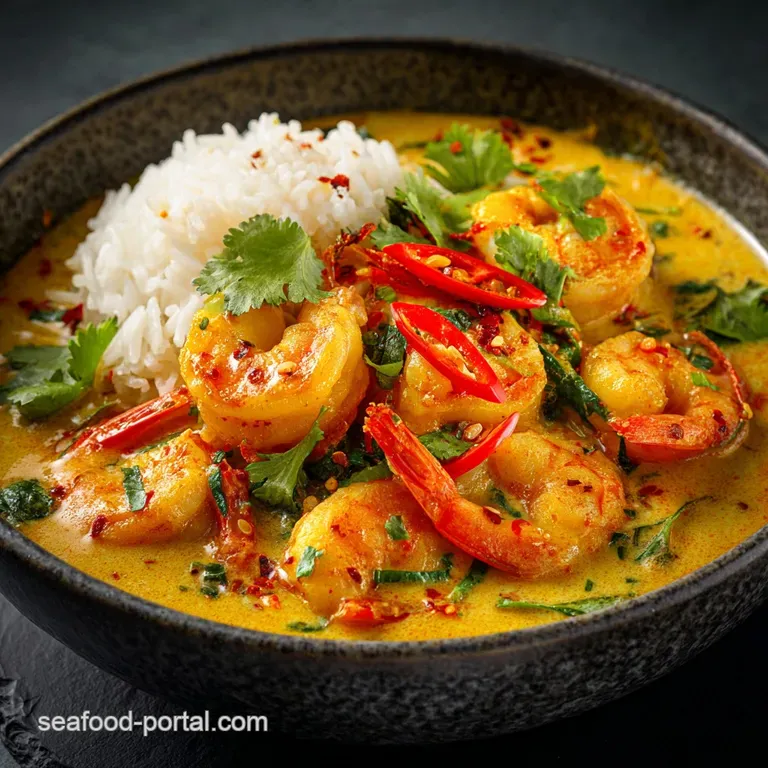
Prepping the Prawns and Aromatic Base
- Dry and Season: Pat those thawed prawns dry and toss them with the salt and pepper. Set them aside so they're ready to go when the sauce is perfect.
- Sauté the Onions: Heat your oil in a big pot or Dutch oven over medium heat. Add the diced onion and cook them slowly, stirring often, for about 6 minutes until they are soft and totally translucent.
- Awaken the Aromatics: Toss in the minced garlic and grated ginger. Cook for just 60 seconds until you smell that lovely fragrant pop.
Simmering the Sauce: Achieving the Optimal Consistency
- Toast the Paste: Push the aromatics to one side. Add the red curry paste, turmeric, and ground coriander directly into the exposed oil section. Stir and cook for 1 to 2 minutes until the spices look slightly darker and smell intensely fragrant (this is the ‘blooming’ step).
- Build the Liquid: Stir the paste mixture into the onions. Pour in the full fat coconut milk and stock. Stir everything together until it’s beautifully uniform.
- Gentle Simmer: Bring the sauce to a quick boil, then immediately drop the heat to low. Let it gently simmer, uncovered, for 8 to 10 minutes. It will noticeably thicken and concentrate.
The Final Touch: Adding Prawns and Finishing Adjustments
- Seasoning Balance: Stir in the fish sauce, brown sugar, and the juice of the lime. Taste the sauce! Does it need more salt? More acid? Adjust until it tastes bright and rich.
- Add the Prawns: Increase the heat slightly to maintain a gentle simmer. Add the seasoned prawns and stir them in. Cook for 3 to 4 minutes maximum.
- Serve Immediately: The prawns are done when they turn pink and opaque. Take the pot off the heat instantly, stir in half the fresh coriander, and ladle it over your rice.
Chef's Note: Prawns carry residual heat. If you let them sit in the simmering sauce off the heat for too long, they will continue to cook and toughen up. Serve the second the colour changes!
Troubleshooting Your Coconut Prawn Curry: Chef's Pro Tips
Preventing Prawns from Becoming Tough or Rubbery (Overcooking)
This is the most common failure point! Prawns need very little time. If you use large prawns, 4 minutes is usually the limit. Keep the sauce at a gentle bubble, not a furious boil, when you add the seafood.
If you're nervous, pull one out after 3 minutes and cut it in half to check if it's opaque all the way through.
How to Fix a Curdled Coconut Milk Sauce
Curdling usually happens if the heat is too high or if you use cheap, thin coconut milk. If you see it beginning to split (fat separating from liquid), immediately remove the pot from the heat.
Whisk in a spoonful of cornstarch mixed with a splash of water, or stir in a tablespoon of plain yoghurt or sour cream (if you don't mind a slight tang). Low and slow simmering prevents this entirely.
Adjusting the Heat Level After Simmering
If you tasted the sauce and realised you went too heavy on the red curry paste oops! To cool things down, you can stir in a splash more full fat coconut milk or a small dollop of natural yoghurt or crème fraîche.
Conversely, if it’s too mild, stir in a pinch of chilli flakes or a dash of hot sauce right before serving.
Handling Leftovers: Storage and Reheating Guidelines
The Safety Window for Refrigerating Seafood Curry
This coconut shrimp curry stores quite well, but because it contains seafood, you need to be mindful of the clock. Store leftovers in an airtight container in the fridge for up to 3 days max. Don't push it past that point, especially with prawns.
Best Practices for Freezing the Curry Base (Without Prawns)
While you can freeze the finished curry, the prawns' texture always suffers they turn chewy and dry when reheated. Freeze the sauce only! Ladle the sauce (before step 9) into freezer safe containers, leaving headspace. It will keep beautifully for up to 3 months.
Thaw overnight in the fridge, bring to a simmer, and then add fresh prawns and cook until done.
Reheating Prawns Safely Without Drying Them Out
The best method is the stovetop. Reheat the curry very gently in a saucepan over medium low heat. Do not let it boil vigorously. Once it is hot throughout (about 5– 7 minutes), remove it immediately. High, fast heat is the enemy of leftover prawns.
What to Serve with Your Creamy Coconut Shrimp Curry
Fluffy rice is a given jasmine or basmati are perfect for soaking up every drop of that gorgeous sauce. But don't stop there!
- Naan or Roti: A thick piece of garlic naan is essential for mopping the bowl clean.
- Refreshing Slaw: A crunchy salad of shredded cabbage, carrots, and a lime vinaigrette cuts through the richness beautifully.
- Contrasting Meal Prep: If you’re looking for other lightning fast seafood dishes that contrast the richness of this curry, I highly recommend my quick Poke Shrimp Healthy Bowl: Quick, Easy Healthy Dinner Recipes — it's super fresh and totally different! Or, if you prefer something with a different type of rich sauce, try the Shrimp and Gnocchi: 33 Minute Meal with Lemon Brown Butter Sauce .
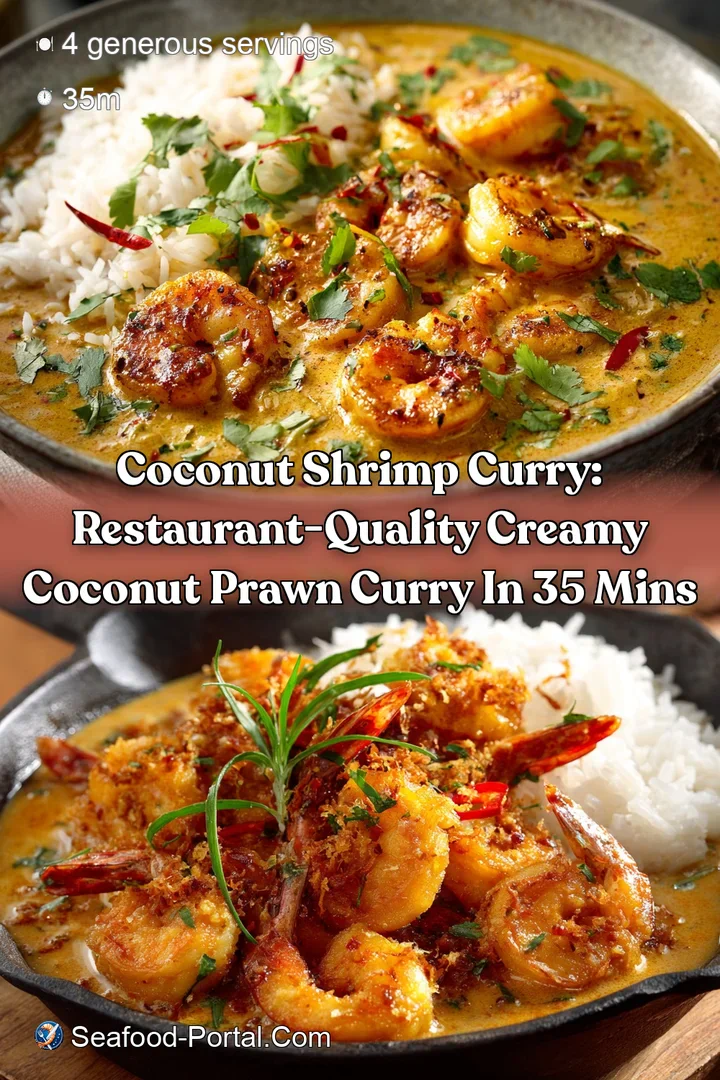
Recipe FAQs
Why did my coconut milk sauce split or look oily?
This often happens when the sauce boils too vigorously after the coconut milk is added, or if you use a light or low-fat variety. To prevent splitting, keep the heat low and maintain only a gentle simmer; never allow it to reach a high rolling boil.
You can sometimes re-emulsify a slightly split sauce by stirring in a small slurry of cornstarch or adding a splash of fresh cold coconut milk.
Can I use frozen shrimp/prawns, and do I need to adjust the cooking time?
Yes, frozen shrimp are perfectly acceptable, but they must be fully thawed and patted very dry before use. If added frozen or wet, they will release excess water into the pan, thinning the sauce and potentially becoming rubbery when overcooked.
Dry, thawed shrimp require the exact same quick cooking time, usually about 3 5 minutes until pink and opaque.
My curry tastes bland or lacks depth. What key ingredient am I missing?
Curry depth is achieved by balancing salt, acid, and umami. If your curry is bland, ensure your spices were properly bloomed in oil first to maximize flavor release. Next, try balancing the dish with a final squeeze of fresh lime juice (acid), a dash more fish sauce or salt (umami/salt), or a tiny pinch of brown sugar to round out the spice profile.
How can I make this Coconut Shrimp Curry suitable for a vegan diet?
To convert this recipe, substitute the prawns with firm cubes of pan-fried tofu, chickpeas, or sturdy vegetables like cauliflower florets or sweet potato chunks. Crucially, replace the fish sauce with either soy sauce, tamari, or a mushroom based vegan Worcestershire sauce to retain the necessary savory, umami flavor.
How should I store leftover curry, and is it safe to freeze?
Leftovers should be stored in an airtight container in the refrigerator for up to 3 days. Freezing is generally discouraged, as the texture of the prawns will likely become overly rubbery upon thawing and reheating, and the coconut milk base may split.
Reheat gently on the stovetop over low heat, adding a splash of water if the sauce has thickened too much.
Can I use dried or pre-ground spices instead of fresh ginger and garlic?
While you can use dried spices in a pinch, fresh ingredients are crucial for maximum aromatic flavor in this dish. If you must use dried ginger or garlic powder, use approximately 1/4 teaspoon of the dried powder for every tablespoon of fresh ingredient called for.
Be sure to mix the dried powders in with the other spices to allow them to hydrate and bloom in the hot oil.
How do I adjust the overall spice level for a milder flavor?
To reduce the heat, ensure you remove all seeds and white membranes from any fresh chilies used, as these hold the majority of the capsaicin. You can also buffer the heat by increasing the amount of full fat coconut milk used, or by stirring in a little extra lime juice or sugar at the end of cooking, as sweetness and acid help neutralize the spice.
Quick Creamy Coconut Shrimp Curry
Ingredients:
Instructions:
Nutrition Facts:
| Calories | 320 kcal |
|---|---|
| Protein | 25.6 g |
| Fat | 12.4 g |
| Carbs | 25.4 g |
