The Ultimate Creamy Lemon Dill Bay Scallop Tagliatelle
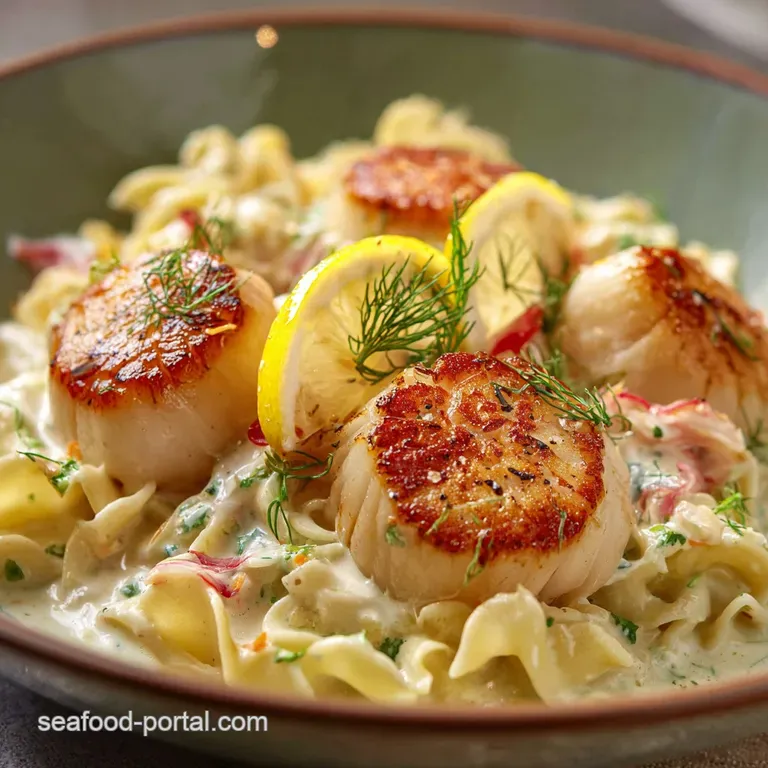
- Coastal Luxury in 30 Minutes: Why Bay Scallops Reign Supreme
- Ditching the Takeout: The Secret to Restaurant-Quality Creamy Bay Scallop Pasta
- Assembling Your Arsenal: Essential Components for Perfection
- Pro Tips for Sourcing and Prepping Ingredients
- Step-by-Step Guide to Mastering This Creamy Bay Scallop Pasta
- Achieving the Golden Crust: The Critical Searing Technique
- Troubleshooting and Customizing Your Seafood Pasta
- Nutritional Overview and Smart Storage Solutions
- Recipe FAQs
- 📝 Recipe Card
Coastal Luxury in 30 Minutes: Why Bay Scallops Reign Supreme
If you’ve ever wanted to serve a dish that screams elegance without demanding hours of your time, then this Creamy Bay Scallop Pasta is your new culinary masterpiece.
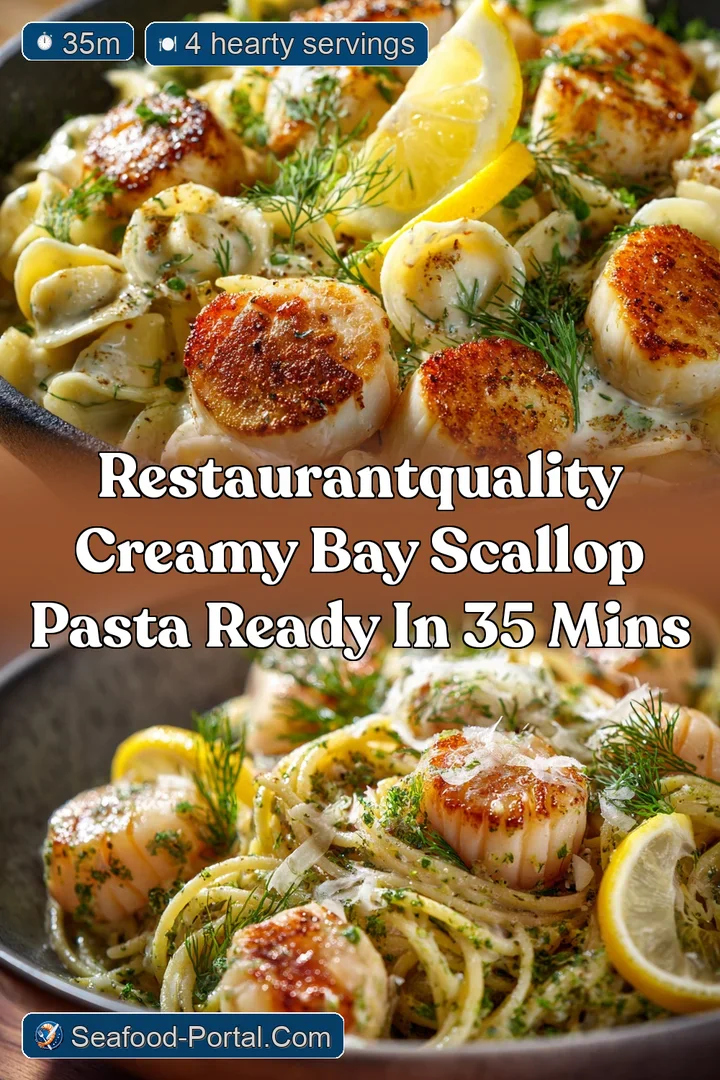
Unlike many elaborate seafood dishes, this luxurious recipe achieves peak flavour and texture in a stunningly efficient 35 minutes, making it one of the best Dinner Recipes Scallops available for busy weeknights or impromptu entertaining. Bay scallops are the secret weapon here.
They are intrinsically sweet, delicate, and, crucially, require only the briefest kiss of heat. By combining these tiny coastal treasures with a rich, zesty sauce built on white wine, heavy cream, and fresh dill, we create a dish that is deeply comforting yet remarkably bright, setting it far apart from heavy, cloying restaurant fare.
Ditching the Takeout: The Secret to Restaurant Quality Creamy Bay Scallop Pasta
Achieving true restaurant quality at home depends less on expensive ingredients and more on mastering specific, quick techniques. This Creamy Scallop Pasta Recipe focuses on balancing richness (from the cream) with acidity (from the lemon and wine) and utilizing the natural starch released by the pasta a trick critical for sauce adhesion.
Decoding the Bay Scallop: Sweetness vs. Size
We specifically choose bay scallops (about 1 lb or 450-500g) over their larger sea scallop cousins. Bay scallops are harvested from shallower waters and are significantly smaller, lending them the endearing nickname baby scallops .
This diminutive size concentrates their sweetness and makes them incredibly quick cooking. Because they are so delicate, they truly shine in this recipe, integrating seamlessly into the sauce without overpowering the fresh lemon and dill notes, which is vital for a true Creamy Bay Scallops experience.
The Perfect Pasta Pairing: Selecting Your Tagliatelle
For a dish this decadent, the right foundation is paramount. While this could easily be a Creamy Bay Scallop Spaghetti Recipe , we opt for tagliatelle (12 oz or 350g).
This ribbon style pasta offers a substantial surface area and rough texture, which allows the velvety cream sauce to cling beautifully to every strand. This ensures that in every forkful, you get a harmonious blend of perfectly cooked pasta, creamy sauce, and delicate seafood.
A Bright Alternative to Traditional Heavy Cream Sauces
The key to a successful Bay Scallops Recipe Creamy is preventing the richness from becoming burdensome. Our sauce, which utilizes 1 cup (240ml) of heavy cream and 1/2 cup (120ml) of stock, is counterbalanced by the acidity of dry white wine (1/2 cup) and a generous amount of fresh lemon juice and zest.
By reducing the wine and stock before the cream is added, we build layers of flavour depth, creating a sophisticated base that lifts the sweetness of the scallops rather than burying it.
Is This Recipe Truly Beginner Friendly?
While the ingredient preparation is simple, this recipe is officially rated "Medium" difficulty. The reason lies in two precise timings: the fleeting sear of the scallops and the final emulsification of the sauce. Bay scallops can turn rubbery if cooked for mere seconds too long.
On top of that,, successfully thickening the sauce to a glossy, velvety consistency without splitting the cream requires patience and a good understanding of incorporating reserved starchy pasta water. However, with the detailed instructions provided, anyone can master this method.
Assembling Your Arsenal: Essential Components for Perfection
To succeed in creating this elegant dish, organization is key. You will need your fresh seafood (the bay scallops), the aromatic foundation (minced shallots and garlic), the flavour builders (dry white wine and stock), the structure (heavy cream and butter), and the finishing touches (Tagliatelle, fresh dill, parsley, and Parmesan).
Gather your large stockpot for boiling the pasta, a heavy bottomed frying pan for the sauce, and a separate, screaming hot skillet reserved just for the quick scallop sear. Having all ingredients measured and tools ready ensures you can execute the final, fast paced stages of the cook without panic.
Pro Tips for Sourcing and Prepping Ingredients
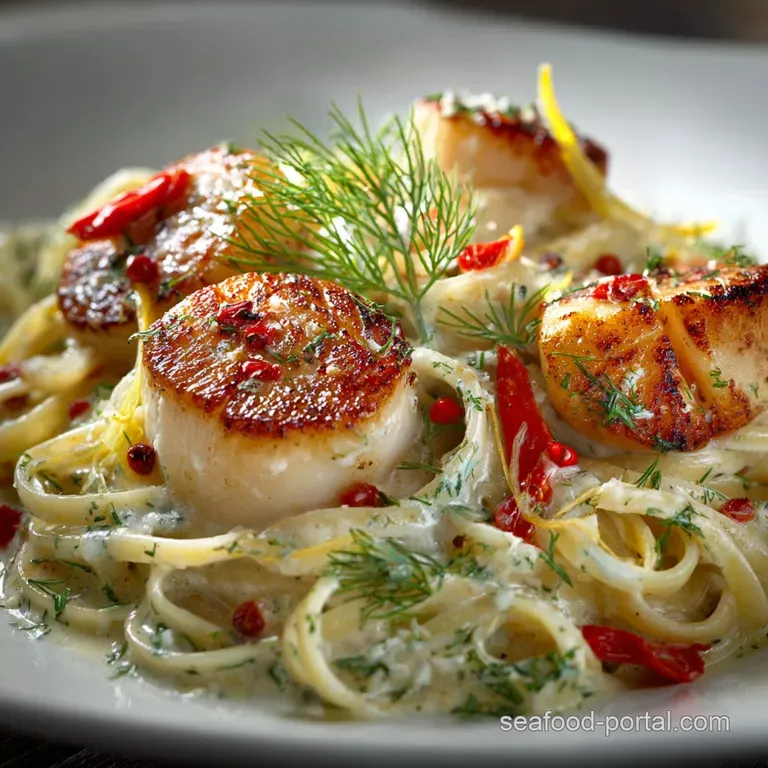
Excellence in a simple recipe often relies entirely on ingredient quality and preparation hygiene. Do not cut corners in this stage, especially when dealing with seafood.
The Scallop Soak: Proper Cleaning and Drying Techniques
This is the single most critical step for achieving a golden crust on your seafood. If your scallops have any residual moisture, they will steam rather than sear, leaving you with grey, chewy results.
Lay your 1 lb of bay scallops on several layers of paper towels and pat them vigorously until they are completely dry to the touch. Season them lightly just before cooking. This ensures the heat hits the protein immediately, resulting in the desired caramelization.
Building the Flavor Foundation: White Wine and Shallots
The sauce starts with gentle heat. Sauté the two medium minced shallots slowly in butter and olive oil for 3– 4 minutes until they are translucent, not browned. The minute you smell the three cloves of minced garlic added to the pan, it's time to pour in the dry white wine.
This deglazing step rapidly concentrates the deep, complex flavours before the cream is introduced, which is the foundational flavour technique for this magnificent Italian Scallops Recipe .
Must Have Kitchen Tools for the Perfect Sear
While most of the dish is made in one pan, using a separate non-stick skillet for the searing step is highly recommended. The goal is maximum, sustained high heat without dropping the pan temperature, which happens easily when you add cold protein.
Use tongs for quickly turning the scallops, minimizing heat loss and ensuring perfect, precise placement.
Fresh Herbs Only: Why Dried Dill Won't Cut It Here
The delicate flavour of the creamy bay scallop pasta requires the bright, clean notes of fresh herbs. We call for 2 tablespoons of freshly chopped dill and a quarter cup of fresh parsley.
Dried dill loses its vibrancy and can taste dusty, entirely failing to provide the zesty lift needed to cut through the richness of the heavy cream and butter. Use only fresh for the finishing fold.
Related Recipes Worth Trying
- Creamy White Seafood Lasagna The Ultimate Showstopper Recipe — This Creamy Seafood Lasagna with shrimp and fish uses a velvety white Mornay sauce instead of tomato Its a proper culinary treat that feels utterly luxurious
- Foolproof Steamed Shrimp with Old Bay and LemonChive Butter — The quickest way to gorgeous seafood Learn how to cook Steamed Shrimp perfectly in just 7 minutes Tender sweet and spiced A foolproof quick shrimp recipe
- 30Minute Cajun Shrimp Scampi Creamy Pasta Meets the Bayou — Forget faffing about This 30minute Cajun Shrimp Scampi recipe delivers maximum flavour We blend buttery scampi richness with the spicy Creole Trinity for a...
step-by-step Guide to Mastering This Creamy Bay Scallop Pasta
This sequence is designed to maximize efficiency. We start the element that takes the longest (pasta) and build the sauce while it boils, ensuring the quick cooking scallops are seared last and folded in just before serving.
The total cooking time should remain around 20 minutes, leading to a glorious 35-minute total meal solution.
Achieving the Golden Crust: The Critical Searing Technique
The success of your Pasta Scallops Recipe hinges on the quality of your sear and the perfection of your sauce emulsion. Handle the final stages with speed and confidence.
Boiling the Tagliatelle: Hitting that Perfect Al Dente Texture
Start your 12 oz of tagliatelle in boiling, well salted water. Cook it until it is truly al dente —it should still have a slight bite. Crucially, just before draining, use a mug or ladle to reserve approximately 1 cup (240ml) of the cloudy, starchy cooking water.
This water is the binding agent we will use later to create a glossy, emulsified sauce.
Crafting the Velvety Lemon Dill Sauce Base
After reducing the wine, add the heavy cream and stock. Reduce the heat to low and allow the sauce to gently simmer for 5– 7 minutes, stirring occasionally. The sauce is ready when it has reduced slightly and visibly coats the back of a spoon. At this stage, season generously.
Flash Searing the Scallops (Do Not Overcook!)
In your separate skillet, heat 1 tbsp of neutral oil and 1 tbsp of butter over screaming high heat until the butter is foamy and smells nutty. Add the dried scallops in a single layer. Sear for just 60 to 90 seconds until a deep golden crust forms. Flip and cook for a mere 30 to 45 seconds more.
Immediately remove the creamy bay scallops from the heat and set them aside. The cooking is done; any residual heat will finish them off.
Combining and Finishing the Dish Tableside
Add the drained tagliatelle, 1 teaspoon of lemon zest, and ⅓ cup of grated Parmesan directly into the warm cream sauce. Toss rapidly. Now, add the reserved pasta water, 2 tablespoons at a time, incorporating it thoroughly until the sauce binds the oil and liquid, becoming gorgeously glossy and coating the pasta perfectly.
Once emulsified, remove the pan from the heat entirely. Gently fold in the seared scallops, fresh parsley, and dill. Stir in 1 tbsp of fresh lemon juice, taste, and adjust seasoning for ultimate brightness. Serve immediately.
Troubleshooting and Customizing Your Seafood Pasta
Nutritional Overview and Smart Storage Solutions
This rich dish provides satisfying protein and carbs, clocking in at an estimated 680 720 calories per serving. While undeniably decadent, the use of lean bay scallops keeps the dish grounded, offering 35g of protein per 4-serving portion.
Variations: Swapping Bay Scallops for Sea Scallops (The Time Adjustment)
If you cannot source bay scallops, medium sized sea scallops are an acceptable substitute. However, due to their size, their cooking time must be significantly adjusted. Ensure they are dried thoroughly, but expect to sear them for 2– 3 minutes per side, potentially slightly longer than the maximum 90 seconds required for bay scallops.
This change in cooking time slightly lengthens the overall preparation, but the technique remains key.
Making it 'Perfect': Wine Substitutes and dairy-free Options
If you prefer to omit alcohol, replace the dry white wine with an equal volume of low-sodium vegetable stock mixed with 1 teaspoon of fresh lemon juice for the necessary acidity. For those seeking a richer, more stable dairy alternative, swapping the heavy cream for the same quantity of high-quality Crème Fraîche provides a tangier flavour and is less prone to splitting during reduction.
How to Store Leftovers and Reheat Safely
Seafood pasta is always best eaten fresh. If you must store leftovers, transfer them to an airtight container and refrigerate immediately; they will keep safely for up to 2 days. Reheating is best done gently on the stovetop with a splash of extra stock or water.
Be aware that the delicate scallops may become slightly tougher upon reheating, so keep the temperature low and only warm them through.
The Ultimate Guide to Serving This Elegant Dish
To complete this luxurious experience, serve the creamy scallop pasta recipe immediately in warm bowls. This is an inherently rich dish, so the perfect pairing is something sharp and fresh.
A simple side salad of peppery rocket (arugula) dressed with a light, acidic vinaigrette and shaved Parmesan provides the necessary contrast. Don’t forget the crusty sourdough or ciabatta bread essential for mopping up every last drop of the glorious sauce, truly completing this delightful Italian Scallops Recipe .
Recipe FAQs
I’m terrified of rubbery seafood what’s the absolute best way to ensure my bay scallops are perfectly tender?
The key to avoiding that unfortunate rubbery fate is speed and heat, rather like a quick dash down the motorway. Ensure your bay scallops are dried vigorously with kitchen roll before seasoning; damp scallops will steam rather than sear.
Use a separate pan over fiercely high heat to cook them for no more than 90 seconds per side, and crucially, fold them into the pasta off the heat. The residual warmth of the pasta is enough to finish the cooking, keeping them beautifully tender.
Can I use different seafood or make this Creamy Bay Scallop Pasta sauce a bit lighter?
Absolutely, no faff needed for a quick swap. If bay scallops are unavailable, raw medium sized shrimp (prawns) are a fantastic substitute; just cook them until pink before combining with the sauce.
To take the edge off the richness, swap out the heavy cream for Crème Fraîche it offers a tangier flavour and is much less likely to split. You can also rely on the starchy pasta water to thicken a reduced fat milk base.
My creamy sauce looked great at first, but now it's split and looks oily. Help! What did I do wrong?
Ah, that's often a sign of overheating or adding cheese too quickly! Cream sauces are delicate things. Ensure you simmer the cream very gently, and always remove the pan from the hob before incorporating the Parmesan.
If disaster strikes, quickly whisk in a few extra tablespoons of the reserved, starchy pasta water it acts like magic glue, helping the sauce re-emulsify and cling to the tagliatelle.
I’ve made a huge batch; how should I store and reheat the leftovers without ruining the seafood?
While this dish is best devoured immediately, leftovers keep nicely in a sealed container in the fridge for up to 2 days. When reheating, avoid the microwave like the plague, as it turns delicate scallops into chewing gum.
Instead, warm gently in a pan over low heat, adding a small splash of stock or extra cream to loosen the sauce and bring it back to life.
What if I don't have white wine? Can I still get that lovely, deep flavour when deglazing?
Not to worry if you’re fresh out of the plonk! The wine’s job is mostly to deglaze the pan and add acidity. A good substitution is to use equal parts low-sodium chicken or fish stock mixed with a teaspoon of white wine vinegar or extra lemon juice.
This replicates the necessary acidity to balance the richness, ensuring the flavour profile remains bright and beautiful.
Quick Creamy Bay Scallop Pasta
Ingredients:
Instructions:
Nutrition Facts:
| Calories | 1090 kcal |
|---|---|
| Protein | 20.7 g |
| Fat | 37.8 g |
| Carbs | 60.8 g |
| Fiber | 11.5 g |
| Sodium | 878 mg |
