Sizzling Citruschilli Shrimp Fajitas a Speedy Zesty Weeknight Treat
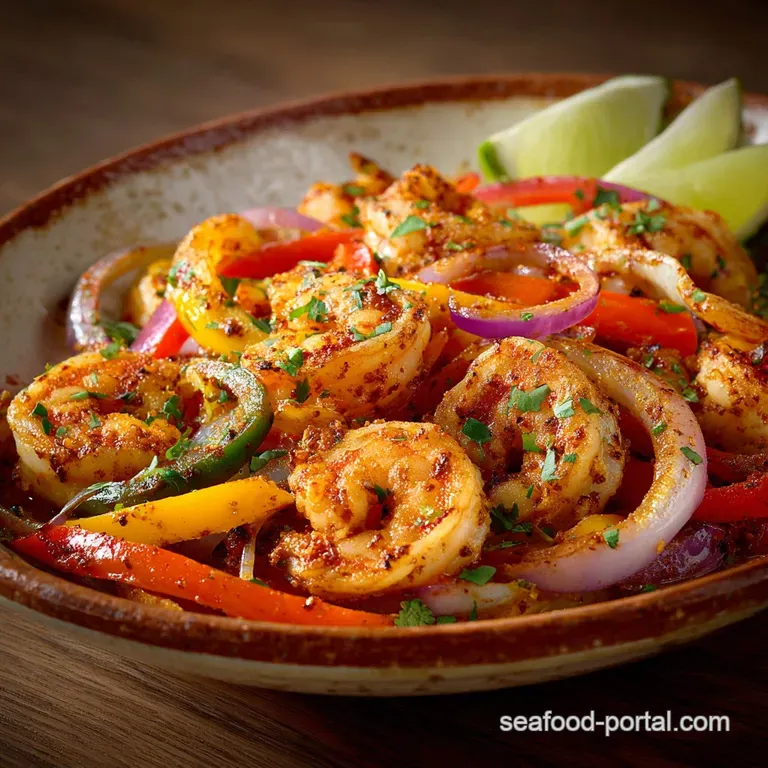
- Why These Shrimp Fajitas Deliver Maximum Flavor in Minutes
- Essential Components for Perfect Citrus-Chili Shrimp Fajitas
- Required Tools for Achieving the Signature Sizzle
- Step-by-Step Guide to Cooking Restaurant-Quality Shrimp Fajitas
- Elevating Your Fajita Experience: Serving and Topping Suggestions
- Troubleshooting and Meal Prep FAQ for Sizzling Fajitas
- Recipe FAQs
- 📝 Recipe Card
Why These Shrimp Fajitas Deliver Maximum Flavor in Minutes
When the craving strikes for bold, zesty Tex-Mex flavour but you’re short on time, this shrimp fajitas recipe is your perfect solution. Fajitas (meaning "little strips") are designed for speed, relying on high heat and rapid cooking times to deliver maximum texture and char in under an hour.
Unlike chicken or steak, which require prolonged marination and careful temperature checks, shrimp cooks in mere moments, cementing this dish as one of the best Quick Shrimp Recipes available.
By focusing intensely on a bright, acidic marinade paired with the classic smokiness of Tex-Mex spices, we ensure every bite of the shrimp and the accompanying caramelized vegetables bursts with flavour.
The Magic of the Citrus Marinade: Acidity for Tenderness
The secret to keeping the shrimp succulent and flavourful lies in the quick, yet potent, citrus marinade. We employ 1/4 cup of fresh lime juice alongside olive oil, garlic, and our signature spice blend (including cumin and smoked paprika).
The acid in the lime juice begins a process known as denaturing, which tenderizes the exterior protein fibers of the shrimp. This allows the spices like the smoky paprika and pungent chili powder to penetrate quickly.
The critical timing here is non-negotiable: the shrimp should marinate for a minimum of 15 minutes, but absolutely no longer than 30 minutes.
Exceeding this limit will cause the acid to "cook" the delicate proteins, resulting in a rubbery texture before the shrimp even touches the pan.
Understanding the Sizzle: High Heat Cooking Explained
The signature sound of fajitas arriving at the table the glorious sizzle is not just for show; it’s fundamental to the flavour and texture. We rely on extremely high heat to achieve rapid caramelization, known as the Maillard reaction, on both the peppers and the onions.
This process evaporates surface moisture instantly, giving the vegetables that slightly charred, crisp tender exterior we crave. If the heat is too low, the ingredients release moisture and steam, turning your beautiful produce into soft, pale mush.
Maintaining that searing temperature is crucial, especially when moving the recipe into the Shrimp Fajitas Skillet phase.
Tex-Mex vs. Authentic Mexican: Defining Our Flavor Profile
While both Tex-Mex and Authentic Mexican cuisines use chiles and tortillas, their flavour palettes differ significantly. This particular iteration of Shrimp Fajitas firmly embraces the Tex-Mex tradition.
Our foundation relies on warming spices like cumin, smoked paprika, and standard American chili powder. These spices create a deep, earthy warmth that contrasts beautifully with the bright citrus marinade.
Authentic Mexican cooking often foregrounds fresh, regional chiles and uses herbs like epazote, but we’re leaning into the bold, accessible smoky depth that defines classic Tex-Mex cooking and makes this dish a globally recognized favourite.
Essential Components for Perfect Citrus Chili Shrimp Fajitas
A successful Shrimp And Peppers Recipe hinges on ingredient quality and uniform preparation. The heart of this dish requires 1.5 lbs of large shrimp, preferably the 21/25 count, ensuring they stand up well to the high heat and have a satisfying bite.
For the vegetables, three large bell peppers (mixing red, yellow, and green not only adds visual appeal but provides different levels of natural sweetness) and one large white or yellow onion form the classic foundation.
These elements are bound together by the zesty marinade, consisting of fresh lime juice and an oil base, and the aforementioned chili cumin shrimp fajitas seasoning .
Required Tools for Achieving the Signature Sizzle
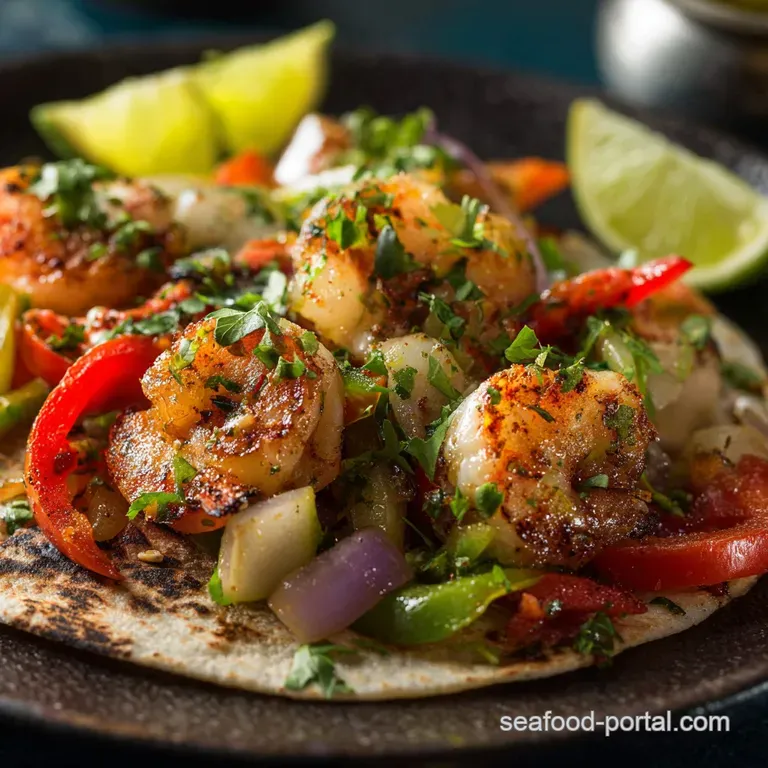
The success of fajitas is directly linked to the cooking vessel. While the ingredients are simple, the tools must be capable of handling intense, sustained heat.
Choosing the Best Shrimp: Fresh, Frozen, and Sizes
For optimal texture in your Shrimp Fajitas , select large shrimp (21/25 count). Shrimp size matters here because smaller varieties will overcook in seconds. If you don't live on the coast, quality frozen shrimp is often superior to "fresh" market shrimp that may have been previously thawed.
Ensure your shrimp are fully peeled and deveined before marinating. We recommend tail off for easier eating straight from the warm tortilla.
The Ultimate Tex-Mex Fajita Seasoning Blend (Homemade vs. store-bought)
While quality store-bought mixes can be convenient, crafting your own shrimp fajitas seasoning guarantees the freshest flavour and allows complete control over the salt and heat levels.
Our blend is simple yet effective, built upon the trinity of 1 tablespoon of chili powder, 1 teaspoon of ground cumin, and 1 teaspoon of smoked paprika. The smoked paprika is particularly important, as it delivers a woodsy, complex depth that defines this dish and complements the brightness of the lime juice.
We round this out with dried oregano, fresh garlic, salt, and pepper.
Selecting and Prepping Your Bell Peppers and Onions
The key to perfectly textured vegetables is uniformity. Slice the three bell peppers and the large onion into thin, even strips. This ensures they cook at the same pace, allowing for simultaneous charring and softening.
If some strips are thick and others thin, the delicate pieces will burn before the thick pieces achieve that crisp tender quality. Keeping the onions and peppers separate from the marinated shrimp until cooking begins is also vital for ensuring the proper heat transfer during the searing process.
Why a Cast Iron Skillet is Non-Negotiable
If you aim for authentic restaurant quality sizzle, a heavy bottomed frying pan is necessary, and a cast iron skillet is unequivocally the superior choice. Cast iron boasts excellent heat retention.
Once it reaches the required high temperature where the oil is shimmering and almost smoking it maintains that heat even when the cold vegetables or wet marinated shrimp are added. This prevents the pan temperature from crashing, which would otherwise turn the searing process into steaming.
Handling the Heat: Safety and Ventilation Tips
Since we are cooking at temperatures that require oil to shimmer aggressively, proper kitchen safety is paramount. Always use your highest smoke-point oil (like canola or vegetable oil) for the cooking stage, reserving the extra virgin olive oil for the marinade.
Ensure your kitchen ventilation system (hood fan) is running on maximum to handle the smoke. Never leave the pan unattended during the high heat searing phase, and ensure you have long tongs for safe maneuvering of the vegetables and shrimp.
Related Recipes Worth Trying
- Best Southern Shrimp and Cheese Grits Extra Creamy Recipe — This easy Southern Shrimp and Cheese Grits recipe delivers velvety stoneground cheesy grits topped with deeply flavourful spicy baconbutter shrimp A true...
- Southern Charm The Ultimate Low Country Shrimp Boil Recipe — Forget the fuss This Low Country Shrimp Boil is the definition of communal cooking Follow my easy Low Country Boil recipe for succulent shrimp smoky sausage...
- Authentic Shrimp Diablo Smoky Fiery and Ready in 30 Minutes — Our easy authentic Shrimp Diablo recipe delivers a proper punch Rich chipotle adobo vibrant lime and tender prawns make this one of the best Mexican Shrimp...
step-by-step Guide to Cooking Restaurant Quality Shrimp Fajitas
Achieving phenomenal Shrimp Fajitas involves executing three distinct, high heat steps in quick succession.
The Critical 15-Minute Marination Timeline
Once the 1.5 lbs of peeled shrimp are coated in the marinade (lime juice, olive oil, chili powder, cumin, etc.), set a timer immediately. A minimum of 15 minutes is necessary for the flavours to meld, but do not exceed 30 minutes, even if you are interrupted.
If you need to stop cooking, remove the shrimp from the citrus marinade and pat them dry, keeping them chilled until ready to proceed.
Mastering the Vegetable Sear: Achieving Caramelization
First, heat the heavy bottomed skillet over intense high heat and add the cooking oil until it begins to shimmer. Introduce the uniformly sliced onions and bell peppers. It is crucial not to stir immediately; allow them to sit undisturbed for the first minute.
This contact time allows the intense heat to create the desirable char marks and initiates the caramelization process. Sauté, stirring occasionally, for 5– 7 minutes until they are crisp tender and beautifully browned, then remove them promptly to a serving dish.
This keeps them warm while ensuring the skillet is empty and ready to achieve maximum heat again for the shrimp.
Flash Searing the Shrimp for Perfect Texture (Avoiding Rubbery Results)
Return the empty pan to the highest heat setting. If needed, add a small splash of oil. Once piping hot, add the marinated shrimp and spread them quickly into a single layer. The key here is speed: the shrimp should cook for only 1.5 to 3 minutes per side.
They are done the moment they curl into a C-shape and turn uniformly opaque pink. Overcooking by even 60 seconds will result in the tough, rubbery texture we are trying desperately to avoid.
This method is the fastest way to get your filling done, though for those exploring alternatives, adapting this recipe for a shrimp fajitas sheet pan or shrimp fajitas air fryer preparation can work for smaller, oil-free batches.
Combining and Finishing the Fajita Filling
Once the shrimp is perfectly cooked, return the caramelized peppers and onions to the skillet. Toss the mixture quickly for about 30 seconds. The lingering heat in the cast iron will bring the vegetables back up to temperature and coat them in the flavorful, slightly reduced marinade residue left by the shrimp.
This final toss creates the last, dramatic sizzle that makes fajitas so enjoyable and signals that your filling is ready for the table.
Elevating Your Fajita Experience: Serving and Topping Suggestions
The artistry of fajitas truly shines in the toppings, which offer essential cool, creamy, and crunchy contrasts to the hot, spicy filling. Serve the sizzling skillet contents immediately, garnished liberally with freshly chopped coriander.
Troubleshooting and Meal Prep FAQ for Sizzling Fajitas
As a high protein, relatively lean dish, this recipe fits well into the category of Shrimp Recipes Healthy meal plans, but a few planning tips can help maximize efficiency.
Simple Sour Cream Alternatives and Fresh Salsa Pairings
While traditional sour cream adds a wonderful cooling element, you can easily lighten the load. Greek yogurt is an excellent, protein rich substitute, or you can opt for authentic Crema Mexicana, which is thinner and tangier. For salsa, avoid heavy, tomato based sauces.
Instead, pair your smoky shrimp with a bright, fresh salsa, such as a mango or pineapple variety, where the sweetness and acidity beautifully cut through the savory, chili heavy Shrimp Fajitas filling.
How to Properly Warm and Soften Tortillas
A brittle, cold tortilla will split the moment you try to wrap your filling. The best method for warming your 8 inch flour tortillas is wrapping the stack in aluminum foil and placing them in a 350° F ( 175° C) oven for 10 minutes.
Alternatively, give them a quick pass on a dry, hot skillet for 15 seconds per side. This adds a slight char while keeping them soft and pliable.
Best Sides to Complete Your Weeknight Fajita Feast
To turn your fajitas into a complete, satisfying meal, pair the dish with complementary sides. A simple cilantro lime Mexican rice is a classic choice. Fresh guacamole adds richness and healthy fat, and a crunchy, bright coleslaw dressed with a lime vinaigrette provides a necessary textural element to contrast the soft tortillas and sizzling filling.
make-ahead Prep and Safely Storing Leftover Fajita Filling
Prep is the key to minimizing cook time. You can slice all your bell peppers and onions up to 24 hours in advance. However, as noted, avoid mixing the lime juice marinade with the shrimp more than 30 minutes before cooking.
Leftover filling should be stored in an airtight container in the refrigerator and will remain fresh for up to three days. When reheating, do so rapidly in a hot pan (instead of the microwave) to retain the char and avoid making the shrimp rubbery.
Nutritional Breakdown and Low-Carb Swaps (Lettuce Wraps)
Excluding high fat toppings like cheese and sour cream, this recipe provides a robust, high protein meal, averaging around 380 420 calories per serving (primarily driven by the tortillas). For those following a keto or low-carb diet, this dish is exceptionally adaptable.
Simply swap the flour tortillas for large, crisp butter lettuce leaves or cabbage cups. The lime chili shrimp and peppers filling is flavourful enough to stand alone, making this an ideal example of Shrimp Recipes Healthy for various dietary requirements.
Adaptable Recipe Variations (Chicken, Steak, or Vegetarian Options)
The acidic, smoky marinade is versatile and can be used on other proteins. If swapping to chicken, slice breasts into uniform strips and allow 1– 2 hours for marination, increasing the cook time to 6– 8 minutes total.
Thinly sliced flank or skirt steak also works beautifully, requiring about 30– 60 minutes of marination and a very hot pan. For a fantastic vegetarian option, marinate thick strips of firm tofu or portobello mushrooms, although these may benefit from a longer 45-minute marination time to absorb the bold seasoning.
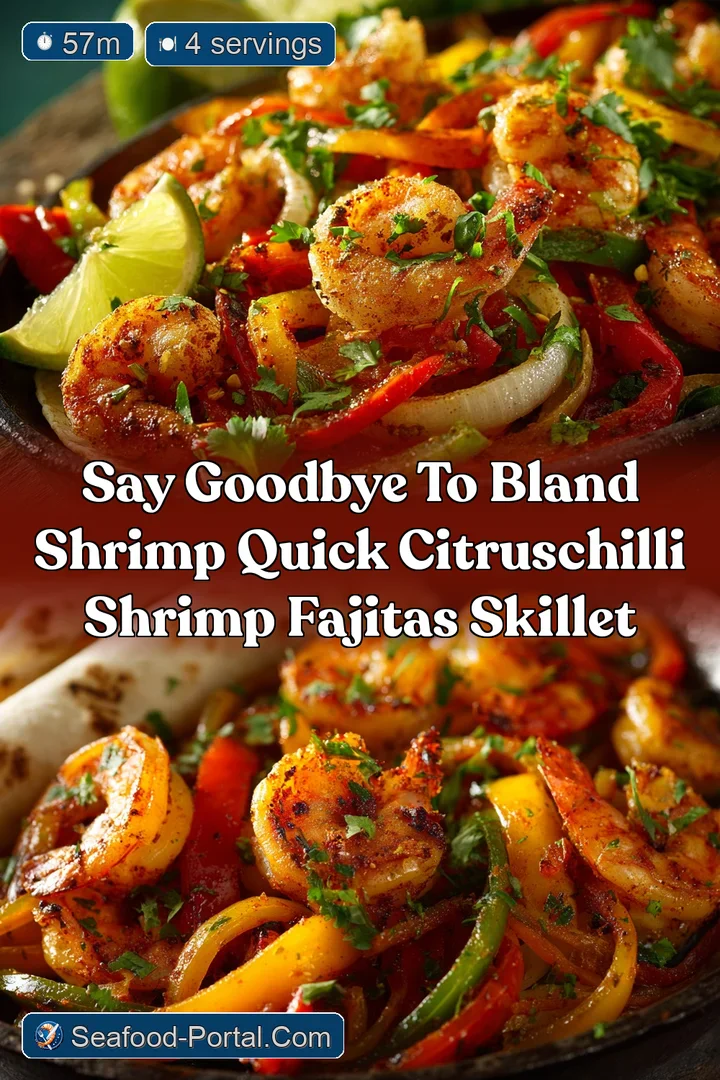
Recipe FAQs
How do I stop my Shrimp Fajitas from turning rubbery? I'd hate to spoil the whole affair!
The key to succulent shrimp is speed and heat. Ensure your skillet is screaming hot before adding the shrimp cast iron is brilliant for this, keeping the temperature consistent.
Cook them for just 1.5 to 3 minutes per side; as soon as they curl into a tight ‘C’ shape and turn opaque pink, whip them out of the pan. Overcooking shrimp is the biggest culinary crime!
The recipe says not to over marinate the shrimp what’s the deal? Can I prep this too far ahead?
That's because we’re using fresh lime juice, which is acidic. If the shrimp sits in the citrus for much longer than 30 minutes, the acid will start to "cook" the delicate proteins, a process known as ceviche. This will result in a tough, chewy texture once they hit the frying pan.
Feel free to chop your veg ahead of time, but hold off on mixing the shrimp until just before cooking.
My veggies look a bit soggy, not properly charred. Any tips for getting that professional "sizzle"?
Ah, you’re looking for that glorious Tex-Mex char! The most common mistake is crowding the pan, which lowers the temperature and causes the vegetables to steam instead of searing. Make sure your skillet is blazing hot, and if necessary, cook the peppers and onions in two smaller batches.
Don't stir them immediately either; let them sit for a minute or two to develop some lovely caramelisation before you toss them.
I’ve only got frozen prawns knocking about the freezer. Can I use those for this recipe?
Absolutely, frozen prawns are spot on for this recipe, provided you thaw them completely beforehand. Place them in a bowl of cold water or leave them in the fridge overnight. The most important step is to pat them bone dry with kitchen paper once thawed; any excess moisture will turn to steam in the hot pan, preventing that essential searing and flavour development.
If I have leftovers, how long will these Shrimp Fajitas last in the fridge?
Leftovers should be stored in an airtight container in the refrigerator and consumed within 3 days. When reheating, use a quick method like a hot skillet or microwave; try not to overheat, or the shrimp will lose any remaining moisture and become tough.
Remember that reheating rice or shrimp repeatedly isn't advisable, so only warm up what you plan to eat.
Quick Citrus Shrimp Fajitas Skillet
Ingredients:
Instructions:
Nutrition Facts:
| Calories | 2936 kcal |
|---|---|
| Protein | 21.3 g |
| Fat | 44.1 g |
| Carbs | 95.2 g |
| Fiber | 53.0 g |
| Sodium | 10720 mg |
