The Coastal Classic Proper Shrimp Carbonara
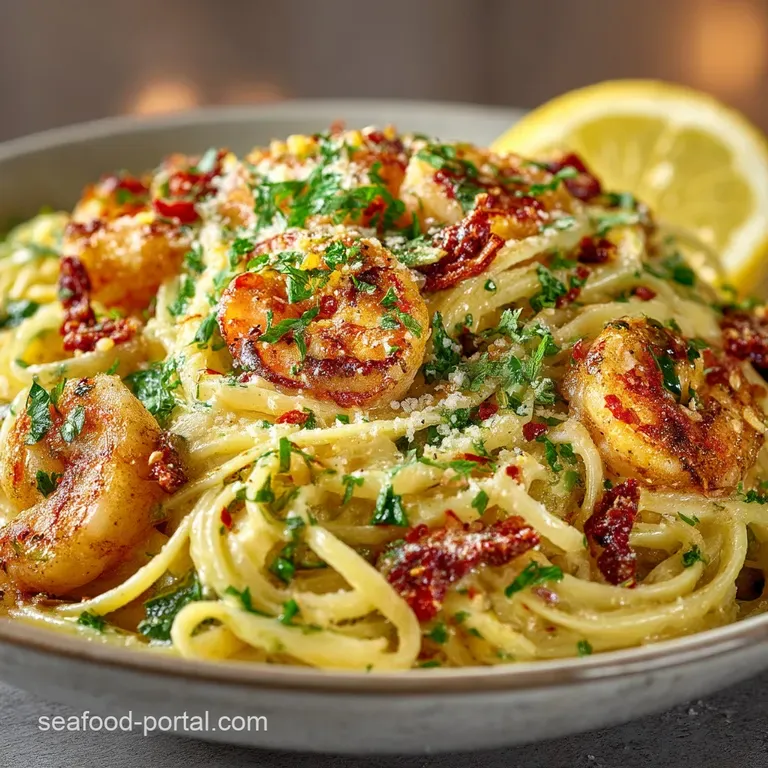
The Roman Technique Meets the Sea: Our Elevated Take
Few dishes in the world command as much respect among serious home cooks as Carbonara. It is a deceptively simple culinary performance a test of technique and timing that culminates in one of the richest, most satisfying pasta experiences imaginable.
We are taking that rigorous foundation and introducing the delicate sweetness of the ocean, creating a luxurious Shrimp Carbonara . This is a quick and elegant dish, achievable in just 30 minutes, making it a perfect selection for a sophisticated Family Dinner Night .
The result is a savory, peppery, and truly unforgettable meal that transcends the everyday.
Why True Carbonara Needs No Cream
The hallmark of an authentic Carbonara Recipe is its remarkable lightness, achieved entirely without heavy cream. The velvety consistency of the classic Carbonara Sauce comes from a precise emulsion: egg yolks, finely grated salty Pecorino Romano cheese, and the starchy water left over from cooking the pasta.
When these elements meet the residual heat of the hot spaghetti and the rendered pork fat, they bind together, creating a glossy, stable sauce that coats every strand. Mastering this process is the key to transforming raw ingredients into a dish that feels far more complex than its short ingredient list suggests, distinguishing it significantly from less authentic versions, such as the often heavy and creamy shrimp carbonara olive garden recipe .
Elevating Pasta with Perfectly Seared Shrimp
While traditionalists may balk at adding any protein other than cured pork, the inclusion of tender, sweet shrimp offers a stunning counterpoint to the salty richness of the guanciale and cheese.
To ensure the shrimp maintain their pristine texture, they are quickly seared in the rendered fat until just pink and opaque (about 2– 3 minutes) and immediately removed from the heat.
This prevents overcooking and ensures they do not interfere with the critical process of emulsifying the eggs and cheese. Returning the shrimp only at the very end ensures a flawless finish, making this particular preparation one of the Best Shrimp Recipes available.
Mastering the Minimalist Ingredient List
The success of the shrimp carbonara pasta recipe hinges entirely on the quality of its components. Since the process relies on transforming a few basic items, there is no place for low-grade substitutes.
From the cheese to the pork, choosing the best shrimp carbonara ingredients is non-negotiable.
Sourcing the Essential Fatty Element (Guanciale or Pancetta)
The flavour bedrock of this entire dish is the fat rendered from the cured pork. We start with 120 grams of diced Guanciale (cured pork jowl), which provides the most authentic, rich flavour. If Guanciale is unavailable, high-quality Pancetta, cut into small cubes, is the next best choice.
We cook the pork slowly over medium low heat for up to 10 minutes to ensure maximum fat extraction and crispness. The crisp pork pieces ( ciccioli ) are reserved, and the beautiful golden fat remains in the pan, ready to coat the pasta and host the shrimp.
Trusting this rendered fat means olive oil is usually optional and often unnecessary.
Choosing the Right Pasta Shape for Optimal Sauce Cling
For a Carbonara, the shape of the pasta must be able to hold the thick, dense sauce. We recommend 400 grams of Spaghetti or its hollow cousin, Bucatini. These long, robust shapes are best suited for catching and clinging onto the rich emulsion of egg, cheese, and fat.
The pasta must be cooked aggressively salted and only to a true al dente stage (typically 8– 10 minutes), as it will continue cooking briefly in the hot pan.
Most importantly, remember to reserve at least one cup of that precious, starchy cooking water before draining; this starch is the binding agent that stabilizes the sauce.
Essential Kitchen Tools for Smooth Emulsion
While the cooking process is rapid, having the right equipment ensures control over the crucial heat elements. You will need a large pot for the pasta and a heavy bottomed 10- or 12 inch frying pan. Crucially, use a stainless steel mixing bowl for the egg and cheese mixture.
Stainless steel is highly responsive to temperature change; placing this bowl briefly over the empty pasta pot allows the residual steam to warm the mixture gently, aiding in the tempering process without risking scrambling. Good tongs are also indispensable for the final rapid tossing step.
Related Recipes Worth Trying
- Classic Steamed Shrimp Dumplings The Secret to that Perfect Snap Bite — Skip the tea house Learn how to make truly fantastic Homemade Shrimp Dumplings Har Gow style Achieve that incredible snap in the filling with our easy Asian...
- Zesty Lemon Garlic Shrimp Spaghetti Quick Dinner with a Glossy Sauce — This quick Shrimp Spaghetti recipe uses the cold butter trick for a perfectly glossy nonwatery sauceits restaurantquality A bright Easy Shrimp Spaghetti...
- Crispy Popcorn Shrimp Recipe The Secret to Shattering Crunch — Forget soggy takeaway This homemade popcorn shrimp recipe uses a buttermilk soak and cornstarch dredge for the ultimate shatteringly crispy bite Serve up...
The Art of Achieving Silky Shrimp Carbonara Sauce
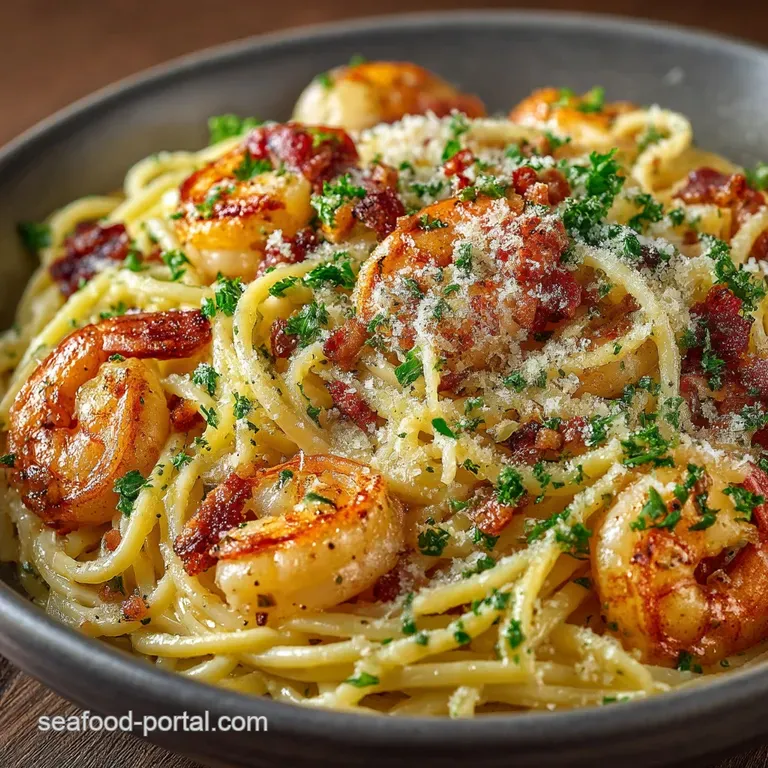
The transition from individual components to a unified, cohesive pasta dish requires precise timing. Once the pasta starts cooking, the entire remaining process takes less than ten minutes.
Rendering the Fat and Preparing the Shrimp
Begin by slowly rendering the 120g of diced pork in the cold frying pan until it is crisp. Remove and reserve the crispy bits. Next, increase the heat to medium high and add the 350g of peeled and deveined large shrimp.
Sauté the shrimp quickly in the hot rendered fat for about two to three minutes until they are perfectly cooked through and opaque. Immediately remove and set the shrimp aside with the pork this technique ensures every element is perfectly cooked before the grand finale.
The residual heat and flavourful fat remain in the pan, waiting for the pasta.
Tempering the Eggs: The Crucial Foundation Step
While the pasta boils, create your sauce base. In the stainless steel mixing bowl, combine the four large egg yolks and one whole egg. Add 150 grams of finely grated Pecorino Romano cheese and two teaspoons of freshly cracked black pepper. Whisk this mixture vigorously until it forms a very thick, homogeneous paste.
This pre-mixed density ensures the cheese and egg emulsify instantly upon contact with the heat. Do not skip the freshly cracked pepper; Carbonara should have a distinct, pungent sharpness.
The Rapid Toss: Combining Hot Pasta and Sauce Base
This is the ultimate moment of truth for the Shrimp Carbonara . Once the spaghetti is drained (with the starchy water reserved), immediately transfer the scalding hot pasta into the frying pan containing the pork fat. Toss to coat. Now, and this is vital, remove the pan entirely from the heat source.
Add the egg and cheese paste directly to the hot pasta. Start tossing rapidly with tongs. Immediately begin drizzling in the reserved hot starchy pasta water, one tablespoon at a time.
The residual heat from the pasta, pan, and water will gently temper and cook the eggs, transforming the paste into a glossy, luxuriant Carbonara Sauce that adheres perfectly to the spaghetti. Stop adding water the moment the sauce reaches a thick, creamy consistency.
Finally, gently fold the reserved shrimp and crispy pork bits back in.
Troubleshooting Common Issues for Perfect Results
The primary challenge in any Carbonara Recipe is heat management. The most common pitfall is accidentally scrambling the eggs. To avoid this, always add the egg mixture to the pasta off the heat .
If the sauce looks too dry or thick, the pasta was not hot enough, or you need more starchy water simply add another tablespoon or two while continuing to toss vigorously. Conversely, if the sauce is too watery, you may need a final sprinkle of Pecorino Romano, which absorbs moisture and helps tighten the emulsion.
A flawless, silky sauce is the goal of this shrimp carbonara recipe , and maintaining thermal control is the only way to achieve it.
Planning Ahead and Proper Storage
Preventing the Dreaded Scramble (Sauce Tips)
To maintain control during the crucial toss, ensure your mise en place is perfect: grated cheese, whisked eggs, and reserved water must all be ready. If you are extremely nervous about scrambling the four yolks and whole egg, you can use the residual steam from the empty pasta pot (the bain marie technique) to gently warm the bowl containing the egg mixture while tossing, thereby controlling the temperature with more precision than relying solely on the pan's residual heat.
This guarantees a perfectly smooth, rich finish for your Shrimp Carbonara .
Popular Variations on Classic Shrimp Carbonara
While the core recipe is sacred, minor additions can customize the flavor for your Family Dinner Night . For a brighter, coastal twist that perfectly complements the shrimp, grate in a teaspoon of fresh lemon zest with the egg mixture.
Alternatively, introduce a subtle heat by adding a pinch of crushed Calabrian chili flakes to the pork fat while rendering. If substituting the cured pork is necessary, thick cut, high-quality smoked bacon is the best alternative to Guanciale or Pancetta, though it will impart a stronger smoky flavour.
Making This Dish dairy-free or gluten-free
Adapting this complex shrimp carbonara recipe for dietary restrictions is possible, though certain substitutions will fundamentally alter the traditional flavor. gluten-free spaghetti or bucatini works flawlessly, provided you still reserve the highly starchy cooking water.
Achieving a truly dairy-free version, however, is difficult due to the essential role 150g of Pecorino Romano plays in both salinity and thickening. Some cooks find success substituting specialized vegan aged cheeses or a generous amount of nutritional yeast combined with additional salt, but be aware the characteristic sharp, salty bite of Pecorino will be missed.
Reheating Leftovers Without Breaking the Sauce
Carbonara is a dish meant to be consumed immediately upon preparation. The delicate emulsion breaks down upon cooling, and reheating can quickly transform the sauce into grainy scrambled eggs.
If you must reheat leftovers, use the gentlest heat source possible: a microwave set to a very low power level, or a pan on the stovetop with a generous splash of water or milk, stirred continuously. The aim is merely to warm the pasta through, not to boil or fry the contents.
Nutritional Snapshot of this High Protein Dish
This Shrimp Carbonara is remarkably satisfying, providing a substantial source of protein and energy. Based on a serving size of four, each plate delivers an estimated 650 700 calories, boasting a high protein content of around 45 grams, derived from the shrimp, eggs, and cured pork.
While rich in total fats (35 40g) due to the cheese and pork, the dish offers excellent satiety and makes for a nutrient dense, filling meal.
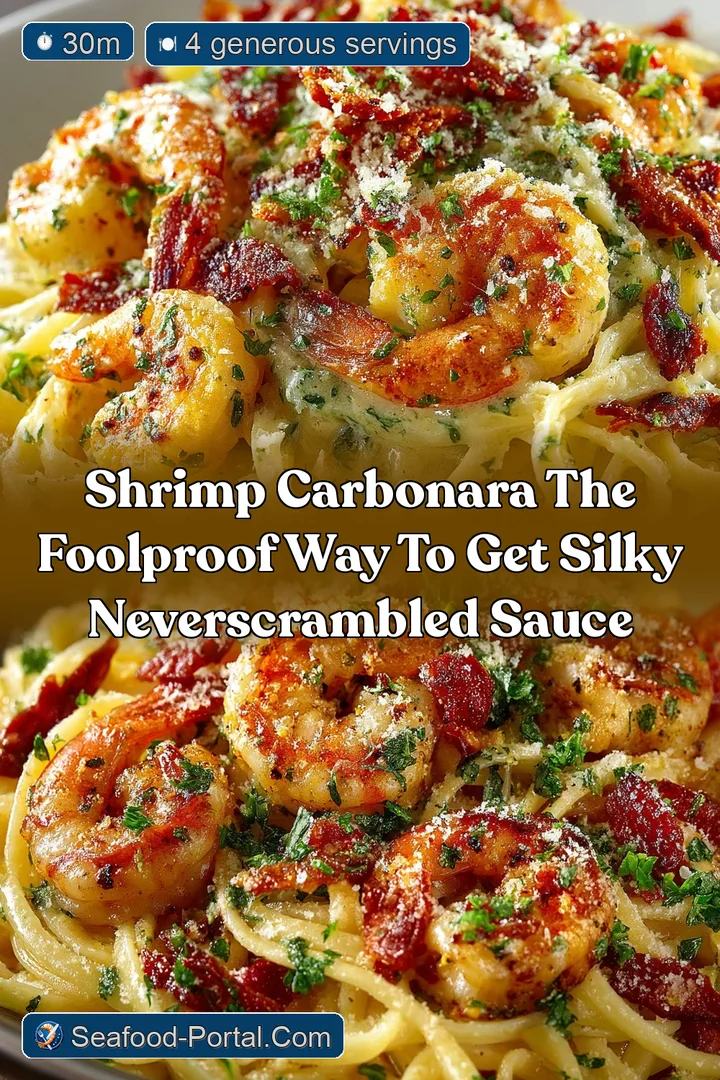
Recipe FAQs
Crikey, how do I stop the eggs turning into scrambled mess when making Shrimp Carbonara?
Ah, the million dollar question! This dish is all about timing and temperature control, like a finely tuned motorcar. The crucial step is that the frying pan must be completely OFF THE HEAT when you add the egg and cheese mixture.
You are relying solely on the residual heat of the hot pasta and the starchy pasta water to gently cook and emulsify the sauce. If you see steam aggressively rising from the mixture, your pan is too hot pull it away from the hob immediately!
Can I just use double cream instead of faffing about with the egg and water method?
Using cream, while tempting for simplicity, would make this a ‘pasta alla panna’ (pasta with cream), not a true Carbonara, and honestly, a bit of a culinary scandal! The richness of proper Carbonara comes from the silky emulsion of egg yolks and cheese, which is surprisingly light and far more sophisticated.
Stick to the technique it’s worth the payoff for that brilliant, glossy coat on the spaghetti.
What’s all the fuss about starchy pasta water? Is tap water not good enough?
The starchy pasta water is the secret weapon, mate! When pasta boils, it releases starch molecules into the water. This starch is the key emulsifier that acts as the binder, allowing the Pecorino cheese, egg yolks, and pork fat to blend into a stable, creamy sauce rather than splitting or becoming watery.
Think of it as liquid gold never throw it all away!
I can’t find guanciale or pancetta. Can I use proper English bacon instead for this dish?
You certainly can, but aim for a thick cut, high-quality bacon, ideally unsmoked or only very mildly smoked, as the traditional Italian meats provide a cleaner, less smoky flavour profile.
The goal is to render out plenty of clear, flavourful fat, so make sure to cook it slowly over low heat, ensuring the bacon bits are crispy and the fat is ready to coat your pasta.
Is it possible to reheat Carbonara leftovers, or is that a major faux pas?
Sadly, Carbonara is a dish best finished in one sitting it doesn't keep well, and reheating it without scrambling the egg base is a tricky business. If you absolutely must reheat it, do so very gently in a pan over low heat, adding a tablespoon or two of hot water to loosen the sauce as you stir constantly.
But honestly, for that pristine, fresh taste, it’s wise to only cook what you plan to scoff immediately.
Proper Shrimp Carbonara Creamless Silky
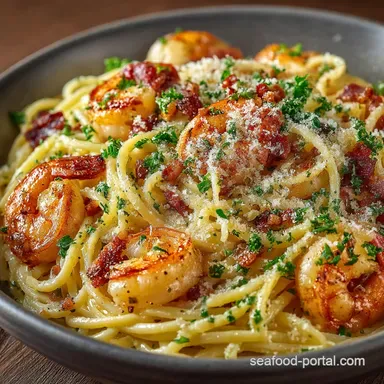
Ingredients:
Instructions:
Nutrition Facts:
| Calories | 1035 kcal |
|---|---|
| Protein | 27.5 g |
| Fat | 35.2 g |
| Carbs | 13.4 g |
| Fiber | 0.0 g |
| Sodium | 11234 mg |
