Deli Tuna Salad: the Rich, Crunchy Classic Built for Sourdough
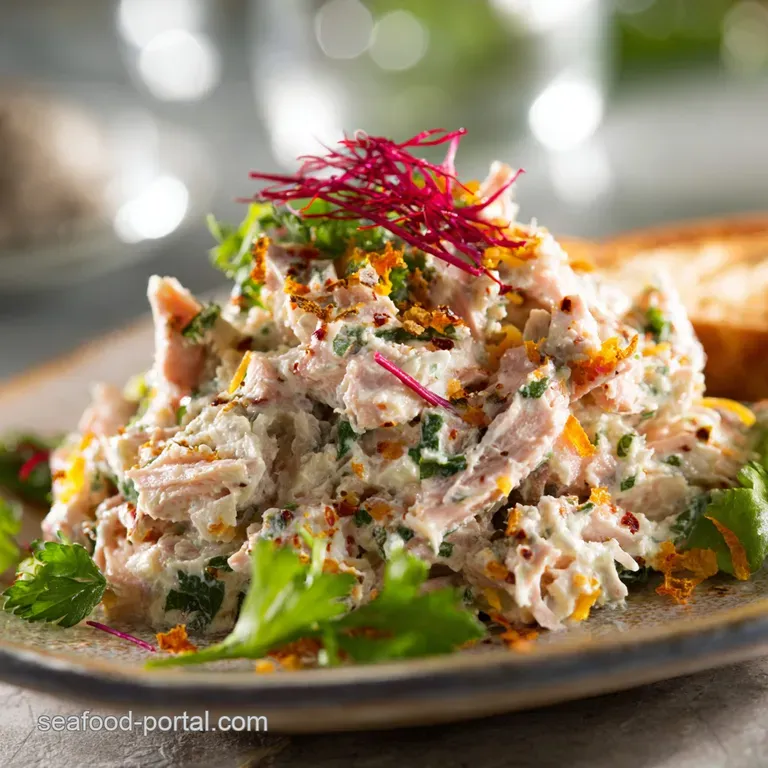
- The Secret to the Best Deli Tuna Salad: Rich, Structured, and Flavorful
- Achieving That Signature Deli Texture: Why This Recipe Is Different
- Essential Ingredients for Robust Deli Tuna Salad & Smart Swaps
- Step-by-Step Method: Crafting the Perfect Batch
- Mastering the Mix: Chef's Tips and Common Preparation Mistakes
- Storing Your Salad: Maximizing Freshness and Shelf Life
- Beyond the Sandwich: Creative Ways to Serve Deli Tuna Salad
- Recipe FAQs
- 📝 Recipe Card
The Secret to the Best Deli Tuna Salad: Rich, Structured, and Flavorful
Have you ever opened a container of deli tuna salad and just known, immediately, that it was going to be the absolute highlight of your day? That scent is everything: sharp, tangy, incredibly creamy, yet somehow still smelling fresh thanks to tiny bits of dill and celery. That is what we are aiming for today.
I know what you're thinking; "Tuna salad is easy, why do I need a recipe?" Most homemade versions end up sad and watery, sadly lacking the structure needed for a proper sandwich. This recipe is a lifesaver, genuinely.
It’s cheap, incredibly fast, and transforms lunch from zero to hero every single time without fail.
We are going deep on the structure, the flavor layering, and the crucial step that 90% of home cooks skip. Trust me when I say this is the robust, hold its-own deli tuna salad recipe you’ve been searching for. Let's make some magic.
Achieving That Signature Deli Texture: Why This Recipe Is Different
This salad has structure. It’s not soup, thank goodness. We achieve this signature density by aggressively draining the tuna and ensuring a perfect, tight ratio of binder (mayo/mustard) to flake, which is absolutely critical for the ultimate sandwich experience.
Chilling time is non-negotiable too, but we will get to that later.
What Defines the Classic Deli Style?
Deli style is chunky, rich, and balanced with acidity. It must hold its shape when piled onto rye bread. We are looking for bright flavor notes from fresh lemon and Dijon, which cut through the richness of the mayonnaise beautifully. This is about quality ingredients treated correctly.
Necessary Equipment Checklist
You don't need much fancy stuff here, which is why I love these recipes. Just grab a good can opener and a bowl. A fine mesh sieve is genuinely mandatory if you use oil-packed tuna (which you should).
Prep Time and Yield Overview
Active prep time should clock in around 15 minutes. This batch yields four incredibly generous servings, perfect for a week of lunches or a picnic gathering.
The Importance of Draining the Tuna Completely
This is the hill I will die on: wet tuna makes a watery, flavorless tuna salad sandwich . Whether you choose water packed or oil-packed, you must press every single drop of liquid out. I once tried to shortcut this step and ended up with a runny mess that soaked through the bread instantly.
Never again.
The Role of Relish and Red Onion in Flavor Depth
We use finely diced dill pickle here, not sweet relish, because we need that sharp, vinegary punch. The red onion adds a necessary level of raw sharpness that mellows perfectly during the chilling period. These aren't just for crunch; they are essential flavor components.
Mayonnaise Ratio: Balancing Richness with Structure
Too much mayo, and your tuna salad becomes a runny puddle. Too little, and it feels dry and crumbly. The measurements in the recipe card below create a cohesive salad where the mayo binds the ingredients without dominating them. We are aiming for incredibly creamy, not greasy.
Essential Ingredients for Robust Deli Tuna Salad & Smart Swaps
Getting the base right is 90% of the game. Always use ingredients you actually like, because that flavor will shine through the final dish.
Tuna Selection: Oil-Packed vs. Water Packed Debate
I generally recommend high-quality tuna packed in olive oil (like Albacore). Yes, you have to drain the oil thoroughly, but the fat infuses the tuna with moisture and flavor that water just can't match. If you are comparing this to something like making Tuna Tartare Recipe: Simple Ahi with Zesty Ginger Soy Dressing where the quality of the raw fish is everything, here the canning process matters immensely too.
The Non-Negotiable Crunch Factors (Celery and Onion)
You absolutely need texture contrast against the creaminess. Celery provides that signature crunch, but please, remove the strings first! Just a quick peel down the stalk makes for a much better mouthfeel.
Spice Cabinet Essentials: Paprika and Black Pepper
Freshly cracked black pepper is crucial. We use a good half teaspoon to ensure that savory warmth comes through. While optional, a dash of sweet paprika is often used in delis mostly for color, giving it that classic pale pinkish hue.
Making It Lighter: Mayonnaise Alternatives
If you are counting calories or just prefer a tangier binder, you can swap out half the mayo for Greek yogurt or skyr. This creates a slightly tangier salad, but still holds its structure well. If you love that concept, you should also check out my NoMayo Tuna Melt: Healthy Creamy Classic (Ready in 20 Minutes) for an alternative approach.
| If You Don't Have... | Use This Instead... |
|---|---|
| Dill Pickle | Capers (for salt and punch) or Sweet Relish (reduce added salt). |
| Red Onion | Finely chopped shallots. |
| Dijon Mustard | A teaspoon of horseradish (be careful!) or a splash of white wine vinegar for acidity. |
step-by-step Method: Crafting the Perfect Batch
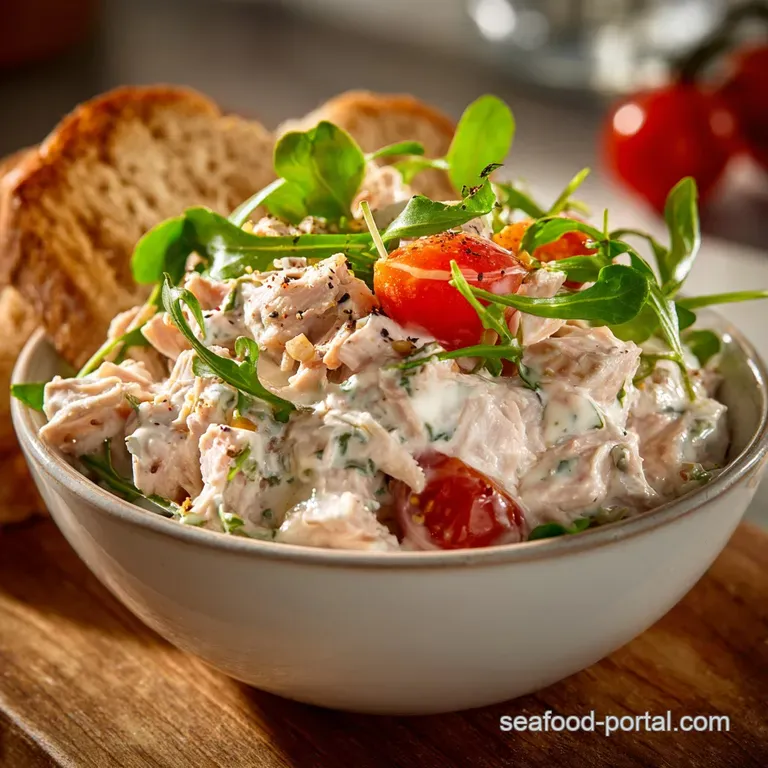
This is an assembly job, but precision counts. Follow these steps for maximum texture and flavor.
Preparing Your Base: Flaking and Draining Techniques
First, drain that tuna until it’s almost dry. Use a fork to gently flake the tuna, ensuring you leave some substantial chunks. We want flakes, not paste. Set aside the flaked tuna and prep your finely diced celery, onion, and pickle.
Incorporating the 'Wet' Components First (Mayo, Mustard, Relish)
In a separate bowl, whisk together the mayonnaise, Dijon mustard, lemon juice, and seasonings. I always taste the dressing before it hits the tuna. It should taste slightly too tart and salty on its own, because the plain tuna will absorb a lot of that flavor.
Adding the Crunch: Integrating the Vegetables
Add all the diced vegetables and pickle directly to the tuna bowl. Now pour the prepared dressing mixture over the top.
The Critical Final Mix and Seasoning Check
Using a rubber spatula, gently fold the ingredients together. Use an under and over motion until everything is just coated. Stop immediately when no dry patches remain. Taste again, checking for salt and acid.
Chef's Note: If you think it needs more punch, add a tiny splash more lemon juice. It's the secret weapon against blandness.
Mastering the Mix: Chef's Tips and Common Preparation Mistakes
Making this salad is straightforward, but there are a few places where people mess it up every time. Learn from my mistakes!
The Over Mixing Hazard (Avoiding Mushy Salad)
If you treat the tuna like cookie dough and aggressively stir it, you will destroy all the beautiful texture. Over mixing releases too much protein and moisture, turning your chunky fish flakes into mushy paste. Use a folding motion only.
Seasoning for the Future: Why a Rest is Necessary
The 30 minute chilling period is non-negotiable. During this time, the tuna absorbs the flavors of the mustard and lemon, and the sharpness of the red onion mellows slightly. If you taste it right after mixing, it might seem harsh. Always trust the chill.
Fixing Too Dry or Too Wet Deli Tuna Salad
If your salad is too dry, slowly fold in a teaspoon of liquid from the drained tuna can or a dash of pickle juice for flavor. If it’s too wet (meaning you skipped the crucial draining step, perhaps?), you can try mixing in a spoonful of finely crushed breadcrumbs or half a teaspoon of dried milk powder to absorb the excess liquid.
Storing Your Salad: Maximizing Freshness and Shelf Life
It feels wrong to call this a make-ahead recipe, but it tastes better the next day.
Refrigerator Guidelines: Best Containers and Duration
Store your deli tuna salad in an airtight container with minimal air exposure. I like to press a piece of plastic wrap directly onto the surface before sealing the lid. It will stay wonderfully fresh and safe in the fridge for 3 to 4 days.
Can You Freeze Tuna Salad? (The Definitive Answer)
Absolutely not. Do not freeze this. Mayonnaise, which is an emulsion of oil and egg, completely breaks down when frozen and thawed. It separates into an oily, watery, grainy mess that no amount of stirring can fix. Just make a smaller batch if you need less.
Safety Practices for Leftovers
Because tuna salad contains mayonnaise and protein, it must never sit at room temperature for longer than two hours. If you are serving it outdoors, keep the bowl nested in ice. Always smell leftovers before eating; trust your nose if anything seems off.
Beyond the Sandwich: Creative Ways to Serve Deli Tuna Salad
While the classic tuna salad sandwich is king especially a properly griddled version, like a Tuna Melt Sandwich: The Proper Griddled, Crispy Comfort Classic — this delicious preparation can do so much more.
- Stuffed Tomatoes/Avocados: For a lighter, lower carb option, hollow out ripe tomatoes or half an avocado and fill them generously with the chilled salad.
- Crackers and Crostini: Serve it alongside sturdy crackers or toasted baguette slices for a quick appetizer.
- Salad Topping: Use a scoop of the tuna salad on top of a bed of crisp butter lettuce or baby spinach. A simple vinaigrette on the greens balances the creaminess beautifully.
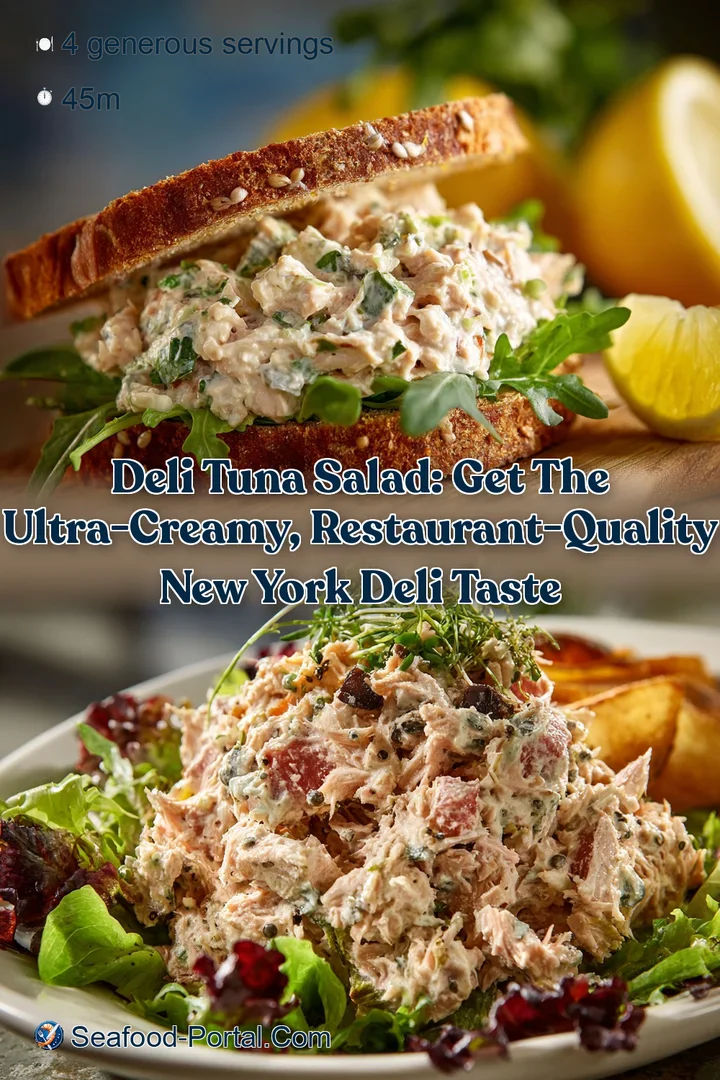
Recipe FAQs
How long does Deli Tuna Salad stay fresh, and how should I store it?
Tuna salad, being mayonnaise based, must be refrigerated immediately in an airtight container. When stored at 40°F (4°C) or below, it is generally safe and freshest for 3 to 4 days. Always use your best judgment regarding smell and appearance before consuming leftovers.
My tuna salad often ends up dry or too watery. How do I achieve the perfect deli texture?
The key to perfect deli texture is properly draining the tuna press out all excess liquid, whether oil or water, before mixing. If the salad is too dry, incorporate a small amount of pickle juice or an extra tablespoon of mayo until the desired creamy consistency is achieved.
Avoid over mixing, which can break down the tuna and release moisture later.
Should I use tuna packed in oil or water for a classic deli salad?
Water packed tuna is generally preferred as it blends better with mayonnaise and provides a cleaner flavor profile that allows the other seasonings to shine. If you opt for oil-packed tuna, ensure it is extremely well drained and lightly rinsed, as residual oil can make the final salad greasy.
Can I freeze leftover tuna salad to preserve it?
No, freezing is highly discouraged for any mayonnaise or emulsion based salad. The mayonnaise will invariably break upon thawing, resulting in a separated, watery, and unappetizing texture. It is best to only prepare the amount you plan to consume within the recommended storage window.
Are there suitable alternatives for mayonnaise in this recipe?
Absolutely; you can use full fat Greek yogurt or sour cream for a tangier, slightly lighter profile, or choose avocado oil-based mayo for a richer, healthier fat option. Start with a slightly smaller amount of these substitutes, as their binding consistency may vary from standard deli mayonnaise.
I don't have celery. What is a good ingredient to add crunch and texture?
The crunch is an essential part of the deli texture experience, so feel free to substitute finely diced Granny Smith apple or peeled, seeded cucumber for a fresh snap. Alternatively, adding a handful of lightly toasted pecans or walnuts can provide an excellent, hearty textural contrast.
How can I elevate the flavor to truly mimic a high end deli?
The secret often lies in balancing acidity and richness; add a teaspoon of Dijon mustard and a splash of pickle juice or red wine vinegar for brightness. Furthermore, don't skimp on finely minced fresh herbs like chives or dill, which are standard in upscale deli preparations.
Proper Classic Deli Tuna Salad
Ingredients:
Instructions:
Nutrition Facts:
| Calories | 350 calories |
|---|---|
| Fat | 25 g |
| Fiber | 1 g |
