Chicken and Rice Soup: the Proper Homemade Recipe with Lemon and Dill
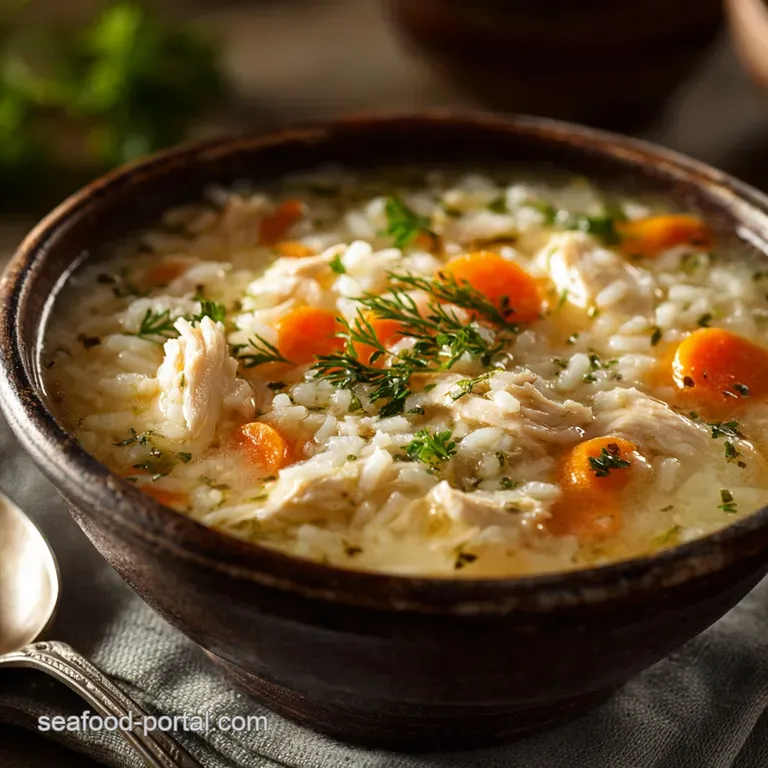
- The Ultimate Proper Chicken and Lemon Rice Soup: An Overview
- Mastering Flavour: Why This Soup is So Deeply Satisfying
- Ingredients List and Notes on Quality Sourcing
- Method: How to Prepare Classic Chicken and Rice Soup
- Expert Tips for the Best Homemade Chicken and Rice Soup
- Storing and Reheating Leftover Soup
- Perfect Pairings and Serving Suggestions
- Recipe FAQs
- 📝 Recipe Card
The Ultimate Proper Chicken and Lemon Rice Soup: An Overview
The moment that steam hits your face, smelling of warm herbs and deep, earthy broth, you know you are instantly wrapped in comfort. This isn't just liquid and protein; it's a sensory hug on a dreary Tuesday.
A true homemade Chicken and Rice Soup has a silkiness that canned versions can never touch.
I swear by this recipe whenever life feels a bit much, or when the fridge is looking painfully bare. It is the ultimate antidote to fast food fatigue, being incredibly cheap, easy to manage, and packed full of actual nutrition. Honestly, the only tricky part is waiting for the simmering to finish.
We are going beyond the basic boiled broth version today, adding key steps and a secret ingredient that brightens the whole bowl. Get ready for a deeply flavorful, restorative bowl of classic comfort food. Let’s crack on.
Mastering Flavour: Why This Soup is So Deeply Satisfying
What Makes This Chicken and Rice Soup Truly Special?
This soup works because we aren't just boiling things together; we are building layers of flavor right from the start. That initial sautéing of the humble onion, carrot, and celery is non-negotiable.
This is your foundation, and sweating those aromatics until they are sweet and transparent makes all the difference in the final Homemade Soup Recipe .
The Tradition of Soothing Broth (and how to make it rich)
If you want soup that actually tastes amazing, you must use bone-in, skin-on chicken pieces. I know boneless is convenient, but the bones are what deliver the incredible depth and mouthfeel we are after. They release collagen into the liquid as they simmer, creating a richer, slightly sticky broth.
Trust me, that collagen is your secret weapon against thin, watery soup.
Equipment Check: Essential Pots for Perfect Soup Consistency
Honestly, you don't need fancy tools to make a killer soup. You just need one big, heavy bottomed pot. I use my trusty 6 quart Dutch Oven, and it handles everything perfectly. The heavy base helps distribute the heat evenly, which is crucial when you are aiming for a low, gentle simmer and not a violent boil.
The Magic of Slow Simmering: Extracting Collagen and Depth
You need patience here, friend. Once your soup comes to a boil, immediately turn the heat down to the lowest setting possible. A hard boil makes your broth cloudy and can toughen the chicken meat. We want a gentle, bubble breaking-on-the-surface kind of simmer.
Don't forget to skim the grayish foam that rises in the first 10 minutes; those are impurities you absolutely don't want in your beautiful, clear broth.
Balancing Acidity: Using Lemon Zest and Juice for Brightness
This is where we pull the whole dish together. That deep, comforting broth, while lovely, can taste a little flat without contrast. Adding a good hit of fresh lemon juice right at the end cuts through the fat and wakes up every single flavor.
If you want a more complex, less aggressive tartness, you can also grate in a little lemon zest.
Achieving Perfect Rice Texture (Avoiding mushiness)
This is the number one spot where people mess up their Chicken and Rice Soup . If you add the rice too early, it will swell, absorb all the broth, and leave you with thick, gummy sludge.
We add the rice after the chicken is cooked and removed, ensuring the rice cooks in the already finished, beautifully flavored broth.
Ingredients List and Notes on Quality Sourcing
I like to call the aromatic base the "Holy Trinity" onion, carrot, and celery. Don't cheap out on your chicken stock; grab the best quality low-sodium version you can find, or ideally, use homemade.
Choosing the Right Cut of Chicken for Broth and Meat
As noted earlier, bone-in chicken thighs are king for depth of flavor. Their higher fat content prevents them from drying out during the long simmer.
| Preferred Ingredient | Substitution | Why it Works |
|---|---|---|
| Bone-in Thighs | Boneless Breasts | Cooks faster, but less flavor. Add only for the last 15 min. |
| Whole Chicken | Rotisserie Chicken | Quick Soup method. Shred pre-cooked meat and add at the end; use the bones to simmer your broth separately. |
Rice Selection: White Rice vs. Brown Rice Considerations
I prefer long grain white rice (like Basmati or Jasmine) because it cooks quickly and maintains a nice, separate texture. Brown rice is heartier and healthier, but it takes way longer to cook (40+ minutes) and can release more starch, making your broth cloudier.
A Note on Aromatics: Building the Essential Flavour Base
Remember, we sweat these out gently in butter or olive oil. If you skip this step, the final broth will taste thin, like sadness.
- No Onion? Use 1 large, thoroughly washed leek (white and light green parts).
- No Fresh Garlic? You can substitute about 1 tsp of dried garlic powder, but add it with the stock, not the butter, so it doesn't burn.
Essential Substitutions for Fresh Dill
Dill brings a wonderful, slightly anise like freshness that pairs magically with lemon. If you don't have it, don't worry!
- Fresh Parsley: Use more of this. It's clean and bright.
- Fresh Chives: Adds a very subtle, mild onion note.
- Tarragon: Use sparingly, as it’s much stronger, but its anise flavor is a good match for dill.
Method: How to Prepare Classic Chicken and Rice Soup

Phase 1: Building the Rich, Clear Broth
- Start the Soffritto: Melt the butter in your big pot over medium heat. Add the diced onion, carrot, and celery. Stir and cook gently until they are soft and translucent, about 8– 10 minutes. This is sweating, not browning!
- Garlic Power: Toss in the minced garlic and cook for 1 minute until you smell it. Don't let it turn brown or it will taste bitter.
- Liquids and Thighs: Add the chicken stock, water, bone-in chicken thighs, dried thyme, bay leaves, salt, and pepper.
- Low Simmer: Bring it up to a boil, then instantly drop the heat to low. The liquid should just barely bubble. This simmer will go for 30– 35 minutes.
Chef's Note: As the liquid heats, use a slotted spoon to skim off any gray foam or fat globules that float to the top. This keeps your broth crystal clear and gorgeous.
Phase 2: Shredding the Chicken and Straining the Liquid
- Remove the Chicken: After the simmering time, the chicken should be fork tender. Use tongs to carefully remove the thighs and the bay leaves from the pot.
- Cool and Shred: Set the chicken aside to cool slightly. Once cool, discard the skin and bones, then shred or dice the meat into perfect bite sized pieces.
Phase 3: Cooking the Rice and Finishing the Soup
- Cook the Rice: With the broth still simmering gently, stir in the cup of long grain white rice. Cook for 15– 18 minutes, or until the rice is tender but still has a slight bite (al dente).
- Combine: Return the shredded chicken to the pot and let it warm through for 2 minutes.
- The Grand Finale: Remove the pot from the heat. Stir in the fresh parsley, dill (if using), and all that glorious fresh lemon juice.
- Taste Test: Adjust the seasoning radically now. Does it need more salt? A pinch more pepper? Maybe another tiny squeeze of lemon to really make it pop?
Expert Tips for the Best Homemade Chicken and Rice Soup
Troubleshooting Cloudy Broth
This usually happens because you cooked the soup too hard or you didn't skim those early impurities. If it looks milky, don't panic. Pour the broth through a fine mesh sieve lined with cheesecloth. It's a pain, but it works, giving you that beautiful, clear appearance.
Salt Management: When to Season for Maximum Impact
I made the mistake of salting heavily right at the start once, only to have the water evaporate, leaving me with a horribly salty broth. Always start conservatively with your salt, and taste, taste, taste at the very end.
You season for the liquid, but finish seasoning for the overall dish after the rice is cooked.
Fixing Overcooked or Gummy Rice
If your rice looks like a dissolved starchy mess, there’s no real fix for this batch except adding more liquid. However, here is the essential preventative tip: If you know you will have leftovers, cook the rice completely separately.
Only add the cooked rice to the individual bowls right before serving. This keeps the soup pristine.
Storing and Reheating Leftover Soup
The Rice Dilemma: Storing Cooked Rice Separately
As mentioned, rice sucks up liquid like a sponge in the fridge. If you leave the rice in the soup overnight, you will wake up to a thick stew, not soup. For the best quality leftovers, try to store any untouched cooked rice in a separate container from the broth.
You can always make a separate batch of plain rice quickly when reheating.
Safe Freezing Guidelines for Long Term Storage
Chicken and Rice Soup freezes beautifully, IF you follow the rice rule. Freeze the broth and shredded chicken mixture ONLY. Ladle the cooled soup into freezer safe containers or large Ziplock bags (lay them flat to save space). It’ll last easily for 3 4 months.
Best Practices for Reheating the Soup
Thaw the soup overnight in the fridge. Reheat gently on the stovetop over medium low heat until simmering. If the broth seems too thick, just add a splash of water or stock. If you need a quick, easy side to serve with it, I sometimes whip up some Just Bare Chicken Nuggets Air Fryer: Ultra Crispy, Pub-Grade Perfection for the kids while the soup warms up.
Perfect Pairings and Serving Suggestions
This is comfort food, so keep the sides simple and cozy.
- Grilled Cheese Upgrade: Seriously, is there any better pairing? Use sharp cheddar and sourdough.
- Crusty Bread: Grab a baguette and toast it with a little garlic butter. It's mandatory for dipping.
- Simple Salad: A basic arugula salad dressed with vinaigrette provides a fresh, peppery bite that cuts through the soup's richness. If you are leaning into other classics, this soup pairs beautifully before a hearty meal, maybe even before a cozy Classic Tuna Casserole: Scratch Made Comfort, No Canned Soup !
Recipe FAQs
Why is the rice in my soup mushy, or why does it absorb all the liquid upon resting?
Rice continues to absorb liquid rapidly even after the heat is turned off, leading to a thick, gummy soup texture overnight. The best method is to cook the rice separately (perhaps in water or stock) and add it directly to individual bowls just before serving.
If you must cook the rice in the soup pot, use a sturdier rice variety like Arborio or brown rice, and only simmer for 5 7 minutes immediately prior to serving.
Can I use leftover cooked chicken instead of raw chicken to make the broth?
Yes, but you will need to adjust the process to ensure the broth is flavorful. If you only have pre-cooked meat, you must build the broth using aromatic vegetables, water, and perhaps some inexpensive chicken bones (like backs or necks) first, simmering for at least an hour.
Stir in the shredded pre-cooked chicken meat only during the final 5 to 10 minutes of cooking to prevent it from becoming dry and tough.
My broth is cloudy rather than clear. How do I achieve a crystal clear broth?
Cloudiness is usually caused by boiling the soup too vigorously, which emulsifies the fat and releases microscopic debris from the chicken and rice into the liquid. To maintain clarity, keep the heat very low and maintain a gentle, bare simmer never a rolling boil throughout the entire cooking process.
Ensure you diligently skim off any scum or foam that rises to the surface during the first 30 minutes of simmering.
Does this Chicken and Rice Soup freeze well?
The broth and chicken freeze wonderfully, but the rice does not hold up well to freezing and thawing; it tends to become soft, gritty, and unpleasant. It is strongly recommended that you freeze the soup base without the rice, and cook a fresh batch of rice to add to the soup upon reheating.
Freeze the soup in airtight containers for up to three months.
What are some complementary vegetables I can add to boost nutrition and flavor?
For a traditional, earthy sweetness that complements the rich chicken flavor, try adding diced parsnips or celery root (celeriac) alongside the carrots and celery. Alternatively, adding a handful of fresh spinach or kale during the last five minutes of cooking provides excellent nutritional density and a lovely green color.
Always cut vegetables uniformly to ensure even cooking.
I want a deeper, richer chicken flavor in my broth. How can I achieve this?
The deepest flavor comes from properly browning the ingredients before adding the water. Before simmering, quickly sear the chicken pieces and aromatic vegetables in a touch of olive oil in the soup pot to build a flavorful fond on the bottom.
Alternatively, incorporate a spoonful of high-quality chicken base or bouillon alongside the stock, ensuring you reduce the amount of added salt.
How should I store and reheat leftovers without drying out the chicken?
Store leftovers in the refrigerator in a sealed container for up to four days. When reheating, do so gently over low heat on the stovetop or in the microwave; avoid a rolling boil, as this will dry out the cooked chicken meat.
If the soup has thickened substantially due to rice absorption, stir in half a cup of extra chicken broth or water before reheating to restore the proper consistency.
Proper Chicken And Rice Soup Recipe

Ingredients:
Instructions:
Nutrition Facts:
| Calories | 314 kcal |
|---|---|
| Protein | 25.0 g |
| Fat | 9.0 g |
| Carbs | 31.0 g |
