Poor Man's Lobster: Tender and Sweet
- Time: Active 5 minutes, Passive 15 minutes, Total 20 minutes
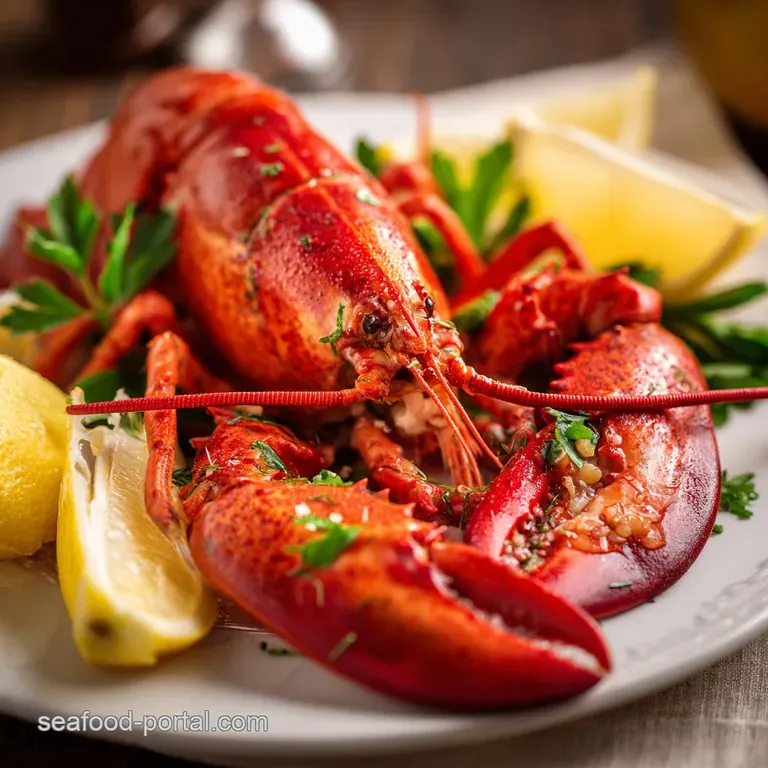
- Flavor/Texture Hook: Flaky, sweet, and velvety with a golden bronze finish
- Perfect for: Budget-friendly luxury dinner or impressive weeknight meals
- Mastering Poor Man's Lobster At Home
- Essential Recipe Performance Metrics
- Why Poor Man's Lobster Works
- Component Deep Dive and Analysis
- Selecting Premium Fish and Pantry Items
- Essential Kitchen Tools for Poaching
- Step-by-Step Execution Guidelines
- Fixes for Common Cooking Errors
- Troubleshooting Common Issues
- Regional Flavor Adjustments to Try
- Scaling the Recipe for Crowds
- Storage and Leftover Guide
- Classic Sides and Presentation Ideas
- Debunking Seafood Myths
- Very High in Sodium 🚨
- Recipe FAQs
- 📝 Recipe Card
Mastering Poor Man's Lobster At Home
Forget everything you know about expensive seafood dinners. There is a persistent myth that the luxurious sweetness of a lobster tail is exclusive to the crustacean itself, but I am here to tell you that’s just not true.
You don't need to spend sixty dollars at a steakhouse to get that velvety, rich experience that coats your tongue in butter. I used to think the only way to get that specific "snap" was to shell out for the real thing, but a little kitchen chemistry and some thick cut cod changed my mind forever.
The first time I tried this, I was skeptical. I saw the amount of sugar going into the water and thought I was making candy, not dinner. But as the cod hit the boiling brine and that coastal aroma filled the kitchen, I realized the magic was happening.
When I pulled those golden bronze nuggets out from under the broiler, the sizzle was identical to a fresh lobster tail. One bite into that firm, sweet flake, and I was a believer.
This recipe relies on a specific ratio of salt and sugar to tighten the protein fibers of the fish. Instead of the usual soft, flaky texture we associate with baked cod, the fish becomes dense and resilient, mimicking the muscle structure of a lobster.
It is a total revelation for anyone who loves high end seafood but wants to keep their grocery bill under control. Trust me, once you see how those chunks of cod firm up in the pot, you'll never look at white fish the same way again.
Essential Recipe Performance Metrics
To get this right every single time, you need to understand the rhythm of the cook. This isn't a slow braised dish where you have a wide window of error. We are working with rapid heat and high intensity flavors.
Since we are using thick cut cod, the timing is everything to prevent it from turning into a pile of mushy flakes. We want those distinct, meaty segments that pull apart just like a tail would.
| Thickness | Poach Time | Broil Time | Visual Cue |
|---|---|---|---|
| 1 inch | 3 minutes | 2 minutes | Opaque edges, firm feel |
| 1.5 inches | 4 minutes | 2.5 minutes | Flakes resist slightly |
| 2 inches | 5 minutes | 3 minutes | Translucent center fades |
The transition from the pot to the broiler is the most critical phase. You are essentially par cooking the fish in the brine to set the texture, then finishing the flavor development under the intense heat of the broiler.
If you leave the fish in the water for even sixty seconds too long, you lose that lobster like bounce. We are aiming for a center that is just barely underdone before it hits the oven.
Why Poor Man's Lobster Works
- Osmotic Firming: The high concentration of sugar and salt in the brine draws moisture out of the outer layers of the fish, tightening the protein structure to create a "snappy" bite.
- Hyper Saturation: Boiling the fish in sugar water mimics the natural sweetness found in the amino acids of shellfish like lobster and scallops.
- Rapid Maillard Finish: The sugar residue on the surface of the poached fish undergoes quick caramelization under the broiler, providing a golden crust and deep savory notes.
- Fat Infusion: Brushing with herb infused butter while the fish is hot allows the lipids to penetrate the flakes, creating a velvety mouthfeel.
Component Deep Dive and Analysis
| Ingredient | Science Role | Pro Secret |
|---|---|---|
| Thick cut Cod | Protein Base | Use loin cuts; they have the most consistent thickness for even poaching. |
| Granulated Sugar | Sweetness & Texture | Do not reduce this; it is essential for the "lobster" flavor profile and firming. |
| Sea Salt | Electrolyte Balance | Salt works with sugar to denature proteins, giving the fish a denser, meatier texture. |
| Smoked Paprika | Visual & Flavor Cue | Provides that "boiled lobster" orange red hue and a hint of charred depth. |
Selecting your fish is the most important step in the entire process. While cod is the classic choice because of its large, clean flakes, the quality of the cut matters immensely. Look for "cod loins" rather than thin tail pieces.
The loins are the thickest part of the fish and will hold up to the boiling water without disintegrating. If the fish is too thin, the brine will cook it through before the texture has a chance to change.
I once made the mistake of using thin tilapia fillets for this, and it was a disaster. The fish simply fell apart in the pot, and I ended up with a sweet fish soup instead of lobster like chunks. You need a sturdy, cold water white fish that can handle the heat.
This is why cod and halibut are the gold standards for this technique.
Selecting Premium Fish and Pantry Items
To recreate this at home, you need to be specific about your ingredients. We are taking very simple items and using them in an unconventional way. If you want that authentic coastal flavor, don't cut corners on the butter or the lemon.
- 1.5 lbs thick cut cod fillets: Small, 2 inch chunks are best for the "tail" look. Why this? Thick cuts provide the meaty density required to mimic shellfish.
- 8 cups water: This provides enough volume to keep the temperature stable when the fish is added.
- 0.5 cup granulated sugar: This creates the sweet poaching environment. Why this? Sugar is the primary flavor mimic for lobster meat.
- 2 tbsp sea salt: Use a clean tasting sea salt for the best mineral balance.
- 1 whole lemon: Halved for the pot, wedges for the plate. Why this? Acidity brightens the heavy sugar and butter notes.
- 0.5 cup unsalted butter: high-quality butter (like Kerrygold) makes a huge difference here.
- 1 tsp smoked paprika: Adds color and a subtle "grilled" aroma.
- 2 cloves garlic: Smashed to release oils without burning under the broiler.
- 1 tbsp fresh parsley: Finely chopped for a hit of freshness at the end.
| Original Ingredient | Substitute | Why It Works |
|---|---|---|
| Cod Fillets | Halibut | Similar firm texture. Note: More expensive but very authentic. |
| Granulated Sugar | Light Brown Sugar | Adds a faint molasses note. Note: Will darken the fish more. |
| Smoked Paprika | Saffron Threads | Provides an even more luxurious yellow orange color and floral aroma. |
If you are feeling adventurous or live in the Midwest, many people swear by using freshwater fish for this. For example, a Poor Man's Lobster walleye recipe is a legendary staple in many lake side cabins. The principle remains the same: the sugar brine transforms the local catch into something that tastes like it was flown in from Maine.
Essential Kitchen Tools for Poaching
You don't need fancy equipment, but you do need tools that can handle volume and high heat. A large stockpot is non negotiable because you need enough water to submerge the fish completely without the temperature dropping too significantly.
If the water stops boiling for too long, the fish will steam rather than poach, which ruins the texture.
A heavy duty baking sheet is also vital. When you move the fish from the water to the broiler, it will be delicate. A rimmed sheet lined with parchment or a silicone mat prevents sticking and catches any of that precious herb butter that might run off. I also recommend using a wide slotted spoon or a "spider" strainer.
This allows you to lift the chunks out of the boiling water gently without breaking the flakes.
Finally,, a small saucepan for the butter is better than the microwave. You want to slowly infuse the garlic and paprika into the fat until it starts to foam. That foaming action is actually the milk solids browning slightly, which adds another layer of nutty complexity to the final dish.
step-by-step Execution Guidelines
- Prepare the fish. Cut your 1.5 lbs of cod into 2 inch chunks or long strips that look like lobster tails. Pat them completely dry with paper towels. Note: Surface moisture can dilute the brine at the point of contact.
- Build the brine. In a large stockpot, combine 8 cups water, 0.5 cup sugar, and 2 tbsp sea salt. Squeeze the lemon halves into the water and drop the rinds right in.
- Boil the liquid. Bring the mixture to a rolling boil over high heat. You want to see large, vigorous bubbles before the fish goes in.
- Poach the cod. Carefully lower the fish pieces into the boiling brine. Set a timer for 3 to 5 minutes. Watch for the exterior to turn snowy white while the very center remains a bit translucent.
- Prep the broiler. While the fish poaches, set your oven to High Broil and move the rack to the top position.
- Drain and transfer. Use a slotted spoon to lift the fish out of the water. Place them on a lined baking sheet immediately.
- Infuse the butter. In your saucepan, melt 0.5 cup butter with the smashed garlic and 1 tsp smoked paprika. Wait for it to sizzle and foam.
- Glaze the fish. Brush the herb butter generously over each piece of poached cod. Don't be shy; the butter is what completes the illusion.
- Flash broil. Slide the tray under the broiler for 2-3 minutes. Watch for the edges to shatter and turn golden bronze.
- Final touch. Sprinkle with fresh parsley and serve with the remaining lemon wedges while the butter is still bubbling.
The aroma of the smoked paprika and garlic hitting the hot fish under the broiler is something you have to experience. It smells exactly like a seaside grill. When you pull the tray out, the fish should have a slight sheen from the caramelized sugar and a velvety coating of butter.
Fixes for Common Cooking Errors
One of the biggest hurdles beginners face is the "mush factor." If your fish is falling apart, it almost always comes down to the temperature of the water or the duration of the poach. Cod is a delicate protein, and once it hits the "well done" stage, the connective tissues dissolve entirely.
We are looking for that sweet spot where the protein has set but hasn't yet started to flake away.
Troubleshooting Common Issues
| Issue | Solution |
|---|---|
| Why Your Fish Turned Mushy | This usually happens because the water wasn't at a full rolling boil when the fish was added, or the pieces were cut too small. If the water temperature drops too low, the fish "steeps" like tea, whic |
| Why the Flavor Is Too Sweet | If the fish tastes like candy rather than lobster, you might have skipped the salt or the lemon. The salt is what balances the sugar and prevents it from being cloying. Plus,, the lemon juice i |
| Why the Fish Lacks Color | If your "lobster" looks pale and unappealing, your broiler might not be hot enough, or you skipped the paprika. The paprika is purely for that classic red orange lobster aesthetic. Ensure your oven ra |
Common Mistakes Checklist
- ✓ Pat the fish completely dry before poaching to ensure the brine penetrates the surface.
- ✓ Do not overcrowd the stockpot; work in batches if necessary to keep the water boiling.
- ✓ Use a timer for the poaching stage 30 seconds makes a massive difference.
- ✓ Always use unsalted butter so you can control the final saltiness of the dish.
- ✓ Let the fish sit for 1 minute after broiling to let the juices settle into the flakes.
Regional Flavor Adjustments to Try
While the basic recipe is a classic, different regions have their own spin on this "poor man's" delicacy. In the Northeast, you'll often see people add a splash of white vinegar to the water to further firm up the fish.
In the South, a bit of Old Bay seasoning in the butter glaze is almost mandatory to give it that low country boil vibe.
If you are looking for a different texture, you can try the "walleye twist" popular in the Great Lakes region. Walleye has a much finer flake than cod, so it feels more like a delicate lobster claw meat than the tail.
For those who want a bit of heat, adding a pinch of cayenne to the smoked paprika butter creates a spicy "Cajun Broil" that is absolutely addictive.
If you have leftovers (though you likely won't!), you can actually flake the fish and use it in a perfect lobster chowder recipe. The sugar brined fish holds its shape remarkably well in a creamy soup base, providing those sweet pops of flavor that you expect from a high end seafood bisque.
Scaling the Recipe for Crowds
This is one of the easiest recipes to scale up for a dinner party because the poaching liquid can be reused for multiple batches. If you are doubling the recipe to 3 lbs of fish, you don't necessarily need 16 cups of water. You can stick with the original 8 cup brine; just cook the fish in two separate batches.
- Scaling DOWN (1-2 people): Cut the ingredients in half, but keep the 8 cups of water. You need the thermal mass of the water to maintain the boil. Reduce the poach time by 30 seconds as smaller batches cook faster.
- Scaling UP (8+ people): Keep the liquid the same but increase the salt and sugar by 1.5x to ensure the concentration stays high through multiple batches. Work in batches of 1 lb at a time to prevent the water temperature from crashing.
- Baking Adjustment: If you are making a massive amount and can't use the broiler effectively, you can bake the fish at 225°C (425°F) for 5-7 minutes after poaching, but you will lose some of that "shatter" on the edges that the broiler provides.
Storage and Leftover Guide
Poor man's lobster is best enjoyed the second it comes out of the broiler, but it can be stored if necessary. Place the leftover fish in an airtight container with any remaining butter. It will stay fresh in the fridge for up to 2 days.
I do not recommend freezing the cooked fish, as the freezing process will break down the cell walls and you will lose that specific "snappy" texture we worked so hard to create.
To reuse your scraps, consider the "zero waste" approach. Any small pieces of fish that broke off in the pot can be strained out and mixed into a seafood salad. You can also save the poaching liquid, strain it, and use it as a base for a sweet and sour sauce or a concentrated fish stock for future soups.
Reheating Techniques
Avoid the microwave at all costs. Reheating fish in the microwave turns it rubbery and releases a strong "fishy" odor. Instead, place the fish on a piece of foil, add a small pat of butter, and warm it in a 150°C (300°F) oven for about 8 minutes.
This gently revives the fat without overcooking the protein.
Classic Sides and Presentation Ideas
To truly pull off the illusion, you have to serve this like a traditional lobster boil. I love placing the golden chunks of fish on a large wooden board or a heated platter. Scatter the fresh lemon wedges around and provide small ramekins of the extra herb butter for dipping.
The visual of dipping a "lobster" chunk into melted butter is half the fun.
For sides, keep it classic. Roasted red potatoes with rosemary, grilled corn on the cob, or a crisp coleslaw are the perfect partners. The starch in the potatoes soaks up any runaway butter, and the crunch of the corn balances the soft flakes of the fish. If you want a more refined presentation, serve the fish over a bed of creamy lobster sauce to double down on those oceanic flavors.
I once served this to a group of friends without telling them it was cod. I told them I had found a great deal on lobster tails at the local market. They spent the whole night raving about how sweet and tender the "lobster" was.
It wasn't until I showed them the bag of cod in the trash that they realized they'd been fooled. It's the ultimate kitchen trick that feels like a cheat code for luxury dining.
Debunking Seafood Myths
There is a common misconception that sugar in savory cooking is a "cheat" or that it makes the food unhealthy. In reality, the sugar in this brine is functioning as a structural agent.
Most of the sugar stays in the water; it simply draws out the moisture from the fish and leaves behind a subtle sweetness that mimics the natural glycogen found in shellfish. You aren't eating a candy bar; you are engineering a better texture.
Another myth is that you must use fresh, never frozen fish. While fresh is great, high-quality "flash frozen" cod loins are often better because they are processed right on the boat. This preserves the cell structure better than "fresh" fish that has been sitting in a display case for three days.
Just make sure you thaw the fish completely in the fridge and pat it very dry before you start. Moisture is the enemy of the snap!
Finally, don't believe the lie that you need a specialized poaching rack. A simple stockpot and a slotted spoon are all you need. The "lobster" illusion is all about the brine concentration and the over high heat finish.
As long as you have those two elements, the fish will transform into a decadent, buttery treat that will have your guests asking for your "expensive" seafood source.

Very High in Sodium 🚨
1180 mg of sodium per serving (51% of daily value)
The American Heart Association recommends limiting sodium intake to no more than 2,300mg per day, with an ideal limit of 1,500mg for most adults.
Tips to Reduce Sodium
-
Drastically Reduce Salt-25%
The 2 tbsp of sea salt in this recipe is a primary sodium contributor. Reduce this to 1 tsp to significantly cut sodium.
-
Omit Added Water Salt-20%
The recipe calls for 8 cups of water which is then flavored with sugar and salt. By removing the 2 tbsp of sea salt from this water, you'll make a substantial sodium saving.
-
Maximize Fresh Lemon-5%
Use the juice of both lemons to add brightness and flavor, enhancing the overall taste without relying on salt. This also contributes to the flavor of the cod itself.
-
Enhance with Herbs & Spices
While not a sodium source, consider adding fresh or dried herbs like dill or parsley, and increase the smoked paprika and garlic for more complex flavor profiles.
Recipe FAQs
What fish is known as poor man's lobster?
Cod is the standard choice. Its mild flavor and firm, white flakes closely mimic the texture of lobster when properly brined and broiled.
What is a cheap alternative to lobster?
Cod fillets are the ideal economical replacement. By poaching them in a seasoned sugar salt brine, you create a succulent, sweet profile that tastes remarkably similar to the real thing.
Why is it called poor man's lobster?
It refers to the budget friendly price point of cod. This preparation mimics the high end sensory experience of lobster without the expensive market price of shellfish.
Can you use cod for poor man's lobster?
Yes, cod is the required base for this technique. Use 1.5 lbs of thick cut fillets, cutting them into 2 inch chunks to ensure they hold their shape through the poaching and broiling process.
How to prevent the fish from turning mushy?
Maintain a rolling boil before adding the fish. If the water temperature drops too low, the fish steeps rather than poaches, leading to a soft, disintegrated texture. If you enjoyed mastering this poaching technique, you can apply the same careful temperature control when preparing decadent seafood sauces.
How to ensure the fish looks like lobster tails?
Cut the cod into uniform 2 inch chunks or long strips. Patting the fish completely dry with paper towels before starting is essential for the brine to penetrate effectively and maintain structural integrity.
How to get the best color on the fish?
Brush the poached fish liberally with the herb butter and use a High Broil setting. Broil for only 2 to 3 minutes until the surface develops a golden bronze caramelization without overcooking the center.
Poor Man S Lobster Recipe
Ingredients:
Instructions:
Nutrition Facts:
| Calories | 354 kcal |
|---|---|
| Protein | 30.6 g |
| Fat | 24.1 g |
| Carbs | 3.8 g |
| Fiber | 0.2 g |
| Sugar | 3.1 g |
| Sodium | 1180 mg |
