Sweet and Spicy Pineapple Salsa for Grilled Fish
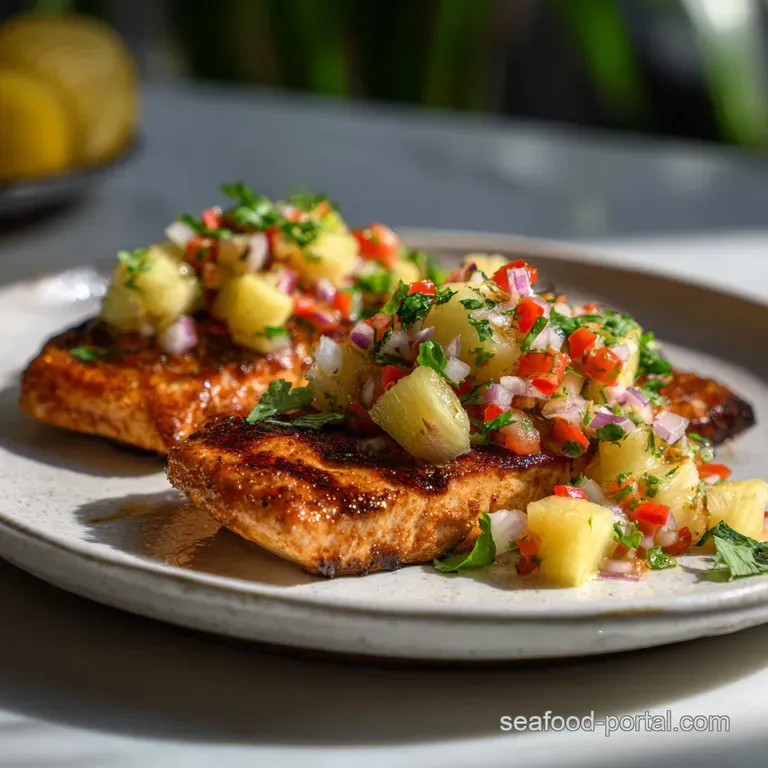
- Time: Active 10 minutes, Passive 5 minutes, Total 15 minutes
- Flavor/Texture Hook: Smoky sweet charred pineapple with a crunchy, zesty bite
- Perfect for: Summer cookouts, weeknight salmon, or topping fish tacos
- Sweet and Spicy Pineapple Salsa Recipe for Grilled Fish
- The Science of Why it Works
- Recipe Specifications and Quick Reference
- Fresh Ingredients and Smart Substitutions
- Essential Kitchen Equipment Needed
- Step-by-Step Preparation Guide
- Solving Common Texture Issues
- Scaling and Volume Adjustments
- Storage and Reducing Food Waste
- Presentation and Serving Ideas
- Recipe FAQs
- 📝 Recipe Card
Sweet and Spicy Pineapple Salsa Recipe for Grilled Fish
Picture this: your white fish is sizzling on the grates, the skin getting that beautiful golden crisp, but it’s missing that final "pop." That is where this salsa comes in. I used to think a squeeze of lime was enough, but after a trip to the coast where I saw a chef charring fruit over open flames, I realized I was leaving so much flavor on the table.
This is the only sweet and spicy pineapple salsa recipe you'll need for grilled fish.
We've all been there with store-bought salsas that are basically fruit soup too sweet, too watery, and totally lacking in soul. I spent a few summers experimenting with ratios until I found the sweet spot. You want a bit of smoke, a hit of acid to cut through the fat of the fish, and a crunch that doesn't quit.
Trust me, once you smell that pineapple hitting the hot pan and turning deep caramel brown, you’ll never go back to raw fruit salsa again. It’s about building layers. We aren't just tossing things in a bowl; we are creating a shimmering, textured topping that makes even a frozen tilapia fillet feel like a five star meal.
The Science of Why it Works
Maillard Reaction: Searing the pineapple rings triggers a chemical reaction between amino acids and reducing sugars, creating hundreds of complex flavor compounds that raw fruit lacks.
Enzymatic Control: Grilling the pineapple partially deactivates bromelain, an enzyme that can turn fish mushy, while the lime juice’s low pH tightens the fish proteins for a better mouthfeel.
Capsaicin Solubility: The small amount of fat in the fish helps distribute the heat of the serrano pepper across your palate, preventing the spice from becoming overwhelming or sharp.
| Method | Time | Texture | Best For |
|---|---|---|---|
| Stovetop (Cast Iron) | 5 minutes | Heavy char, concentrated sugars | Deeply smoky flavor profiles |
| Oven (Broil) | 8 minutes | Even browning, softer fruit | Large batches for crowds |
| Outdoor Grill | 4 minutes | Distinct smoky aroma, firm bite | Authentic summer cookouts |
Grilling the pineapple is the secret move that sets this apart from a standard fruit salad. When you apply high heat to the 1 inch rings, the water evaporates, and the sugars concentrate into a velvety, honey like essence.
If you're looking for a perfect pairing, this salsa works incredibly well over a &Flavorful Coral Trout recipe, as the citrus notes in both the fish and the salsa harmonize beautifully.
Recipe Specifications and Quick Reference
The key to a successful salsa is the "dice." If the pieces are too big, they fall off the fish; too small, and they turn into mush. We are aiming for a uniform, shimmering confetti of color.
I always tell my friends to aim for the size of a pea for the onions and peppers, while keeping the pineapple just a bit larger to let it be the star.
Chef Tip
Freeze your lime for exactly 10 minutes before zesting. It firms up the skin, allowing the microplane to shave off long, aromatic ribbons without hitting the bitter white pith.
When you're prepping the serrano, remember that the heat lives in the ribs and seeds. If you want a mild hum, scrape those out completely. If you want a "kickin" experience similar to what you'd get with a Kickin Romesco Sauce recipe, leave a few seeds in the mix. Just be sure to wash your hands immediately I’ve made the mistake of rubbing my eyes after dicing peppers more times than I care to admit!
| Component | Science Role | Pro Secret |
|---|---|---|
| Fresh Pineapple | Provides fructose for caramelization | Choose a fruit that smells fragrant at the base |
| Serrano Pepper | Introduces capsaicin for "heat" | Mince into tiny specs to avoid "spice bombs" |
| Lime Juice | Provides citric acid to balance sweetness | Roll the lime on the counter first to break juice membranes |
| Smoked Paprika | Adds depth through phenols | Use "Pimentón de la Vera" for a truly authentic smoky finish |
I’ve found that the smoked paprika is the "bridge" ingredient. It connects the charred sweetness of the fruit with the savory, flaky nature of the grilled fish. Without it, the salsa tastes a bit one dimensional. With it, people will be asking you which gourmet shop you bought it from.
Fresh Ingredients and Smart Substitutions
The beauty of this recipe is its flexibility. While I swear by fresh pineapple, I know that sometimes the grocery store only has those sad, green ones that aren't quite ready. In those cases, don't be afraid to pivot.
Just avoid the canned stuff in heavy syrup it’s far too soft and will disintegrate the moment it hits the heat.
- 1 small fresh pineapple: Peeled, cored, and sliced into 1 inch rings. Why this? Fresh fruit holds its structure during the over high heat charring process.
- 2 tbsp fresh lime juice: Fresh only avoid the plastic bottle!
- 1 tsp lime zest: Adds essential oils that juice alone lacks.
- 1 serrano pepper: Finely minced for a bright, sharp heat.
- 0.5 red onion: Finely diced for crunch and pungent contrast.
- 0.5 red bell pepper: Finely diced for sweetness and vibrant color.
- 0.25 cup fresh cilantro: Coarsely chopped for an earthy, herbal finish.
- 0.25 tsp smoked paprika: This provides the "grilled" flavor even if you're using a pan.
- 0.5 tsp flaky sea salt: Use Maldon if you can the crunch is everything.
| Original Ingredient | Substitute | Why It Works |
|---|---|---|
| Serrano Pepper | Jalapeño | Lower heat profile. Note: Result is milder and slightly grassier. |
| Red Onion | Shallots | Softer texture. Note: Adds a delicate, garlicky sweetness. |
| Fresh Pineapple | Mango (Firm) | Similar sugar content. Note: Use slightly underripe fruit so it doesn't melt. |
| Cilantro | Flat leaf Parsley | Provides brightness. Note: Good for those who find cilantro "soapy." |
If you find yourself out of limes, a splash of the vinegar base from a Nuoc Cham recipe can actually work in a pinch to provide that necessary acid, though it will change the flavor profile to something more Southeast Asian. Always taste as you go!
Essential Kitchen Equipment Needed
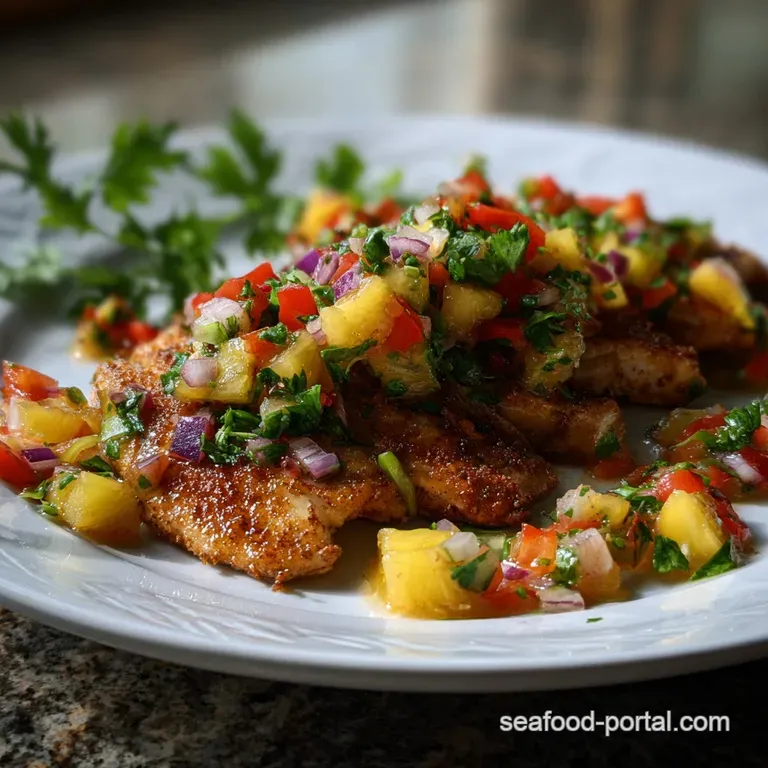
You don't need a professional kitchen to pull this off, but a few specific tools make the difference between a "hack job" and a refined salsa. A sharp knife is non negotiable. If you’re hacking at the pineapple with a dull blade, you’re squeezing out all the juice that should be caramelizing in the pan.
- Cast Iron Skillet or Grill Pan: To get those iconic dark char marks without a backyard grill.
- Chef's Knife: A heavy 8 inch blade makes dicing the red onion and peppers much safer and faster.
- Large Mixing Bowl: Glass or stainless steel is best; plastic can sometimes absorb the smell of the onion and serrano.
- Microplane: For the finest lime zest possible.
- Tongs: To flip the pineapple rings without breaking them.
Chef Tip
Place your red onion dice in a bowl of ice water for 5 minutes, then drain. This removes the "sulfuric bite" that can linger on your breath, leaving only the clean, sweet crunch.
Working with a cast iron skillet (like a Lodge) is my favorite way to do this indoors. It retains heat so well that the pineapple rings "shatter" with a slight crispness on the edges while remaining juicy in the center. If the pan isn't hot enough, the fruit will just steam and turn grey.
We want that deep, dark mahogany color!
step-by-step Preparation Guide
First things first: get your pan hot. I mean really hot. You want to see just a tiny wisp of smoke coming off the surface before that pineapple ever touches it. This ensures the outside chars before the inside turns to mush.
- Prep the pineapple. Slice the peeled and cored pineapple into 1 inch thick rings. Note: Consistent thickness ensures they all char at the same rate.
- Char the fruit. Place rings into a dry, preheated cast iron skillet over medium high heat. Cook 2-3 minutes per side until dark golden brown and slightly softened.
- Cool completely. Move the rings to a cutting board and let them rest for 5 minutes. Do not skip this, or the steam will wilt your fresh vegetables.
- Dice the base. While the fruit cools, finely dice the red onion and red bell pepper.
- Mince the heat. Finely mince the serrano pepper, removing seeds for a milder salsa.
- Chop the pineapple. Cut the charred rings into 1/4 inch chunks. Wait for the juice to release onto the board; scoop that up too!
- Combine elements. In a large bowl, toss the pineapple, onion, bell pepper, and serrano together.
- Season the mix. Add the 2 tbsp lime juice, 1 tsp zest, 0.25 tsp smoked paprika, and 0.5 tsp sea salt.
- Herbal finish. Fold in the 0.25 cup cilantro just before serving. Note: Adding cilantro too early can cause it to turn black.
- Marinate. Let the salsa sit for 10 minutes at room temperature so the flavors "marry."
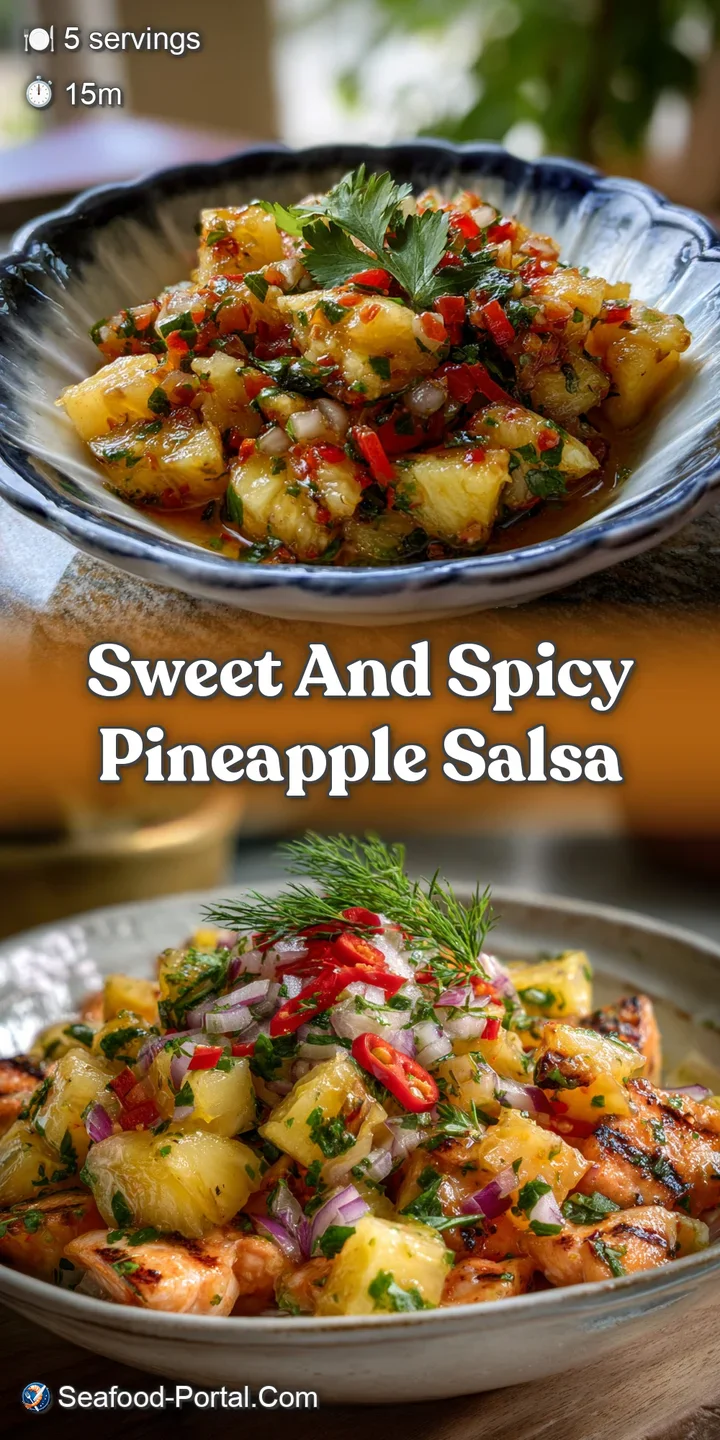
Watching the colors come together is the best part. The bright red of the bell pepper against the charred yellow of the pineapple and the deep green of the cilantro is visual proof of the flavor layers we've built. If you’re serving this with salmon, you might also enjoy the flavor profile of a Soy Sauce Ginger recipe, as the ginger notes play beautifully with the pineapple's acidity.
Solving Common Texture Issues
The most common complaint I hear about fruit salsa is that it's too watery. This usually happens because the salt draws out the moisture from the fruit. If you’re making this ahead of time, wait to add the salt until the very last second.
Why Your Salsa Is Watery
If your bowl is half filled with liquid after ten minutes, you likely salted it too early or didn't let the grilled pineapple cool. The residual heat from the fruit will "cook" the onions and peppers, causing them to release their cellular water.
| Problem | Root Cause | Solution |
|---|---|---|
| Too Much Liquid | Salted too early or fruit was hot | Drain through a mesh sieve and add a splash more lime. |
| No "Grilled" Flavor | Pan wasn't hot enough | Use a dry cast iron pan and don't crowd the rings. |
| Overwhelming Onion | Onion was too "hot" or large | Use the ice water soak method and a finer dice. |
Common Mistakes Checklist:
- ✓ Pat the pineapple rings dry with a paper towel before grilling to ensure a better sear.
- ✓ Never use "pre cut" pineapple from a jar; it’s too saturated with liquid.
- ✓ Don't skip the lime zest the juice provides the tartness, but the zest provides the aroma.
- ✓ Ensure the serrano is minced as finely as possible; no one wants a giant chunk of chili.
- ✓ Let the salsa rest for 10 minutes before serving to let the paprika hydrate.
Scaling and Volume Adjustments
If you're hosting a big backyard BBQ, you're going to want to double or triple this. It disappears fast, especially if people start using it as a dip for tortilla chips (which they will).
- Scaling Up (2x-3x): When doubling the recipe, do not double the smoked paprika immediately. Spices can become overpowering in larger volumes. Start with 1.5x the amount and adjust after tasting. Work in batches when grilling the pineapple so you don't drop the pan temperature.
- Scaling Down (1/2): If you only need a little for a solo salmon dinner, use half a pineapple and save the rest for smoothies. Use a small shallot instead of half a red onion to keep the proportions balanced.
- Baking Batch: If you are doing a massive batch in the oven (broiling), keep the rack at the very top and turn the rings every 3 minutes.
If you’ve got leftovers, don't just throw them away! I love stirring the leftover salsa into a cold pasta salad the next day or even using it as a base for a tropical vinaigrette by blending it with a little neutral oil.
Storage and Reducing Food Waste
Freshness is the name of the game here. Because we are using fresh lime juice and salt, the salsa will eventually begin to break down. It’s a "living" condiment, so to speak.
Storage Guidelines:Fridge: Store in an airtight glass container for up to 3 days. Note that the cilantro will wilt after day one, so you might want to stir in a fresh handful when serving leftovers. Freezer: I don't recommend freezing this salsa.
The cell walls of the peppers and onions will collapse, resulting in a mushy mess once thawed.
Zero Waste Tips: Don't toss the pineapple core! While it's too tough for the salsa, you can thinly slice it and drop it into a pitcher of water for a refreshing pineapple infusion.
The red onion scraps and bell pepper stems can be saved in a "stock bag" in your freezer for your next batch of vegetable broth. If you have extra serrano peppers, they can be pickled in a simple mixture of vinegar and sugar for a spicy snack later.
Presentation and Serving Ideas
We eat with our eyes first, right? To make this look like it came out of a professional kitchen, think about contrast. If you're serving a pale white fish like sea bass or cod, pile the salsa high in the center to create a "mountain" of color.
Chef Tip
For a "wow" factor, serve the salsa inside a hollowed out pineapple half. It’s a bit retro, but it never fails to get a reaction at a dinner party.
- 1. The "Swoosh"
- Place the fish to the side and create a wide arc of salsa around it.
- 2. The Topper
- A neat, tight pile of salsa directly on top of the grilled fish, finished with a final sprinkle of flaky sea salt.
- 3. The Family Style
- Serve the fish on a large platter with the salsa in a separate bowl, allowing guests to customize their heat levels.
If you want to try something different, this salsa is also a fantastic match for a Zesty Lemon Fish recipe, where the lemon in the fish and the lime in the salsa create a multi dimensional citrus explosion. No matter how you serve it, the key is that "sweet and spicy" balance. It’s what keeps you coming back for bite after bite!
Kitchen Myths Debunked
One big myth is that "pineapple core is poisonous." It's not! It's just very fibrous. While we don't use it in this salsa because the texture is distracting, it's perfectly edible and full of fiber. Another myth is that the "seeds" are the only spicy part of a pepper.
Actually, the white membrane (the pith) contains the highest concentration of capsaicin. If you want a mild salsa, you must remove both the seeds and the white ribs completely. Finally, people think you need oil to grill pineapple. You don't!
The natural sugars in the fruit will create a non stick barrier as they caramelize, provided your pan is hot enough.
Right then, let's crack on and get that pan heating up. Your grilled fish is waiting!
Recipe FAQs
Can I use canned pineapple for this salsa?
No, fresh is best. Canned pineapple is too soft and will turn to mush when charred, losing its texture.
How do I make the salsa less spicy?
Remove the seeds and white ribs from the serrano pepper. The capsaicin, which causes the heat, is concentrated in these parts.
What's the best way to char the pineapple indoors?
Use a preheated cast iron skillet or grill pan. Ensure the pan is very hot before adding the pineapple rings to achieve a good char without overcooking.
My salsa turned out watery, what did I do wrong?
You likely salted it too early or added the pineapple while it was still too hot. Salt draws moisture out, and heat releases water from vegetables and fruit. Wait to salt until just before serving.
Can I make this salsa ahead of time?
Yes, but with a key adjustment. Chop the vegetables up to 24 hours in advance, but grill and combine the pineapple with other ingredients within 4 hours of serving for optimal texture and freshness.
What if I don't have a grill?
A hot cast iron skillet or broiler works great. For a broiled version, keep the oven rack at the very top and turn the pineapple rings every 3 minutes to ensure even charring, similar to how you'd get with a Crunchy and Classic Cornmeal Fish Fry Recipe with Catfish.
What other seafood dishes pair well with this salsa?
This salsa is incredibly versatile. It’s a fantastic topping for fish tacos, similar to those found in our Mexican seafood dishes: 5 Amazing Shrimp Tacos with Chipotle Sauce.
Pineapple Salsa Recipe

Ingredients:
Instructions:
Nutrition Facts:
| Calories | 62 kcal |
|---|---|
| Protein | 0.9 g |
| Fat | 0.2 g |
| Carbs | 15.8 g |
| Fiber | 2.1 g |
| Sugar | 11.2 g |
| Sodium | 234 mg |
