Shrimp Platter: the Grand Coastline Recipe for Tender Poached Prawns
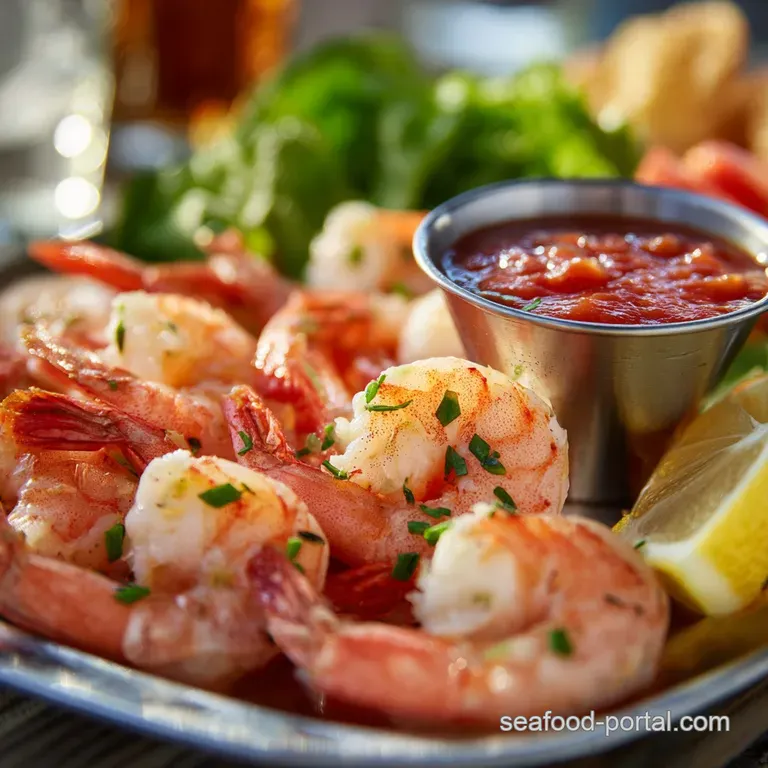
- The Ultimate Chilled Shrimp Platter: A Summer Entertaining Essential
- The Science of Tenderness: Why We Poach Our Shrimp
- Ingredients for Your Grand Coastline Shrimp Platter & Key Substitutions
- Mastering the Poach: Step-by-Step Guide to Tender Shrimp
- Elevating Your Platter: Pro Tips and Troubleshooting
- Make-Ahead Mastery: Cooling and Storing Your Platter Components
- Recipe FAQs
- 📝 Recipe Card
The Ultimate Chilled Shrimp Platter: A Summer Entertaining Essential
Is there anything better than that perfect, icy, snappy bite of a perfectly poached prawn? When you dip it into a zesty cocktail sauce that actually clears your sinuses, you know the party has officially started.
That brilliant, crisp texture isn't just luck; it’s totally achievable at home when you stop boiling and start poaching.
Forget fussing with hot appetizers or complicated dinner techniques that keep you trapped in the kitchen. This Grand Coastline Platter is absolutely your secret weapon for summer entertaining.
It’s incredibly fast, requires almost zero active cooking time, and looks effortlessly elegant when piled high with those beautiful jumbo shrimp.
We aren't just throwing these prawns into plain hot water like they do at the cheap buffet line, which is how you get bland, rubbery shrimp. We are poaching them gently in a fragrant court bouillon, which locks in moisture and infuses delicate seasoning.
Trust me on this flavor strategy, because the difference is genuinely night and day.
The Science of Tenderness: Why We Poach Our Shrimp
The core secret to a truly perfect shrimp platter is mastering temperature control, and that is why poaching beats boiling every single time. Poaching uses a gentle simmer, usually just below the boil, allowing the delicate shrimp proteins to cook slowly and evenly, which keeps them juicy.
Boiling violently contracts the muscle fibers instantly, resulting in tough, dry, and rubbery seafood that nobody wants to eat.
Why the Court Bouillon is Key to Flavor
You wouldn’t bake bread with flavorless flour, right? So stop cooking your beautiful seafood in plain water. Our simple court bouillon which is really just water infused with salt, acid (lemon), and aromatics (bay leaves) adds necessary depth.
This creates a savory steam bath for the shrimp, ensuring every fiber absorbs a subtle, bright seasoning, rather than having to rely solely on the sauce for flavor.
What Makes This Recipe 'Gourmet, Not Gimmicky'
This recipe is built on three simple, non-negotiable steps: high-quality shrimp, poaching, and the ice bath. Most people skip the ice bath, which is a HUGE mistake, because residual heat continues to cook your shrimp even after you pull it off the burner.
We are aiming for flavor elegance here, focusing on the natural sweetness of the shrimp and the clean zing of the homemade sauce.
The Secret to a Perfectly Chilled Platter
The key to a successful shrimp platter is making sure everything is ice-cold. You want that contrast between the icy seafood and the room temperature dip it provides a crucial sensory cue.
Plus, chilling the sauce for at least 30 minutes allows the horseradish and lemon to truly mingle, deepening that iconic zesty flavor.
Avoiding Rubberiness: The Temperature Sweet Spot
The perfect temperature for poaching shrimp is between 180°F and 195°F (82°C to 90°C), well below a hard rolling boil. If the water is bubbling aggressively, you’re cooking too hot.
You should see tiny, lazy bubbles forming, and that is exactly the zone where the shrimp will gently relax into tenderness.
The Role of Aromatics in Flavor Infusion
The simple aromatics like bay leaves, black peppercorns, and fresh lemon slices are more than just pretty additions; they actually break down surface tension and help the salt penetrate the shrimp.
I once tried poaching with just plain salt and water because I was feeling lazy, and the resulting platter was so flat I almost felt embarrassed serving it. Never again!
Comparing Poaching vs. Boiling for Seafood
| Method | Temperature | Resulting Texture |
|---|---|---|
| Boiling (Aggressive) | 212°F (100°C) | Tough, chewy, rapid shrinkage |
| Poaching (Gentle Simmer) | 180°F 195°F (82°C 90°C) | Tender, plump, maintains moisture |
Ingredients for Your Grand Coastline Shrimp Platter & Key Substitutions
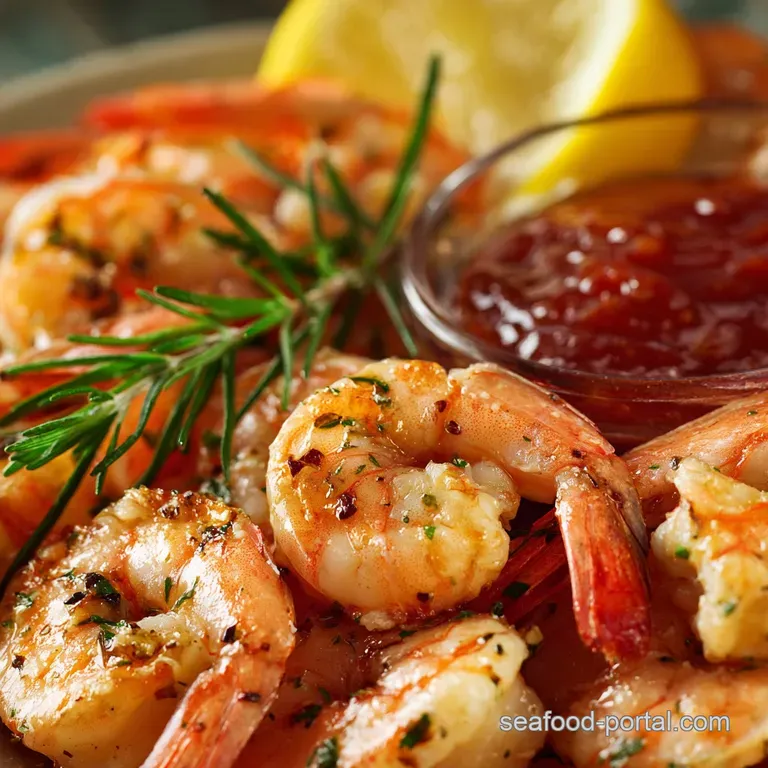
Let’s talk sourcing. The quality of your ingredients really shines through here since we are cooking minimally. Don't skimp on the fresh lemon juice for the sauce it makes a difference!
Choosing the Right Shrimp Size (Jumbo vs. Colossal)
I highly recommend using 21/25 count shrimp (meaning 21 to 25 shrimp per pound). These are typically categorized as Jumbo, and they offer the best presentation while still poaching quickly. Colossal (U/15) also works great, but requires an extra 60 seconds of cooking time.
Shell-On vs. Peeled: Impact on Final Flavor
Always buy peeled and deveined, but keep the tails on for a classic, attractive presentation. While poaching shell-on shrimp adds slightly more flavor depth, peeling hot shrimp is a pain, and it often results in the shrimp continuing to cook while you struggle with the shells.
The convenience of tail-on, peeled shrimp wins here.
Essential Cocktail Sauce Components and Quality Checks
The sauce needs balance. You need the sweetness of the ketchup, the fiery heat of the horseradish, and the acidic brightness of fresh lemon juice. Always taste the sauce after 10 minutes of chilling to see if it needs an extra splash of Worcestershire for savoriness or another squeeze of lemon for brightness. If you love a more complex, creamy dip, you might want to try my dedicated Shrimp Dip: The Proper Creamy, Zesty Prawn Cocktail Dip Recipe .
Building the Aromatic Poaching Liquid Base
We only need simple things for the court bouillon, so don't overthink it. Salt, lemon, bay leaf, and whole peppercorns are sufficient. Don't feel the need to use fancy white wine unless you happen to have a bottle open already, which I usually don't.
| Ingredient | Substitution/Alternative |
|---|---|
| Raw Shrimp | Cooked crayfish (crawfish) or langoustines (adjust cooking time slightly). |
| Prepared Horseradish | Extra dash of hot sauce and a pinch of finely minced fresh ginger for the sinus clearing effect. |
| Ketchup | Chili sauce (the type often used for hot dogs) for a less sweet, tangier base. |
| Lemon | White wine vinegar or cider vinegar (use half the amount) if you're completely out of fresh citrus. |
Mastering the Poach: step-by-step Guide to Tender Shrimp
Preparing the Aromatic Court Bouillon
In your largest stock pot, combine the water, salt, sliced lemon, bay leaves, and peppercorns. Bring this liquid up to a robust boil, then immediately turn the heat down to a gentle simmer. Let it bubble happily for about five minutes.
This short simmer is non-negotiable for fully infusing the flavor into the liquid before the shrimp go in.
The Exact Timing for Poaching Perfection
Return the liquid to that strong, but not violent, simmer. Add half of the shrimp, ensuring the water temperature doesn't drop too much. Poach for 2 to 4 minutes, depending on the size. You are looking for the shrimp to turn fully pink and opaque, curling into that signature gentle 'C' shape.
A tight 'O' means it’s already overcooked!
Shocking the Shrimp: Halting the Cooking Process
This is where the magic happens and where most people fail. As soon as the shrimp are perfectly pink, use a slotted spoon to rapidly transfer them straight into the prepared ice bath.
This huge bowl of ice and water immediately halts the cooking process, ensuring the shrimp remain tender and retain their plump, snappy texture.
Assembling and Chilling the Grand Coastline Platter
Let the shrimp sit in the ice bath for five full minutes to fully chill. Drain them thoroughly and, this is important, pat them lightly dry with paper towels. Watery shrimp is bland shrimp.
Arrange the cold shrimp on your platter, place the ramekin of sauce in the center, and garnish with fresh lemon wedges and chopped parsley. Refrigerate the entire platter for at least 30 minutes before serving.
Chef’s Note: Never leave the shrimp in the ice bath for longer than 10 minutes. Once fully chilled, drain and refrigerate them immediately to maintain optimal texture.
Elevating Your Platter: Pro Tips and Troubleshooting
How to Achieve That Signature 'Zing' in the Cocktail Sauce
The secret to a great cocktail sauce is the prepared horseradish, but quality varies widely. Always start with the lower amount (3 tablespoons) and taste it, then sneak in the fourth tablespoon if you want serious heat.
For the deepest flavor, make the sauce the night before and let it chill overnight; the ingredients meld beautifully.
Dealing with Overcooked Shrimp (If Disaster Strikes)
If you find you’ve gone past the tender 'C' stage and your shrimp are tough little 'O's, don't panic. You can repurpose them. Chop them up finely and toss them into a seafood salad sandwich mixture or use them for a quick Baked Shrimp Toast: The Crispy, No-Fry Appetizer You Need . They won't work for the platter, but they won't go to waste.
Prepping the Platter Components Ahead of Time
The shrimp and the cocktail sauce are both ideal for make-ahead meal prep. You can fully poach and chill the shrimp up to 24 hours in advance, keeping them tightly covered in the refrigerator. The sauce, as mentioned, is best made ahead of time to let those fiery flavors develop.
make-ahead Mastery: Cooling and Storing Your Platter Components
Safe Refrigeration Times for Poached Seafood
Poached shrimp, when handled safely and chilled immediately, can be stored in an airtight container in the refrigerator for up to 3 days. After that, the texture starts to degrade, becoming increasingly dry. Never leave the platter out at room temperature for more than two hours.
Storing the Homemade Cocktail Sauce
The cocktail sauce is super hardy and will keep beautifully in a sealed container in the fridge for up to two weeks. It gets better as it ages slightly, so feel free to double the batch.
Presentation Matters: Ideas for Serving Your Perfect Shrimp Platter
When presenting the platter, aim for height and color. Arrange the shrimp leaning against each other or stacked artfully around a central bowl of the red sauce. Use a bright green element like fresh parsley or even a few sprigs of dill to contrast the pink and red.
If you are hosting a larger party, offering other small seafood appetizers like my Honey Chipotle BaconWrapped Shrimp: Sticky, Sweet Spicy Party Appetizer alongside the platter gives guests options and makes the whole spread feel massive and generous. Don't be shy about adding a little flair!
Recipe FAQs
Why did my perfectly poached shrimp turn out tough and rubbery?
This is the classic sign of overcooking, which is the easiest mistake to make with shrimp. Shrimp cook incredibly quickly, usually turning pink and curling slightly within 2-4 minutes once submerged in hot liquid.
You must remove the shrimp immediately when they hit their opaque pink color, and plunge them straight into an ice bath to stop the residual cooking process.
How far in advance can I prepare the shrimp and how should I store leftovers?
Poached and chilled shrimp can be safely prepared up to 24 hours in advance, ensuring they are kept airtight in the refrigerator below 40°F (4°C). Leftovers should be consumed within 2 days; we strongly advise against freezing cooked shrimp as the delicate muscle fibers break down and the texture becomes mushy upon thawing.
The recipe mentions using a "court bouillon." Is this necessary, or can I just use plain boiling water?
While you can use plain water, the aromatic poaching liquid (court bouillon) infuses the shrimp with subtle flavour from the aromatics, like lemon, herbs, and peppercorns. This technique significantly improves the final taste and moisture retention.
It is highly recommended, as this small step is what distinguishes a good platter from a great one.
I am not a fan of horseradish. What are some alternative dips for the shrimp platter?
Absolutely! For an elegant variation, try a tangy lemon dill aioli or a simple, bright mayonnaise mixed with fresh chives and cracked pepper. If you prefer warmth and spice without the horseradish bite, a homemade Thai inspired sweet chili dipping sauce mixed with lime juice works beautifully.
My cocktail sauce tastes flat. How can I brighten up the flavour profile?
Flatness usually indicates the sauce needs more acidity and spice to balance the tomato base. Start by adding a generous squeeze of fresh lemon juice to cut through the richness and enhance the other ingredients. If the recipe allows, try grating in slightly more fresh horseradish for that distinctive, sharp kick.
Should I serve the shrimp peeled or with the tails left on?
For an elegant chilled platter presentation, it is traditional and preferred to serve the shrimp peeled with the tail segment left attached. Leaving the tail on provides a convenient, mess free handle for dipping and eating, which guests will appreciate.
I only have frozen cooked shrimp on hand. How should I prepare them for the platter?
Thaw the frozen cooked shrimp thoroughly overnight in the refrigerator never at room temperature to maintain food safety. Since they are already cooked, simply rinse them quickly under cold water just before serving to refresh them and drain well, ensuring you avoid any additional heating which would severely degrade the texture.
Perfectly Poached Shrimp Platter Recipe
Ingredients:
Instructions:
Nutrition Facts:
| Calories | 341 kcal |
|---|---|
| Protein | 31.4 g |
| Fat | 4.9 g |
| Carbs | 41.8 g |
