Perfect Sous Vide Lobster Tail Every Time Guide
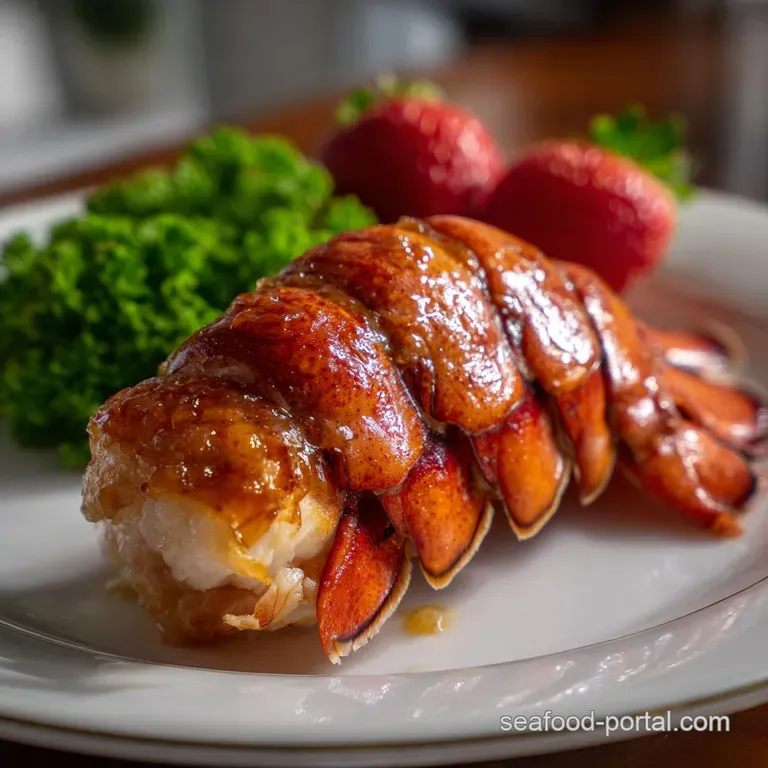
- Effort/Time: 20 minute prep, 30 minute hands-off cooking.
- Flavor Hook: Rich, buttery infusion with subtle garlic and thyme aromatics.
- Perfect for: Date-night dinners or a high-end, restaurant-quality-at-home experience.
- The Science of Perfect Sous Vide Lobster Tail Every Time
- Why Precision Butter Poaching Outperforms Traditional Boiling
- Essential Ingredients and Quality Substitutions
- Step-by-Step Guide to Perfect Sous Vide Lobster Tail Every Time
- Expert Tips and Common Mistakes to Avoid
- Storage and Freezing Guidelines
- Elegant Serving Suggestions
- Recipe FAQs
- 📝 Recipe Card
The Heartbreak of the Rubbery Tail
Ever dropped a forty dollar lobster tail into a pot of boiling water only to pull out something that tastes like a used eraser? I’ve been there, staring at a plate of expensive, chewy disappointment, wondering where it all went wrong.
The truth is, lobster is incredibly temperamental; ten seconds too long in the pot and the proteins lock up, squeezing out every drop of moisture.
But then I discovered the secret to the Perfect Sous Vide Lobster Tail Every time I cook. By using a Breville Joule immersion circulator, we bypass the "guessing game" of traditional stovetop methods.
We aren't just cooking the lobster; we are pampering it in a warm bath of Kerrygold Unsalted Butter and aromatics.
The result is a texture so succulent it feels like it’s melting on your tongue. We’re going to use science to ensure that the Perfect Sous Vide Lobster Tail Every single person eats at your table is the best they’ve ever had.
No more rubber, no more stress just pure, buttery bliss.
The Science of Perfect Sous Vide Lobster Tail Every Time
- Protein Denaturation Control: At 130°F (54.4°C), lobster proteins (actin and myosin) denature slowly, preventing the tight cross linking that causes a rubbery texture.
- Osmotic Flavor Infusion: The vacuum seal creates a low-pressure environment that encourages the Perfect Sous Vide Lobster Tail Every cell to absorb the lipids from the butter and volatile oils from the garlic.
- Collagen Solubilization: Gentle heat breaks down the minimal connective tissue in the tail into gelatin, contributing to a silky, velvety mouthfeel.
- Thermal Equilibrium: Unlike a pan, the water bath ensures the center of the tail reaches the exact same temperature as the exterior, eliminating "overcooked edges."
Why Precision Butter Poaching Outperforms Traditional Boiling
Controlled Temperature vs. High Heat Methods
When you boil lobster, the water is at 212°F, which is nearly double the ideal internal temperature for shellfish. This thermal shock causes the muscle fibers to contract violently. The Perfect Sous Vide Lobster Tail Every expert recommends stays at a steady 130°F, ensuring the meat remains relaxed and tender. If you love this precision, you'll also appreciate how we handle delicate textures in my Har Gow Dough Recipe Translucent Dumpling Wrappers: Perfect Clarity.
Achieving Consistent Texture in Shellfish
Consistency is the hardest thing to achieve with seafood. Because lobster tails vary in thickness, a timer for boiling is often inaccurate. With the Perfect Sous Vide Lobster Tail Every method, the thickness doesn't dictate the final temperature the water bath does.
This means a 5 oz tail and a 6 oz tail will both come out identical.
How Vacuum Sealing Enhances Butter Infusion
In a pot of water, flavor leaks out of the meat into the liquid. In a vacuum bag, there is nowhere for the flavor to go. The Perfect Sous Vide Lobster Tail Every chef's secret is that the "bag juice" becomes a concentrated lobster essence that can be used to start a Perfect Lobster Chowder: Velvety New England Classic.
Essential Ingredients and Quality Substitutions
The Science Behind 2 Cold water Lobster Tails
- What They Do
- Provide the primary protein structure and sweet, oceanic flavor profile.
- The Chemistry
- Cold water lobsters (from the Atlantic) grow more slowly, resulting in denser, sweeter meat with more complex amino acid profiles than warm water varieties.
- Why This Matters
- This ensures the Perfect Sous Vide Lobster Tail Every bite maintains a firm yet tender "snap" rather than becoming mushy.
The Science Behind 4 tbsp Unsalted high-quality Butter
- What It Does
- Acts as the cooking medium and primary flavor carrier (fat-soluble aromatics).
- The Chemistry
- Butter is an emulsion of water, fat, and milk solids; during sous vide, it provides a lipid barrier that prevents moisture loss through evaporation.
- Why This Matters
- It creates a "butter poached" effect that saturates the meat fibers, ensuring the Perfect Sous Vide Lobster Tail Every serving is intensely rich.
The Science Behind 2 cloves Garlic, smashed
- What It Does
- Introduces savory depth via sulfur compounds.
- The Chemistry
- Smashing the garlic breaks the cell walls, releasing alliinase which converts alliin into allicin, the compound responsible for that classic pungent aroma.
- Why This Matters
- It cuts through the richness of the butter, providing a balanced flavor profile for the Perfect Sous Vide Lobster Tail Every palate.
Smart Substitutes for Dietary Restrictions
| Original Ingredient | Substitute | Why It Works |
|---|---|---|
| 4 tbsp Unsalted Butter | 4 tbsp Ghee (Clarified Butter) | Higher smoke point and lactose free; provides same fat-to-meat ratio. |
| 2 sprigs Fresh Thyme | 2 sprigs Fresh Tarragon | Tarragon offers a classic French anise like flavor that pairs naturally with shellfish. |
| 0.5 tsp White Pepper | 0.5 tsp Black Pepper | Black pepper adds a bolder, more floral heat, though it will leave dark flecks on the meat. |
step-by-step Guide to Perfect Sous Vide Lobster Tail Every Time
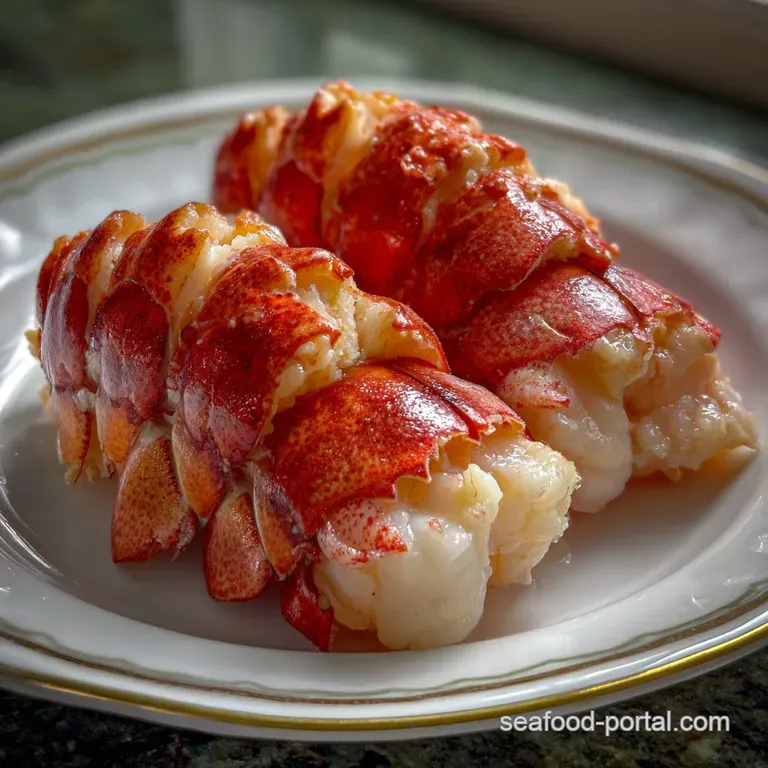
- Extract 2 Cold water Lobster Tails from their shells.Note: Removing the shell prevents bag punctures and ensures the butter makes direct contact with the meat for the Perfect Sous Vide Lobster Tail Every time.
- Season meat with 1 tsp Diamond Crystal Sea salt and 0.5 tsp White pepper.Note: Salt begins the denaturing process of the surface proteins, which helps the meat retain juices during the cook.
- Place tails in a heavy duty vacuum bag with 4 tbsp Kerrygold Unsalted butter.Note: Using high fat European butter ensures a richer emulsion during the poaching process.
- Add 2 smashed Garlic cloves, 2 sprigs Thyme, and 1 strip Lemon peel.Note: Volatile aromatic oils are trapped in the bag, forcing them into the lobster meat via the vacuum pressure.
- Seal the bag using a vacuum sealer or the water displacement method.Note: Removing air prevents the bag from floating, ensuring the Perfect Sous Vide Lobster Tail Every inch is submerged in the constant temp bath.
- Preheat your Breville Joule water bath to 130°F (54.4°C). Note: 130°F is the "sweet spot" where lobster is fully cooked but hasn't begun to toughen.
- Submerge the bag and cook for 30 minutes. Note: This duration allows the heat to reach the thermal center of the tail without overcooking the exterior.
- Remove tails from the bag and pat dry with paper towels.Note: Removing surface moisture is critical if you choose to perform a quick sear for presentation.
- Heat 1 tbsp Ghee in a Lodge Cast Iron Skillet over high heat.Note: Ghee has a high smoke point (485°F), allowing for a 30 second "flash sear" without burning.
- Sear for 30 seconds per side until a light golden crust forms.Note: This triggers a mini Maillard reaction, adding a layer of savory complexity to the Perfect Sous Vide Lobster Tail Every bite.
Expert Tips and Common Mistakes to Avoid
| Problem | Why It Happens | The Fix | Pro Protocol |
|---|---|---|---|
| Rubbery meat | Temperature exceeded 140°F | Keep bath at 130°F-132°F | Use a calibrated Thermapen to verify water bath accuracy |
| Mushy texture | Cooking for over 1 hour | Set a timer for exactly 30 minutes | Chill in an ice bath immediately if not serving right away |
| Bag Floating | Air trapped in the shell or bag | Use the displacement method carefully | Place a heavy ceramic plate or sous vide weights on the bag |
Common Myths
Myth: You must cook lobster in the shell for flavor. Truth: While the shell adds a slight oceanic note, it prevents the butter from fully penetrating the meat.
For the Perfect Sous Vide Lobster Tail Every enthusiast, deshelling first provides a superior flavor-to-texture ratio.
Myth: Sous vide lobster doesn't need to be seasoned until the end. Truth: Salt is a "flavor bridge." Adding it to the bag allows it to penetrate the muscle fibers deeply, seasoning the Perfect Sous Vide Lobster Tail Every layer from the inside out.
Storage and Freezing Guidelines
- Refrigeration: You can store the cooked Perfect Sous Vide Lobster Tail Every leftovers in an airtight container for up to 2 days. Keep them submerged in the leftover bag butter to prevent oxidation.
- Freezing: I don't recommend freezing cooked lobster as the ice crystals will destroy the delicate cell structure you worked so hard to preserve. If you must, vacuum seal the cooked meat with its butter and freeze for up to 1 month.
- Reheating: Never use a microwave. Instead, place the bag back into a 130°F water bath for 15 minutes until warmed through. This prevents the meat from becoming tough.
Elegant Serving Suggestions
The Perfect Sous Vide Lobster Tail Every guest loves should be the star of the plate. I recommend serving it over a bed of lemon zest risotto or alongside a crisp asparagus spear. For a truly decadent finish, drizzle the meat with my Creamy Lobster Sauce: Ultimate Restaurant Quality Crème de Homard. The sauce uses the same aromatic profile as the sous vide bag, creating a perfect flavor harmony.
If you have leftovers (lucky you!), chop the meat and fold it into a toasted brioche bun with a swipe of kewpie mayo. It turns the Perfect Sous Vide Lobster Tail Every leftovers into a world class lobster roll.
Pair this with a chilled glass of buttery Chardonnay or a dry Sparkling Rosé to cut through the richness.
Trust me, once you go the sous vide route, you’ll never go back to the pot. Let's crack on and get that water bath started for the Perfect Sous Vide Lobster Tail Every single time you crave luxury at home!
Recipe FAQs
What is the ideal core temperature for fully cooked lobster tail?
135°F (57°C) provides optimal texture. Holding the protein just above coagulation prevents the muscle fibers from tightening excessively, resulting in maximum succulence. Wait five minutes after removal for carryover cooking to finish the process.
Do I need to thaw frozen lobster tails first?
No. Cook directly from frozen state for best results. Adding extra time compensates for the initial thermal load. Thawing on the counter introduces texture risks associated with uneven temperature exposure.
Can I cook the tails in just water instead of butter?
Butter immersion yields superior richness. Sous vide butter acts as an excellent heat transfer medium while simultaneously basting the meat with fat compounds. This contrasts sharply with water poaching, which washes away surface flavor compounds, though you could adapt this technique for our Shrimp Platter: Perfectly Poached Zesty Cocktail Sauce.
What is the difference between 130°F and 140°F for doneness?
130°F yields barely set, translucent meat. The lower temperature ensures a jelly like, velvety texture that melts, whereas 140°F achieves a firmer, more opaque texture resembling traditional steaming. Both are safe if held long enough for pasteurization.
How long does the initial prep take?
Under 25 minutes for prep. Ensure tails are split and aromatics are prepared before preheating the water bath effectively.
Myth: Sous vide lobster is never safe unless cooked above 160°F.
Myth: Sous vide cooking relies on time-at-temperature for pathogen kill steps. Reality: Holding lobster at 135°F for 45 minutes achieves pasteurization equivalent to boiling, ensuring safety without overcooking the delicate proteins.
What is the best way to sear the tails after sous vide?
A quick, high heat sear develops crust rapidly. Dry the exterior thoroughly before placing it into a screaming hot, lightly oiled skillet for 45 seconds per side. This final step is necessary because sous vide only cooks; it does not brown, unlike dry-heat methods such as those used for our Warm and Buttery Lobster Rolls: Classic Maine Style Recipe.
Perfect Sous Vide Lobster Tail
Ingredients:
Instructions:
Nutrition Facts:
| Calories | 404 kcal |
|---|---|
| Protein | 30 g |
| Fat | 31 g |
| Carbs | 1.2 g |
| Fiber | 0.1 g |
| Sugar | 0.1 g |
| Sodium | 1540 mg |
